Wide Shot

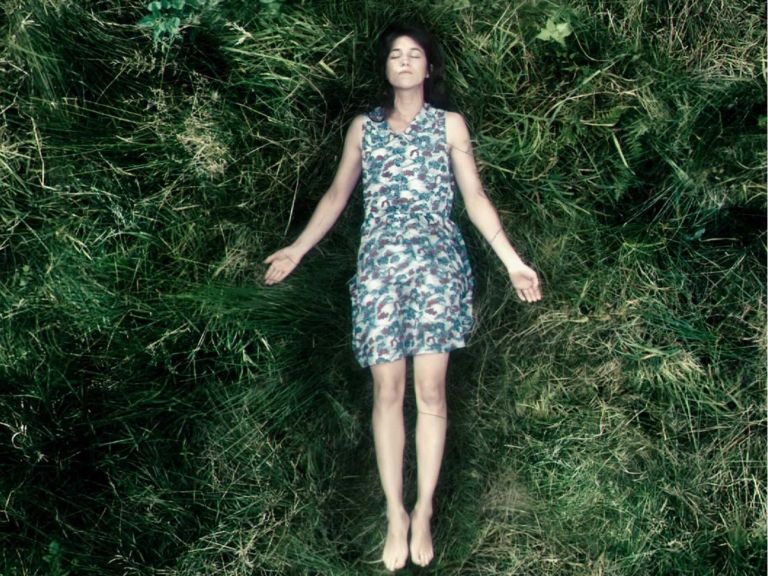
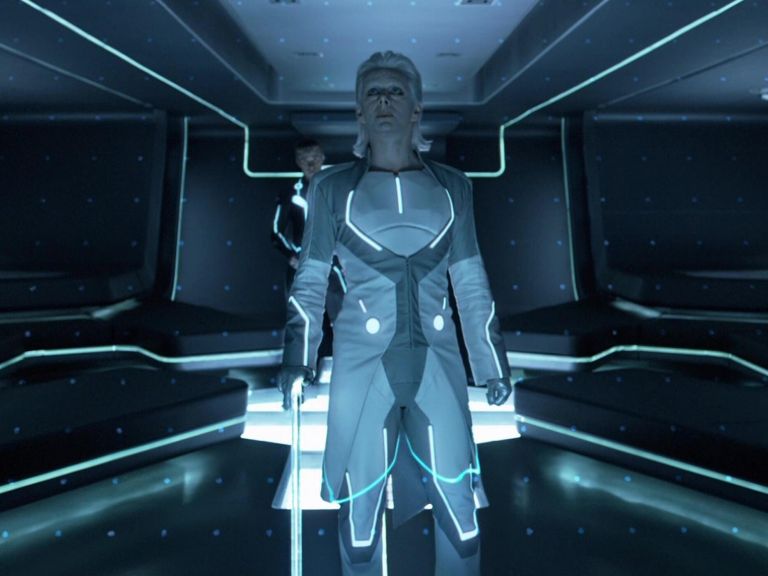
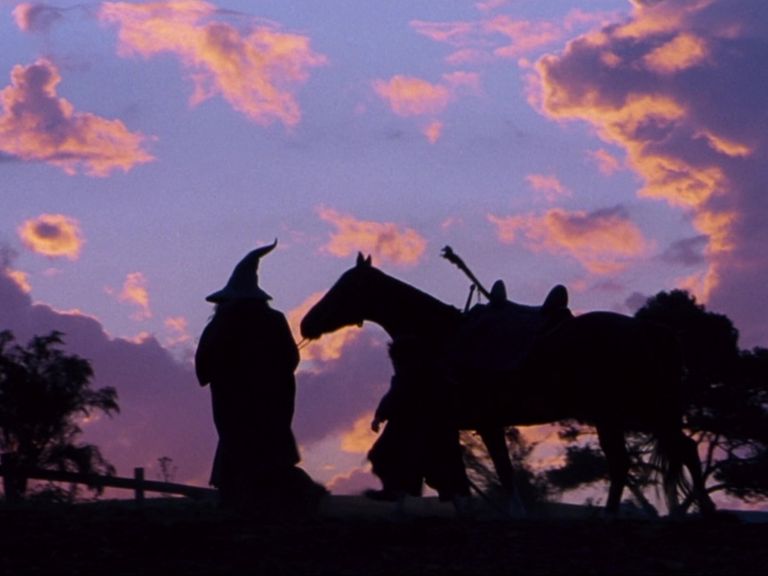
home  →  Shot Size  →  Wide ShotSearch for:Search Button— The —Wide ShotEverything you need to know about the wide shot in film, including the definition, the best examples, and how to use it.VideoExamplesArticleWide Shot DefinitionWhat is a wide shot (aka long shot)?A wide shot (also known as a long shot) is when the subject's entire body is captured in the shot, with a good deal of background visible around them on all sides. It is one of the most common shot sizes, particularly useful in moments when a comparison or a relationship is desired between the character and their surroundings.For more, read…

Full Shot

home  →  Shot Size  →  Full ShotSearch for:Search Button— The —Full ShotEverything you need to know about the full shot in film, including the definition, the best examples, and how to use it.VideoExamplesArticleFull Shot DefinitionWhat is a full shot?A full shot is when the camera capture the entirety of the subject's body, from head to toe. This is sometimes also a wide shot and while there is some overlap, they have their own characteristics. For more, read our full breakdown of the full shot, including examples that illustrate the shot size's various functions.Before we dive in the full shot and everything it can…

Medium Full Shot

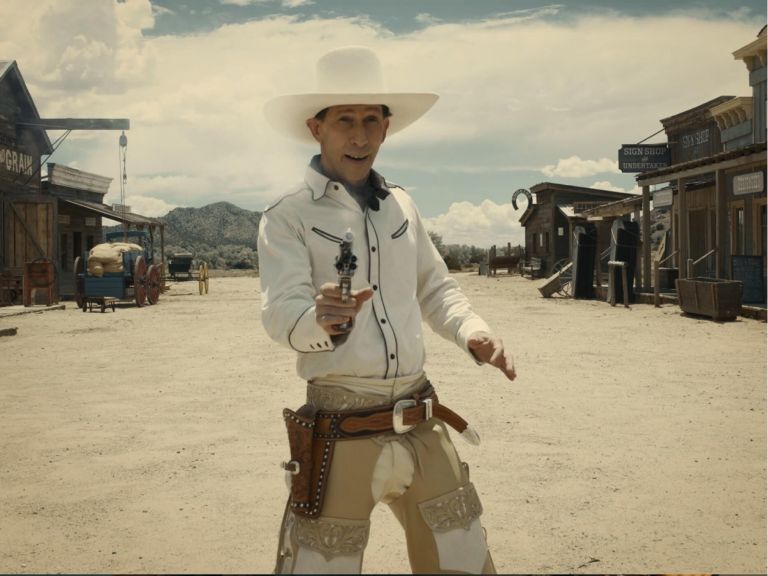
home  →  Shot Size  →  Medium Full ShotSearch for:Search Button— The —Medium Full ShotEverything you need to know about the medium full shot in film, including the definition, the best examples, and how to use it.VideoExamplesArticleMedium Full Shot DefinitionWhat is a medium full shot?A medium full shot is when the camera frames the subject from the knees up. It splits the difference between a full shot (head to toe) and a medium shot (from the waist up). It's also very similar to the "cowboy shot," which is a slightly tighter framing that ends just below the belt buckle — named for those…

Cowboy Shot

home  →  Shot Size  →  Cowboy ShotSearch for:Search Button— The —Cowboy ShotEverything you need to know about the cowboy shot in film, including the definition, the best examples, and how to use it.VideoExamplesArticleCowboy Shot DefinitionWhat is a cowboy shot in film?A cowboy shot is when the subject is framed from the top of their head to below their hips or down to their knees. This is also known as a medium full shot (MFS) or a medium wide shot (MWS). It is called a cowboy shot because of its association with shootout scenes in Westerns — the frame is low enough to…

Medium Shot

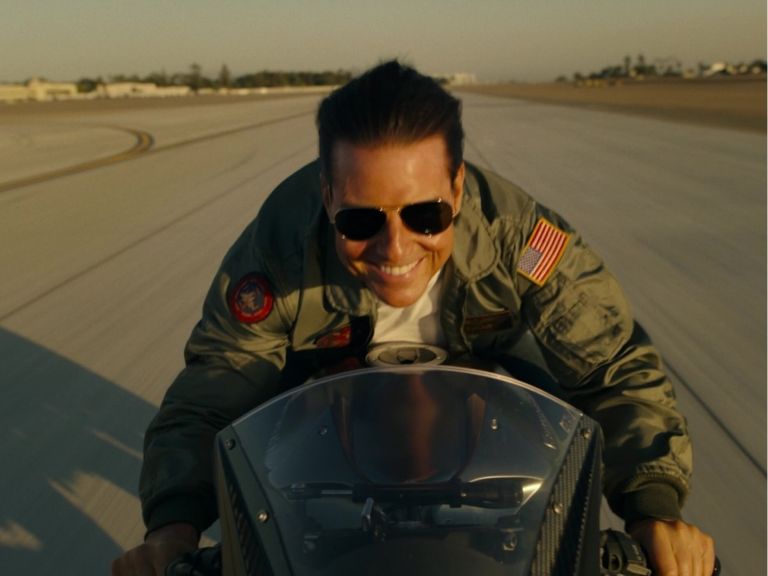
home  →  Shot Size  →  Medium ShotSearch for:Search Button— The —Medium ShotEverything you need to know about the medium shot in film, including the definition, the best examples, and how to use it.VideoExamplesArticleMedium Shot DefinitionWhat is a medium shot in film?A medium shot frames the subject from the top of the head down to the waist. It is one of the most commonly used shots in film because it is considered a more "neutral" shot. In other words, it is almost a default shot for characters that can work in most scenes. Wider and longer shots are too distant and detached, and…

Lighting Techniques

home  →  LightingSearch for:Search ButtonLighting TechniquesLorem ipsum dolor sit amet, consectetur adipiscing elit. Morbi nec ipsum nisi. Suspendisse consectetur vel sapien eu elementum.VideoExamplesArticleLighting TechniquesExplore the different types of camera angles, and learn how to combine them with other shot specs for visual storytelling. Low Angle ShotEmpower your subjectsHigh Angle ShotDepower your subjectsDutch Angle ShotDisorientationOverhead ShotOmniscienceAerial ShotAwe and scaleEye Level ShotCreate a connectionShoulder Level Shot????Hip Level Shot????Knee Level Shot????Ground Level Shot????Profile Shot????3/4 Profile Shot????Explore other Series  See All__CONFIG_colors_palette__{"active_palette":0,"config":{"colors":{"45315":{"name":"Amour","parent":"c96ec","lock":{"lightness":1}},"c96ec":{"name":"Main Accent","parent":-1},"def7a":{"name":"Amaranth","parent":"c96ec","lock":{"lightness":1,"saturation":1}}},"gradients":[]},"palettes":[{"name":"Default Palette","value":{"colors":{"45315":{"val":"rgb(253, 248, 250)","hsl_parent_dependency":{"h":336,"s":0.55,"l":0.98,"a":1}},"c96ec":{"val":"rgb(228, 48, 93)","hsl":{"h":345,"s":0.76,"l":0.54,"a":1}},"def7a":{"val":"rgba(228, 48, 93, 0.16)","hsl_parent_dependency":{"h":345,"s":0.76,"l":0.54,"a":0.16}}},"gradients":[]},"original":{"colors":{"45315":{"val":"rgb(253, 248, 250)","hsl_parent_dependency":{"h":336,"s":0.55,"l":0.98,"a":1}},"c96ec":{"val":"rgb(228, 48, 93)","hsl":{"h":345,"s":0.76,"l":0.54,"a":1}},"def7a":{"val":"rgba(228, 48, 93, 0.16)","hsl_parent_dependency":{"h":345,"s":0.76,"l":0.54,"a":0.16}}},"gradients":[]}}]}__CONFIG_colors_palette____CONFIG_colors_palette__{"active_palette":0,"config":{"colors":{"45315":{"name":"Amour","parent":"c96ec","lock":{"lightness":1}},"c96ec":{"name":"Main Accent","parent":-1},"def7a":{"name":"Amaranth","parent":"c96ec","lock":{"lightness":1,"saturation":1}}},"gradients":[]},"palettes":[{"name":"Default Palette","value":{"colors":{"45315":{"val":"rgb(253, 248, 250)","hsl_parent_dependency":{"h":336,"s":0.55,"l":0.98,"a":1}},"c96ec":{"val":"rgb(228, 48, 93)","hsl":{"h":345,"s":0.76,"l":0.54,"a":1}},"def7a":{"val":"rgba(228, 48, 93, 0.16)","hsl_parent_dependency":{"h":345,"s":0.76,"l":0.54,"a":0.16}}},"gradients":[]},"original":{"colors":{"45315":{"val":"rgb(253,…

Composition Techniques

home  →  CompositionSearch for:Search ButtonComposition TechniquesDive into the many ways to compose your frames, including the elements and shapes you choose and the arrangement that best communicates with the viewer.VideoArticleComposition TechniquesExplore the different types of composition techniques, and learn how to compose frames that speak volumes.Rule of ThirdsIdeal IntersectionsForegroundEmphasis & EnvironmentNegative SpaceEmptiness & MeaningLeading LinesGuide the EyesAsymmetrical BalanceOrdered ChaosSymmetrical BalanceEven & SolidPositive SpaceFocus & AttentionColor in FilmMood & MovementContrast in FilmOpposites & UniformityFocal Point in FilmPrecision & PowerDepth in FilmCreating 3D SpaceShape in FilmForms & SymbolsExplore other Series  See All__CONFIG_colors_palette__{"active_palette":0,"config":{"colors":{"45315":{"name":"Amour","parent":"c96ec","lock":{"lightness":1}},"c96ec":{"name":"Main Accent","parent":-1},"def7a":{"name":"Amaranth","parent":"c96ec","lock":{"lightness":1,"saturation":1}}},"gradients":[]},"palettes":[{"name":"Default Palette","value":{"colors":{"45315":{"val":"rgb(253, 248, 250)","hsl_parent_dependency":{"h":336,"s":0.55,"l":0.98,"a":1}},"c96ec":{"val":"rgb(228, 48, 93)","hsl":{"h":345,"s":0.76,"l":0.54,"a":1}},"def7a":{"val":"rgba(228, 48, 93, 0.16)","hsl_parent_dependency":{"h":345,"s":0.76,"l":0.54,"a":0.16}}},"gradients":[]},"original":{"colors":{"45315":{"val":"rgb(253, 248, 250)","hsl_parent_dependency":{"h":336,"s":0.55,"l":0.98,"a":1}},"c96ec":{"val":"rgb(228,…

Close Up Shot

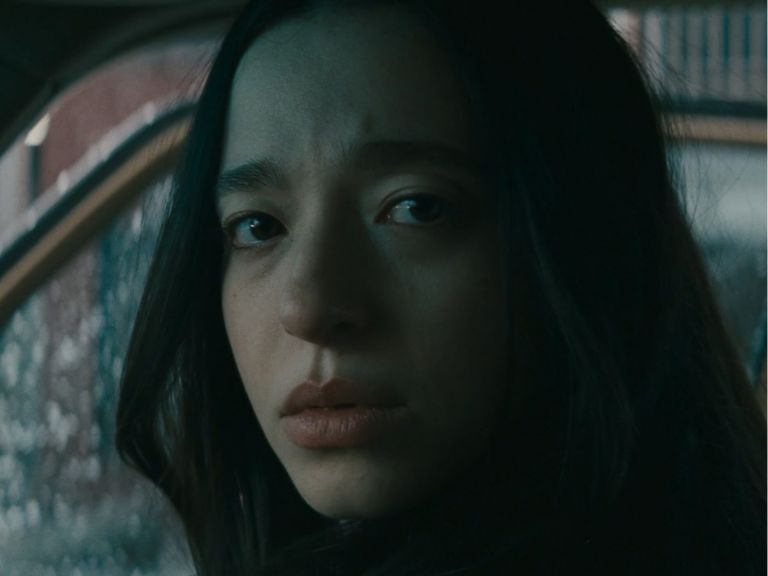
home  →  Shot Size  →  Close Up ShotSearch for:Search Button— The —Close Up ShotEverything you need to know about the close up shot in film, including the definition, the best examples, and how to use them.VideoExamplesArticleClose up shot DefinitionWhat is a close up shot in film?A close up shot is when the camera frames the subject's full face and head. The bottom of the frame will near the bottom of the neck with the top of the frame just above the head. As we will see, there is a specific difference between an extreme close up, a close up, and a medium…

Medium Close Up Shot

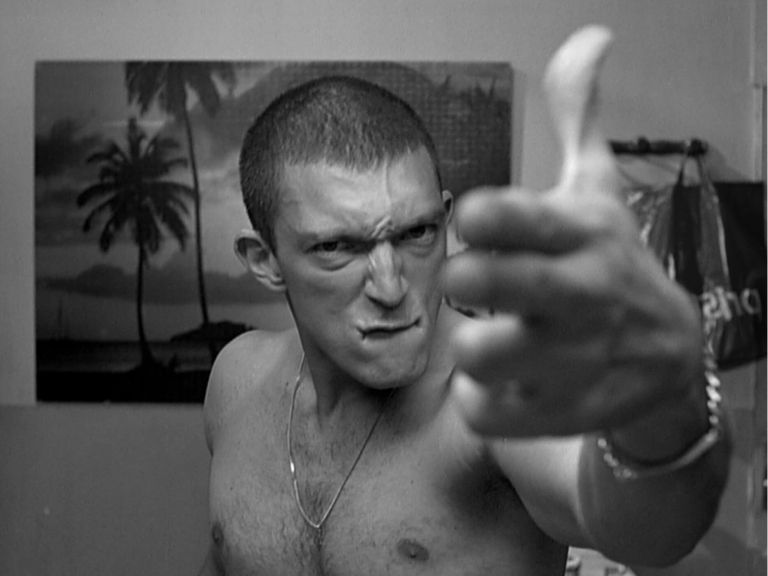
home  →  Shot Size  →  Medium Close Up ShotSearch for:Search Button— The —Medium Close UpEverything you need to know about the medium close up shot in film, including the definition, the best examples, and how to use it.VideoExamplesArticleMedium Close Up DefinitionWhat is a medium close up shot?A medium close up shot is when the camera frames the subject from the chest up to above the head. It is tighter than a medium shot but not quite as tight as a close up. This middle ground becomes a happy medium when you want that bit of nuance. The medium close up shot is…

Extreme Close Up Shot

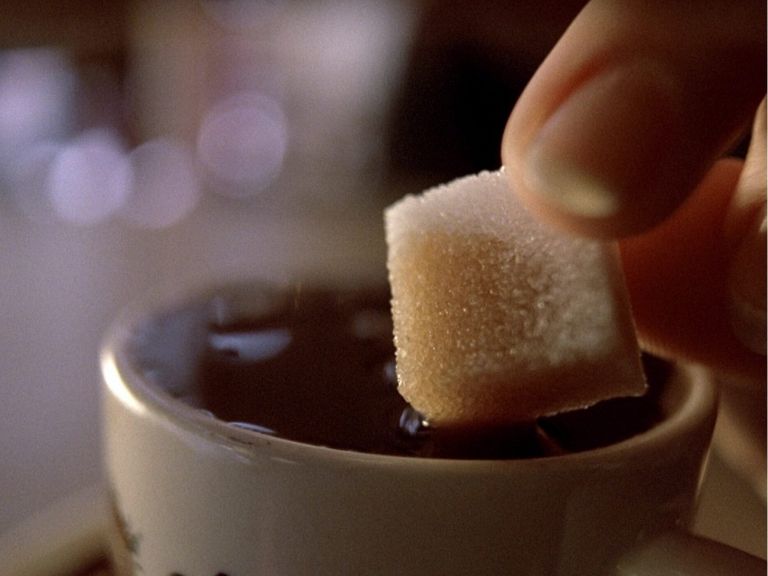
home  →  Shot Size  →  Extreme Close Up ShotSearch for:Search Button— The —Extreme Close Up ShotEverything you need to know about the extreme close up shot in film, including the definition, the best examples, and how to use them.VideoExamplesArticleExtreme Close Up DefinitionWhat is an extreme close up shot?An extreme close up shot focuses on a specific area of a character's body/face. Whereas a close up will capture the entire head with some room to spare, an extreme close up shot focuses on a specific area. For example, a shot that only shares a character's eyes or mouth. This type of framing can…