
It’s no surprise that William Shakespeare is considered one of the most influential and renowned playwrights in history. His works have stood the test of time and continue to be studied, performed, and adapted in various forms. But what sets Shakespeare apart from other writers? One word: tragedy.
In this article, we will explore the unique characteristics of a Shakespearean tragedy, its themes, and why it continues to captivate audiences centuries later.
What is a Shakespearean Tragedy in Story?
First, let’s define a Shakespearean Tragedy
Firstly, let's define what a tragedy is. In literature, a tragedy is a work that portrays the downfall of a tragic hero or heroine. This downfall is often caused by their own flaws or external forces beyond their control.
But what makes it specifically "Shakespearean"?
SHAKESPEAREAN TRAGEDY DEFINITION
What is a Shakespearean Tragedy?
A Shakespearean tragedy is a specific type of tragedy that William Shakespeare wrote. While it follows the traditional Greek structure of tragedy, it is distinguished by its complex characters, poetic dialogue, dramatic conflicts, and insightful exploration of the human condition.
These tragedies usually revolve around a protagonist of high estate, whose tragic flaw—be it hubris, ambition, or jealousy—leads to a catastrophic downfall. Moreover, Shakespearean tragedies often end in death, but not without imparting important lessons about life and human nature. Examples of Shakespearean tragedies include "Hamlet," "Macbeth," "Othello," and "Romeo and Juliet."
Elements of a Shakespearean Tragedy:
- Complex, flawed protagonist
- Catastrophic, inevitable downfall
- Insightful human exploration
What is a Shakespearean Tragedy Composed Of?
Shakespearean Tragedy Elements
Shakespearean tragedies possess several distinctive attributes that set them apart. These elements intricately shape the narrative, heightening the emotional depth and dramatic tension of the play. Together, they serve as the foundation of Shakespeare's tragedies, prompting us to ponder our own virtues, ambitions, and human vulnerabilities.
The Tragic Hero
As mentioned earlier, the protagonist is often a character of high stature and possesses admirable qualities, but their fatal flaw, or hamartia, ultimately leads to their downfall.
The Secret to Writing a Tragic Flaw • Subscribe on YouTube
An example of a tragic hero and their hamaria is Macbeth's ambition and desire for power, which ultimately leads to his demise.
The Role of Fate
In Shakespearean tragedies, fate plays a crucial role in the events that unfold. Whether it be through prophecies or divine intervention, fate often plays a hand in shaping the tragic hero's destiny.
Think of the famous line "The fault, dear Brutus, is not in our stars, but in ourselves" from Shakespeare's Julius Caesar.
Moral Ambiguity
Moral Ambiguity: Shakespeare often presents characters with conflicting moral choices, blurring the lines between good and evil and forcing the audience to question their own values.
An example of this is the character of Hamlet, who struggles with avenging his father's death while also grappling with the moral implications of murder.
Foils
Foils are characters who contrast with the protagonist, highlighting their flaws and providing insight into their character.
What is a Foil Character? • Subscribe on YouTube
A famous foil from Shakespearean tragedy is Banquo in Macbeth, who serves as a contrast to Macbeth's ambition and moral decay.
Dramatic Irony
Shakespearean tragedies often employ dramatic irony, where the audience knows something that the characters do not, creating tension and anticipation.
Shakespeare creates dramatic irony in Romeo and Juliet when the audience knows of Juliet's supposed death, but Romeo does not.
What Do Shakespearean Comedies and Tragedies Share
Themes Explored
Shakespearean tragedies go beyond tales of death and destruction. They dive into profound and enduring themes that still captivate audiences today.
The nature of power: Many tragedies revolve around characters who desire power, but ultimately become consumed or corrupted by it.
The consequences of ambition: Blind ambition often leads to tragic outcomes, as seen in characters like Macbeth and Caesar.
The complexities of love: Love can be both a source of joy and tragedy, as shown in the ill-fated romances of Romeo and Juliet or Othello and Desdemona.
The human condition: Shakespeare's tragedies delve into the depths of human nature, exploring themes such as revenge, jealousy, and betrayal.
Impact and Evolution
Influence of Shakespearean Tragedies
Shakespearean tragedies have long been regarded as a gold standard in literature. They represent a complex blend of human emotions, dramatic twists, and profound philosophical insights. But how do they translate to the modern era?
Breaking Bad
Breaking Bad is a television series that resonates deeply with the characteristics of a Shakespearean tragedy. Walter White, the protagonist, is a highly intelligent yet morally compromised individual, much like Macbeth or King Lear.
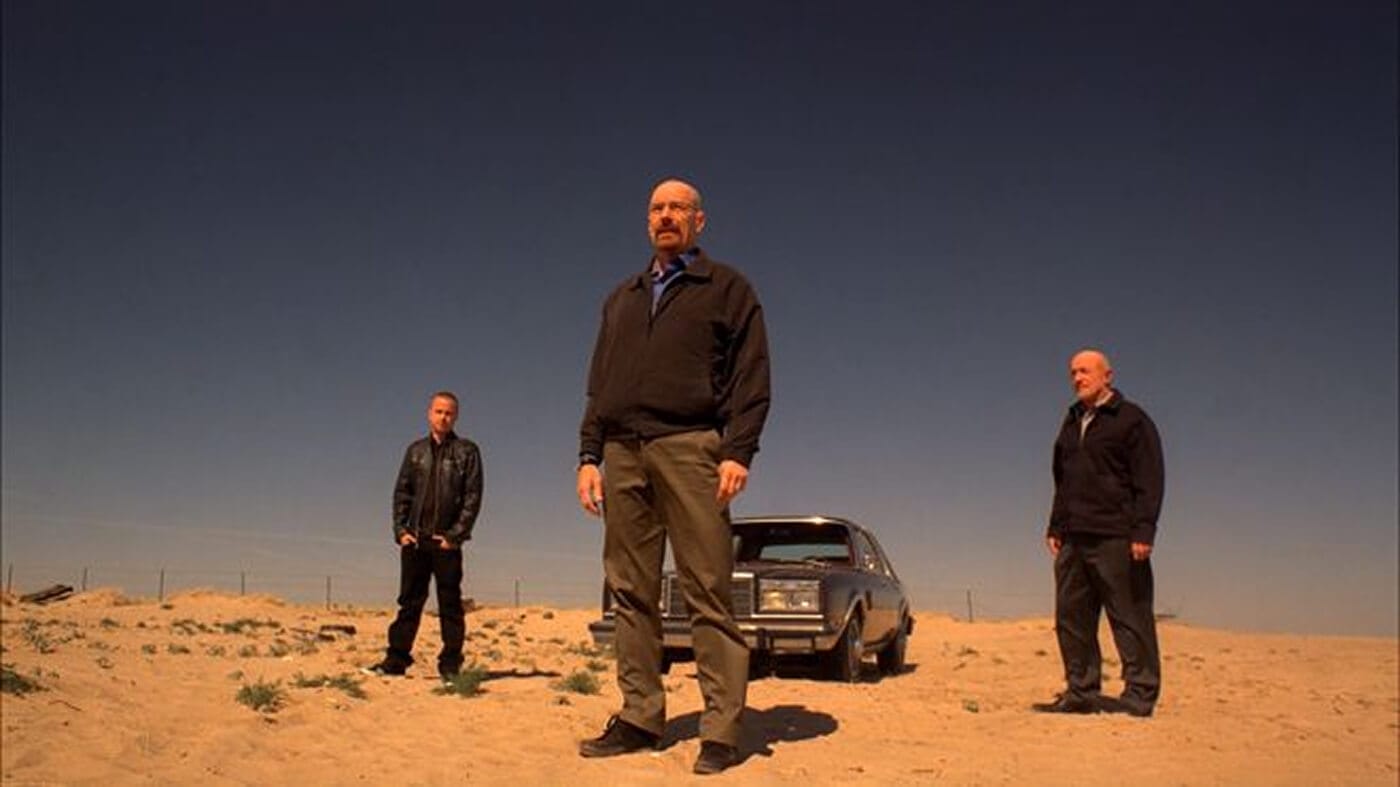
Breaking Bad
His fatal flaw - pride and ambition - leads to his downfall, leaving a trail of chaos and destruction in his wake. The series showcases the struggle between good and evil within a single character, a classic element found in Shakespearean tragedies.
The Dark Knight
Christopher Nolan's The Dark Knight also mirrors elements of a Shakespearean tragedy. Harvey Dent, the tragic hero, embodies the Shakespearean concept of a noble character with a significant flaw - his idealism.
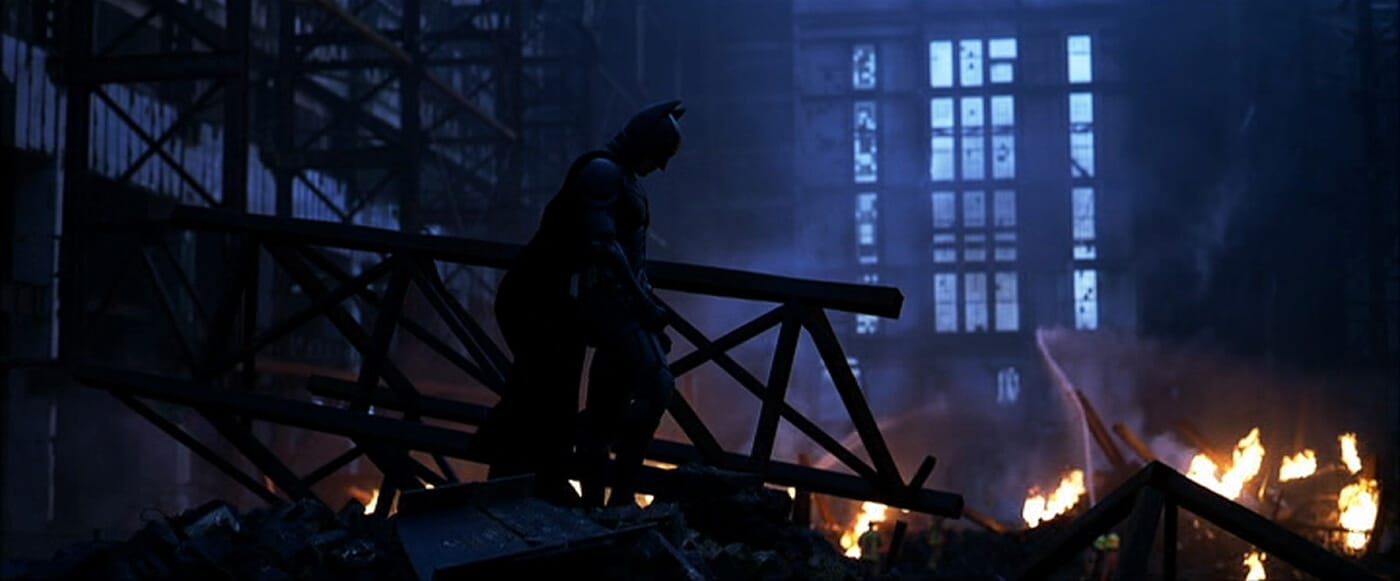
The Dark Knight
This flaw is manipulated by the Joker, leading to Dent's transformation into Two-Face and ultimately, his downfall. The film's dark tone and exploration of moral complexities align it closely with the themes of a Shakespearean tragedy.
Requiem for a Dream
Requiem for a Dream is another modern example of a Shakespearean tragedy. The characters all harbor dreams and aspirations but are led astray by their addictions and their tragic flaws.
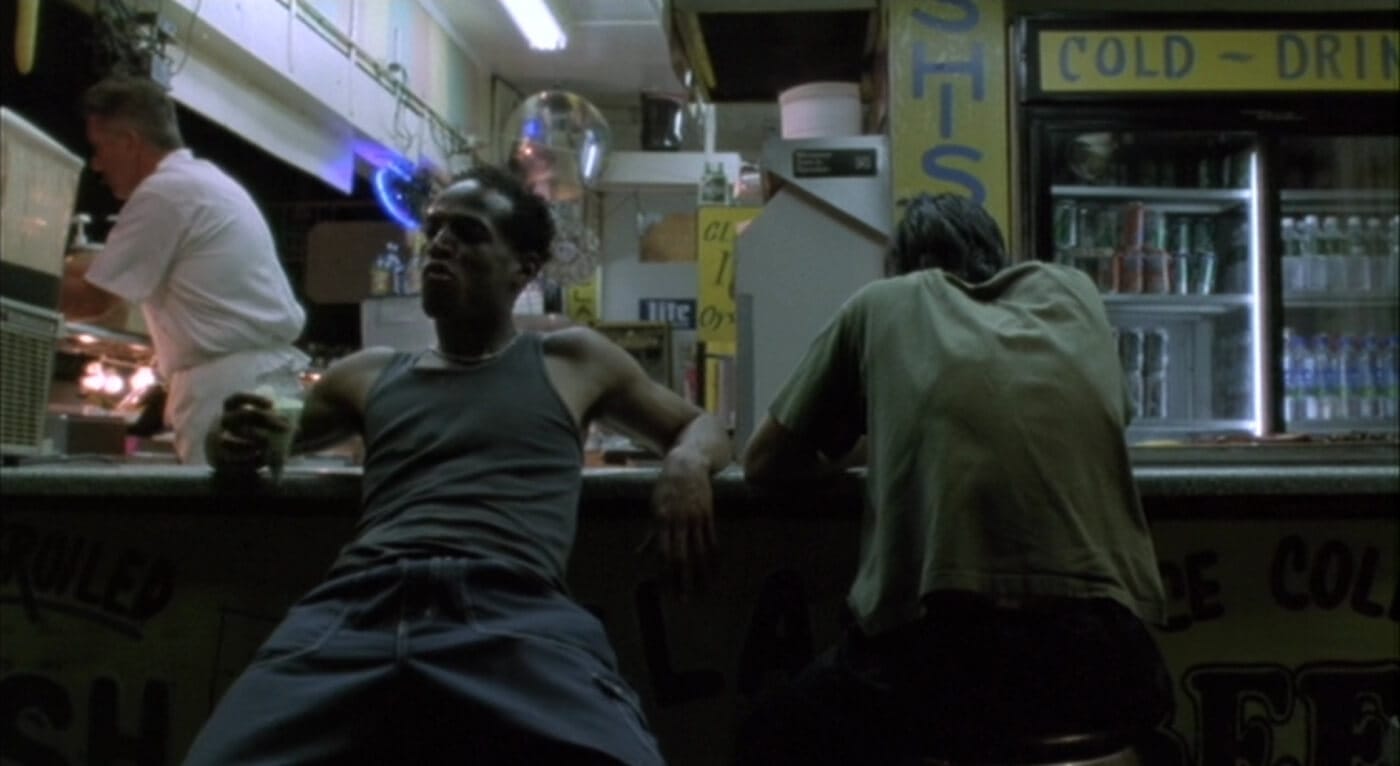
Requiem for a Dream
Like Othello or Hamlet, their lives spiral out of control, culminating in a devastating ending that serves as a stark reminder of the consequences of human frailty and obsession.
Shakespearean tragedies have a remarkable ability to captivate and inspire audiences even centuries after they were written. With their universal themes, intricate characters, and gripping plot twists, these works of art have endured and continue to be studied and adapted in various forms today.
Up Next
What is a Tragic Hero?
Now that we've covered the basics of Shakespearean tragedies, let's take a closer look at one of their key elements - the "Tragic Hero."