
Apophasis was born from the realms of Greek rhetoric and continues to find application in modern communication. It’s place in debate, literature, and everyday conversation is timeless because of its balance of wit and function. Let’s look deeper into this interesting rhetorical device.
What is Apophasis in Rhetoric?
First, let’s define apophasis
Now, to unravel this captivating concept, let's begin with the definition of apophasis.
APOPHASIS DEFINITION
What is apophasis in rhetoric?
Apophasis, derived from the Greek word 'apophenia', meaning 'to deny', is a fascinating rhetorical device. It involves the speaker or writer intentionally bringing up a subject by either denying it or denying that it should be brought up.
This clever technique adds an intriguing layer of irony, as the very act of using apophasis ensures that the subject is highlighted, despite the initial denial or avoidance.
By employing this rhetorical device, speakers and writers can skillfully draw attention to the very thing they claim to ignore, creating a thought-provoking effect on their audience.
What is Apophasis Used For?
- Drawing Attention
- Maintaining Modesty
- Indirect Delivery
What is Apophasis Used For?
Function of Apophasis
Apophasis, also known as paralipsis, serves several significant functions in communication. Let's explore each function in detail:
Drawing Attention
The primary purpose of apophasis is to bring focus to a specific subject. By pretending to avoid it, this rhetorical device actually highlights the subject, capturing the audience's attention.
Maintaining Modesty
Apophasis allows speakers or writers to maintain a sense of modesty or decorum while discussing a subject. By seemingly avoiding it, they create an appearance of humility or discretion.
Indirect Delivery
One of the key advantages of apophasis is its ability to deliver a message indirectly. It provides a platform for conveying ideas or thoughts without explicitly stating them, often used to make controversial claims or subtly implant thoughts in the audience's mind.
With these functions, apophasis becomes a powerful tool for effective communication, engaging the audience while maintaining a sense of tact and intrigue.
Related Posts
Apophasis Meaning
Characteristics of Apophasis
Apophasis, a rhetorical device, is characterized by its intriguing contradiction - the more a subject is denied, the more it is emphasized. This unique characteristic of apophasis adds a layer of depth and complexity to any discourse. Let's explore the multifaceted nature of this rhetorical device, diving into its key characteristics:
Subtlety
Apophasis operates on the principle of subtlety, skillfully dancing around the subject at hand while simultaneously drawing attention to it. By discussing a topic under the guise of avoidance, apophasis adds an element of intrigue and mystery to the conversation.
Emphasis through Denial
The very act of denying or negating a subject in apophasis serves to emphasize it. This paradoxical nature of apophasis captures the audience's attention and highlights the significance of the topic in question.
Versatility
Apophasis finds its place in various forms of communication, including political discourse, poetry, prose, and everyday conversations. Its versatility allows speakers and writers to employ this rhetorical device across different contexts, enriching the overall impact of their message.
In summary, apophasis is a powerful rhetorical tool that employs contradiction, subtlety, emphasis through denial, and versatility to captivate audiences and convey messages with depth and nuance.
Apophasis Examples in Various Mediums
Examples of Apophasis
Famous instances of apophasis can be found in various realms, such as literature, history, politics, speeches, and films. Let's explore a few examples:
Literature
In Shakespeare’s Julius Caesar, during the funeral oration scene, Mark Antony skillfully employs rhetoric to manipulate the crowd's perception of Brutus.
With calculated subtlety, Antony repeatedly declares, "But Brutus is an honorable man," while subtly implying the contradictory truth beneath the surface. This clever use of irony adds depth to the narrative, showcasing Antony's cunning and his ability to sway public opinion.
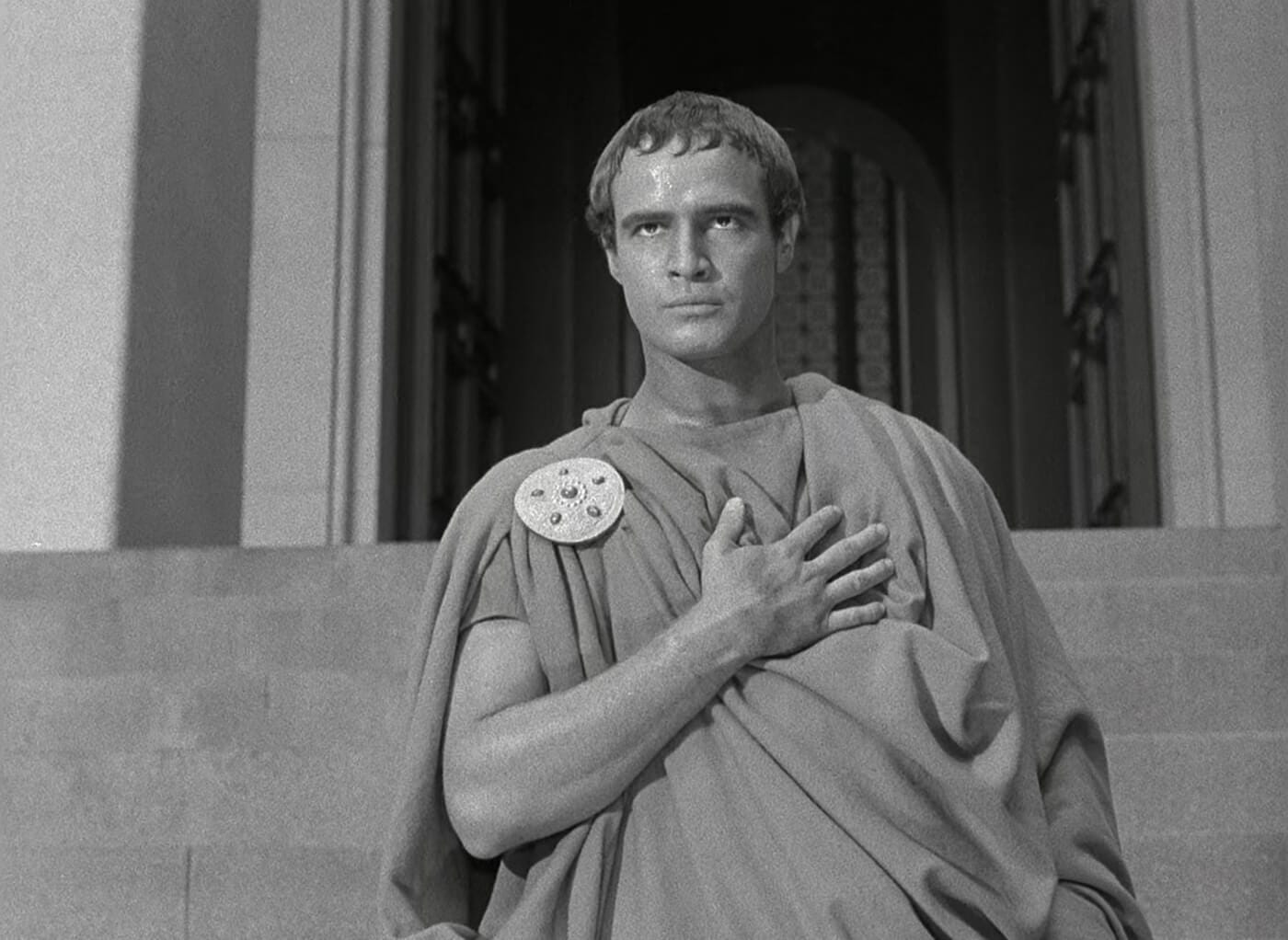
Apophasis Example in Julius Caesar
Politics
In political speeches, apophasis has been a powerful tool to indirectly criticize opponents. For instance, a politician might say, "I won’t even mention the scandal my opponent was involved in last year," effectively bringing attention to the scandal without explicitly stating it.
Throughout history, political leaders have employed apophasis to attack opponents while seemingly maintaining a moral high ground. Apophasis has been observed in several famous speeches, such as Obama’s speech at the 2004 Democratic National Convention. Here, he declared that "no one is listening to my critics," effectively drawing attention to his opponents.
History
Orators have skillfully utilized apophasis to deliver impactful speeches. For example, Winston Churchill famously declared, "I will not pretend that if I had to choose between Communism and Nazism, I would choose Communism."
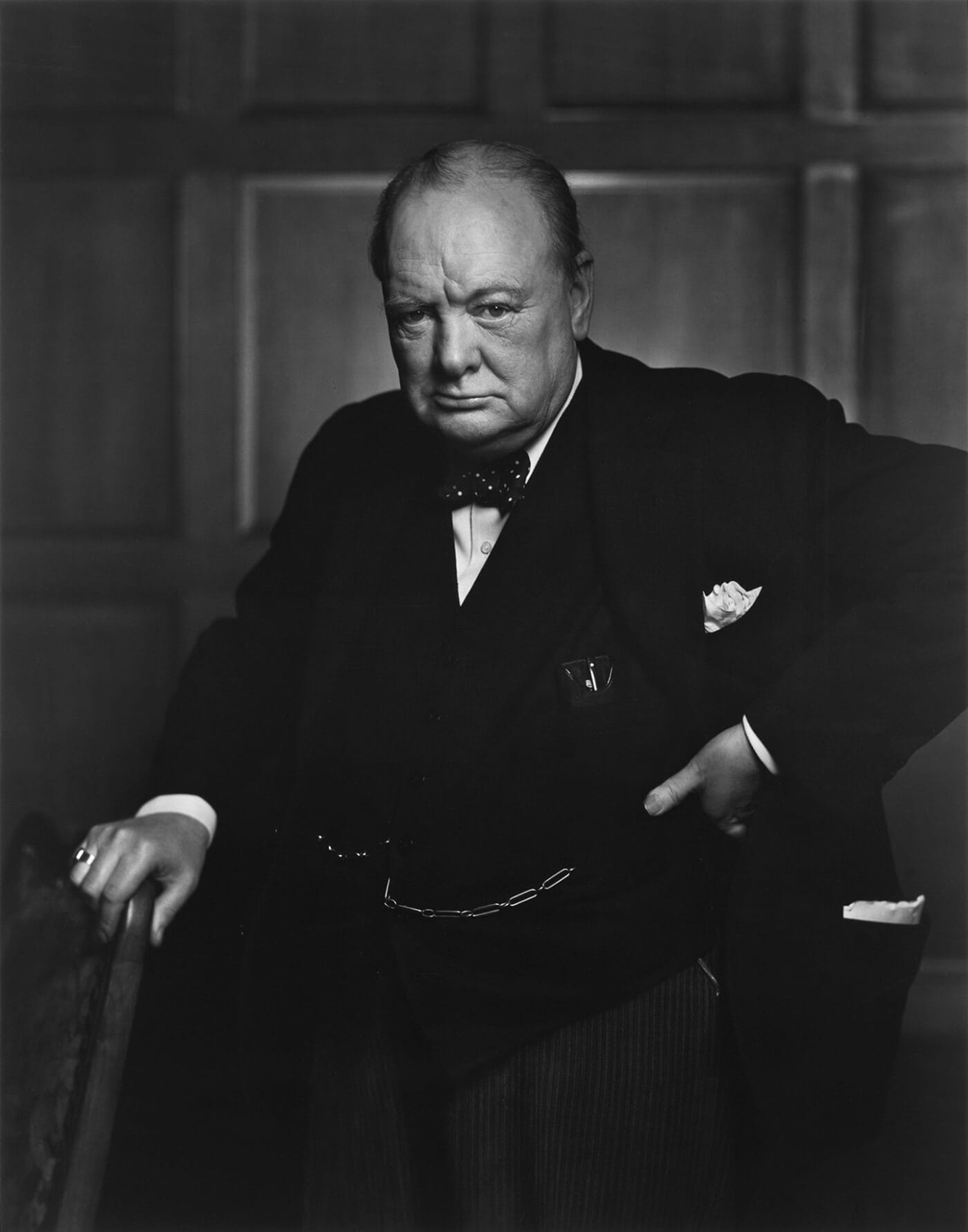
Winston Churchill used a lot of Apophasis in his speech
With these examples, it becomes clear that this rhetorical device is a tool of remarkable subtlety, often used to discuss or highlight something by specifically stating it won't be mentioned. Whether it's in the persuasive speeches of politicians or the evocative verses of renowned poets, apophasis shows how creativity and wit have an inherent place in effective communication.
Up Next
What Are Rhetorical Devices?
Now that we have a thorough understanding of apophasis as a rhetorical device, let's continue our exploration by diving into the broader world of rhetorical devices in the following article, "What are Rhetorical Devices?"