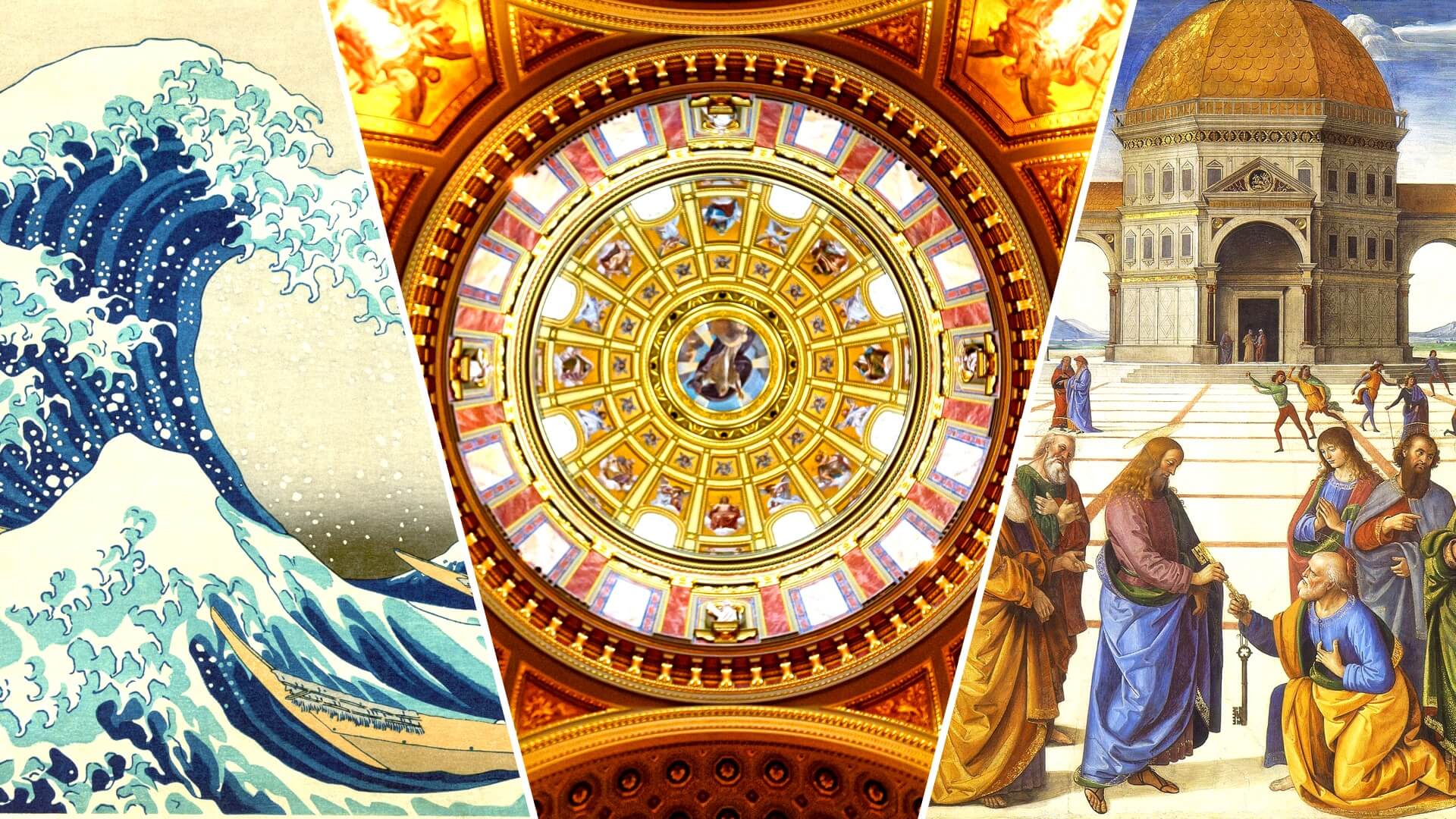
The term ‘pleasing to the eye’ is used in almost all visual mediums. Architecture, paintings, sculptures, and photography can all strike a chord almost immediately upon seeing them when the artist has a solid understanding of balance. Balance in art can often be the most influential factor in our first impression of a piece, making it incredibly valuable to an artist.
What is Balance in Art and Design?
First, let’s define balance in art
Understanding how balance is achieved and what effect it has on a viewer can help you create harmonious compositions in art, but also non-harmonious compositions for intentional effect.
BALANCE DEFINITION IN ART
What is balance in art and design?
Balance in art involves distributing the visual weight of objects, colors, textures, and spaces. Imagine the design as a scale; these elements must be balanced to achieve stability. There are three main types of balance in art: symmetrical, asymmetrical, and radial. Each type plays an important role in creating a visually appealing composition or for a specific effect intended by an artist.
Types of Balance in Art:
- Symmetrical
- Asymmetrical
- Radial
Examples of Balance in Art
Types of Balance in Art
As we mentioned, there are three main types of balance in art: symmetrical, asymmetrical, and radial. These balance types can be applied to every visual art medium and each has an impact on composition.
Symmetrical Balance
Symmetrical balance occurs when elements used on one side of the design are the same or similar to those on the other side. This type of balance can create a sense of formality and order. For example, in classical architecture, buildings often feature symmetrical designs with equal numbers of columns on either side of an entryway. Likewise, many traditional portraits and landscapes employ symmetrical balance to achieve a sense of stability and harmony.
A filmmaker known for his stylistic use of symmetrical balance is Wes Anderson. His iconic symmetrical compositions have become synonymous with his work and style.

Wes Anderson Symmetry & Editing Techniques • Subscribe here
Asymmetrical Balance
Asymmetrical balance is achieved when the two sides of a composition are different yet still appear visually balanced. This type of balance often appears more dynamic and interesting than symmetrical balance, giving a composition a sense of energy and movement rather than stillness. Artists create asymmetrical balance by varying the size, color, shape, or placement of elements within the composition.
The appeal of asymmetrical balance shines in one of the most recognizable pieces of art in history — Vincent van Gogh's Starry Night.
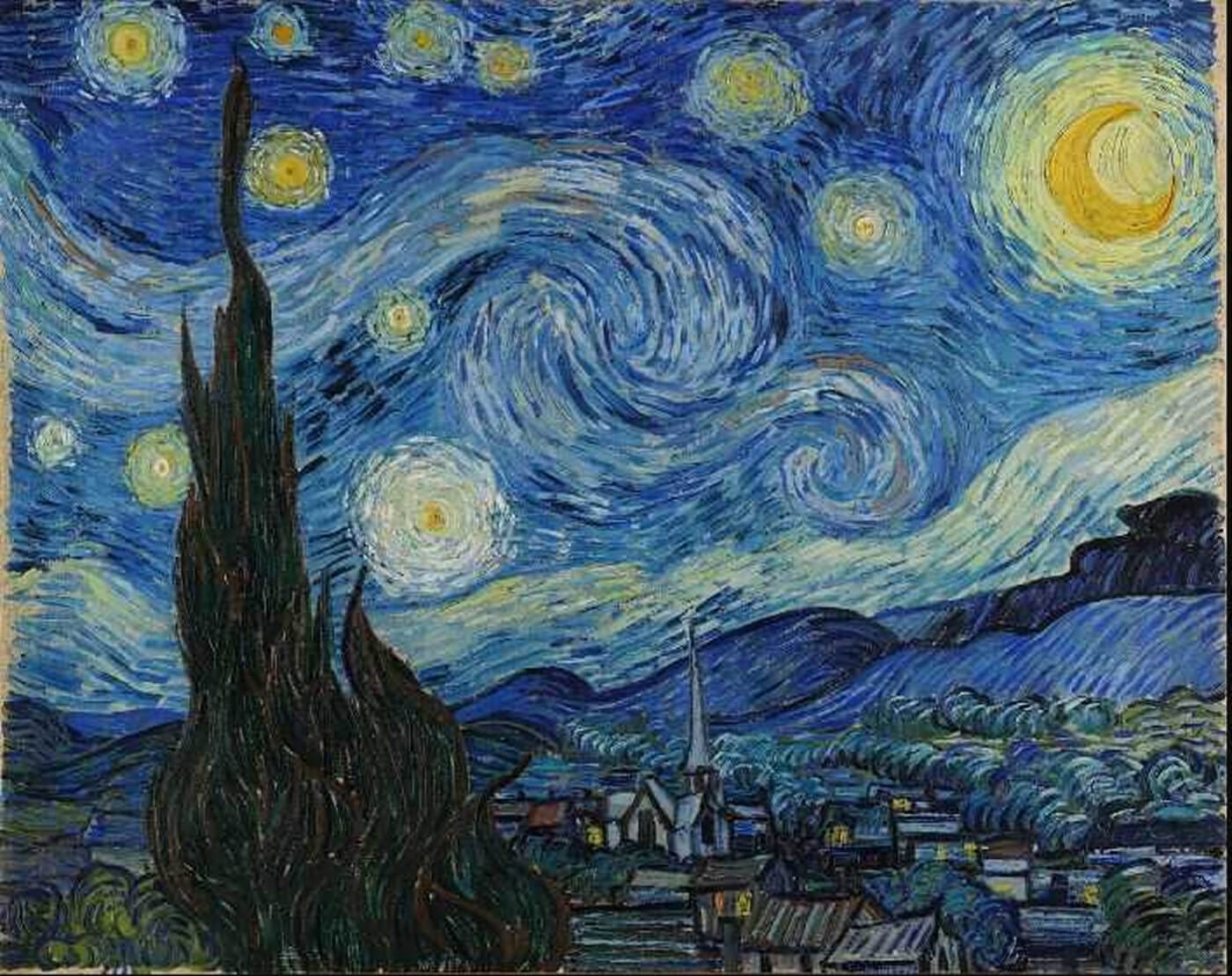
Starry Night (1889) by Vincent van Gogh
The mountain holds tremendous weight on the left side of the painting while the moon offsets it on the upper right-hand corner. There is a sense of movement in the sky achieved not only through van Gogh's short, directional brush strokes but also by how he distributes elements in an asymmetrical balance.
Radial Balance
Lastly, radial balance is a type of balance in art where elements are arranged around a central point, radiating outward in a circular pattern. This type of balance is often seen in nature, such as in the petals of a flower or long exposure photography of a night sky.
In art and design, radial balance can be used to draw the viewer's eye towards the center of the composition, creating a focal point. Famed architect Frank Lloyd Wright was known for incorporating radial balance in his designs, often featuring circular elements and patterns.
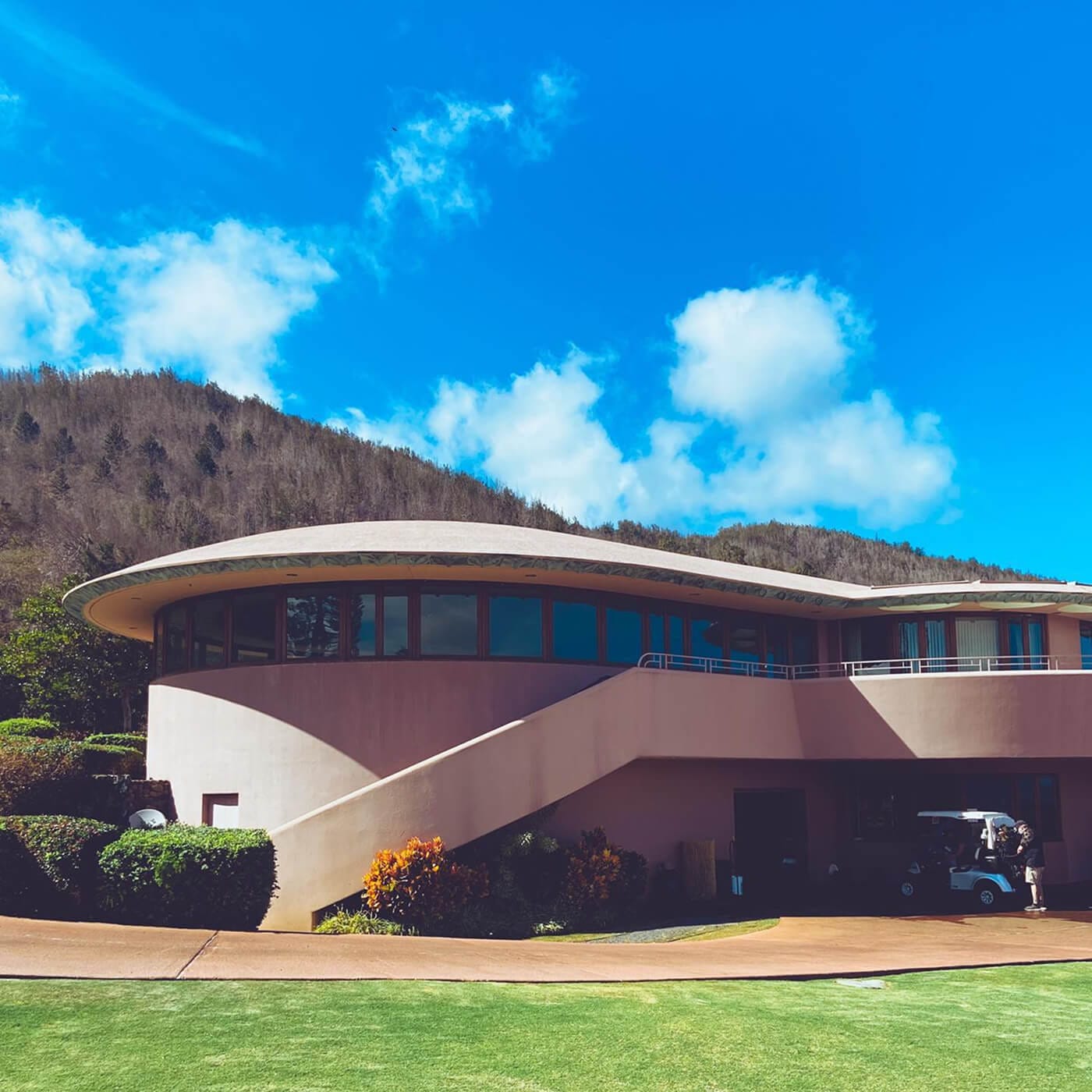
Architectural Design by Frank Lloyd Wright
Although we covered some incredible uses of balance in art, you may not be able to pinpoint exactly why it's important. Sure, it has an impact on how we feel about a design or piece of artwork, but why?
Related Posts
Balance Examples in Art
Why Balance Matters in Art
Visual harmony is the main appeal of balance in art (which we will dive into), but balance can also strike an emotional chord. Balance and the lack of balance are constantly used to move a viewer in an intended emotional direction.
Stability and Structure
One of the primary reasons balance is important in art is that it provides stability and structure to a composition. A well-balanced design feels stable, giving the viewer a sense of comfort and satisfaction — everything is orderly and structured as it should be.
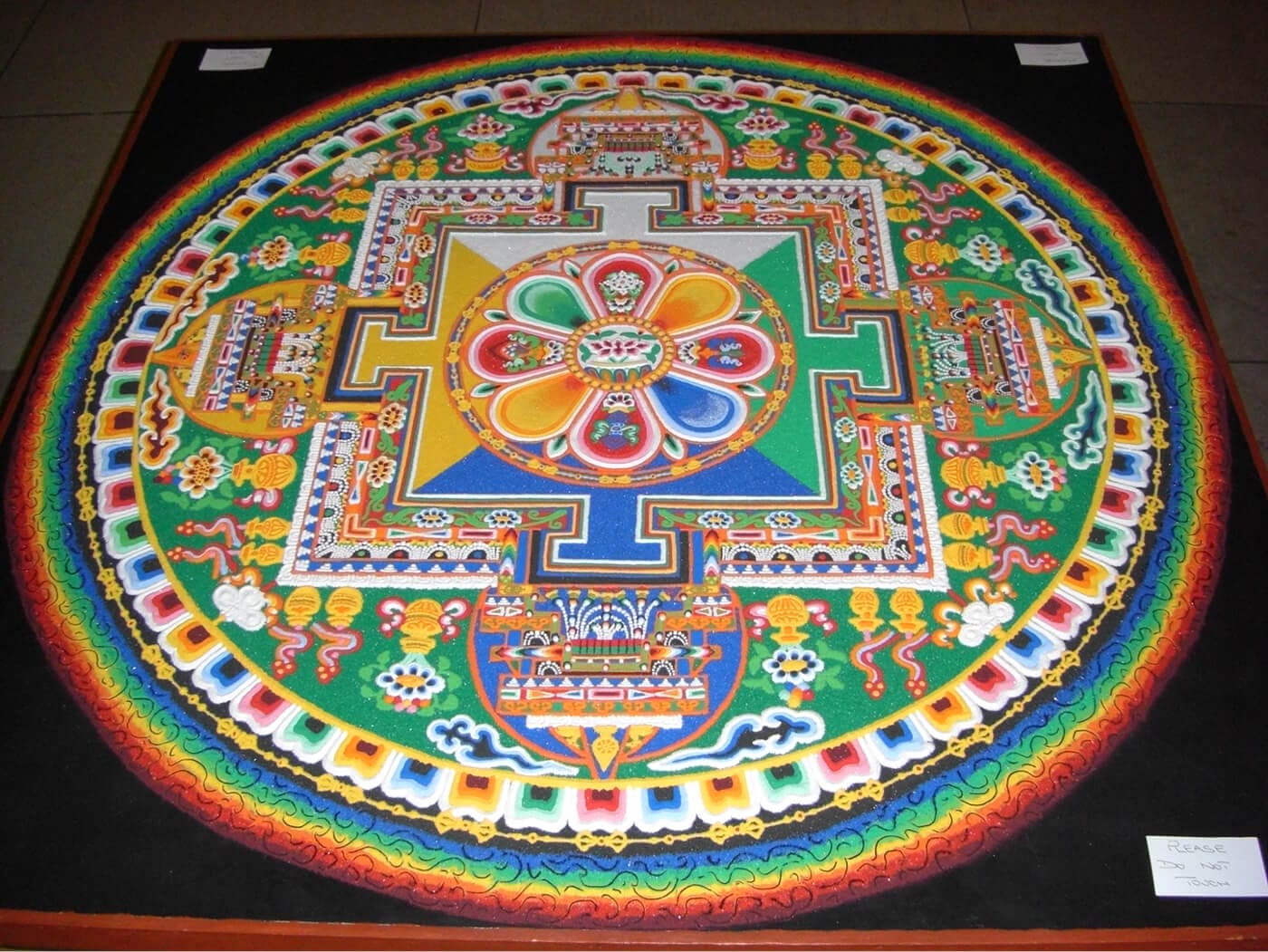
A sand mandala
When elements are evenly distributed, the artwork appears cohesive and thoughtfully planned. The opposite of this can also be true. A design or artwork without balance can appear chaotic and unstable, which is an effect that can be used by an artist.
Visual Harmony and Direction
Balance contributes to visual harmony, making a composition pleasing to the eye. By thoughtfully arranging elements, artists can guide viewers through the artwork in a deliberate manner. This visual flow ensures that the viewer's attention is drawn to key areas of the piece, enhancing the overall experience.
Think about asymmetrical balance again in The Great Wave off Kanagawa by Japanese artist Hokusai. Where does your eye naturally begin looking and where does it move?
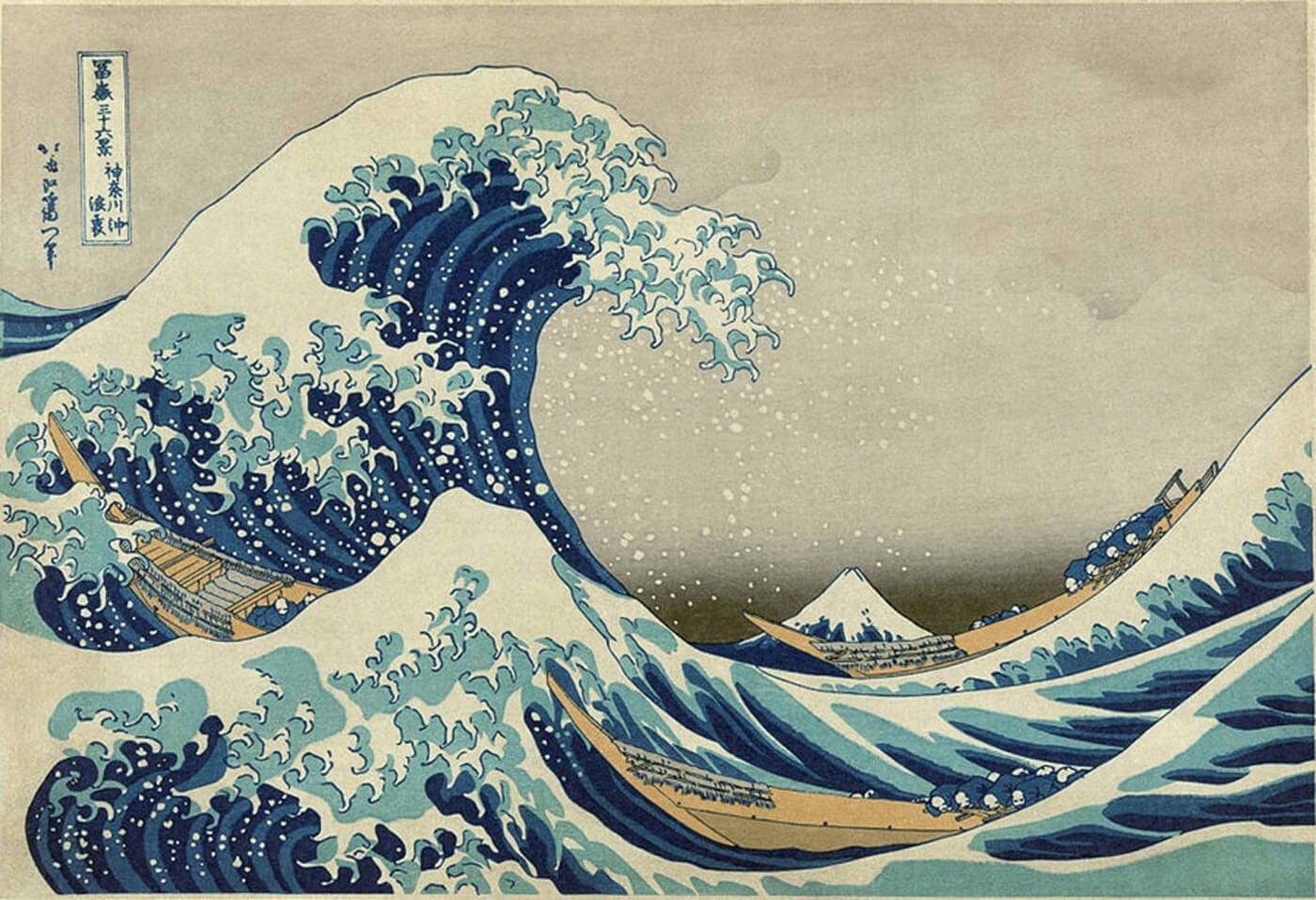
The Great Wave off Kanagawa by Hokusai
Emotional Impact
How an artist balances or does not balance elements in art can significantly influence the emotional relationship a viewer has with the piece. Beyond a sense of structure and stability as we mentioned earlier, balanced compositions can create feelings of peace and calm.
This can be found in many spiritual artworks like mandalas, where radial balance is used to create a sense of unity and harmony. On the other hand, unbalanced compositions can intentionally create feelings of tension, chaos, and unease. Cubist artworks like Pablo Picasso's Guernica uses asymmetrical balance to depict the chaotic aftermath of war.
Art in all its forms and mediums is an expression manifested by an artist. As a means of communicating this expression, there are endless elements, techniques, and aspects of craft that artists have to express what they aim to express.
Balance holds an incredible place among these many tools. It's often what hits us first as soon as we first catch a glimpse of a painting, photograph, sculpture, or building. Before we can dive into the details of shapes and color and content, we cannot help but feel impacted by the overall balance of a piece at first sight.
Up Next
What is Positive and Negative Space?
Balance is achieved by how artists arrange elements within their design. These arrangements are decided by elements taking or not taking up space in a composition, otherwise known as positive and negative space. Learn more about this concept in our next article.
Up Next: What is Positive and Negative Space? →

Share your vision with elegant shot lists and storyboards.
Create robust and customizable shot lists. Upload images to make storyboards and slideshows.