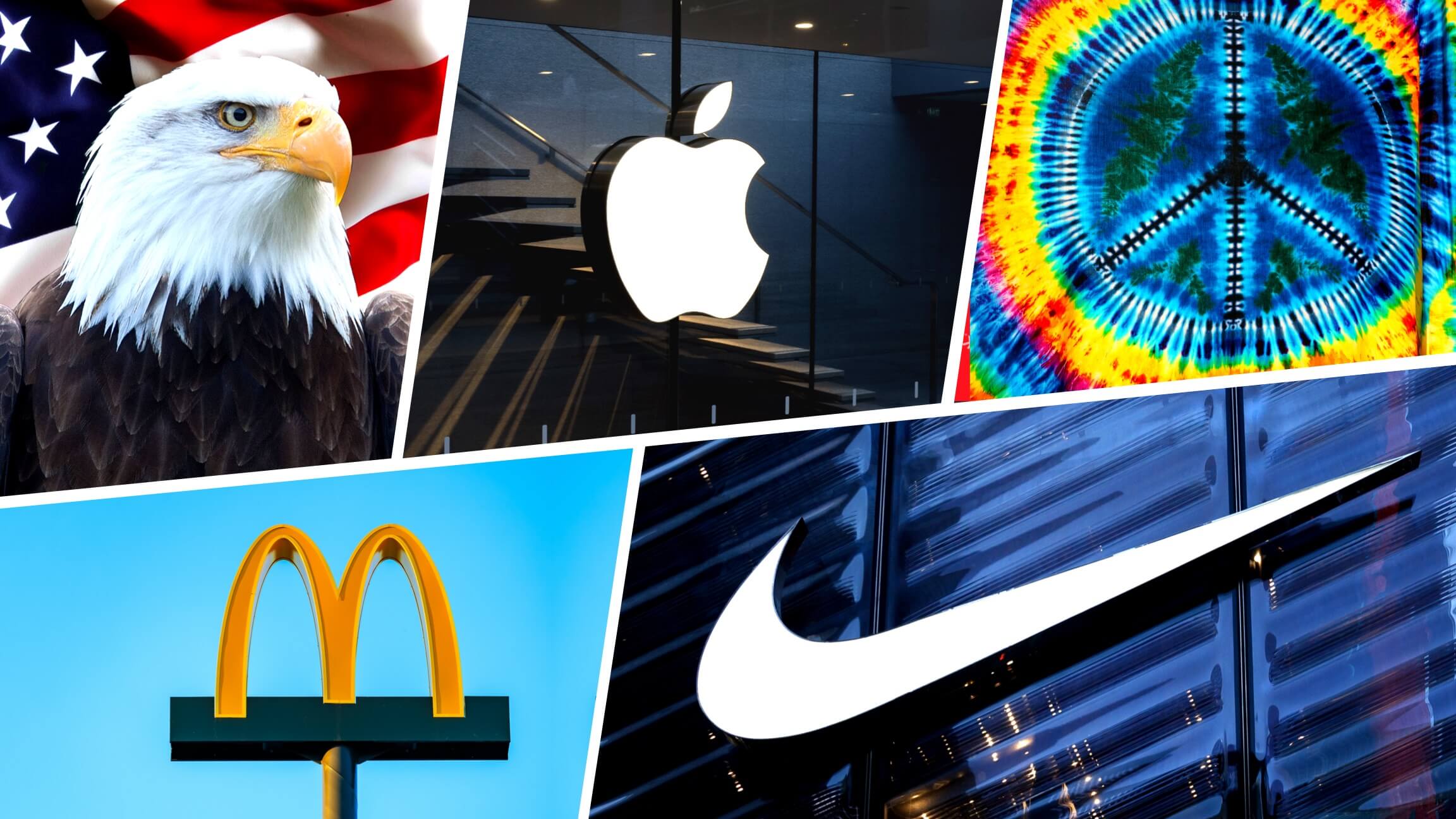
Derived from the Greek words “eikon,” meaning image, and “graphein,” meaning to write, iconography acts as a bridge connecting visual imagery and design with meaning.
The roots, significance, and types of iconography across cultures form a dense and complex subject, yet the topic itself is important for understanding the role of imagery and design in history and culture. We’ll attempt to scratch the surface, hoping to provide you with an entry point into the world of iconography.
What is Iconography in Art?
First, let’s define iconography
Without iconography, our means of communication would be limited to words and speech. Imagine trying to explain a concept or idea without the use of images, symbols, or icons across different languages. Before we dive further into the significance of iconography, let's look at its definition.
ICONOGRAPHY DEFINITION
What is iconography?
Iconography is the study and interpretation of visual imagery, symbols, and representations within a specific cultural or religious context. This includes not only analyzing the meaning behind images but also understanding their significance and purpose in how they convey specific ideas and beliefs.
The term "iconography" is often used interchangeably with "iconology," which refers to the broader study of symbols and their meanings. However, iconography specifically focuses on visual elements, while iconology encompasses all forms of symbolism, including written texts.
Examples of Iconography:
- Religious Symbols: The Cross in Christianity, the Star of David in Judaism, the Om symbol in Hinduism, and the Crescent Moon in Islam.
- National & Cultural Emblems: The bald eagle in the United States, the maple leaf in Canada, and the dragon in China.
- Company Logos: The Apple logo, the Nike swoosh, and the McDonald's golden arches.
Iconography Meaning and Origins
The History of Iconography
Iconography has a long and deep history, dating back to ancient civilizations such as the Egyptians, Greeks, and Romans. These societies used symbols and images in their artworks to portray and communicate religious beliefs, cultural values, and historical events. The fact that much of this iconography has stood the test of time, linking the past and present, demonstrates the power of iconography as a timeless means of communication.
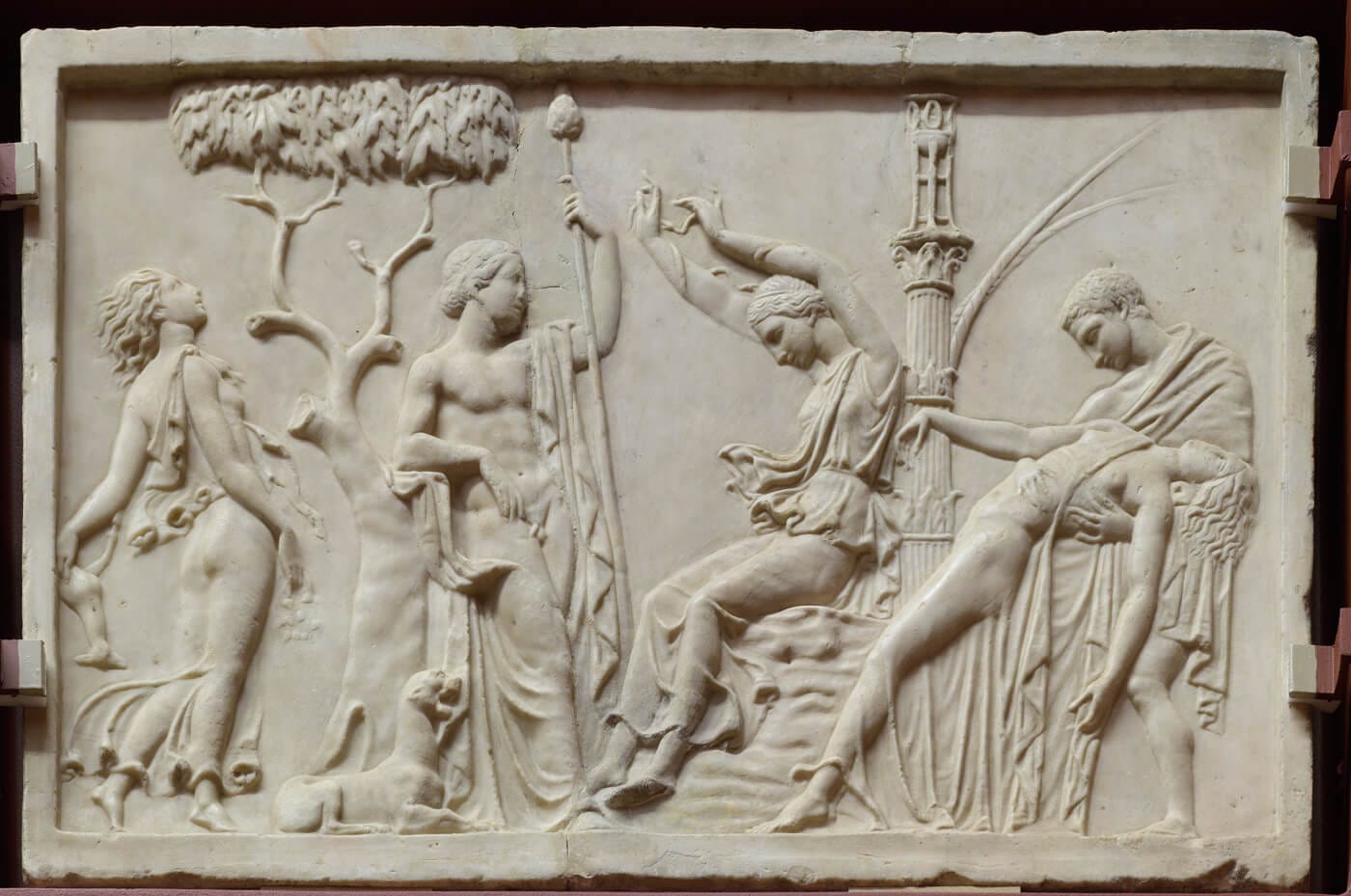
Ancient Roman Iconography
In the Middle Ages, iconography gained significant importance in Christian art. The use of images and symbols became common practice in illuminated manuscripts, paintings, sculptures, and architecture. Each image or symbol was used intentionally, chosen to represent specific concepts related to Christianity.
With the rise of modern art movements in the 19th and 20th centuries, iconography evolved into a tool for political statements, movements, and social commentary. Artists began using imagery to challenge traditional beliefs and societal norms, creating new interpretations of symbolism and their meanings.

Peace Symbol
As technology has progressed, so too has iconography. Our digital world has created new forms of visual representation, from emojis and logos to memes and graphic design — all of which have become daily means of communicating.
What is Iconography in Art Used For?
Types of Iconography
The function of iconography has found its way into different facets of society. Some of the most common things we interact with daily have elements of iconography, such as road signs, company logos, and emojis.
There are also specific types of iconography that serve distinct purposes. Let's look at some that have been notably relevant in history and society.
Functional Iconography
This type of iconography serves a practical purpose, such as street signs and symbols in public spaces. These icons are meant to be easily recognizable and convey information quickly.

Street signs
Religious Iconography
As mentioned earlier, religious iconography uses images and symbols to convey spiritual beliefs and ideas. This can be seen in the use of icons in Christian art or mandalas in Buddhism.
Cultural Iconography
Cultural iconography refers to the use of images and symbols specific to a particular culture or society. The Maple Leaf in Canada or the Rainbow Flag for the LGBTQ+ community are both examples of iconography representative of a specific culture.

Rainbow Flag
Political Iconography
Political iconography uses images and symbols to convey political messages, movements, or ideologies. This can be seen in the icons of political parties or campaigns.
Where Iconography is Headed
The Future of Iconography
In today's digital age, iconography has taken on a new form with the rise of technology and social media. Emojis have become a universal language, and icons are used to represent various functions in apps and digital interfaces.
As society continues to evolve, so does the use of iconography. Technology is connecting every corner of the world more frequently than ever before. Consequently, the importance of iconography in general communication has grown tremendously. As we embrace technology, it is clear that iconography will maintain a significant role in how we visually communicate and understand the world around us.
Impact of Iconography
Significance in Art and Culture
Iconography plays a vital role in conveying complex ideas visually, preserving cultural heritage by passing down traditions, beliefs, and values through generations, and establishing identity in personal or cultural contexts by representing specific characteristics or affiliations.
Its impact on art and culture is directly linked to its ability to express complex ideas and beliefs through visual imagery. To many, iconography is seen as a universal language, transcending cultural and linguistic barriers. The power in this lies not only in its ability to communicate but also in its potential personal connection across all walks of life.
Up Next
Types of Symbolism
Iconography can be directly linked to symbolism in many cultures and religions. In our next post, we dive deeper into symbolism and the different types that exist throughout cultures.
Up Next: Types of Symbolism →

Share your vision with elegant shot lists and storyboards.
Create robust and customizable shot lists. Upload images to make storyboards and slideshows.