The film industry, also known as the motion picture industry, encompasses the technological and commercial institutions involved in the filmmaking process. The film industry is a global powerhouse, significantly contributing to a country’s economy and shaping societal and cultural values.
In this article, we will discuss the different components that make up the film industry and how they work together to produce films that entertain, inform, and inspire audiences worldwide.
What is the Film Industry Defined By?
First, let’s define film industry
The film industry can be defined as a myriad of operations and organizations that are involved in the creation and distribution of motion pictures. To gain a deeper understanding of the film industry, we must first define it in its entirety.
FILM INDUSTRY DEFINITION
What is the film industry?
The film industry refers to the collective of businesses and creative entities that are involved in the production, distribution, and exhibition of films. This includes individual filmmakers, production companies, studios, and corporations that finance, produce, market, and distribute films worldwide.
In addition, it also encompasses the creative and technical personnel, including directors, producers, actors, writers, cinematographers, and editors, among others, who bring stories to life through the medium of film.
Furthermore, the film industry also includes film festivals and awards ceremonies that recognize and celebrate excellence in various aspects of filmmaking. This industry is a significant cultural and economic force, providing entertainment, employment, and contributing to the global economy.
Components of the Film Industry:
- Film Production
- Distribution
- Exhibition
History of the Hollywood Industry
Origins of the Film Industry
The film industry has a rich and fascinating history that dates back to the late 19th century. With the invention of 'motion pictures,' a new era of entertainment was born. Let's take a closer look at the key points that shaped the film industry from its inception to the present day.
The film industry traces its origins to the late 19th century when 'motion pictures' were invented. This groundbreaking invention paved the way for the first public film screening by the Lumière brothers in Paris in 1895. It marked the beginning of commercial cinema and set the stage for the future of the industry.
The first movie ever made in history 1896 by "The Lumière brothers"
After the initial motion picture premiered, the film industry quickly gained momentum, and by the early 1900s, several studios had been established in Europe and the United States. These studios produced short films that were shown in cinemas or theaters.
Biggest Film Industry in the World
Rise of Hollywood
In the early 20th century, Hollywood emerged as the epicenter of the American film industry. Renowned for its glitz and glamour, Hollywood became synonymous with the world of movies. It attracted talented filmmakers, actors, and actresses, who flocked to the city of dreams to pursue their passion for cinema.
The Golden Age of Hollywood
The 1930s to the 1950s is widely regarded as the Golden Age of Hollywood. This period witnessed the release of some of the most iconic films in history. Classics like Gone with the Wind, Casablanca, and The Wizard of Oz were produced during this time, capturing the hearts of audiences worldwide.
The Golden Age of Hollywood: Crash Course Film History
The Rise of Independent Cinema
In the 1960s and 1970s, independent cinema gained momentum with the emergence of new talent and fresh ideas. Independent filmmakers challenged traditional Hollywood studio system conventions and brought a new wave of creativity to the industry eventually known as New Hollywood. This period also saw the rise of film festivals like Cannes, Sundance, and Toronto, providing a platform for indie films to showcase their work.
How Big is the Film Industry Internationally?
The Film Industry Internationally
Hollywood has long been a powerhouse in the film industry, but it's important to remember that cinema is a global phenomenon. Film industries across the world have their own unique characteristics and contributions. Let's take a closer look at the international film landscape and explore what each region brings to the table.
Film Movements in Europe
Europe has a long and rich history in the film industry, with countries like France, Germany, and Italy being major players. From the French New Wave to German Expressionism to Italian Neorealism, European cinema has produced some of the most influential movements and filmmakers that have shaped the landscape of world cinema.
How the French New Wave Changed Cinema
Bollywood: The Indian Film Industry
Bollywood, based in Mumbai, India, is one of the largest film industries globally. Known for its musical sequences, melodrama, lavish sets, and colorful costumes, Bollywood movies have a significant cultural impact, reaching audiences beyond India's borders. Iconic films like Sholay, Mughal-e-Azam, and more recently, RRR have showcased the diversity and dynamism of Bollywood cinema.
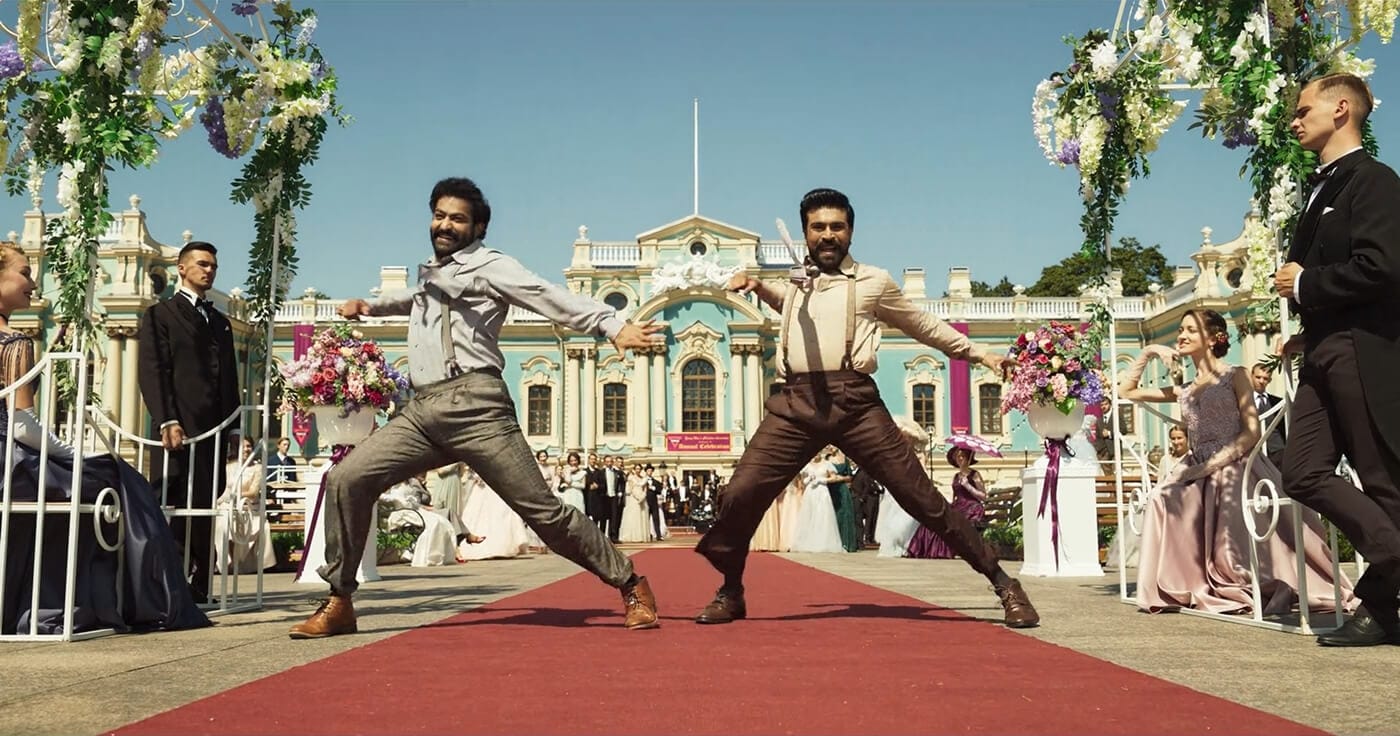
RRR (2022)
The Rising Popularity of Korean Film and Television
The Korean film and television industry, also known as Hallyu or the Korean Wave, has gained immense popularity globally. With compelling storylines, high production quality, and relatable themes, Korean dramas and films have captivated international audiences. Hits like Parasite, Train to Busan, and the TV series Squid Game exemplify the global influence of Korean entertainment.
Hallyu Explained • The reason Korean culture is taking over the world
South American Filmmakers
South American filmmakers have made a significant impact on the global film industry, delivering a unique blend of poignant narratives and visually stunning cinematography.
Directors like Alejandro González Iñárritu, Alfonso Cuarón, and Pablo Larraín have gained international acclaim, shedding light on their homelands' rich cultures and complex histories through their films.

Roma (2018) by Alfonso Cuarón
While Hollywood remains a significant hub, the film industry has long since been a global affair. In Europe, cities like Paris, Berlin, and London have been important filmmaking centers, with an array of international festivals such as Cannes, Berlinale, and Venice Film Festival contributing to the global film culture.
Film Industry Meaning and Significance
Cultural Impact of the Film Industry
The film industry, a kaleidoscope of stories and visions, is a profound and potent cultural force. It has the power to shape perceptions, influence thoughts, and leave an indelible imprint on society. The cultural impact of the film industry is multifaceted, ranging from blockbusters defining the zeitgeist, to art forms eliciting cultural commentary, and more.
Blockbusters and Zeitgeist
Blockbuster films often capture and define the zeitgeist – the spirit of the times. They serve as cultural touchstones, reflecting societal attitudes and trends.
These big-budget spectacles, replete with compelling narratives and stunning visual effects, have a wide reach and often echo the prevailing moods, anxieties, hopes, and dreams of society. Think of the space race reflected in Star Wars, or the questioning of reality in The Matrix, these films not only entertain but also encapsulate the sentiment of an era.
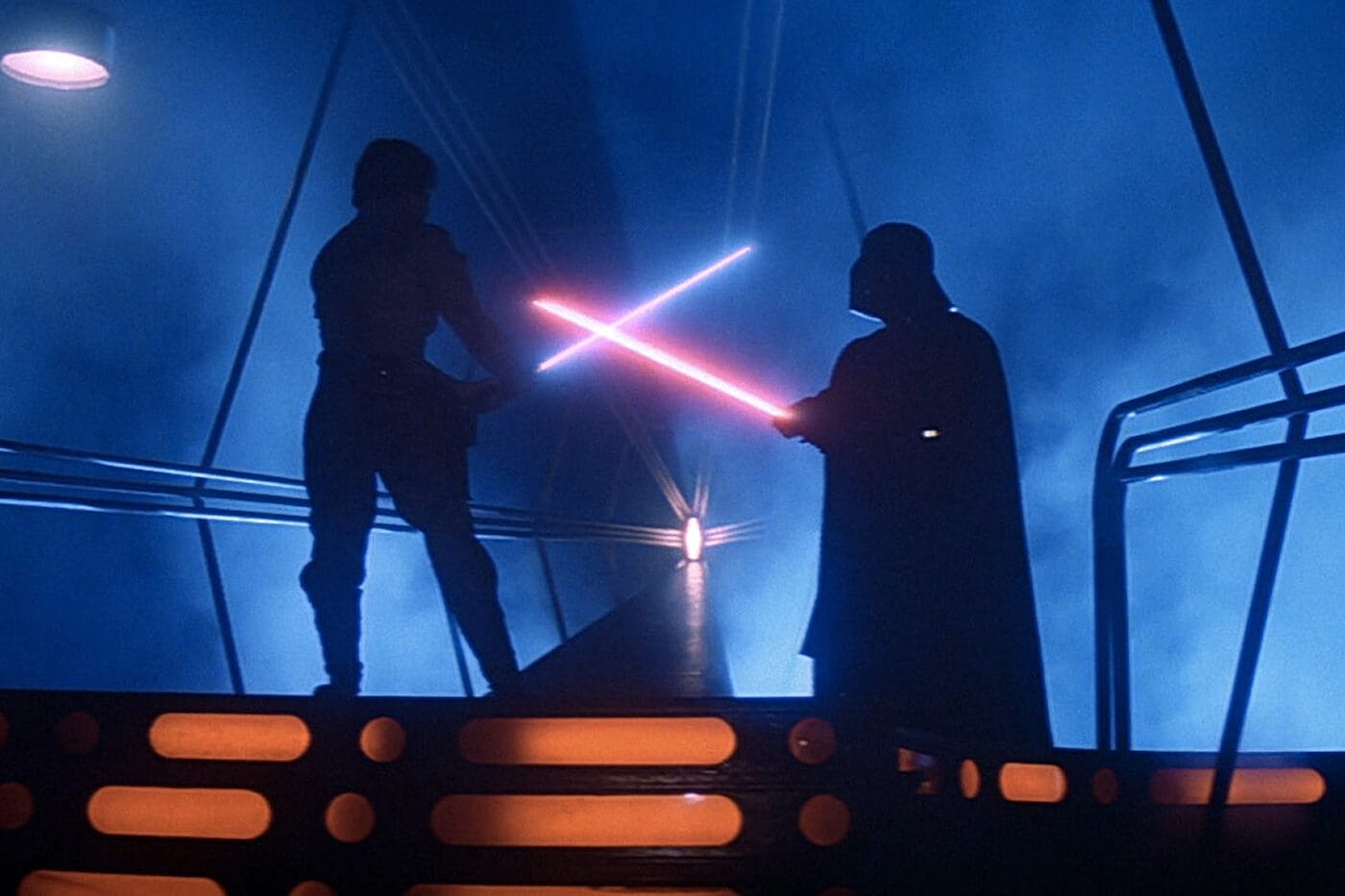
Star Wars (1977)
Cultural Commentary
Films also serve as vehicles for cultural commentary, addressing societal issues and sparking discussions. They can challenge norms, question traditions, or highlight injustices. From films like Parasite, Nomadland, and Get Out, filmmakers use their craft to shed light on important topics and push for change.
These films often become cultural touchstones, sparking conversations that transcend borders and cultures. In this film analysis, we look at how Bong Joon Ho uses genre and tone to masterfully create a story laid with subtle, yet poignant cultural commentary.
Parasite Analysis • Subscribe on YouTube
History and Representation
The film industry also plays a crucial role in preserving history and celebrating diverse cultures. Historical dramas and biopics bring to life significant events, figures, and cultures that have shaped our world. They provide insight into past societies, traditions, and struggles while honoring their contributions.
Films like Schindler’s List and Hidden Figures showcase powerful stories of resilience and triumph, ensuring that they are not forgotten.

Schindler's List (1993)
The film industry is a fascinating and ever-changing world that has a profound influence on society and culture. Despite its challenges, this industry continues to push boundaries, driven by technological advancements and evolving audience preferences.
Looking ahead, we can expect the film industry to captivate audiences with compelling storytelling and cutting-edge technology, carrying on its tradition of innovation.
Related Posts
What is the Film Industry Defined By?
Components of the Film Industry
The film industry is a multifaceted domain comprising three key segments: production, distribution, and exhibition. Each segment plays a crucial role in bringing movies to life and making them accessible to audiences worldwide.
Production
The film production segment encompasses the entire process of creating films, from the initial stages of scriptwriting to the final stages of shooting and editing. It involves a collaborative effort from various professionals such as producers, directors, actors, and a host of technical staff. Together, they bring the vision of the film to reality.
In this video, we break down every phase of the film production process and what each phase entails.
Film Production Explained • Subscribe on YouTube
Distribution
Film distribution is a vital component of the film industry that focuses on marketing and ensuring that films reach their intended audience. This segment involves strategizing and implementing distribution plans through multiple channels like theaters, television, and online platforms.
It aims to maximize the film's exposure and accessibility to viewers across different mediums. In the modern era, distribution is being revolutionized by streaming giants.
Exhibition
Exhibition involves the showcasing and screening of films to audiences in theaters or other platforms where they can be watched. This segment provides a platform for viewers to experience the magic of cinema on the big screen. Film festivals have also proved to be essential to the exposure of independent cinema and possible distribution.

Sundance Film Festival
Theatrical exhibition remains a traditional and popular mode of film viewing, but with the rise of digital platforms, streaming, and online exhibitions have also gained significant prominence.
Each component of the film industry contributes to the overall lifecycle of a movie, ensuring its creation, distribution, and exhibition to captivate and entertain audiences worldwide.
Movie Industry Revenue
Economic Aspects of the Film Industry
The film industry is a major economic driver, generating billions of dollars in revenue globally. Films can have varying budgets, from low-budget independent films to big-budget blockbusters. Box office revenues, along with revenues from home video and TV rights, determine the financial success of a film. However, the industry also faces challenges such as piracy and fluctuating consumer preferences.
Keyword here...
Technology and the Digital Revolution
Technology has revolutionized the film industry, making filmmaking more accessible and cost-effective. The 1990s marked a significant shift in the film industry with the advent of digital technology.
The use of digital cameras, CGI, and other technical advancements revolutionized the way films were made. It opened up new possibilities for storytelling and transformed the landscape of the industry. VFX is experiencing new innovation in the world of not only major studio films, but indie films as well as proved in the incredible Everything Everywhere All At Once.
How Everything Everywhere All at Once Was Shot • Subscribe on YouTube
From black and white silent films to color, sound, special effects, and digital technology, each innovation has transformed filmmaking and storytelling. The constant evolution of technology pushes the boundaries, shaping the future of cinema.
The Future of the Film Industry.
The Current State of the Film Industry
Today, the film industry is a thriving global business, generating billions of dollars in revenue each year. The rise of streaming services and online platforms has made films more accessible to audiences worldwide, providing new avenues for distribution and exposure.
The COVID-19 pandemic brought significant challenges to the industry, with movie theaters closing down and productions being put on hold. However, filmmakers have adapted and found new ways to create and release content, with many turning to streaming platforms as a means of distribution.
Artificial intelligence, virtual reality, and other cutting-edge technologies are also being incorporated into the filmmaking process, paving the way for new possibilities and innovations in storytelling while also presenting major issues and debates concerning copyright, privacy, and ethics.
How AI Took Center Stage In The Hollywood Writers' Strike
Despite the challenges faced by the industry, films continue to be a powerful medium for storytelling and a source of entertainment for audiences worldwide.
As technology continues to advance and evolve, the film industry will undoubtedly continue to grow, adapt, and entertain us with its magic on the silver screen. So, we can say that the film industry is resilient and constantly evolving, cementing its place as an essential part of our culture and society.
Up Next
Highest-Grossing Movies of All Time
In the context of the significant economic impact of the film industry, it's fascinating to delve into the highest grossing movies of all time and understand the factors that contribute to their immense success. Stay tuned as we explore this topic in our next article.
Up Next: Highest-Grossing Movies of All Time →

Share your vision with elegant shot lists and storyboards.
Create robust and customizable shot lists. Upload images to make storyboards and slideshows.