More...
Looking to brainstorm new characters? Perhaps, you want to flesh out existing characters or pair them against another character to maximize drama and develop deeper character arcs. Writing a compelling character is easier said than done. However, it’s helpful to consider tried-and-true character archetypes to ensure every character behaves in a way that is unique, consistent, and believable. In this post, we’ll identify the various character archetypes that you can use to enhance your own characters. Plus, we’ll include plenty of iconic character archetype examples from your favorite movies and TV shows. Lastly, we’ll define which character archetypes can be paired to maximize either harmony…or conflict. Let’s get started.
WHAT IS AN ARCHETYPE?
Archetypes Definition
Character archetypes are great building blocks for your stories.
You don’t want to make your characters too one dimensional, but understanding why people seem to gravitate to a particular set of character traits will help you better analyze human behavior. It's not just the scar that makes Harry Potter likable, it's the archetypical pattern or model he was built around.
Understanding this can lead to crafting better characters in your scripts. But what exactly does archetype mean?
ARCHETYPE DEFINITION
What is an archetype?
An archetype is a consistent and typical version of a particular thing. It can be a human, an object, or a particular set of behaviors, but the point is that it fits into a time-tested mold that embodies a pure form.
A character archetype is the core traits, values, and decision making patterns of a particular type of person.
What does a character archetype do?
- Allows for a variety of different characters
- Solidifies the values for a particular character
- Establishes a unique skill set for the character
Let's dig a bit further into archetypes and make sure we understand how they work in relation to story archetypes.
Different character Archetypes
How do character archetypes work?
It’s important to understand that there is a difference between a story archetype and a character archetype.
You can take classic archetypal characters and place them into a narrative chain of events that plays against the associated story archetype.
A quarterback who needs to get to the playoffs is old hat, but a quarterback who is thrown into a murder investigation and gambling plot is relatively fresh. This is how the director behind The Last Boy Scout handled their archetypical characters.

Story characters archetypes in The Last Boy Scout
In fact, this is one of the best ways to make sure that your story is a bit more fresh and a bit less tired and derivative.
Why do character archetypes exist?
Human beings tend to find their place within a group dynamic based around their strongest personality traits.
You may have a group of friends with similar interests but often one will be the “social butterfly” while another will be the "homebody."
Your friends will begin to identify each other by these consistent traits.
You’ve now defined yourself by a character archetype.
When writing your own scripts, you may have a desire to use a character archetype for your hero, or for your villain.
Other times you may want to build an ensemble with many archetypes.
Here is a scene below that feature multiple character archetypes:
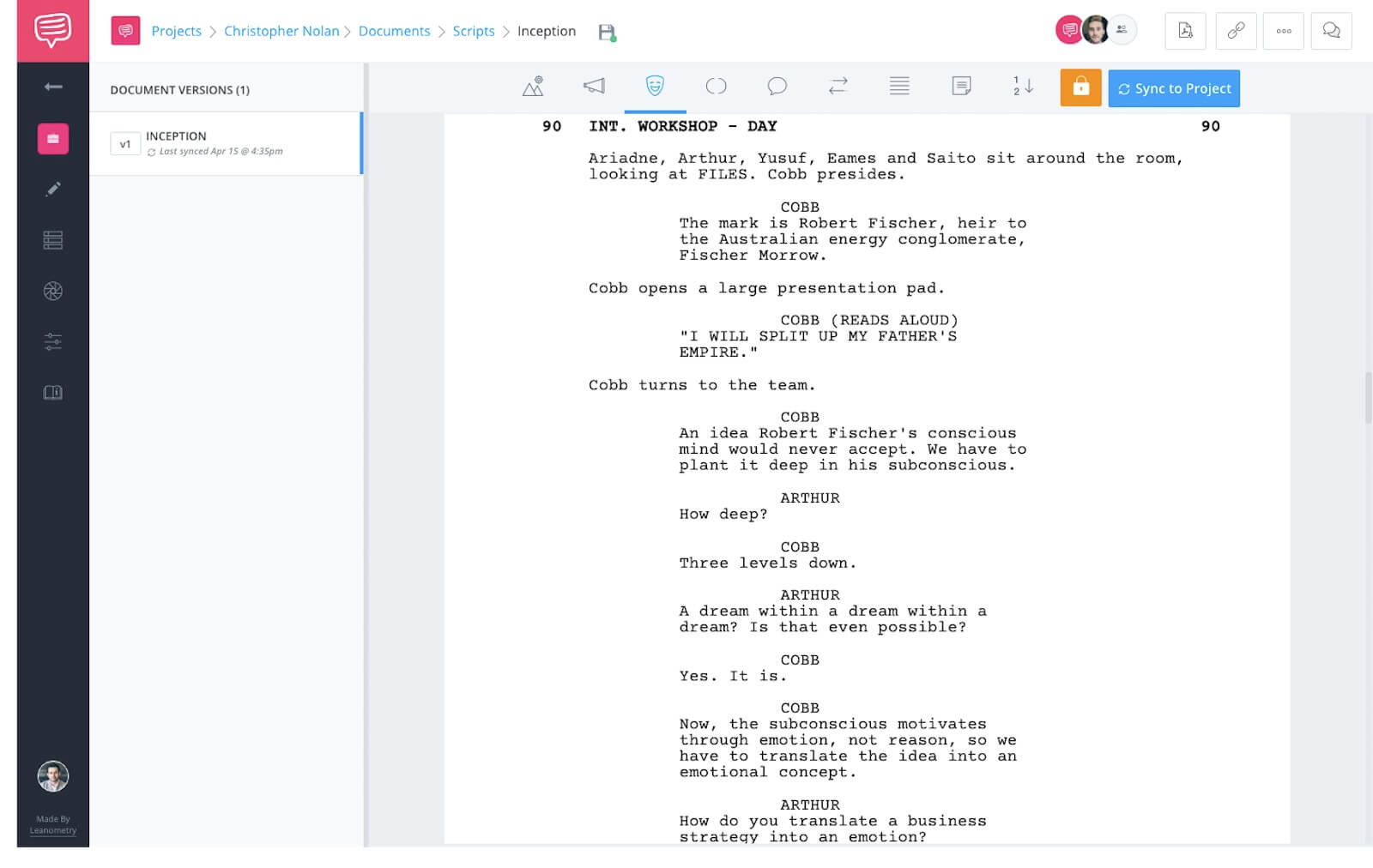
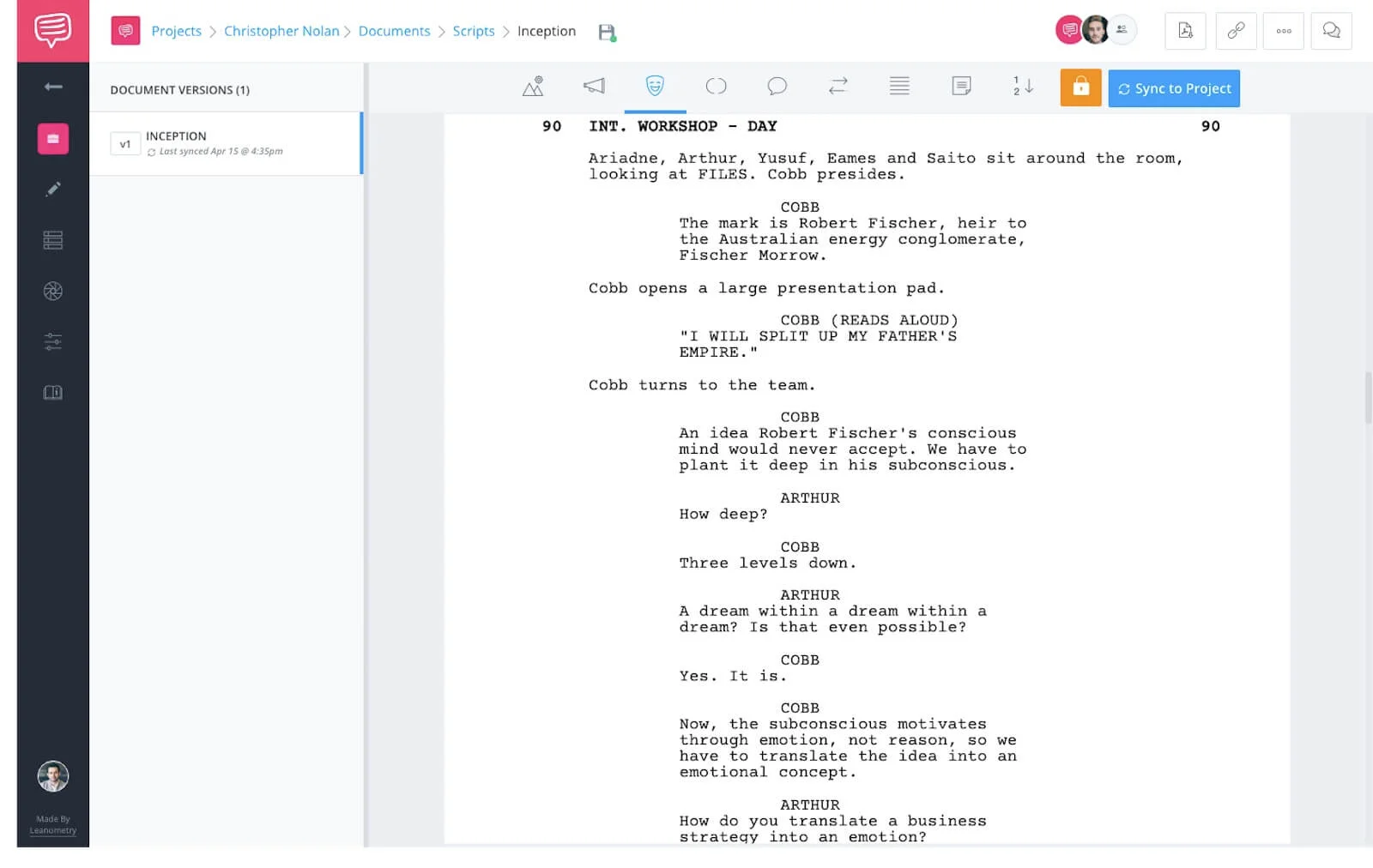
Archetypical Characters in Inception • Read Entire Scene
It’s also important to note that, not every character fits into a tiny little box.
We all have a certain percentage of different character traits. Which of them dominates the majority of our personality? Which traits manifest less often?
Take Michael Scott from The Office.
Michael could be considered a leader, or perhaps a wildcard, or comic relief. Most characters will show signs of multiple character archetypes, but there is still a way to make a sound determination.

Character Archetype Examples • Michael Scott
The simplest way is through the process of elimination.
Indiana Jones, for example, fits into three different character archetypes, but when you go through the process of stripping them away one at a time, what do you get? Would you still have Indiana Jones?

Indiana Jones embodies multiple story characters archetypes
Eventually, you’ll learn that there is a dominant character archetype that best exemplifies each particular character.
There are situation like Game of Thrones where a character may begin a seducer, but then walks the path of redemption to the warrior, like Jamie Lannister.
These particular archetypal characters can be applied to heroes (or a reluctant hero), but they can also serve as character archetypes for villains.
Often, the same character traits can be used for different reasons…
You can use your charm for good, or far evil.
Also, many characters (especially in comedy) will attempt to fit into a character archetype that seems the appropriate for their personality...
But they really only possess the negative traits associated with the type.
Often, these characters fall into the unlisted character archetype: The Fool.
This is true with shows like Veep, where the leader is a poor leader, the rebel is a poor rebel, and the caregiver can’t seem to get anything right.

Season 6 Recap | Veep · Character archetypes
You don’t forfeit the label just because a character consistently fails to live up to the positive traits for particular archetypical characters.
ARCHETYPE Examples LIST
27 character archetypes list
Another important aspect to keep in mind is how the archetypical characters on this list interact with one another. One way we’re looking at these archetypes is through three distinct attributes: Allies, Enemies and Professions.
Allies
If a character fits into a character archetype box, who else fits in that box with them? In other words, which character archetypes are most likely to have chemistry with one another?
Enemies
Every personality type has differing personality types that they fall into opposition with. As we explore each character archetype, we'll also explore the most common antithesis to that archetype.
Professions
Just like you can find in personality charts, certain archetypes tend to take up certain positions or careers within a story. We'll note which professions each of the archetypes on our list are most likely to take on.
Now, this doesn’t mean that you can’t have incompatible archetypes on the same team or vice versa, because that will often lead to logical conflict. While this is great for storytelling, certain personality types have a much easier time connecting with others.
Some will have more harmonious interactions while others will have more chaotic interactions, subverting expectations for the audience.
Now without further ado, let's jump into our list of 27 archetypes.
Leader archetypes characters
1. The Leader
Our first character archetype is The Leader.
Commonly, this character archetype is forceful, a person of action. They’re confident, motivated, and brave.
Which is beneficial for staying active and building story momentum but they can often be arrogant and domineering. This is great for generating a lot of natural conflict.
Here's a video breaking down how to create a dynamic Leader in your story:
![Character Archetypes in Movies Ep1: How to Write a DYNAMIC Leader [Character Traits & Development]](https://i.ytimg.com/vi/tLNNiZjkEmc/hqdefault.jpg)
Archetypal Characters — The Leader • Subscribe on YouTube
As you may know from a character like Walter White, the leader is very prone to keeping their allies close and their enemies even closer.
Allies:
- The Warrior
- The Caregiver
Leaders want to be surrounded by team players, and more often than not the team players are those who care about rules and standards.
That normally translates into strong, reliable relationships with both the strong will of a warrior, and the responsible approach of the caregiver.
Enemies:
- The Rebel
- The Wildcard
The leader has a plan, and wants to stick to that plan.
Naturally, anyone who seems to throw caution to the wind or rely heavily on improvisation will get under the skin of any leader.
A true leader knows that they are responsible for more than their own skin, so anyone who is a cavalier will inevitably gum up the works.
Professions:
- King/Queen
- President
- CEO
- Quarterback
- General
Examples:
- Gandalf — Lord of the Rings
- Selina Meyer — Veep
- Jack Aubrey — Master & Commander
- King Arthur — Arthurian legend
CHARACTER ARCHETYPES IN MOVIES AND LITERATURE
2. The Caregiver
Our next character archetype is The Caregiver.
Commonly, this character archetype prioritizes the needs of others. They want to make the world right. They’re kind, generous, and supportive.
They will often have meaningful conversations with your protagonist.
But they can often be meek, vulnerable and an easy target for a villain to capture or manipulate. In other words, they probably wouldn't survive the Hunger Games.

Archetypal Characters — The Caregiver Archetype • Subscribe on YouTube
The caregiver may appear weak in many ways, but it's their overwhelming sense of heart that gives them their true power.
Allies:
- The Leader
- The Professor
The caregiver will often connect with those who have a lot of responsibility or a lot of weight on their shoulders.
They will connect with a professor often because they are willing to overlook negative traits and cast them aside as “necessary evils.”
Enemies:
- The Seducer
- The Wildcard
The main thing a caregiver can’t abide is when characters take advantage of others. This means the seducer is automatically a problem area.
The caregiver will stomach a rebel under the right circumstances, but if they do not enjoy the antics of a wildcard.
Professions:
- Therapist
- Teacher
- Doctor/Nurse
- Nanny
Examples:
- John Watson — Sherlock
- Sam Wise — Lord of the Rings
- Gary Walsh — Veep
- Dr. Stephen Maturin — Master & Commander
Related Posts
CHARACTER ARCHETYPE EXAMPLES IN MOVIES
3. The Seducer
Next on our character archetypes list is The Seducer.
A bit different from the lover archetype, this character archetype is charming, a person of charisma. They’re confident, persuasive, and sly.
Often debonair, they’re provocative and mysterious but they can also be manipulative and a bit jaded.
For a quick example, look no further than Han Solo from Star Wars.

Archetypal Characters — The Seducer • Han Solo
With Han Solo's seductive vibe fresh on our minds, let's look into who the seducer relates with and who they clash with.
Allies:
- The Rebel
- The Castaway
Often the seducer will get along with others who look out for their own neck, but also for those who have a vulnerability to be manipulated.
Seducers need someone impressionable and that is where the castaway can be a powerful unwitting agent on behalf of the seducer.
Enemies:
- The Leader
- The Professor
Often, a leader and a professor can see right through the seducer. They won’t trust one, and know the seducer will take the shortcut if available.
Professions:
- Spy
- Lawyer
- Salesman
- Gambler
- Detective
- Thief
Examples:
- Eames — Inception
- Jack Vincennes — L.A. Confidential
- Dan Egan — Veep
CHARACTER ARCHETYPEs EXAMPLES
4. The Castaway
Our next character archetype is The Castaway.
Commonly, this character archetype is observant from a safe distance, a bit of a loner. They’re devoted, loyal, and introspective. But they can often be gullible and emotional.
Consider Brian, the brain, from a film populated with archetypical characters: The Breakfast Club.
![The Breakfast Club (1985) - Brian Is a Virgin [HD]](https://i.ytimg.com/vi/K9UxiynPxI8/hqdefault.jpg)
Story characters archetypes — The Castaway • Brian the Brain
We can see the loner and emotional attributes in Ryan, but what other things can we learn from this character archetype and their relation to others.
Allies:
- The Leader
- The Wildcard
The Castaway is looking to be inspired, and because of this they often find themselves with a headstrong leader or a rather fluid Wildcard.
Anything else is just too “middle of the road,” and will reinforce the idea that things are cemented and have no room for change on the surface.
Enemies:
- The Professor
- The Warrior
Both the Professor and the Warrior will look at the Castaway and see someone who is a bit parasitic. The Castaway is too weak in their eyes.
Professions:
- Office Worker
- Driver
- Gardener
- Artist
- Cook
Examples:
- Frodo — Lord of the Rings
- Amy Brookheimer — Veep
Story characters archetypes
5. The Rebel
Next on our character archetypes list is The Rebel.
Commonly, these archetypal characters are energetic and individualistic, a thrill seeker. They’re street-smart, capable, and brave.
But they can often be cynical and quick tempered.
Think of how Tyler Durden in Fight Club brought an entirely new perspective to the Narrator's world.
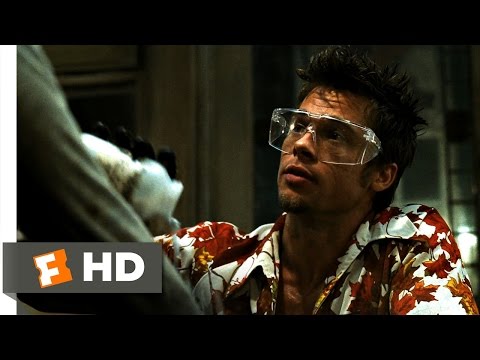
Tyler Durden — The Archetypical Rebel
Yes, the rebel is both charming as can be and quite dangerous at the same time. Let's see what other insights we can gain from here.
Allies:
- The Seducer
- The Castaway
The Rebel is generally interested in self-preservation and bending the rules to get what they want. The Seducer has skills useful to the rebel.
The Castaway is open minded and just cynical enough to attract the good will of a Rebel, and they share a penchant for questioning the status quo.
Enemies:
- The Leader
- The Professor
The Rebel will see these two as old guard, and unwilling to redefine methods and approaches toward goals.
A Rebel is often much more guess and check, whereas a Professor is more scientific, and the Leader more loyal to institutions.
Professions:
- Criminal
- Fighter Pilot
- Adventurer
- Spy
- Cowboy
- Mercenary
- Mechanic
Examples:
- Reiben — Saving Private Ryan
- Maverick — Top Gun
- Will Hunting — Good Will Hunting
- Jonah Ryan — Veep
CHARACTER ARCHETYPEs explained
6. The Wildcard
Our next character archetype is The Wildcard.
Commonly, this character archetype is unpredictable, a person of improvisation. They’re often brutally honest, humorous, and creative.
But they can often be sarcastic, impulsive, and meddlesome.
Despite his loyal friendship, Walter in The Big Lebowski could be a Wildcard in any scene at any time.
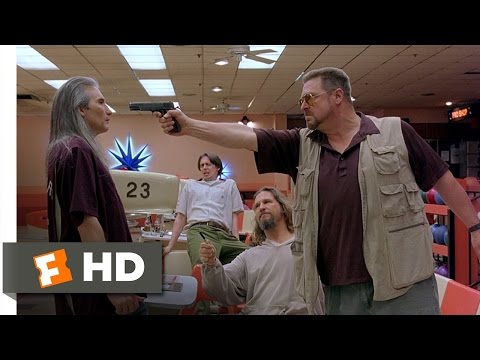
Writing archetypes like Walter must be a blast · Character archetypes
Besides the potential of pulling a gun out and sticking it in your face, what other attributes can be found in the wildcard's relationship with others?
Allies:
- The Warrior
- The Castaway
The Wildcard pairs well with a Warrior because they both are all about the action, and they often needs one another’s skill set.
The Castaway and Wildcard have some common traits, one of which is their tendency to be more impulsive and fluid.
Enemies:
- The Leader
- The Professor
The Wildcard is all about doing what they want when they feel like it and everything is based around instinct. This is tough on a Leader.
It is also tough on a Professor who does so much research that someone who lives unprepared can seem ludicrous.
Professions:
- Blue collar
- Artists
- Beautician
- Freelancer
- Vagabond
- Gypsy
- Traveler
Examples:
- Walter — The Big Lebowski
- Mike McLintock — Veep
- Charlie Kelly — It’s Always Sunny in Philadelphia
- Doc Holliday — Tombstone
Related Posts
Professor character archetypes
7. The Professor
Our next character archetype is The Professor.
Commonly, this character archetype is literal, droll, and very often a genius. They’re logical, problem solving, and candid.
But they can often be socially oblivious and rigid.
Spock from Star Trek just might be the perfect archetype example. He prioritizes logic above all but what makes this character even more interesting is his half human side that is in constant conflict.

Spock • Archetype Examples
So, now we can see both the highly logical and sometimes contradicting sides to the professor. Let's dig into some further insights.
Allies:
- The Caregiver
- The Leader
The Professor is often a flawed social being, and that often translates into a Caregiver being the only person with the patience to stand them.
The Leader is often someone who takes their work seriously, which will earn the respect of a Professor more than almost anything else.
Enemies:
- The Seducer
- The Wildcard
The Professor will get tired of the smooth antics of a Seducer, and the unpredictable actions of a Wildcard. Everything a Professor does is thought out, so a Wildcard may get in their way too much.
Professions:
- Instructor
- Detective
- Economist
- Engineer
- Pathologist
Examples:
- Sherlock Holmes — Sherlock
- Greg House — House
- Kent Davidson — Veep
Warrior cHARACTER ARCHETYPEs
8. The Warrior
Our next character archetype is The Warrior.
Commonly, this character archetype is courageous, self-sacrificing, a person of honor. Think Robin Hood. They’re strong willed, involved, and have a code.
But they can often be stubborn and obsessive, just like Sarah Connor in The Terminator franchise.

Sarah Connor — The Archetypical Warrior
As you can see, the warrior displays a heightened sense of strength and leadership, but can also have a tender side hidden underneath all that rough exterior.
Allies:
- The Leader
- The Professor
A warrior needs something to fight for, and often that can be a leader rather than a cause. Warriors are driven by honor and by a code, which means they respect those with a code of their own, like a professor.
Enemies:
- The Caregiver
- The Castaway
Generally, the warrior will see a nurturing soul or a searching soul and see their traits as a complete waste of time. The caregiver is too worried about consequences while the castaway is too lethargic for a warrior.
Professions:
- Soldier
- Police Officer
- Fire Fighter
- Lawyer
- Journalist
- Missionary
Examples:
- Aragorn — Lord of the Rings
- Ryan — Saving Private Ryan
- Bud White — L.A. Confidential
- Ben Cafferty — Veep
character archetypes
9. The Hero
Our next character archetype is The Hero.
This archetype is defined by courage, sacrifice, and a willingness to face overwhelming odds. Heroes are often ordinary individuals called into extraordinary circumstances, where their actions determine the fate of others.
While their strength lies in perseverance and moral clarity, they can also struggle with self-doubt or the burden of responsibility.
Perhaps one of the most shining examples of the hero is Marvel's Captain America, a guiding light soldier willing to put himself on the line to save civilian lives.

Captain America: The Winter Soldier Speech — The Archetypical Hero
As you can see, Steve Rogers aka Captain America embodies the hero in that scene because he can muster heroic inspiration from even the darkest of circumstances.
Allies:
- The Mentor
- The Sidekick
Heroes rely on guidance and support. A mentor provides wisdom, while a loyal companion helps them endure the journey.
Enemies:
- The Villain
- The Trickster
Opposition often comes from forces of chaos or evil that directly challenge the hero’s mission and values.
Professions:
- Soldier
- Detective
- Chosen One
- Adventurer
- Superhero
Examples:
- Luke Skywalker — Star Wars
- Harry Potter — Harry Potter
- Frodo Baggins — The Lord of the Rings
- Katniss Everdeen — The Hunger Games
Character archetypes examples
10. The Mentor
Our next character archetype is The Mentor.
Mentors are wise guides who help shape the hero’s journey. They provide knowledge, tools, or perspective that prepares the protagonist for what lies ahead.
Though often calm and insightful, mentors can be secretive or burdened by past failures. Take Yoda from Star Wars for example.
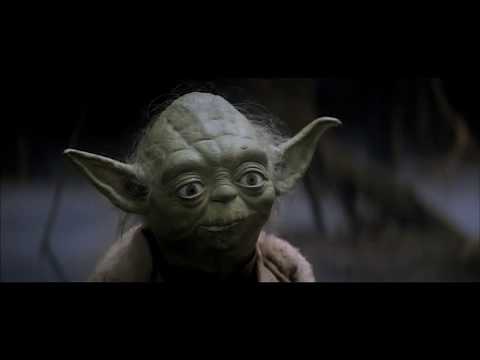
Yoda in Star Wars: The Empire Strikes Back— The Archetypical Mentor
From that clip it should be clear that while the mentor is brimming with wisdom, they also have a clear link to power that the protagonist of the story seeks to gain as well.
Allies:
- The Hero
- The Sage
Mentors work closely with those seeking growth, often aligning with other knowledge-driven figures.
Enemies:
- The Villain
- The Rebel
Those who reject wisdom or seek destruction stand in opposition to the mentor’s purpose.
Professions:
- Teacher
- Wizard
- Coach
- Master Craftsman
- Elder
Examples:
- Gandalf — The Lord of the Rings
- Obi-Wan Kenobi — Star Wars
- Mr. Miyagi — The Karate Kid
- Dumbledore — Harry Potter
Character archetypes
11. The Innocent
Our next character archetype is The Innocent.
This archetype represents purity, optimism, and a belief in the good of the world. Innocents often bring emotional clarity and hope to a story.
However, their naivety can leave them vulnerable to manipulation or harsh realities.
But not in Charlie Bucket's case. In Charlie and the Chocolate factory, Charlie stands as virtuous and pure amongst a film full of spoiled children.
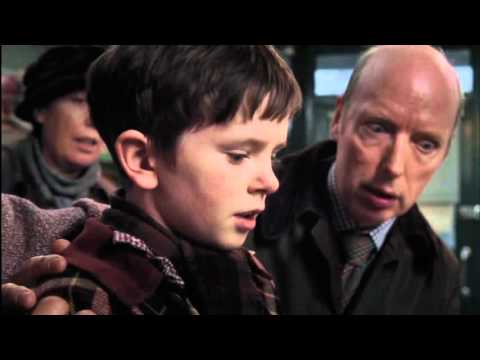
Charlie Bucket in Charlie and the Chocolate Factory — The Archetypical Innocent
As that clip displays, an innocent archetype like Charlie can have their pure nature rewarded. It's all about their placement in the story and what their innocence says about the larger themes and idea of the work.
Allies:
- The Caregiver
- The Hero
They gravitate toward protectors and moral figures who preserve their worldview.
Enemies:
- The Villain
- The Trickster
Corruption and deception threaten their sense of safety and truth.
Professions:
- Child
- Dreamer
- Idealist
- Student
- Optimist
Examples:
- Forrest Gump — Forrest Gump
- Dorothy — The Wizard of Oz
- Buddy — Elf
- Lennie — Of Mice and Men
Characters and archetypes
12. The Explorer
Our next character archetype is The Explorer.
Explorers are driven by curiosity and a desire for discovery. They seek new worlds, experiences, or truths beyond the familiar.
Their independence is a strength, but it can also lead to isolation or restlessness.
Take for example, Walter Mitty. In The Secret Life of Walter Mitty, he's a modern explorer of sorts who transitions from internal daydreams to external world travel to find himself.

Walter Mitty in The Secret Life of Walter Mitty — The Archetypical Explorer
The explorer can be a rugged, larger than life adventurer, or a timid subject who's mustering the courage to brave the great big world and all the horror and beauty it has to offer.
Allies:
- The Hero
- The Creator
They align with those who value growth, innovation, and forward movement.
Enemies:
- The Ruler
- The Caregiver
Structures and responsibilities can feel restrictive to the explorer’s freedom.
Professions:
- Adventurer
- Archaeologist
- Traveler
- Scientist
- Pioneer
Examples:
- Indiana Jones — Indiana Jones
- Moana — Moana
- Bilbo Baggins — The Hobbit
- Lara Croft — Tomb Raider
Character archetypes list
13. The Creator
Our next character archetype is The Creator.
Creators are visionaries who bring ideas into existence. Whether through art, invention, or storytelling, they are driven to build something meaningful.
Their passion can sometimes lead to obsession or perfectionism.
Which couldn't be more true than with the High Evolutionary from Guardians of the Galaxy Vol. 3. This creator of life loses himself to obsession with perfectionism, positioning him as a villain of this story.

High Evolutionary in Guardians of the Galaxy Vol. 3 — The Archetypical Creator
While the creator is most readily thought of as someone you want on your side, the High Evolutionary showcases the darker side to creating under the egotistical false belief that you're building rather than defiling.
Allies:
- The Explorer
- The Sage
The Creator collaborates with thinkers and innovators who can help expand possibilities.
Enemies:
- The Ruler
- The Villain
Control and destruction threaten the creator’s ability to imagine and build.
Professions:
- Artist
- Inventor
- Filmmaker
- Designer
- Engineer
Examples:
- Willy Wonka — Charlie and the Chocolate Factory
- Tony Stark — Iron Man
- Geppetto — Pinocchio
- Dr. Frankenstein — Frankenstein
Character archetypes
14. The Ruler
Our next character archetype is The Ruler.
Rulers seek control, order, and stability. They are responsible for maintaining systems and protecting those under their authority.
While they provide structure, they can become authoritarian or overly controlling.
That couldn't be any truer than for Palpatine in Star Wars, who acts as the final ruling boss above all.

Palpatine in Star Wars: Return of the Jedi — The Archetypical Ruler
While the ruler is often the top villain among villains, it's also not unheard of to give them a bit of a soft side that gets explored in one subtle way or another.
Allies:
- The Leader
- The Warrior
They rely on strength and organization to maintain power.
Enemies:
- The Rebel
- The Outlaw
Disruption and defiance directly threaten their authority.
Professions:
- King/Queen
- CEO
- Politician
- Commander
- Judge
Examples:
- Tywin Lannister — Game of Thrones
- Mufasa — The Lion King
- Miranda Priestly — The Devil Wears Prada
- King Triton — The Little Mermaid
CHARACTER ARCHETYPEs Breakdown
15. The Magician
Our next character archetype is The Magician.
Magicians transform reality. Whether through literal magic or metaphorical influence, they inspire change and reveal hidden truths.
Their power can be inspiring, but also dangerous if misused.
Steven Strange learns to be an exceptional sorcerer in Doctor Strange, yet his impatience and desire to be master have lasting consequences.
![Doctor Strange | Stephen Strange Uses The Time Stone On Apple Scene | Disney+ [2016]](https://i.ytimg.com/vi/t4zs2jR_1hs/hqdefault.jpg)
Doctor Strange — The Archetypical Magician
The magician's exceptional power may come with consequences, but they're often ultimately helpful and heroic in their intention.
Allies:
- The Mentor
- The Sage
They align with wisdom and transformation-focused figures.
Enemies:
- The Villain
- The Ruler
Control and destruction oppose transformation and enlightenment.
Professions:
- Wizard
- Visionary
- Scientist
- Spiritual Leader
- Illusionist
Examples:
- Doctor Strange — Marvel
- Merlin — Arthurian legend
- Morpheus — The Matrix
- Prospero — The Tempest
CHARACTER ARCHETYPEs EXAMPLES
16. The Everyman
Our next character archetype is The Everyman.
This archetype represents the relatable, ordinary person. They are grounded, practical, and often serve as the audience’s entry point into the story.
Their strength is authenticity, though they may lack confidence or ambition.
Peter Parker is one of the everyman gold standards. He's not remarkable or well-known amongst his high school peers, he's simply just a kid who gains extraordinary powers.

Spider-Man (2002) — The Archetypical Everyman
Whether the everyman gains amazing powers like Peter Parker or not, their personal life is usually riddled with the melodrama and stresses of the average everyday person.
Allies:
- The Hero
- The Caregiver
They connect with dependable, grounded individuals.
Enemies:
- The Ruler
- The Villain
Oppressive systems and extreme forces challenge their sense of normalcy.
Professions:
- Office Worker
- Parent
- Laborer
- Student
- Neighbor
Examples:
- Samwise Gamgee — The Lord of the Rings
- John McClane — Die Hard
- Peter Parker — Spider-Man
- Arthur Dent — Hitchhiker’s Guide
Best CHARACTER ARCHETYPEs
17. The Lover
Our next character archetype is The Lover.
Lovers are driven by emotion, connection, and intimacy. They seek relationships and meaning through others.
Their devotion is powerful, but it can lead to dependency or heartbreak.
Noah Calhoun from The Notebook is a perfect example of such devotion. Watch the video below to see the lengths he'll go to and the things he'll say to appeal to the one he loves most.

Noah Calhoun in The Notebook — The Archetypical Lover
While the lover can be full of, well... love, they can also be aggressive and even obsessive in their pursuit of what they know they want. The result of this is dependent on the type of story being told.
Allies:
- The Caregiver
- The Hero
They gravitate toward emotionally open and protective figures.
Enemies:
- The Rebel
- The Villain
Disruption and cruelty threaten emotional bonds.
Professions:
- Romantic Lead
- Artist
- Partner
- Poet
- Performer
Examples:
- Romeo — Romeo and Juliet
- Jack Dawson — Titanic
- Elizabeth Bennet — Pride and Prejudice
- Noah Calhoun — The Notebook
Jester character archetypes
18. The Jester
Our next character archetype is The Jester.
Jesters use humor to entertain, deflect, or reveal truth. They lighten tension and often see things others miss.
However, their humor can mask deeper pain or insecurity.
All of the above can be attributed to the Marvel superhero character Deadpool, who is fully aware that he's in a superhero movie and won't miss a chance to make a joke about it.
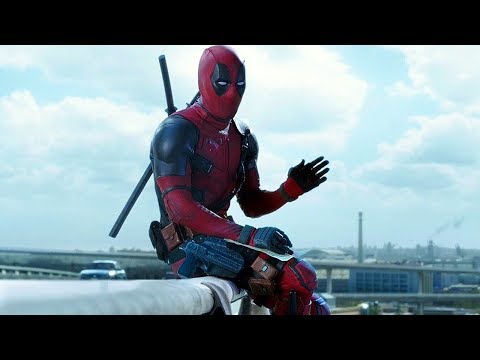
Deadpool — The Archetypical Jester
Much of Deadpool's jester persona can also be attributed to the darker side he masks. Which is literally brought into the story when his face becomes disfigured and he feels the need to mask himself from the woman he loves.
Allies:
- The Everyman
- The Hero
They thrive around grounded or serious characters.
Enemies:
- The Ruler
- The Villain
Authority and cruelty clash with humor and irreverence.
Professions:
- Comedian
- Entertainer
- Fool
- Sidekick
- Performer
Examples:
- Genie — Aladdin
- Deadpool — Deadpool
- Tyrion Lannister — Game of Thrones
- Olaf — Frozen
CHARACTER ARCHETYPE EXAMPLES
19. The Outlaw
Our next character archetype is The Outlaw.
Outlaws reject rules and societal norms. They challenge authority and operate outside the system.
Their independence is admirable, but can border on recklessness or chaos.
In Mad Max, Furiosa defies the orders of the land she's under the rule of to find her lost tribe of sisters.

Furiosa from Mad Max — The Archetypical Outlaw
Furiosa is an example of a heroic outlaw. But the outlaw could also be dangerous, like the Joker from The Dark Knight.
Allies:
- The Rebel
- The Trickster
The outlaw aligns with disruptive and unconventional figures.
Enemies:
- The Ruler
- The Leader
Authority figures are natural opposition for the outlaw.
Professions:
- Criminal
- Vigilante
- Smuggler
- Pirate
- Revolutionary
Examples:
- Robin Hood — Robin Hood
- Han Solo — Star Wars
- The Joker — The Dark Knight
- V — V for Vendetta
Archetypal characters
20. The Sage
Next on our character archetypes list is The Sage.
The Sage is driven by a pursuit of truth, knowledge, and understanding. They analyze the world around them and often serve as a voice of reason within the story.
While their wisdom is invaluable, they can sometimes become detached, overly analytical, or slow to act.
Gandalf from The lord of the Rings is a sage in that he's a guiding light of reason and wisdom throughout the film trilogy.
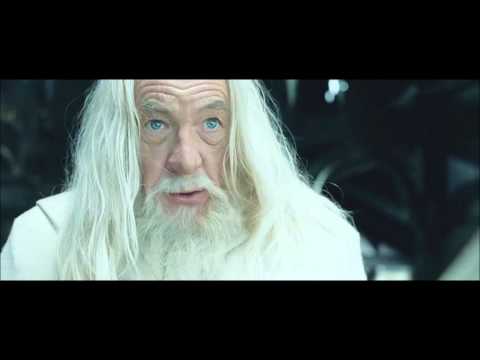
Gandalf in The Lord of the Rings: The Return of the King — The Archetypical Sage
As you can see from that video clip, Gandalf can walk into a room and use his power of light and truth to expose the darkness infecting others. A use of knowledge to reveal the truth is what the sage does best.
Allies:
- The Mentor
- The Magician
They align with those who value knowledge, transformation, and deeper understanding.
Enemies:
- The Villain
- The Trickster
Chaos, deception, and ignorance stand in direct opposition to truth.
Professions:
- Scholar
- Philosopher
- Scientist
- Historian
- Analyst
Examples:
- Yoda — Star Wars
- Atticus Finch — To Kill a Mockingbird
- Spock — Star Trek
- Sherlock Holmes — Sherlock Holmes
Character archetypes list
21. The Trickster
Our next character archetype is The Trickster.
Tricksters thrive on disruption, mischief, and unpredictability. They challenge the status quo and expose weaknesses in others through clever manipulation.
While entertaining and insightful, they can also create chaos and mistrust.
Loki from the Marvel universe is a great modern example of the trickster. He's constantly trying to scheme and manipulate his way into being the king of Asgard while still being a blast to watch.

Loki in Thor: Ragnarok — The Archetypical Trickster
As is shown in the above Thor: Ragnarok scene, Loki uses a literal appearance decoy to trick the Asgardian public into believing he's their king Odin. A top-tier trickster trick if we've ever seen one.
Allies:
- The Outlaw
- The Jester
The trickster connects with others who operate outside traditional rules and societal structures.
Enemies:
- The Ruler
- The Leader
Order and structure are the trickster’s natural adversaries.
Professions:
- Con artist
- Illusionist
- Spy
- Gambler
- Schemer
Examples:
- Loki — Marvel
- Captain Jack Sparrow — Pirates of the Caribbean
- Puck — A Midsummer Night’s Dream
- The Mask — The Mask
CHARACTER ARCHETYPEs EXAMPLES
22. The Orphan
Our next character archetype is The Orphan.
The Orphan is defined by loss, abandonment, or isolation. Their journey is often about finding belonging and rebuilding trust.
This vulnerability makes them relatable, though they may struggle with fear or insecurity.
Harry Potter is one of, if not the most renowned modern take on the orphan. Watch the clip below to see how Harry the orphan is whisked away into a brand new fantasy world of wonder.

Harry Potter — The Archetypical Orphan
As we see in Harry, the orphan is steeped in a tragic reality, until they finally find hope and friendship when they answer the call to go on a daring new journey.
Allies:
- The Caregiver
- The Everyman
The orphan gravitates towards those who offer a refreshing sense of stability and connection.
Enemies:
- The Villain
- The Ruler
Oppression and cruelty reinforce the orphan's sense of displacement.
Professions:
- Outsider
- Survivor
- Drifter
- Student
- Foster Child
Examples:
- Harry Potter — Harry Potter
- Oliver Twist — Oliver Twist
- Bruce Wayne — Batman
- Annie — Annie
Story character archetypes
23. The Avenger
Our next character archetype is The Avenger.
The Avenger is driven by justice, often rooted in personal loss or betrayal. Their mission is to right a wrong, no matter the cost.
While their determination is powerful, it can lead to obsession or moral compromise.
John Wick is one of the most popular renditions of the avenger in pop culture today. After his dog is killed, he goes on a vengeful warpath to right this wrong. The scene below exemplifies the almost mythological seeking of justice the avenger takes on.

John Wick — The Archetypical Avenger
The avenger is often single minded in their thirst for righting the wrongs of the world. The story can either use this to explore grey areas or to go all in on a 'right vs. wrong' ideal.
Allies:
- The Warrior
- The Hero
The avenger aligns with those who want to take action against injustice.
Enemies:
- The Villain
- The Ruler
Corruption is the avenger's primary target, whether that's corruption embedded within a system or within individuals.
Professions:
- Vigilante
- Soldier
- Assassin
- Detective
- Bounty Hunter
Examples:
- The Bride — Kill Bill
- Maximus — Gladiator
- Batman — The Dark Knight
- Inigo Montoya — The Princess Bride
Archetypal characters
24. The Underdog
Next up on our character archetypes list is The Underdog.
Underdogs are overlooked, underestimated, or dismissed by others. Their journey centers on proving their worth against the odds.
Their resilience is inspiring, though they often struggle with confidence or lack of support.
Rocky Balboa is perhaps the most widely recognized version of the underdog in pop culture. A poor, small-time boxer who's given a chance to fight the heavyweight champion. The clip below immerses the audience in the underdog's journey and belief that they can work their way and rise to the top.
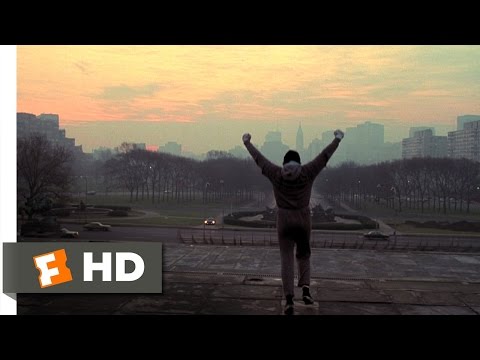
Rocky — The Archetypical Underdog
The underdog is often faced with trials and tribulations as they work their way to defeat the 'boss' at the top. The story will either see them win against their enemy or fail trying. Either way, it's their heart and determination that ultimately matters.
Allies:
- The Mentor
- The Hero
The underdog benefits from a strong sense of guidance and belief from others, helping them see their full potential.
Enemies:
- The Ruler
- The Villain
Power structures and antagonists reinforce the underdog's disadvantage.
Professions:
- Athlete
- Student
- Intern
- Amateur
- Dreamer
Examples:
- Rocky Balboa — Rocky
- Rudy — Rudy
- Neville Longbottom — Harry Potter
- Charlie Bucket — Willy Wonka
CHARACTER ARCHETYPE EXAMPLES
25. The Anti-Hero
Our next character archetype is The Anti-Hero.
Anti-heroes are protagonists who lack traditional heroic qualities. They operate in moral gray areas, often driven by personal motives rather than pure ideals.
Their complexity makes them compelling, though their actions can be controversial or destructive.
Let's dive a bit further into the ins and outs of anti-heroes found throughout film and pop culture in the video below.
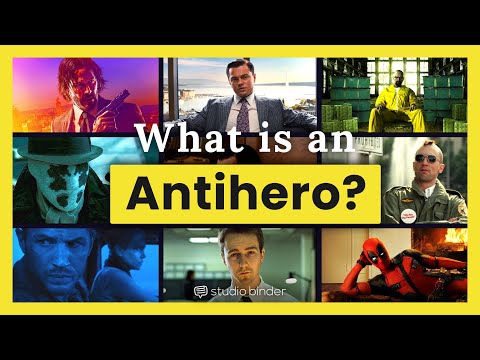
What is an antihero? — Subscribe on YouTube
The idea of the anti-hero is to find the moral grey area. You may not approve of their actions, but on some level, you understand the reason and the logic behind why the anti-hero does what they do.
Allies:
- The Outlaw
- The Trickster
The anti-hero tends to align with unconventional and morally flexible characters.
Enemies:
- The Hero
- The Ruler
Traditional morality and authority often clash with the anti-hero's methods.
Professions:
- Criminal
- Mercenary
- Detective
- Vigilante
- Drifter
Examples:
- Walter White — Breaking Bad
- Tony Soprano — The Sopranos
- Deadpool — Deadpool
- Travis Bickle — Taxi Driver
Villain character archetypes
26. The Villain
Our next character archetype is The Villain.
The Villain serves as the primary antagonist, opposing the hero and driving conflict. They often have clear goals, even if those goals are destructive or immoral.
While they embody opposition, the most compelling villains believe they are justified.
The below video explores three sub-archetypes that exist under the larger umbrella archetype of the villain. Take a look.

How to write a villain archetype — Subscribe on YouTube
Whether the villain is sympathetic to some extent, or embodies the most vile and cruel side of human nature, the fact is that they stand in direct opposition to whatever the protagonist is fighting for.
Allies:
- The Trickster
- The Outlaw
The villain will often work with chaotic or self-serving figures under some sort of binding agreement.
Enemies:
- The Hero
- The Leader
Those who uphold order and morality stand against the villain's grand design.
Professions:
- Tyrant
- Criminal Mastermind
- Conqueror
- Corrupt Leader
- Monster
Examples:
- Darth Vader — Star Wars
- Voldemort — Harry Potter
- Hannibal Lecter — Silence of the Lambs
- Thanos — Avengers
Character archetypes
27. The Sidekick
Our final character archetype is The Sidekick.
Sidekicks support the main character, offering assistance, loyalty, and often emotional grounding. They help the protagonist succeed while adding further depth to the story.
Though often secondary, they can be essential to the hero’s journey.
This is very true for Donkey in Shrek. The scene below shows how he's both the comedic relief, and a tumultuous partner to Shrek that helps bring down his walls.

Donkey as the sidekick in Shrek — The Archetypical Sidekick
The sidekick provides something that their leader or partner lacks. Whether that's simply a friend to hear them out, or the brains to their partner's brawn.
Allies:
- The Hero
- The Leader
The sidekick is closely tied to the central figure they support. Their right hand if you will.
Enemies:
- The Villain
- The Rebel
Anyone who threatens or disrupts the sidekick's partner becomes an enemy.
Professions:
- Assistant
- Partner
- Companion
- Apprentice
- Friend
Examples:
STORY ARCHETYPE EXAMPLES
Character archetypes in ensembles
While character archetypes are meant to interact with one another, each and everyone of them can be used as a main protagonist.
Just because the Leader has many of the classic traits associated with a main protagonist, that doesn’t mean the Castaway cannot be the main protagonist for their own story.
However, when your story features a group, squad, or team you will often build that team based on their unique character traits.
When behind enemy lines, your commando team needs a green beret, marine, driver, sapper, sniper, and a spy.
These are specialities that make-up a winning team, because you need a different skill set for each problem you encounter.
These skill sets (like professions) will often connect to certain archetypes.
Let’s take a look at a few examples of movies and series that used the ensemble cast and how they went about applying character archetypes.
Character Archetypes | Game of Thrones
Let’s take a look at the archetype examples in Game of Thrones.
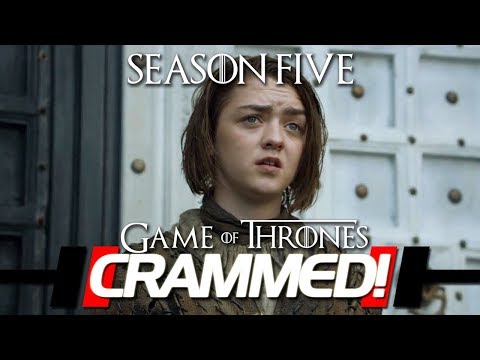
Game of Thrones Season 5 Recap · Character archetypes
The character archetypes found in Game of Thrones are listed below:
Cersei/Daenerys — The Leader
Samwell/Jorah — The Caregiver
Jamie/Euron — The Seducer
Tyrion/Sansa — The Castaway
Bronn/Arya — The Rebel
The Hound — The Wildcard
Davos/Varys — The Professor
Jon Snow/Brienne — The Warrior
Character Archetypes | The Avengers
Let’s take a look at the archetype examples in Marvel’s Avengers: Infinity War.

Archetypal Roles in Infinity War • Subscribe on YouTube
Marvel blends different genres into one expansive universe, as well as different character archetypes:
Captain America/Black Panther — The Leader
Scarlet Witch/War Machine — The Caregiver
Ironman — The Seducer
Hulk/Gamora — The Castaway
Thor/Loki — The Rebel
Starlord/Spiderman — The Wildcard
Doctor Strange/Vision — The Professor
Black Widow/Thanos — The Warrior
Character Archetypes | Inception
Let’s take a look at the archetypical characters in Inception.
Different Archetypes in Inception · Character archetypes
Though they're all very well spoken and dressed in a very Christopher Nolan kind of way, the Inception characters also embody specific archetypical qualities:
Cobb — The Leader
Ariadne — The Caregiver
Eames — The Seducer
Fischer — The Castaway
Saito — The Rebel
Mal — The Wildcard
Yusuf — The Professor
Arthur — The Warrior
Character Archetypes | Saving Private Ryan
Let’s take a look at the archetype examples in Spielberg’s Saving Private Ryan.

Machine Gun Nest | Saving Private Ryan
Below is a breakdown of the character archetypes found in Saving Private Ryan:
Miller — The Leader
Horvath — The Caregiver
Mellish — The Seducer
Upham — The Castaway
Reiben — The Rebel
Jackson — The Wildcard
Wade — The Professor
Ryan — The Warrior
Character Archetypes | Ocean’s Eleven
Let’s take a look at the archetype examples in Soderbergh’s Ocean’s Eleven.

Build a Crew | Ocean’s Eleven character archetypes
Ocean's Eleven builds up its crew in a very archetypical manner:
Danny Ocean — The Leader
Rusty Ryan — The Caregiver
Frank Catton/Saul Bloom — The Seducer
Linus Caldwell — The Castaway
Basher Tarr — The Rebel
Virgil/Turk Malloy — The Wildcard
Reuben Tishkoff/Livingston Dell — The Professor
Yen — The Warrior
Up Next
How to Write Better Dialogue
Now that you're more familiar than ever with character archetypes... You've written a pretty good script, but you know it could be great. Could better dialogue be that missing piece? Want screenwriting tips that will help you write better dialogue? How about examples from movies and TV to go with each category? Check out this post below!
Up Next: Writing better dialogue →