Human beings in the real world are multi-faceted, each with unique traits, strengths, desires, and flaws. Honest, compelling characters in storytelling, therefore, must also be complex beings. One of the unique tools writers have in making characters more complex and more interesting is character flaws.
What is a Character Flaw?
First, let’s define character flaws
Character flaws add depth and realism to the character, making the narrative more engaging and emotionally compelling. How? We’ll answer this by starting with the character flaws definition.
CHARACTER FLAWS DEFINITION
What are character flaws in the story?
A character flaw, also known as a "fatal flaw," is a limitation, imperfection, problem, phobia, or deficiency present in a character who may be otherwise very functional and emotionally sound. This trait can be a lack of self-awareness, an abundance of vanity, or a tendency towards recklessness.
The flaw can be minor, such as a penchant for lateness, or it can be more significant and detrimental to their well-being or relationships.
Character flaws serve multiple purposes in storytelling. They make characters relatable and human, as perfection can feel distant and unachievable. Additionally, they create conflict, tension, and obstacles that the character must overcome, driving the plot forward. Flaws can lead to downfall or growth, creating tragedy or satisfying resolution and development.
What are Character Flaws Used for in Storytelling?
- Driving Plot Forward
- Character Development
- Creating Conflict
- Enhancing Relatability
Character Flaws List
Moral Flaws
Moral flaws are essentially shortcomings related to a character's ethical or moral compass. These flaws represent traits that deviate from societal norms and our expectations of what is morally right or wrong.
They can manifest as dishonesty, greed, cruelty, or a lack of empathy. When a character possesses a moral flaw, their choices often have negative consequences for those around them, leading to conflict and tension in the story.
Literature and cinema are replete with examples of characters with moral flaws. Take Macbeth from Shakespeare's Macbeth, for instance. Driven by ambition, he commits heinous acts of murder.
In cinema, Anakin Skywalker from Star Wars is another prime example. His fear of loss and thirst for power ultimately lead him down a dark path, transforming him into Darth Vader.
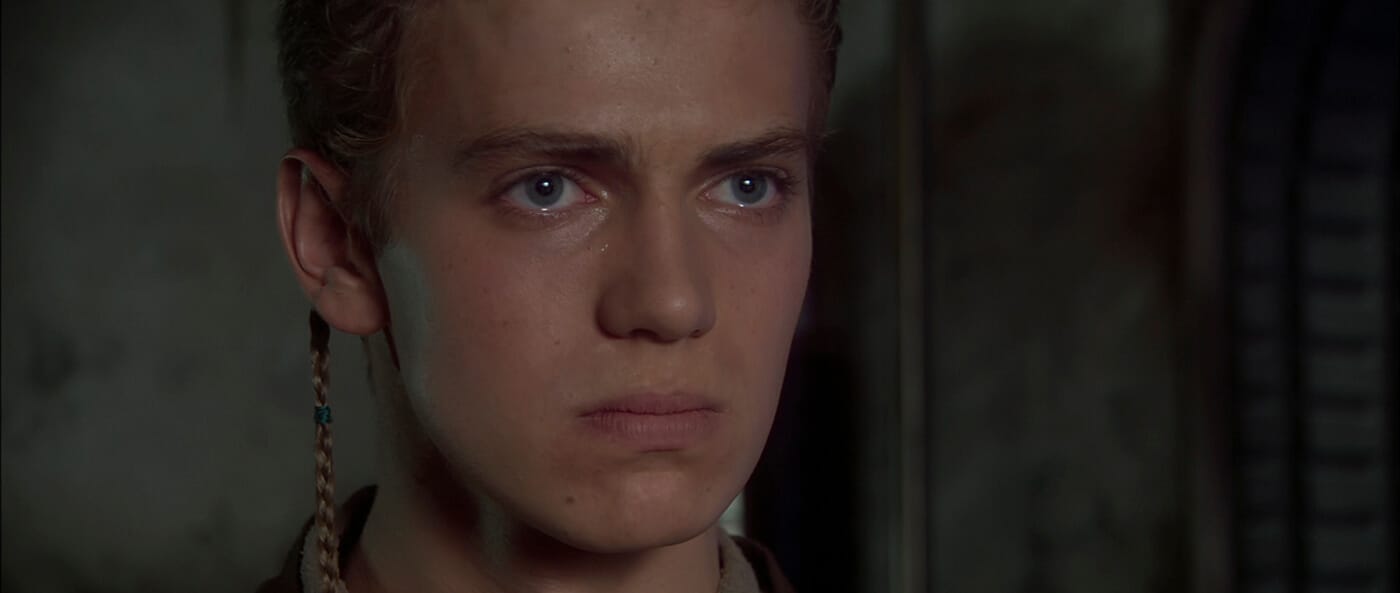
Star Wars Skywalker Flaw
These moral flaws play a significant role in character development and story progression. They shape a character's actions and decisions, influencing their journey throughout the narrative.
Fatal Flaws List in Story
Psychological Flaws
The human psyche is a fascinating and intricate landscape, filled with complexities and imperfections that provide rich inspiration for writers. When we talk about psychological flaws, we're referring to the inner struggles, phobias, traumas, or mental disorders that can deeply influence a character's behavior and relationships.
It's these very flaws that add depth and nuance to their stories, captivating readers and drawing them into the intricate web of the human experience.
Let's explore Will Hunting, the protagonist of Good Will Hunting. From the start, it's evident that Will is a genius. However, his captivating nature lies in his psychological flaws rooted in past traumas - commitment issues and fear of abandonment.
This video analysis by Lessons from the Screenplay goes into the importance of the psychology behind the character of Will and how his flaws lead to the engaging character arc that carries us through the story.
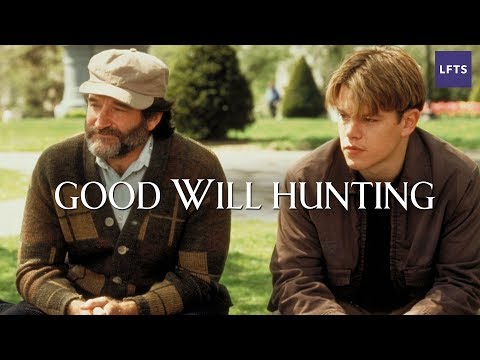
Good Will Hunting • The Psychology of Character
These flaws drive the narrative, creating tension as we witness Will's struggle to open up and confront his painful past. Interestingly, these very flaws pave the way for his profound character growth and eventual resolution.
Will Hunting's character is defined not only by his genius but also by the internal challenges he faces. Through these challenges, we witness his remarkable transformation.
Psychological flaws are internal conflicts that stem from a character's mind. They could be rooted in past trauma, mental health issues, or deeply ingrained fears and phobias. These flaws can distort a character's perception of reality, influencing their actions, decisions, and relationships.
Full List of Character Flaws
Physical Flaws
Physical flaws, in the context of storytelling, are tangible imperfections that a character may possess. These can range from scars that hint at past traumas, to a lack of physical strength or a distinctive physique, or even disabilities. They are visible markers that often serve as reminders of a character's past experiences or inherent challenges.
Captain Ahab from Herman Melville's "Moby Dick" is a classic example of a character with physical flaws. His prosthetic leg, crafted from a whale's jawbone, serves as a symbol of his past, obsession, and revenge against the white whale, Moby Dick.
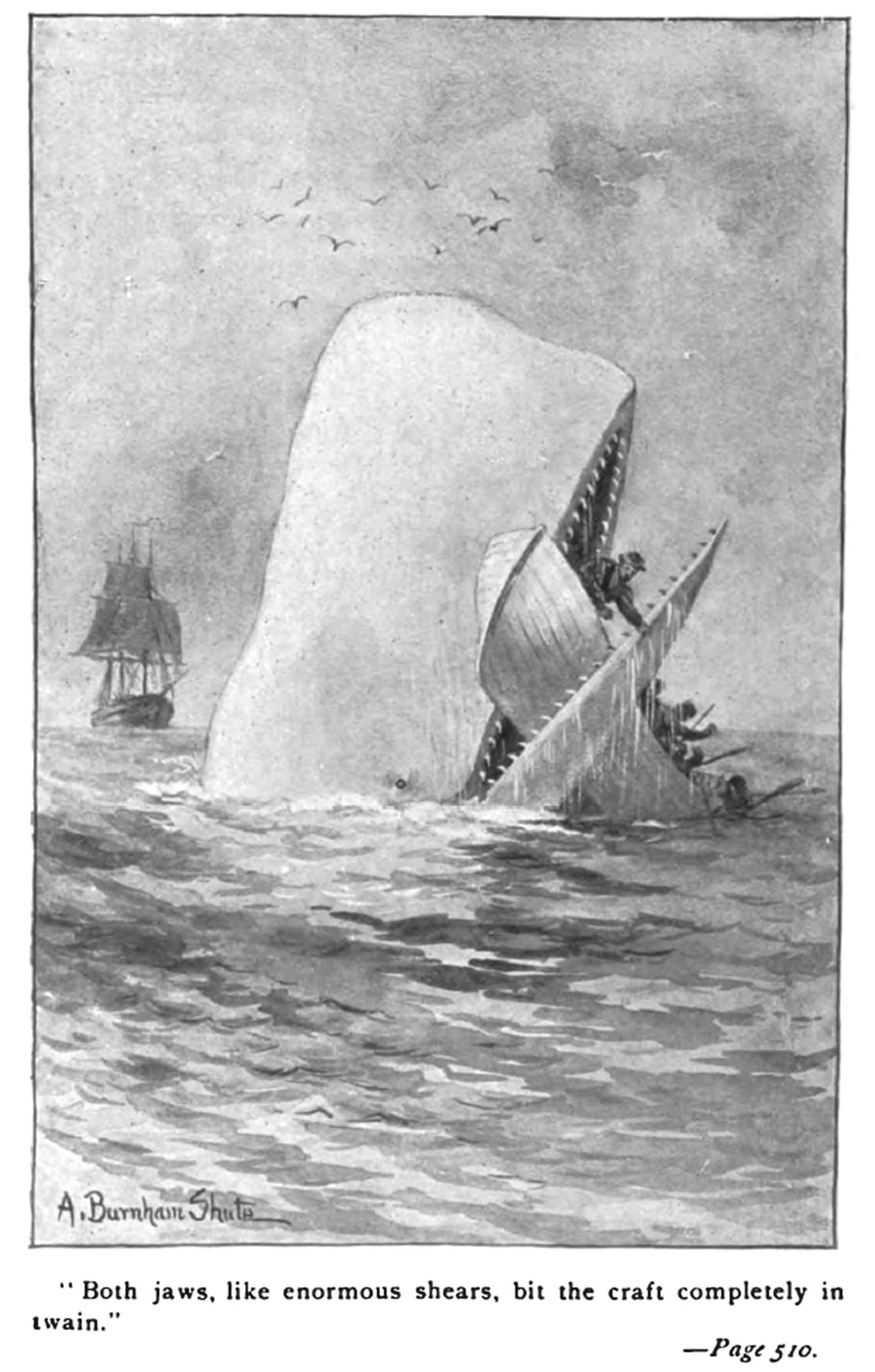
Moby Dick • The Psychology of Character
These flaws significantly impact a character's personality and actions, fueling insecurity, resilience, and determination. For Captain Ahab, his physical flaw drives his vengeful obsession, shaping his relentless and monomaniacal personality.
Related Posts
Common Character Flaws List
Intellectual Flaws
Intellectual flaws are shortcomings or weaknesses in a character's cognitive abilities, judgment, or wisdom. They can manifest as naivety, absent-mindedness, lack of insight, or even an over-reliance on intellect at the expense of emotional intelligence. These flaws are not about a character's IQ but rather about their decision-making, problem-solving skills, and how they perceive and interact with the world around them.
One of the most famous characters from literature with an intellectual flaw is Victor Frankenstein from Mary Shelley's Frankenstein. Despite his scientific genius, he lacks the foresight and moral judgment to consider the consequences of creating life, leading to his downfall.
In cinema, we have Dr. John Hammond from Jurassic Park, whose overconfidence in his chaos theory blinds him to the dangers of the park until it's too late.
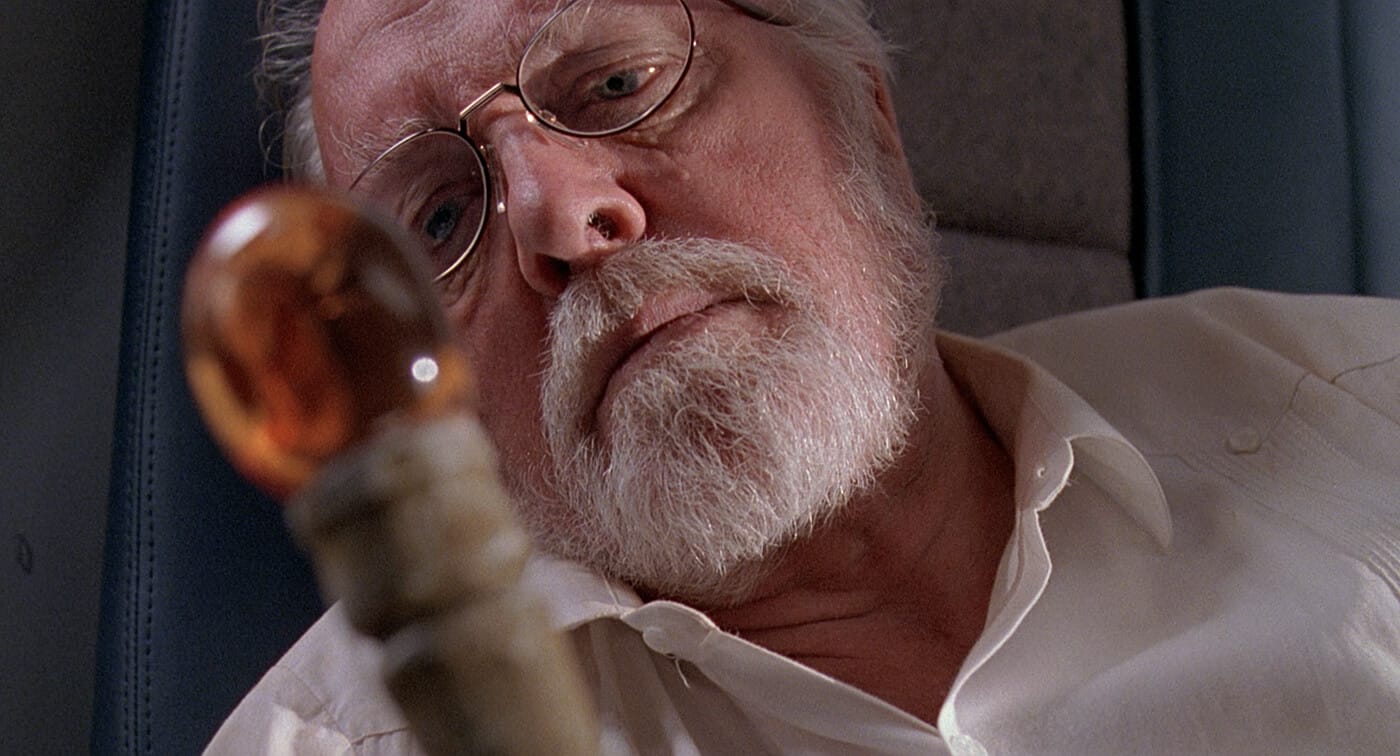
The Psychology of Character in Jurassic Park
Intellectual flaws play a crucial role in driving the plot and adding layers of dramatic irony. Dramatic irony occurs when the audience knows something that the character doesn't. For instance, in Frankenstein, the readers know that Victor's creation will lead to disaster long before he realizes it, creating suspense and intrigue.
Intellectual flaws often lead characters to make poor decisions, which then propel the plot forward. These flaws can lead to conflict, tension, and unexpected twists, making the story more engaging and unpredictable.
How Character Flaws Work
Interpersonal Flaws
Interpersonal flaws are all about how a character interacts - or fails to interact - with the people around them. They could be a hot-tempered nature that leads to fiery confrontations, an inability to communicate effectively causing misunderstandings, or even a tendency to be overly critical, pushing people away.
A great example of this is Walter Sobchak in The Big Lebowski. Walter's short temper, aggression, and inability to control his emotions often land him in trouble, especially with his friend, the laid-back Dude.

Walter Gets Out Of Control! • The Big Lebowski
Interpersonal flaws play a crucial role in storytelling, igniting tension and conflict between characters. By doing so, they bring depth and complexity to their relationships. Moreover, these flaws can serve as significant obstacles for a character's growth or redemption arc.
In the end, it's all about embracing our flaws and imperfections, as they make us and our characters perfectly human. Just like real people, your characters should have their own quirks and idiosyncrasies.
Flaws breathe life into them, adding complexity and authenticity. So, next time you create characters, don't forget to give them a touch of imperfection. It's these flaws that will captivate readers and audiences, allow them to believe the characters and story they are being told.
Up Next
What is Hamartia?
Now that we've covered the different types of character flaws, let's delve into a specific term often used to describe tragic flaws in literature and drama - 'Hamartia'.
Up Next: What is Hamartia? →