Pagan horror movies tap into one of humanity’s oldest fears: the idea that ancient belief systems never disappeared. They simply survived beneath the surface. These films transform forests, harvest rituals, seasonal festivals, and forgotten gods into sources of dread. Nature itself often feels conscious. Communities move with frightening unity. Sacrifice becomes sacred obligation rather than villainy.
Pagan horror overlaps heavily with folk horror movies, but the focus is more specific. Folk horror is broadly about rural isolation, old customs, and community threats. Pagan horror centers explicitly on pre-Christian belief systems, ritual worship, and the return of ancient spiritual forces.
The best pagan horror movies feel disturbing because belief is treated sincerely. Nobody thinks they are evil. The communities in these films genuinely believe they are preserving cosmic balance, fertility, or spiritual truth. That conviction makes the genre uniquely unsettling. It also connects pagan horror to a wider tradition of ritual horror films that treat spiritual violence as morally coherent within its own system.
This list covers 15 defining films across decades and countries, from British folk horror classics to modern psychological nightmares and experimental art horror.
Pagan horror movies
Pagan horror definition
As we covered, the meaning of pagan horror movies can get broad. So, let's narrow it down just right by establishing a clean and clear definition.
Pagan Horror Explained
What is pagan horror?
Pagan horror is a subgenre of horror built around pre-Christian religion, ritual practice, and nature-based spiritual systems. These films often portray ancient traditions as active forces surviving beneath modern society. Understanding the folk horror definition helps here: folk horror is the broader category, and pagan horror sits within it as the branch most focused on organized ritual worship.
The horror usually emerges through cultural collision. Outsiders enter isolated spaces and slowly realize the old beliefs are real. Ritual sacrifice, seasonal ceremonies, and communal devotion become terrifying because everyone involved sees them as morally necessary.
Many pagan horror movies also position nature itself as threatening. Forests, fields, animals, and landscapes seem spiritually alive. The environment participates in the horror rather than simply framing it visually.
Modern pagan horror frequently overlaps with psychological horror too. Characters experience spiritual disorientation alongside physical danger. Reality itself begins to feel unstable once the old systems reveal themselves.
Key Characteristics of Pagan Horror:
- Ancient belief systems shape the story's central conflict
- Rituals and ceremonies drive major plot developments
- Nature often feels alive, sacred, or threatening
- Isolated communities protect long-forgotten traditions
- Sacrifice is portrayed as a spiritual necessity
- Old gods, folklore, and myth influence events
HORROR SUBGENRES GUIDE
Pagan Horror vs. Folk Horror
Aren't pagan horror movies the same as folk horror? Not quite.
Folk horror is the broader category. Pagan horror is one branch within it.
Folk horror movies usually involve rural isolation, hostile communities, and traditional customs. Pagan horror focuses more specifically on ritual worship, sacrifice, old gods, and explicitly pre-Christian religious structures.
Not all folk horror is pagan horror. Some films lean more heavily into witchcraft, fairy folklore, or social paranoia instead of organized spiritual ritual.
PAGAN HORROR TROPES
Core tropes of pagan horror films
Certain recurring ideas appear across pagan horror movies repeatedly. These tropes help define pagan horror visually and psychologically.
- Isolated ritual communities
- Nature as menace
- Sacred sacrifice systems
- Outsider protagonists
- Ancient deity worship
- Collective belief horror
- Rural spiritual spaces
- Ritualized violence
- Seasonal symbolism
- Pre-Christian mythology
Related Posts
Best Pagan Horror movies
The best Pagan horror movies
Pagan horror movies have evolved dramatically over time. Some films are quiet psychological studies. Others become surreal art films or brutal occult nightmares. Together, they reveal how flexible the genre can be.
Many of the best folk horror movies ever made overlap directly with pagan horror movies and their traditions. These 15 films define the genre. Check out our top 8 in the chart below before getting a list of the full 15.
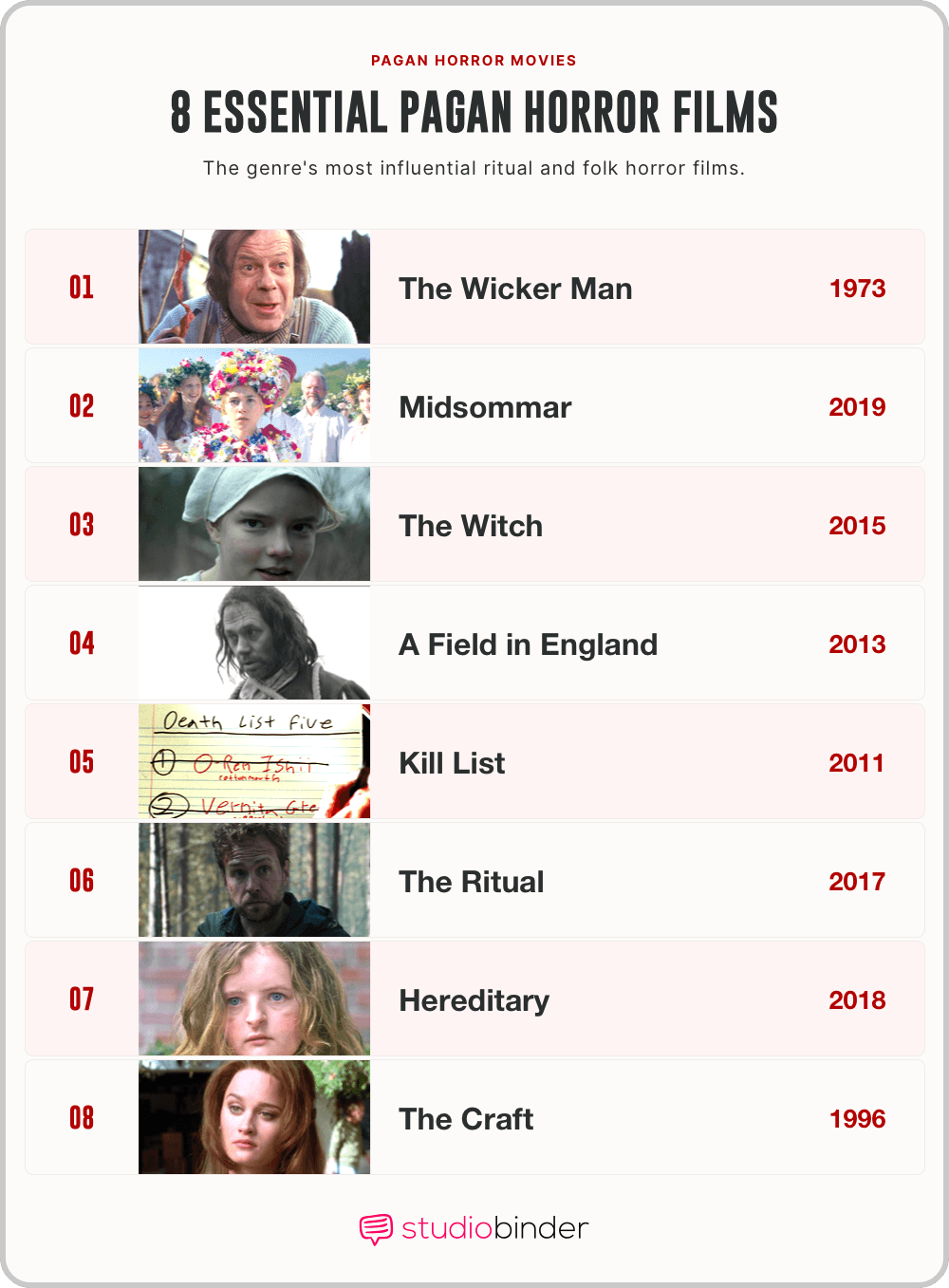
Essential Films of the Genre • Best pagan horror movies
Best pagan horror movies
1. The Wicker Man (1973)
Robin Hardy's The Wicker Man remains the definitive pagan horror film.
A Scottish police officer arrives on the isolated island of Summerisle to investigate a missing child. What he discovers is not a hidden evil cult, but a fully functioning pagan society built around Celtic ritual and agricultural sacrifice.
That sincerity is what makes the film frightening. The islanders are not secretly malicious. They genuinely believe their rituals preserve fertility and survival. Christopher Lee's Lord Summerisle remains one of horror cinema's most intelligent antagonists because his worldview feels internally coherent.
The film also weaponizes celebration. Songs, dancing, sexuality, and festival rituals slowly become psychologically disturbing because joy masks violence underneath.
Most importantly, The Wicker Man understands collective belief as horror. The terror comes from realizing everyone around the protagonist accepts the sacrifice completely.
Example: The May Day procession
This sequence works because the entire community participates enthusiastically. Nobody behaves like a stereotypical horror villain. The sincerity of the ritual makes the atmosphere deeply unsettling.
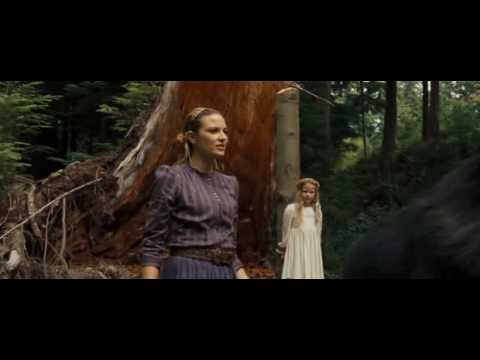
Wicker Man: Nic Cage in a Bear Costume • Best pagan horror movies
The scene also demonstrates one of the core mechanics of pagan horror: the outsider realizes too late that the social order itself is built around sacrifice. Escape becomes psychologically impossible before it becomes physically impossible in this pagan horror movie.
MODERN PAGAN HORROR movies
2. Midsommar (2019)
Ari Aster's Midsommar redefined modern pagan horror by placing nearly the entire film in broad daylight. It remains the most important entry in Midsommar folk horror discourse precisely because it stripped away darkness as a safety mechanism.
Horror comes from emotional vulnerability rather than darkness. Dani arrives in Sweden psychologically devastated after a personal tragedy. The commune offers empathy, ritual structure, and emotional belonging. That acceptance slowly becomes terrifying.
Aster researched Scandinavian folk traditions extensively, which gives the rituals unusual authenticity. Ceremonies, symbols, chants, and seasonal practices feel culturally grounded instead of randomly invented.
The film also reverses traditional horror logic. Dani is not simply victimized by the commune. She is emotionally absorbed into it. By the ending, liberation and destruction become psychologically intertwined.
Visually, Aster transforms flowers, sunlight, and pastoral beauty into sources of unease. The environment feels spiritually overwhelming rather than comforting.
Example: The attestupa ritual
This sequence works because Aster refuses sensational editing. The camera stays observational and calm, which makes the violence psychologically unbearable. Nobody in the commune reacts with horror. Their emotional normality destabilizes the audience completely.
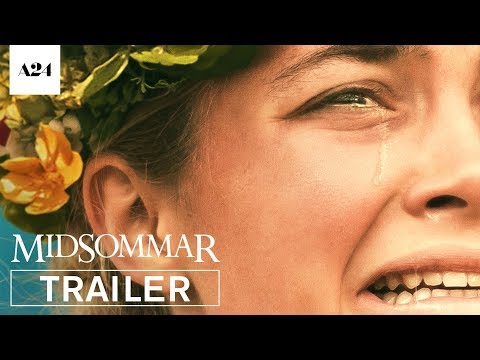
Midsommar Trailer • Best pagan horror movies
The aftermath matters just as much as the violence itself. Dani does not immediately reject the community after witnessing the ritual. Instead, the experience deepens her emotional dependence on them. That inversion is what makes Midsommar such an effective pagan horror film.
COLONIAL FOLK HORROR
3. The Witch (2015)
Robert Eggers' The Witch 2015 transforms Puritan paranoia into existential horror.
The film follows a New England family exiled to the edge of the wilderness. Isolation, repression, and religious extremism gradually destroy them psychologically.
Eggers based much of the dialogue on historical witch trial transcripts and Puritan writings. That precision gives the film unusual authenticity. Characters genuinely believe evil surrounds them constantly.
What makes The Witch especially powerful is its ambiguity around freedom. Thomasin's journey is horrifying, but the film also frames witchcraft as liberation from patriarchal repression.
Black Phillip ultimately functions less like a metaphor and more like a genuine pagan presence.
Example: "Wouldst thou like to live deliciously?"
This scene works because the performance remains quiet and restrained. Temptation becomes intimate rather than explosive. The calmness makes the evil feel spiritually seductive.

The Witch Black Phillip • Best pagan horror movies
The scene also reframes the entire film psychologically. Thomasin is not simply corrupted. She chooses to escape from a world that has already condemned her emotionally long before supernatural forces arrive.
Pagan horror movies
4. Blood on Satan's Claw (1971)
Piers Haggard's Blood on Satan's Claw helped establish the foundations of British folk horror.
Set in rural seventeenth-century England, the film follows a village descending into pagan hysteria after a mysterious demonic skull is uncovered in a field.
Unlike The Wicker Man, the paganism here feels chaotic and contagious. Children form violent cult-like groups. Bodies become sites of corruption. The countryside itself seems spiritually infected.
The film also introduced many visual ideas that later pagan horror movies would borrow repeatedly: earthy landscapes, ritual circles, animal imagery, and organic body horror.
Example: The discovery of the claw
The sequence works because the horror emerges from the land itself. The earth literally produces corruption, which reinforces the genre's obsession with nature as an active menace.
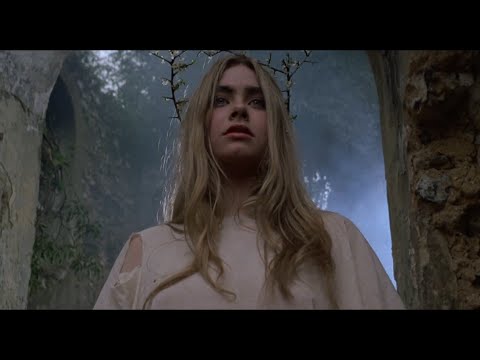
The Blood on Satan's Claw • Best pagan horror movies
The film deserves recognition alongside The Wicker Man and Witchfinder General as one of the foundational texts of British folk horror cinema.
CULT HORROR THRILLER
5. Kill List (2011)
Ben Wheatley's Kill List begins as domestic realism before mutating gradually into pagan nightmare.
The first act feels almost like kitchen-sink drama. Then it becomes a hitman thriller. Only in the final act does the film fully reveal itself as folk horror.
That genre instability is exactly what makes the film so disturbing. Wheatley constantly removes narrative certainty from the audience. Nothing feels stable for long.
The pagan cult itself remains deliberately unexplained. Masks, symbols, rituals, and cryptic gestures appear without exposition. The audience experiences the conspiracy the same way the protagonist does: through fragments.
Example: The tunnel sequence
This scene works because Wheatley strips away explanation entirely. Ritual imagery becomes frightening precisely because the audience never fully understands its meaning.
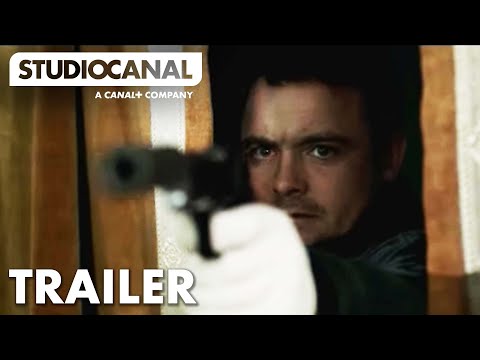
Kill List Trailer • Best pagan horror movies
The ending lands with such force because the film has psychologically exhausted the audience beforehand. By the finale, confusion itself becomes part of the horror experience.
Pagan horror movies
6. A Field in England (2013)
Ben Wheatley's A Field in England pushes pagan horror into psychedelic territory.
Set during the English Civil War, the film follows deserters who fall under the influence of an alchemist in an isolated field. Reality begins dissolving through mushrooms, occult ritual, and paranoia.
The stark black-and-white cinematography gives the film an almost hallucinatory texture. Landscapes feel spiritually empty and overwhelming simultaneously.
Unlike more accessible ritual horror films, Wheatley prioritizes mood and psychological fragmentation over conventional narrative clarity.
Example: The mushroom sequence
The scene works because Wheatley commits fully to sensory disorientation. Editing, sound, and performance all collapse into psychological chaos.

A Field in England Trailer • Pagan horror movies
This is one of the genre's most challenging films, but also one of its most rewarding for viewers interested in experimental folk horror.
Pagan horror movies
7. The Ritual (2017)
David Bruckner's The Ritual works because it combines psychological grief with ancient Norse horror.
The film follows four friends hiking through the forests of Sweden after the violent death of a mutual friend. What begins as emotional tension gradually becomes supernatural terror as they encounter evidence of pagan worship deep within the woods.
The forest itself becomes psychologically hostile. Trees distort orientation. Pathways seem to close around the characters. Sleep stops functioning as emotional recovery. Nature feels conscious.
The film's greatest achievement is its creature design. The entity stalking the group is a Jotunn, a monstrous figure drawn from Norse mythology. Rather than relying on familiar demon imagery, the creature feels ancient, sacred, and biologically wrong.
Bruckner also uses guilt structurally. Luke's trauma over his friend's death makes him psychologically vulnerable long before the supernatural elements fully emerge.
Example: The abandoned cabin
This scene works because the film shifts gradually from realism into nightmare logic. The pagan symbols upstairs create dread before the audience fully understands what they represent.
![The Ritual | Official Trailer [HD] | Netflix](https://i.ytimg.com/vi/Vfugwq2uoa0/hqdefault.jpg)
The Ritual Trailer • Good pagan horror movies
The nightmare sequences afterward deepen the psychological horror. Luke's unresolved guilt becomes inseparable from the creature haunting the forest.
Best pagan horror movies
8. Apostle (2018)
Gareth Evans's Apostle combines folk horror with brutal physical violence.
The film follows a man infiltrating an isolated Welsh island cult to rescue his kidnapped sister. What he discovers is not simply religious fanaticism, but a community built around a captured earth deity.
The film clearly descends from The Wicker Man, but Evans pushes the violence much further. Bones break. Flesh tears. Ritual punishment becomes physically extreme.
What makes the film interesting within pagan horror is the mythology underneath the brutality. The cult does not worship metaphorically. The island's spiritual force appears genuinely real, and the community structures its entire existence around appeasing it.
The film also explores how belief systems decay. The cult's rituals no longer feel spiritually pure. Power, fear, and desperation have corrupted them.
Example: The grinding machine execution
The scene works because Evans frames ritual violence industrially rather than mystically. Pagan sacrifice becomes horrifyingly mechanical.
![Apostle | Official Trailer [HD] | Netflix](https://i.ytimg.com/vi/J1JdWOqc9Q8/hqdefault.jpg)
Apostle Trailer • Pagan horror movies
That physical brutality separates Apostle from slower atmospheric folk horror films. Evans approaches the genre with the intensity of survival horror.
WITCHCRAFT pagan HORROR movies
9. Lords of Salem (2012)
Rob Zombie's Lords of Salem is the closest he has come to pure art horror.
The film follows a radio DJ who receives a mysterious vinyl record connected to a centuries-old witches' coven. Gradually, Salem's buried pagan history begins resurfacing psychologically and spiritually.
Unlike Zombie's more aggressive horror films, Lords of Salem moves slowly and atmospherically. The influence of filmmakers like Stanley Kubrick becomes obvious through symmetrical framing, dream imagery, and psychological pacing.
The film also approaches feminine spiritual horror differently than many occult horror movies. The coven's power feels tied to suppressed female rage, historical persecution, and inherited trauma.
Example: Heidi walks through the hallway visions
The sequence works because Zombie prioritizes dream logic over explanation. Images feel spiritually oppressive without becoming fully literal.

The Lords Of Salem Trailer • Great pagan horror movies
The film remains divisive partly because it resists traditional payoff structure. Viewers willing to embrace atmosphere over narrative clarity often consider it Zombie's strongest work.
ECOLOGICAL HORROR
10. In the Earth (2021)
Ben Wheatley's In the Earth feels inseparable from the COVID era in which it was made. A unique trait for the larger catalogue of pagan horror movies.
The film follows scientists entering a forest during a global pandemic, only to encounter ritualistic behavior centered around a mysterious nature entity.
Isolation defines every aspect of the film. Characters distrust each other constantly. Human contact feels unstable. Nature becomes spiritually invasive rather than restorative.
Wheatley also pushes the this pagan horror movie toward ecological horror. The forest does not simply contain danger. It behaves like an intelligence operating outside human understanding.
The film's stroboscopic ritual sequences are some of the most visually aggressive scenes in modern horror. The sensory overload creates genuine psychological exhaustion.
Example: The forest ritual sequence
This scene works because Wheatley abandons realism completely. Flashing imagery and distorted sound create sensory panic rather than traditional suspense.

In The Earth Trailer • Best pagan horror movies
The film also demonstrates Wheatley's growing importance within modern folk horror. Across Kill List, A Field in England, and In the Earth, he repeatedly reimagines pagan horror through different cinematic styles.
FOLK HORROR ALLEGORY
11. Men (2022)
Alex Garland's Men turns pagan imagery into psychological allegory.
After experiencing personal trauma, Harper retreats to the English countryside only to encounter a village where every man appears to share the same face.
Garland weaves Green Man mythology directly into the film's visual language. Pagan carvings appear constantly. Faces emerge from leaves and church architecture. Nature itself seems tied to masculine violence and repetition.
The film's final act becomes aggressively surreal. Body horror, rebirth imagery, and mythological symbolism collapse together into one extended nightmare.
Jessie Buckley's performance grounds the film emotionally even as reality becomes increasingly abstract. This is yet another reason why this A24 film has made it on our best pagan movies list.
Example: The Green Man appears in the garden
The scene works because Garland makes the pagan symbolism explicit without explaining it fully. The imagery feels ancient and invasive simultaneously.
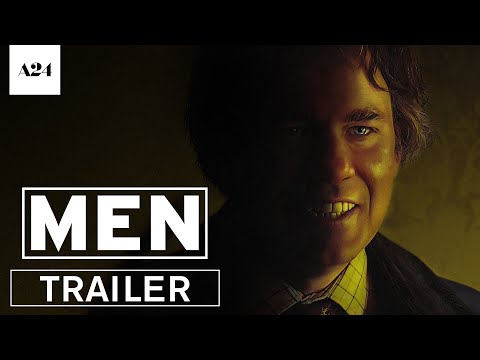
Men Trailer • Greatest pagan horror movies
The film divided audiences partly because Garland prioritizes symbolic repetition over narrative realism. But that mythic abstraction is exactly what makes it effective as pagan horror.
Best pagan horror movies
12. Gaia (2021)
Jaco Bouwer's Gaia pushes pagan horror into ecological and fungal terror territory, creating one of the most visually distinctive entries in the modern genre.
The film follows Gabi, a South African forest ranger who becomes stranded in a remote forest after an accident and encounters a father and son living in isolation while worshipping a mysterious nature entity connected to fungal growth.
What separates Gaia from many pagan horror movies is its ecological focus. The spiritual force in the film does not feel symbolic alone. It feels biological. Fungi spread through bodies, trees, soil, and consciousness simultaneously. Nature behaves less like scenery and more like a planetary organism reclaiming dominance.
The South African setting also gives the film a different energy than most European folk horror movies. The forests feel humid, dense, and alive in ways that fundamentally alter the atmosphere. This is not the cold pastoral dread of British folk horror. It is ecological suffocation.
The film also taps into a specifically modern anxiety: humanity losing control over the natural world it believed it dominated. The fungal deity does not behave like a traditional demon or monster. It feels ancient, organic, and indifferent to human survival.
Bouwer's creature design is especially effective because it balances body horror with realism. Infected humans appear overtaken by spores and vegetation rather than transformed into conventional monsters. The imagery feels plausible enough to become deeply uncomfortable.
Psychologically, Gaia functions through gradual spiritual seduction. Barend, the survivalist father, does not behave like a stereotypical cult leader. He genuinely believes the forest is sacred and that humanity deserves correction for violating natural balance.
The film also uses sound exceptionally well. Cracking wood, wet fungal textures, breathing, and forest ambience create constant sensory unease. Nature itself seems to communicate through sound design.
Visually, the movie often resembles a decaying fairy tale. Green light, moss-covered bodies, and organic textures create an atmosphere where the boundary between life and decomposition disappears completely.
Example: The infected creatures emerge from the forest
This sequence works because the horror feels ecological rather than supernatural. The creatures move like extensions of the environment itself, as though the forest is physically reshaping human bodies.

Gaia Trailer • Pagan horror movies
The scene also demonstrates why Gaia feels so distinct within modern pagan horror. The terror does not come from ritual sacrifice alone. It comes from humanity realizing nature no longer needs humanity at all.
Pagan horror movies
13. Hereditary (2018)
Ari Aster's Hereditary functions simultaneously as family tragedy and ritual horror.
After the death of the family matriarch, hidden spiritual structures gradually emerge around the Graham family. What initially appears psychological eventually reveals itself as ritual inevitability.
The cult worships Paimon, a demonic entity drawn from grimoire traditions rather than mainstream Christian theology. The rituals feel pagan because they depend on devotion, sacrifice, prophecy, and inherited spiritual systems.
Aster also structures the film around inevitability. Every event feels predetermined long before the characters understand the grand design surrounding them.
The miniature houses Annie builds reinforce this idea visually. The family behaves like figures inside a ritual model they cannot escape.
Example: Annie discovers the ritual space
The sequence works because realization arrives too late. The horror comes from understanding that the family was never in control of events at all.
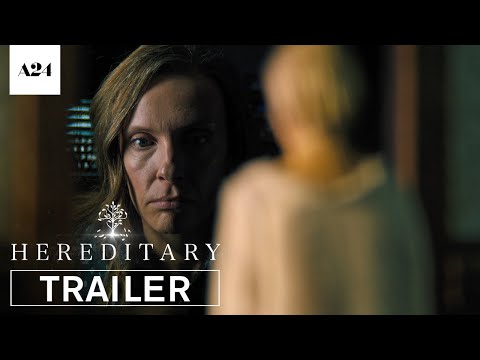
Hereditary Trailer • Scary pagan horror movies
The film's final act becomes terrifying because resistance collapses completely. The cult's belief system wins absolutely.
Pagan horror movies
14. Lamb (2021)
Valdimar Johannsson's Lamb approaches pagan horror through silence, grief, and mythic inevitability rather than conventional fear.
The film follows an isolated Icelandic couple, Maria and Ingvar, who discover a half-human, half-lamb child and decide to raise her as their own. What makes the premise disturbing is how emotionally normal the characters treat it. Nobody screams. Nobody demands scientific explanation. The impossible gradually becomes domestic reality.
That emotional sincerity is what gives the film power. Lamb understands that pagan horror often emerges from humanity attempting to negotiate with nature emotionally rather than dominate it rationally. Maria and Ingvar accept Ada because she fills an emotional absence in their lives. Love overrides logic.
The Icelandic landscape is crucial to the film's atmosphere. Mountains, fog, silence, and open terrain create constant spiritual unease. Nature feels ancient and watchful. The environment does not simply frame the story. It observes it.
The film also draws heavily from Nordic folklore traditions involving hybrids, spirits, and the idea that nature eventually reclaims what humans try to possess. Unlike many occult horror movies, Lamb avoids explicit exposition. The mythology remains partially hidden, which makes the story feel older and stranger.
Johannsson's pacing is deliberately slow. Long silences and repetitive domestic routines create hypnotic rhythm. That stillness allows small disturbances to feel psychologically enormous.
The horror also depends on denial. Maria especially refuses to acknowledge the unnatural reality of what she has done. The film slowly reveals that the family structure itself is spiritually unstable from the beginning.
What makes the ending devastating is that nature never behaves vindictively. It simply restores balance. The final act feels less like revenge than cosmic correction.
Example: Ada joins the family dinner
The scene works because the film presents the impossible completely matter-of-factly. The parents behave with such emotional normality that the audience begins adjusting psychologically alongside them.
Lamb Trailer • Pagan horror movies
The quietness of the sequence is essential. Johannsson avoids dramatic music or horror editing entirely. Instead, discomfort emerges through contrast between ordinary domestic behavior and the deeply unnatural reality sitting at the table.
The scene also reveals how effectively Lamb uses emotional attachment as misdirection. The audience gradually stops questioning Ada's existence because the characters love her so completely.
Pagan horror movies
15. The Craft (1996)
Andrew Fleming's The Craft remains one of the most culturally influential pagan horror movies ever made because it brought neo-pagan imagery into mainstream teen cinema without treating it as purely ridiculous or evil.
The film follows four teenage girls who begin practicing witchcraft through rituals centered around the deity Manon. What initially feels empowering gradually becomes psychologically destructive as insecurity, jealousy, loneliness, and anger intensify their use of magic.
Unlike many 1990s studio horror films, The Craft takes ritual seriously. Candles, invocations, altars, elemental symbolism, and spell structures are treated with surprising sincerity. A practicing Wiccan reportedly worked as a consultant on the production, which shaped aspects of the film's ritual language and spiritual imagery.
That authenticity mattered culturally. After release, interest in Wicca and neo-pagan spirituality reportedly increased significantly among younger audiences. The film became many viewers' first exposure to pagan practice outside sensationalized Satanic horror.
Psychologically, the film works because witchcraft operates as emotional amplification. The girls' powers intensify traits already inside them. Nancy's rage becomes domination. Bonnie's insecurity becomes obsession with beauty. Rochelle's humiliation becomes vengeance.
The film also taps into adolescent identity formation exceptionally well. The rituals function emotionally as attempts to reclaim agency within systems that marginalize or humiliate the characters socially.
Fairuza Balk's performance as Nancy remains central to the film's power. She plays the character with genuine volatility. Nancy does not simply become evil. She becomes intoxicated by finally feeling powerful after years of instability and abuse.
Visually, The Craft helped define a generation of occult aesthetics. Catholic school uniforms, black clothing, candles, moon imagery, and ritual circles became deeply associated with 1990s witchcraft culture afterward.
The film's approach to pagan horror is also unusually accessible. Unlike slower folk horror movies, The Craft moves quickly and emotionally. That energy makes it one of the easiest entry points into the genre for new viewers.
Example: The beach invocation ritual
The sequence works because the film treats the ritual with complete emotional sincerity. The girls are not mocking the ceremony or performing it ironically. They genuinely believe they are contacting something larger than themselves.

The Craft Trailer • Pagan horror movies
The atmosphere also shifts noticeably during the scene. Wind, sound design, and camera movement create the feeling that nature itself is responding to the ritual.
That moment establishes the film's core idea: belief has power long before the supernatural consequences fully emerge.
Related Posts
Frequently Asked Questions
Pagan horror FAQs
Pagan horror is a subgenre of horror centered around pre-Christian, nature-based, or polytheistic belief systems. The horror comes from realizing ancient rituals and spiritual traditions are real, active, and often indifferent to modern morality. Unlike standard supernatural horror, pagan horror usually emphasizes community belief. Entire societies participate in the rituals, which makes the threat feel culturally overwhelming.
Folk horror is the broader category. It usually involves rural isolation, hostile communities, and old traditions. Pagan horror specifically focuses on ritual worship, sacrifice, and pre-Christian religious systems. All pagan horror is folk horror, but not all folk horror is pagan.
Yes, although it approaches the genre differently than films like The Wicker Man or Midsommar. The cult in Hereditary worships Paimon through ritual sacrifice and inherited spiritual devotion. Even without forests or rural pagan communities, the film still operates through core pagan horror ideas: ritual inevitability, ancient belief systems, and collective spiritual practice.
Pagan horror requires two elements: a pre-Christian or nature-based belief system, and a community that treats that system as spiritually legitimate. General occult horror often involves isolated individuals dealing with supernatural forces. Pagan horror is about collective belief. The terror usually comes from realizing an entire community has organized itself around a practice the protagonist cannot escape socially or physically.
The Wicker Man (1973) is the most essential starting point. It established the genre's core mechanics: isolated community, sincere belief, outsider protagonist, ritual sacrifice as social order. Midsommar (2019) is the best modern entry point because it is visually accessible and emotionally direct. The Craft (1996) works well for viewers who want a faster-paced, more narrative-driven introduction to pagan horror.
UP NEXT
What is Analog Horror?
Now that we're through going over pagan horror movies, discover what analog horror is. Learn how the genre uses VHS aesthetics, distorted broadcasts, and found footage storytelling to create fear, and explore the films and series that defined it.