Have you ever had a conversation with someone about one topic but suddenly they change the subject in the most abrupt and out of nowhere way possible? This could count as a non sequitur, a literary device that has shown up in different plays, books, movies, and shows. But what is a non sequitur and how can you identify it? We’ll cover that along with some examples so you can make sure you’ll always recognize it.
Non Sequitur Meaning
Define ‘Non Sequitur’
It should be noted that there are at least two types of ‘non sequitur’: one is a fallacy and the other is a literary device. We will not be covering the non sequitur fallacy, as that is very much its own thing (dealing with philosophy).
NON SEQUITUR DEFINITION
What is a non sequitur?
A non sequitur is a literary device where something is said that has no connection to what was said or being talked about previously. The abrupt and confusing nature of a non sequitur has made it popular in comedy, including absurdist comedy and anti-comedy. However, non sequiturs can show up in any type of comedy, as well as dramatic stories with little to no comedy. Its name is Latin for “does not follow”.
Non sequitur characteristics:
- Topics of conversation being changed at random.
- Dramatic moments being interrupted by something absurd.
- Illogical conversations or events playing out between characters.
Non sequiturs are usually the same in all examples; it’s their execution that can vary. In a comedy, a non sequitur can come from one character saying one thing and another character abruptly changing the topic to something unrelated. But in more dramatic settings, a non sequitur can be more off putting, especially if the change in topic is more serious than what came before.

What is a Non Sequitur • Non sequitur theater
Historically, non sequiturs found a home in the Theatre of the Absurd, which itself is part of the greater umbrella that is absurdist fiction. A post-World War II genre, absurdist fiction and the Theatre of the Absurd tackle the problems of existentialism and the meaning of life (or the lack thereof). These tales would often include non sequiturs throughout the entire narrative, punctuating the nonsensical and pointless lives of the characters and the world they inhabit.
Related Posts
Non Sequitur Examples
Non Sequiturs in Television
Movies have non sequiturs, but for the purposes of showcasing notable examples, television is a better (and easier) bet. Some shows will have characters that are prone to spouting non sequiturs, so it becomes a character trait. One great example would be Ralph Wiggum from animated sitcom The Simpsons, who is very often saying things that don’t make sense.

What is a Non Sequitur • Simpsons
The compilation above features a number of his memorable lines, but the one about his cat’s breath smelling like cat food is a great example of a non sequitur. Ralph is asked if he’d like to participate in a game, and his response has nothing to do with what he was being asked. It especially works for Ralph because you can see him doing and saying something like this. As a result, non sequiturs are often tied to specific characters.
Norm McDonald was certainly a character, and he even played one on TV. During his “Weekend Update” segments on Saturday Night Live, Norm would state news that would end with an unrelated comment, thus putting this example firmly in the camp of absurdism.

What is a Non Sequitur • SNL
On a related note, there might be no better example of non sequiturs on television today than The Eric Andre Show, starring Eric Andre. You can pull any number of clips off of YouTube and get an example of him spouting multiple non sequiturs. You can see an example below, just be mindful that this is absurdist to the extreme.
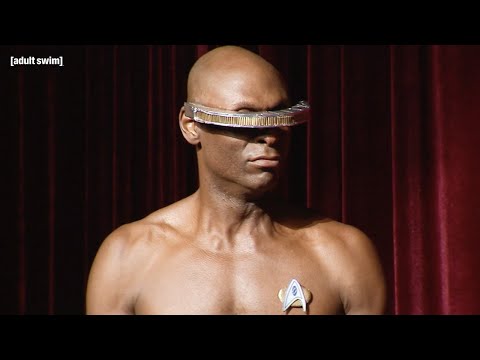
What is a Non Sequitur • Eric Andre
One final example would be a show that became famous for its random cutaway gags: Family Guy. You could call them “forced” non sequiturs, but there have been times when the show seems to be utilizing actual non sequiturs. The scene below, where Peter suddenly talks in non sequiturs to Chris, is an example.

What is a Non Sequitur • Family Guy
Non sequiturs are thus a great device for comedies, but they can be used in more dramatic settings, too. With many examples, you might be inspired to add a non sequitur or two into your next project. Just remember it’s likely going to come off as random, even if your work is comedic or absurdist.
Up Next
How to Write Comedy
Now that you know a thing or two about non sequiturs, you might want to look into how to write a comedy. Our article includes numerous examples, tips, and tricks on how comedies can be written and how you yourself can write something comedic.
Up Next: How to Write a Comedy →