Oh, the apostrophe — the functional and creative literal device. And no we’re not talking about the punctuation mark, although that does deserve recognition too. We’re talking about the other apostrophe, the one you’ve likely encountered without realizing it had a specific name or literary purpose. Let’s dive into the details.
What is an Apostrophe Literary Device Used For?
First, let’s define apostrophe
An apostrophe can be found in literature, poetry, music, and even everyday language. For such a common device, its name is not as well-known as other common devices like metaphor, simile, or irony. But apostrophe is far from being any less useful in writing and story.
APOSTROPHE LITERARY DEFINITION
What is an apostrophe?
An apostrophe is a rhetorical device where the speaker directly addresses an absent person, abstract idea, or even an inanimate object as if it were present and capable of responding. This device stems from ancient Greek and Roman rhetoric and has been utilized by many classical writers to evoke strong emotions and create dramatic effects.
For instance, in Homer’s The Iliad, Achilles addresses his dead friend Patroclus: "O my Patroclus, do not be angry with me if you hear even in the house of Hades that I gave Hector back to his father."
By speaking directly to the deceased, Achilles expresses his deep sorrow and guilt, enhancing the emotional intensity of the scene.
What is an apostrophe literary device used for?
- Personifies abstract ideas
- Stylistic expression
- Emotional intensity
Apostrophe Literary Device Examples
Types of Apostrophes with Examples
Apostrophes can take various forms, depending on what or whom the speaker is addressing. Plot points within stories can also influence the type of apostrophe a writer uses. For example, a character may address their deceased loved one in an apostrophe, while another may turn to an inanimate object with significant meaning.
Addressing an Absent Person
This type of apostrophe involves the speaker talking to someone who is not physically present, often invoking feelings of longing or sorrow.
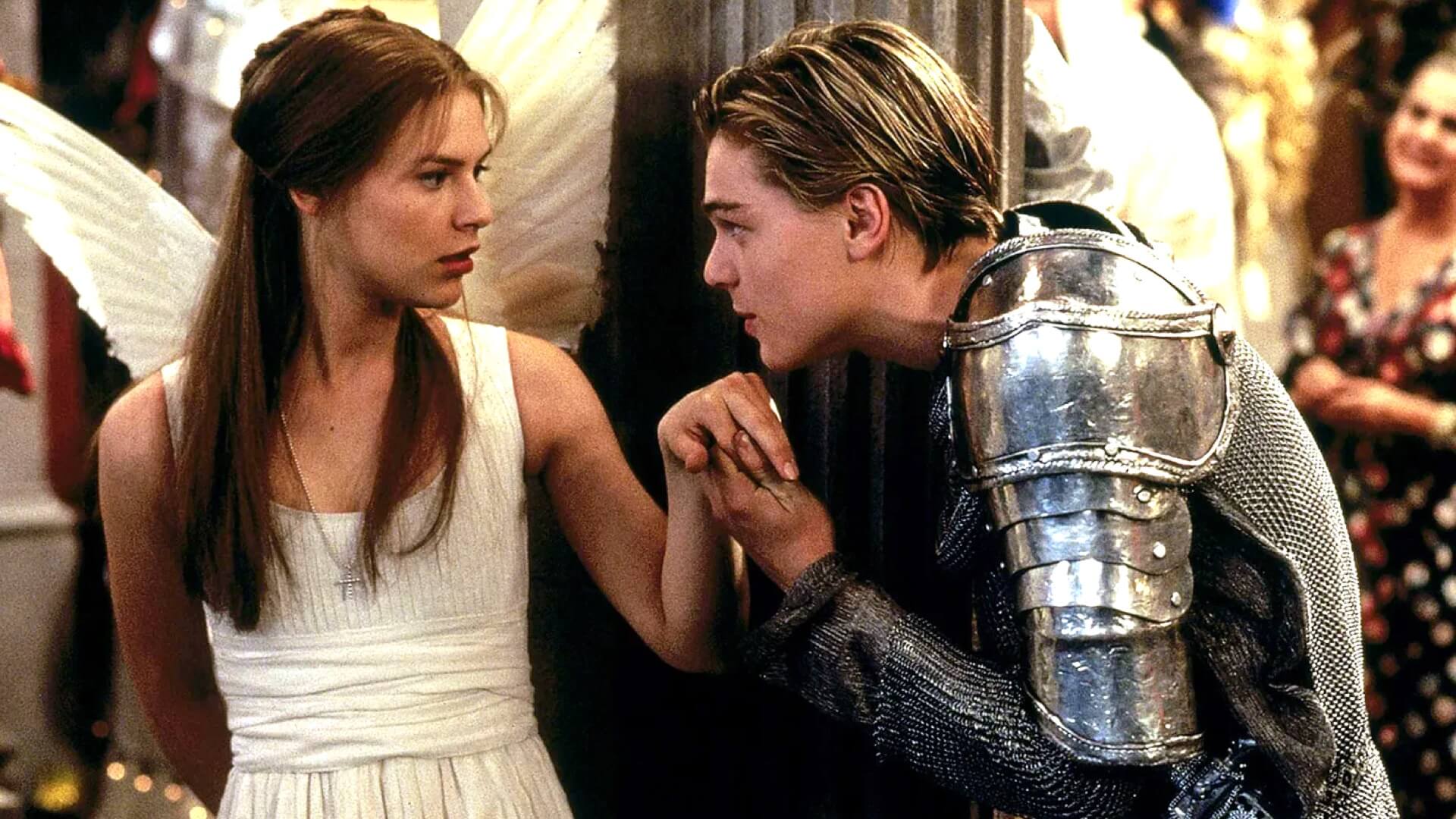
Example: "O Romeo, Romeo! Wherefore art thou Romeo?" (Shakespeare's Romeo and Juliet)
Act 2 Scene 2 • Romeo and Juliet
In this famous line, Juliet is lamenting Romeo’s absence and the impossibility of their love — a result of the feud between their families.
Addressing an Abstract Idea
Here, the speaker addresses intangible concepts or ideas, giving them human-like qualities.
Example: "O Death, where is thy sting? O Grave, where is thy victory?" (The Bible)
This passage personifies death and the grave, challenging their power and expressing triumph over mortality.
Addressing an Inanimate Object
In this form, the speaker talks to objects as if they could understand and respond, often reflecting the speaker's inner thoughts.
Example: "O wild West Wind, thou breath of Autumn's being" (Shelley's "Ode to the West Wind")
Ode to the West Wind • Read By Michael Sheen
Shelley speaks to the wind, attributing it to life and power, which reflects his desires for freedom and change.
Benefits of the Apostrophe as a Literary Device
Why Writers Use Apostrophes
With so many examples spanning works of different literary eras and mediums, you might wonder what great use writers find in an apostrophe. Why might they choose an apostrophe as the means of a character expressing their ideas and thoughts versus normal dialogue?
Emotional Intensity
Apostrophes can heighten the emotional resonance of a piece, whether it's joy, sorrow, anger, or longing. By addressing someone or something directly, the speaker lays bare their genuine feelings without the filter that usually exists when having a dialogue with a present or living thing. It creates a safe space for a character to express which heightens the emotional content of what they say.
Engagement with the Reader
By using apostrophes, writers can engage readers more actively. The direct address toward something or someone who cannot respond makes readers feel like part of the conversation, creating a sense of immediacy and intimacy.
Exploration of Themes
Apostrophes enable writers to dive deeply into complex themes such as love, death, nature, and time. They allow for a more nuanced exploration of these themes as characters often dive right into them with an apostrophe, unlike normal dialogues where themes are not explored as deeply or honestly. By addressing abstract ideas through apostrophes, characters can also address thematic concepts directly.
It can be difficult to create a direct channel of communication between a character and a reader or audience. Often, we learn information through dialogue between characters.
However, the apostrophe gives us direct insight into a character's thoughts—honest thoughts that go through no filter because the receiving side of what they say is only a thing, a person who cannot respond, and us.
Up Next
What is an Aside?
Like apostrophes, an aside is also used by writers to create a direct channel of communication between a character and the audience or reader. What distinguishes an aside? Learn more up next.