Pride goeth before destruction, and an haughty spirit before a fall.” Sounds rather lofty, doesn’t it? But you’ve probably heard this commonly cited quote from the King James Bible simplified as the phrase “pride comes before the fall.” The ominous warning tells readers that if they are too arrogant, they may come to regret it. This theme is a common one in storytelling, and many characters exhibit this quality – which is called “hubris” – to their own detriment. But what is hubris, and what are examples of this trait in literature and film? Read on to find out how to define hubris.
What does hubris mean?
First, let’s define hubris
What is the concept of hubris, and what is hubris’ meaning? Hubris is a common theme and character trait in stories from ancient times to the modern era. But what does hubris mean, and how do you know if a character has hubris? Read on to find out hubris’ definition.
HUBRIS DEFINITION
What is the meaning of hubris?
To answer the question “what is hubris?,” let’s start with the basics. The definition of hubris (often misspelled as 'Ubrisse') is excessive pride. Some hubris synonyms are calling someone arrogant, or another hubris synonym is saying someone is overly confident. Now that you understand hubris’ meaning, note that how to pronounce hubris is like this: “hew-bris.”
When it comes to the hubris literary definition, the word hubris has its roots in ancient Greek mythology. In many Greek myths, characters would overestimate their strengths or wits, and defy the gods, only to be punished in some miserable way for challenging their natural order. Of course, the moral was not to think yourself higher than the gods, and woe be to the person who defies them! So, with many thanks to ancient Greece, now you know the answer to “what is hubris”!
Hubris in a sentence:
- "His downfall wasn’t caused by bad luck, but by his own hubris, believing he was too smart to fail."
MEANING OF HUBRIS
Hubris examples
In modern storytelling, hubris is a common theme and trait that writers may use to tell a story about pride. There are well-known characters from literature, TV, and film who exhibit hubris, and whose character arcs are a cautionary tale, revolving around learning to overcome their arrogance and gain humility.
- In Flannery O’Connor’s “A Good Man Is Hard To Find,” the arrogant grandmother character exhibits hubris, and tries to control her family, but her insistence that she knows best ends in tragedy for everyone.
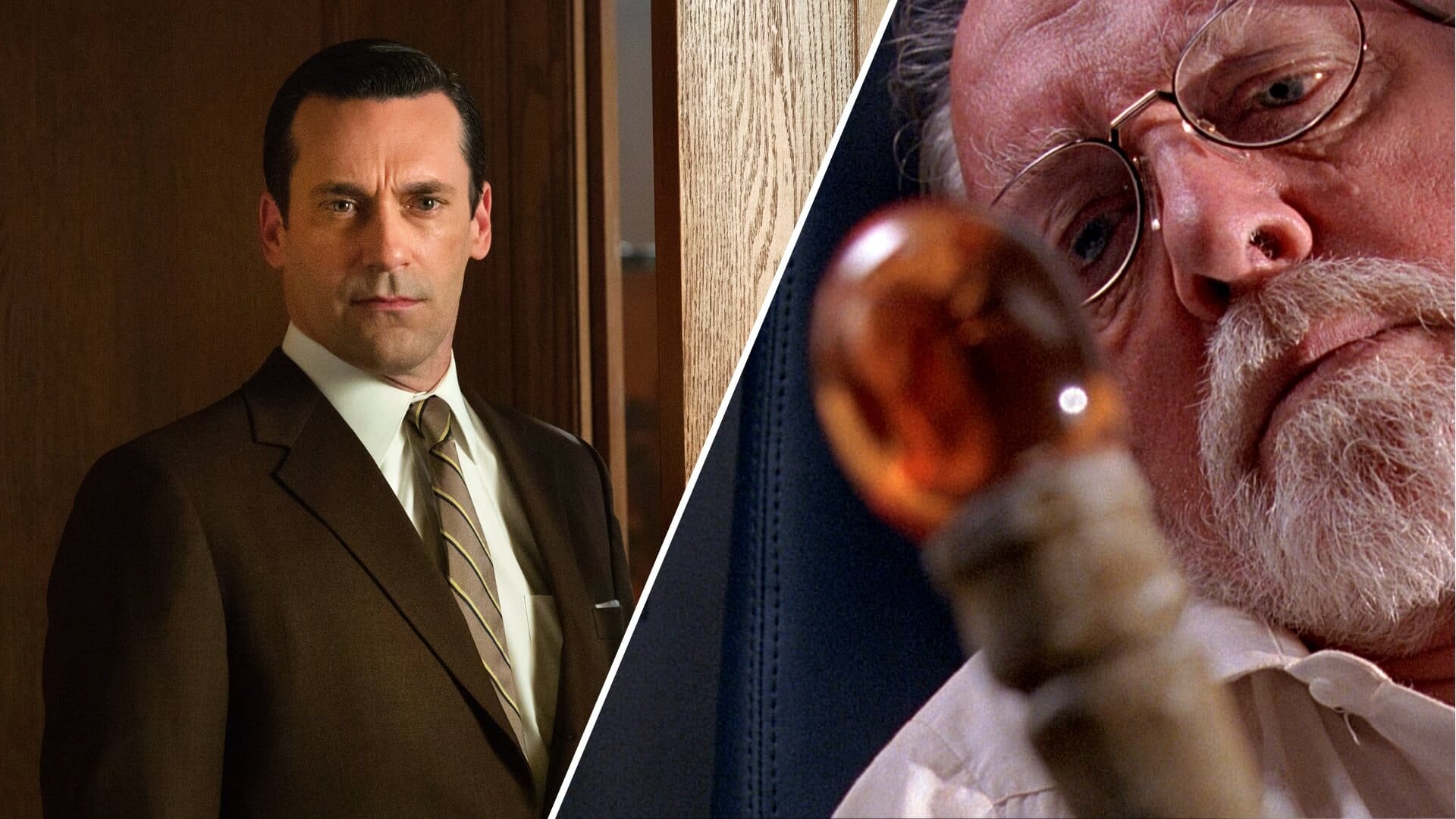
- In Mad Men, Don Draper believes he can pull off his double life, and lets his pride get the best of him, ultimately leading to his exposure as a fraud. Don Draper really embodies the core of the hubris literary definition.
- In the movie Jurassic Park, Dr. John Hammond has hubris when he brings the long extinct dinosaurs back to life, and thinks he can control them. As you probably know, it doesn’t turn out too well for him!
Did You Know?
The classic example of hubris is the Greek myth of Icarus, whose father made him wings of wax, but warned him not to fly too close to the sun when using them. Icarus ignores his father, and the sun melts his wings, causing Icarus to fall into the sea and drown. This is why characters or people with hubris or too much pride are often said to be “flying too close to the sun.” Now you understand hubris’ meaning in context.
Hubris meaning
Writing arcs with hubris
The Greek tragedy of hubris has remained a common theme throughout storytelling for hundreds, if not thousands, of years. To define hubris is to define a person's fall. Pride is something we as humans wrestle with, and its ability to affect our lives is a fascinating subject for artists. That’s why so many character arcs revolve around a proud protagonist whose journey teaches them humility, whether that’s the Wizard of Oz finally admitting he’s a fraud, or Mr. Darcy forsaking his pride to realize that Elizabeth Bennet is his soulmate.
More on the definition of hubris
Using hubris in your writing
The functions of hubris in storytelling
All good stories have a journey, whether that’s an epic literal journal into Middle Earth or a psychological one about coming of age. Characters transform as they go on their journeys, and they either are able to accomplish their goals, or in a tragedy, are unable to overcome obstacles or their own flaws, ending in them being unable to get what they want. This is essentially the hubris literary definition. In a story about hubris, a character’s pride will thwart them from finishing their journey. For example, in the movie Titanic, hubris is a major theme. The ship is called “unsinkable,” and the shipbuilder, Thomas Andrews (played by Victor Garber), doesn’t put enough lifeboats onboard. When the boat hits an iceberg, Andrews admits his hubris led to this massive tragedy. Basically, he exhibits the character flaw of hubris precisely.
Hubris meaning
Hamartia vs. hubris
When you define hubris, it can often get confused with another literary device or theme, known as “hamartia.” Hamartia is a character’s achilles heel - the fatal flaw that stops them from getting what they want. Hamartia is not a hubris synonym. Hubris might be a character’s hamartia, but hamartia isn’t always hubris. Hamartia might include things like jealousy. A famous example is in “The Great Gatsby.” Gatsby’s hamartia is Daisy, and his belief that he can somehow win her back, and go back to the way things were in the past.
Related Posts
Frequently Asked Questions
Hubris FAQs
Hubris is excessive pride, arrogance, or overconfidence that often leads to a person’s downfall. The term is commonly used to describe someone who overestimates their abilities or ignores obvious risks because of inflated self-belief.
While self-confidence is a healthy belief in one’s abilities, hubris goes beyond confidence into extreme pride and recklessness. Unlike ordinary arrogance, hubris often implies a tragic consequence resulting from that overconfidence.
In literature, characters like Oedipus or Macbeth display hubris by believing they can outsmart fate or moral law. In real life, hubris can appear when a leader ignores advice and makes risky decisions based solely on ego.
The word hubris comes from ancient Greek, where it referred to excessive pride or behavior that defied the gods. In Greek tragedy, hubris was considered a serious moral flaw that inevitably led to punishment or downfall.
A hubris synonym is arrogance, so you can use hubris to describe someone whose excessive pride leads to failure or embarrassment. For example: "His hubris made him believe he couldn’t lose, and that belief ultimately cost him everything."
Up Next
Writing character arcs
Hubris is a common theme or trait when writers are crafting their story. Some characters - usually villains - may have hubris throughout the story, making them extremely unlikeable. But if you want to tell a story about overcoming hubris, you’ll need to craft a character arc where your protagonist starts the story with too much pride, and ends it by learning humility. And as you know by now, humility is definitely not a hubris synonym. But what is a character arc, and how do writers write them? Read the article below to learn.