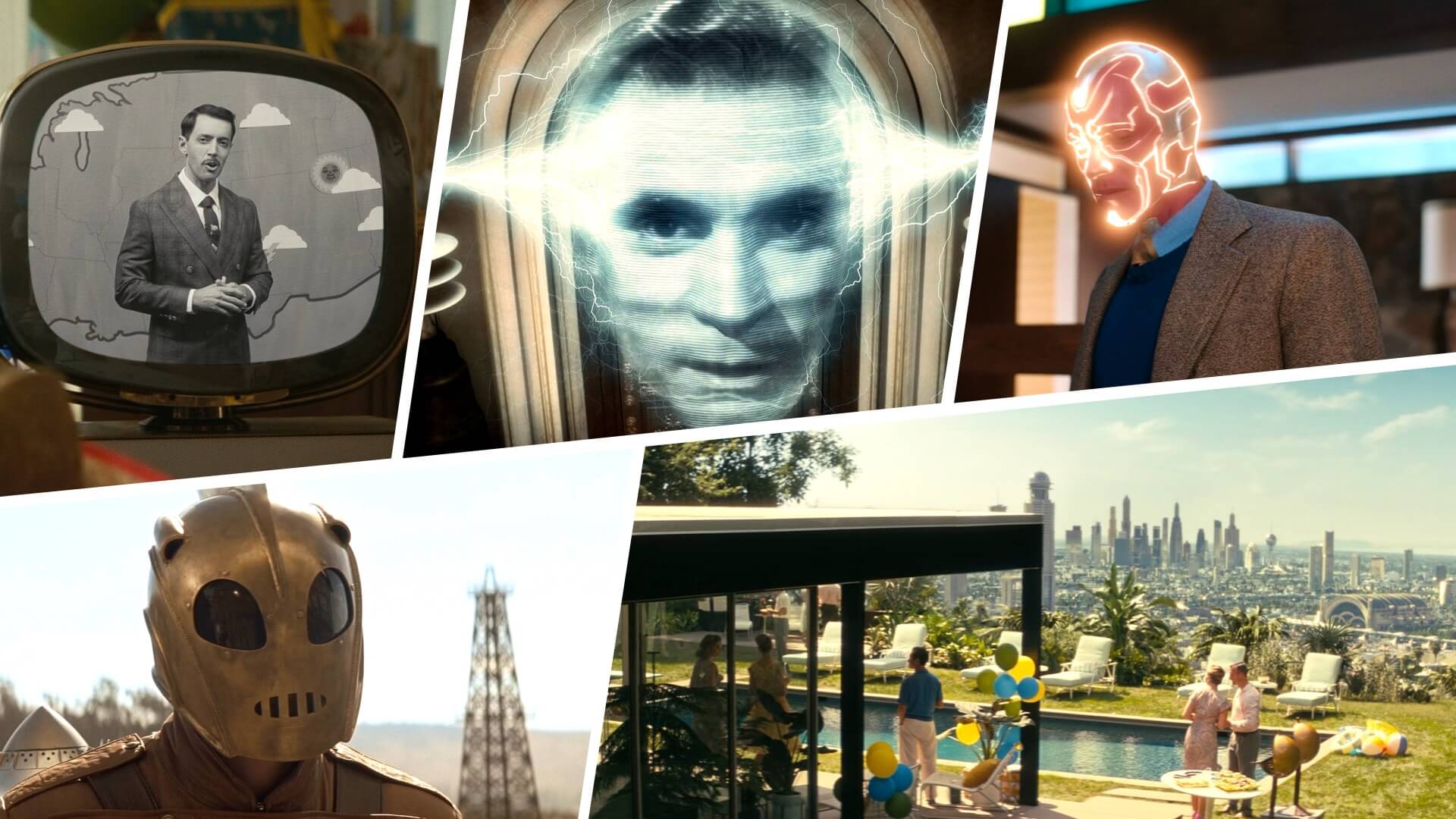
Originating in the mid-20th century, retro futurism holds a significant place in contemporary culture, providing a unique lens through which we can examine our dreams and anxieties about the future.
The genre has been and continues to be a popular motif across various media mediums and art forms. It’s a unique way to itch our collective curiosity about what may lay ahead for humanity while reflecting on the past and present.
What is Retro Futurism in Storytelling?
First, let’s define retro futurism
The term is a compound term that combines the Latin prefix "retro," meaning "backward," with the word "futurism." It was first coined in the 1980s to describe a particular aesthetic found in science fiction literature, film, and design. What does it mean exactly?
RETROFUTURISM DEFINITION
What is retrofuturism?
Retrofuturism describes an artistic movement that looks to the past while also looking forward to the future. Retrofuturism imagines how people from past eras might have envisioned what is yet to come, resulting in a fascinating blend of old and new elements.
Examples of Retrofuturism:
- Fallout video game series
- The Jetsons sitcom
- Metropolis (1927)
Origins of Retrofuture
History of retro futurism
The origins of retro futurism can be traced back to science fiction works from the late 19th and early 20th centuries. Writers such as Jules Verne and H.G. Wells explored fantastical technological advancements that seemed like they could exist in the not-too-distant future.
Retrof uturism • The Future That Never Came
In the mid-1900s, this genre began to evolve as writers started incorporating elements of nostalgia into their futuristic visions. This concept gained traction in the 1960s and 1970s, inspired by the Space Age and the rapid advancements in technology that defined the era.
Today, retrofuturistic art continues to evolve as new generations reinterpret and add their own perspectives to the movement. Films like Blade Runner and books like Ready Player One have become modern classics, further solidifying retrofuturism's place in popular culture.
Understanding Retrofuturism Aesthetic
Characteristics of retrofuturism
Retrofuturism is characterized by its blending of elements from the past and future. Its aesthetic often incorporates retro designs, technologies, and societal norms with futuristic themes and concepts. It's been used across mediums from art and literature to fashion and architecture.
Aesthetic Elements
Retrofuturism is characterized by its distinct visual style that combines vintage and futuristic elements. Design features often include sleek lines, chrome finishes, and bold colors reminiscent of mid-20th-century industrial design.
This aesthetic creates a sense of nostalgia while imagining what the future might have looked like from a past perspective.
Technological Visions
The technological visions in retrofuturism are based on imagined advancements that blend obsolete technologies with modern innovations.
For example, flying cars designed with 1950s aesthetics or space travel equipment inspired by 1960s space race technology. These visions reflect both the optimism and skepticism of past generations regarding technological progress.
Narrative Themes
Narratives within retro futurism often explore themes of utopian and dystopian futures, reflecting societal hopes and fears. These stories may critique contemporary social issues through the lens of an imagined past future, offering insights into how history shapes our vision of tomorrow.
Types of Retrofuturism genres
Retro futurism subgenres
Within retro futurism, various subgenres focus on specific periods or themes. These specificities define the narrative, aesthetic, and technological elements within each subgenre.
Dieselpunk
Dieselpunk draws inspiration from the interwar period and World War II, featuring gritty, industrial aesthetics and themes of conflict and resistance. It combines the technology and fashion of the early 20th century with speculative elements.
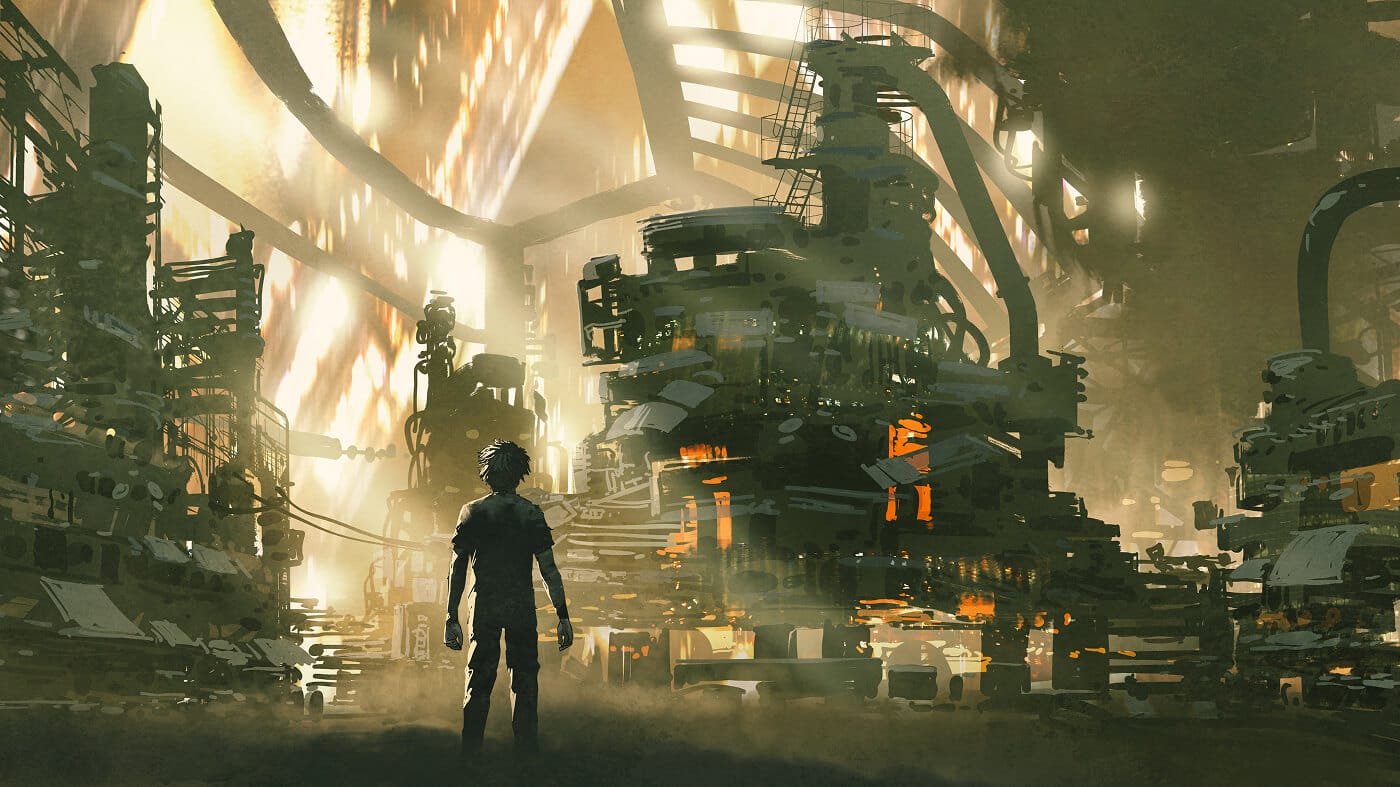
Dieselpunk Concept
Atompunk
Atompunk reflects the Atomic Age (1945-1965), characterized by space age optimism, atomic power, and Cold War anxieties. Its visual style includes retro-futuristic designs influenced by mid-century modernism and the early space race.
Steampunk
Steampunk is influenced by the Victorian era and the industrial revolution. It blends steam-powered machinery with intricate, handcrafted designs. Steampunk often explores themes of exploration, adventure, and the impact of industrialization.
What is Steampunk?
Cyberpunk
Cyberpunk emerged from the digital revolution and focuses on cybernetics, artificial intelligence, and high-tech urban dystopias. It often portrays a dark, gritty future dominated by powerful corporations and advanced technology.
Retrofuturism Art and Culture Examples
Examples of retro futurism
While retrofuturism has been around for decades, it remains a popular motif in contemporary culture. It's been used to create iconic works and has inspired new generations of artists, writers, and designers.
Blade Runner (1982)
Blade Runner by director Ridley Scott is a seminal retrofuturistic film set in a dystopian future where synthetic humans known as replicants are bio-engineered by powerful corporations.
The film's aesthetics, including neon-lit cityscapes and a mix of futuristic and vintage technology, epitomize the retrofuturistic genre. Its narrative explores themes of identity, humanity, and the consequences of technological advancements.
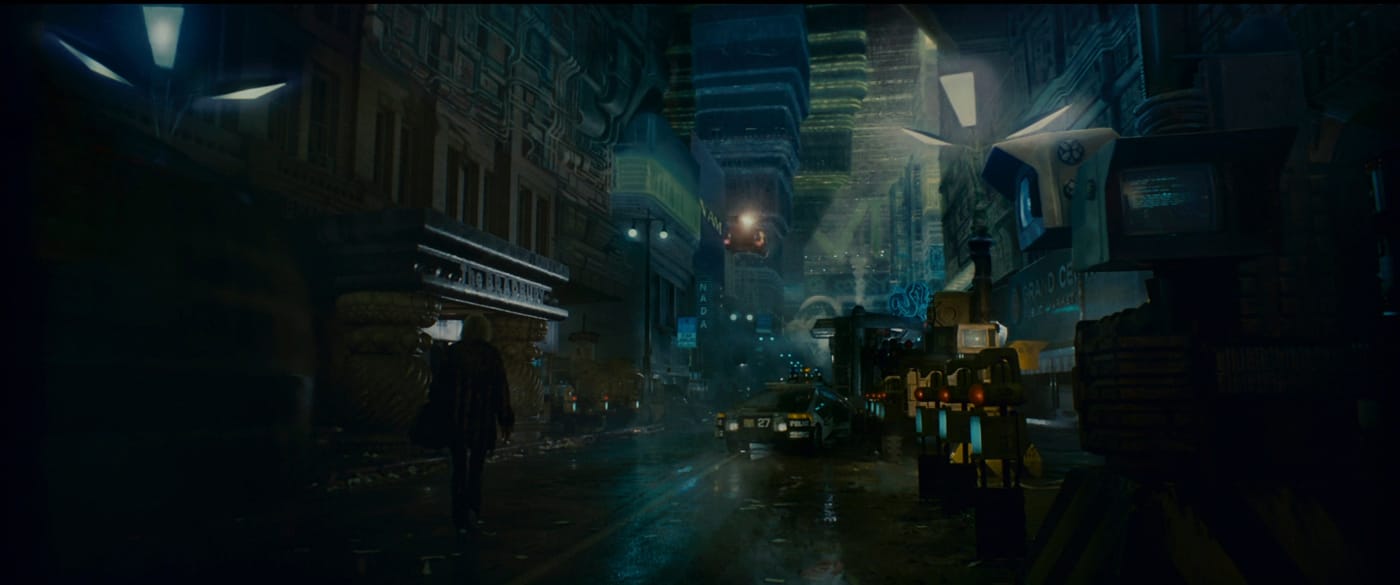
Blade Runner (1982)
Fallout Video Game Series
The Fallout series takes place in an alternate timeline where the world is devastated by nuclear war, and society rebuilds itself with a mix of futuristic and retro technologies. The games' aesthetic blends 1950s Americana with post-apocalyptic elements, creating a unique retrofuturistic atmosphere.
Fallout in 5 Minutes
Futurama
Created by Matt Groening, Futurama is an animated television show that humorously depicts life in the 31st century. The show's animation aesthetic combines retro and futuristic elements, featuring flying cars, robots, and space travel alongside mid-century modern design. Through satire and comedy, Futurama explores contemporary social issues and the possibilities of future technology.
The Difference Engine by William Gibson and Bruce Sterling
The Difference Engine is a novel that embodies retrofuturism through its steampunk narrative. Set in an alternate 19th century where Charles Babbage's mechanical computer, the Analytical Engine, was successfully built, the book explores the societal and technological changes resulting from this early computational revolution. Its detailed world-building and intricate plot highlights the influence of past technologies on imagined futures.
Our curiosities with retrofuturism lie in its ability to capture the essence of bygone eras while envisioning what is yet to come. It allows us to reflect on our past and present, while also imagining and creating possible futures.
Beyond being an engaging narrative aesthetic, retrofuturism invites us to consider the expectations and consequences of technological development, the resilience of human ingenuity, and the enduring impact of history on our visions of tomorrow.
Up Next
What is Futurism?
Retrofuturism is a unique blend of nostalgia and innovation. Futurism, in comparison, is an avant-garde movement that emerged in the early 20th century, emphasizing speed, technology, and modernity. Learn more about futurism in our next article.
Up Next: What is Futurism? →

Share your vision with elegant shot lists and storyboards.
Create robust and customizable shot lists. Upload images to make storyboards and slideshows.