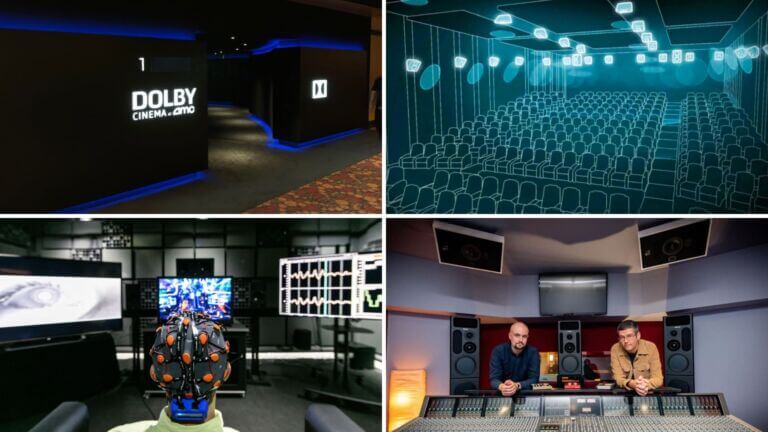
We do not always place a lot of emphasis or importance on sound, even though its impact on motion pictures is huge. Movies didn’t start with sound, but now they’re part of the package that comes with filmmaking. And while sound in movies has been around since the late 1920s, it would be Dolby Stereo in the 1970s that led a revolution. The name Dolby is no doubt familiar to you, but what is Dolby Stereo, and how did it impact filmmaking and movie watching?Continue reading What is Dolby Stereo — History of Game-Changing Sound in Film
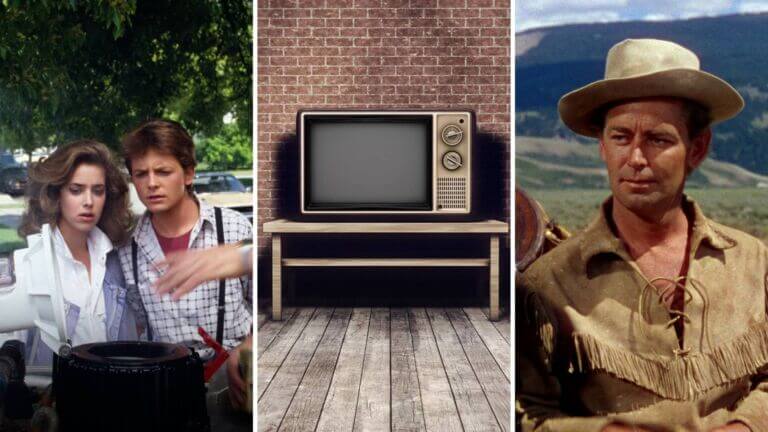
Do you remember what pan and scan is? Did you ever rent or own movies on VHS tape, or even on DVD, that filled the entirety of your 4:3 aspect ratio tube television? If the answer to all this is yes, then you experienced "pan and scan" firsthand. But what is pan and scan, how can you identify it, and what happened to it now that we have streaming services and HDTVs?Continue reading What is Pan and Scan? Full Frame vs. Widescreen Explained
You may have heard about golden hour, that special time before a sunset or just after a sunrise. For many photographers, golden hour is a great time to get a wonderful, warm, and beautiful photograph. But what is magic hour? Surely you must have heard of it, especially if you have also heard of golden hour. These two hours have a lot in common, but they’re not the exact same thing. So let’s dig further into what is magic hour and how it differentiates from the golden. Continue reading What is Magic Hour Photography & Cinematography Explained
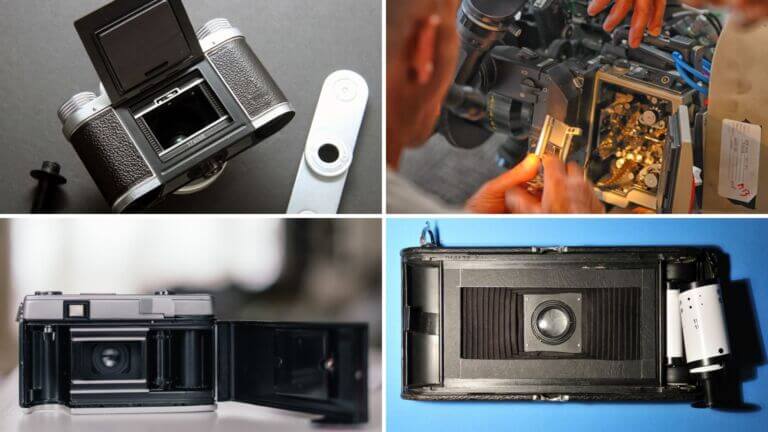
Cameras have a lot of moving parts, be them a way to keep film rolling or to provide you with an image on your display. Among those moving parts are components that ensure everything looks good on your end when you’re filming something. One of those components is a film gate, which can be easily referred to as a “window” for the camera. So what is a film gate and what has it been used for?Continue reading Film Gate — What “Check the Gate” Means & Why It’s Important
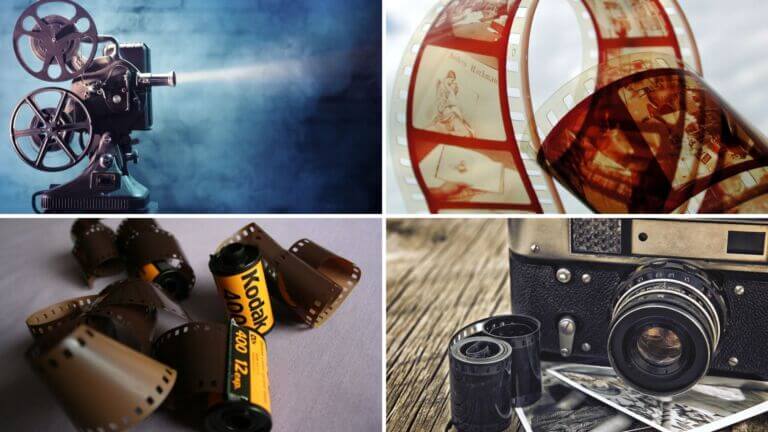
In a world where digital photography has become the norm, there is still a place for those who want to use physical film stock. While digital technology has made it easier to be a photographer, physical celluloid still has a charm and texture that no digital camera can ever fully replicate. And above all else, since photography can be so nuanced, the differences between digital and physical can mean a lot. So when it comes to photography, what is film stock and what types are there?Continue reading What is Film Stock — Various Types of Film Stock Explained
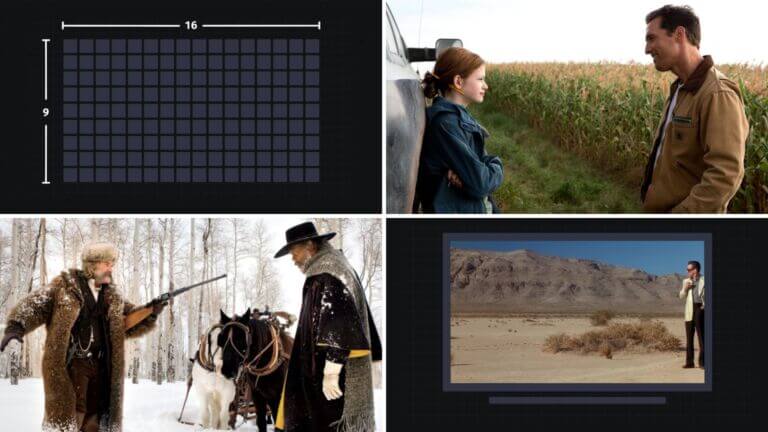
Look at your mobile device, your high-definition television, or laptop computer; what do you see? Most likely it’s a rectangular widescreen, with a lot of the video you watch on it filling the entirety of the screen. We are of course talking about the 16:9 ratio, which has been the current standard in television and monitors since at least the mid-2000s. But what is 16:9 aspect ratio, where did it come from, and how did it become the new default?Continue reading What is 16:9 Aspect Ratio — Origins of the Widescreen Format
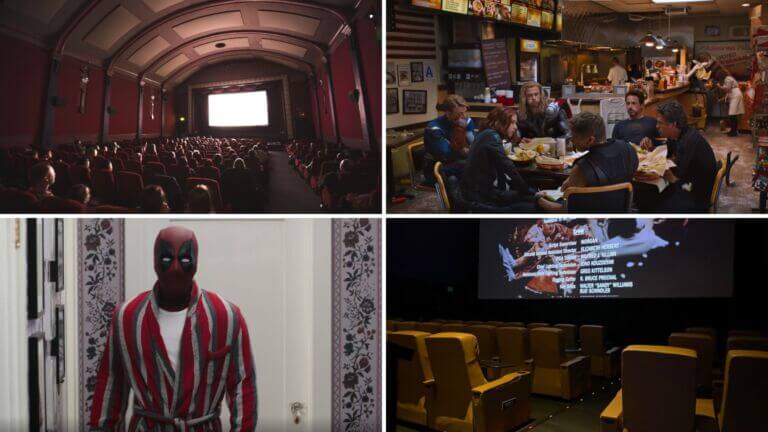
Years and years ago, when not every movie was a sequel, remake, or reboot, people usually left the movie theatre by the time the end credits rolled. These days, if your movie is a big deal, some people might stick around to see if there’s anything after the credits. These “after credits” scenes are popularly known as post credit scenes, or film stingers. But what is a post credit scene and how did they get so popular?Continue reading What is a Post Credit Scene — The Movie Stinger Beyond Marvel
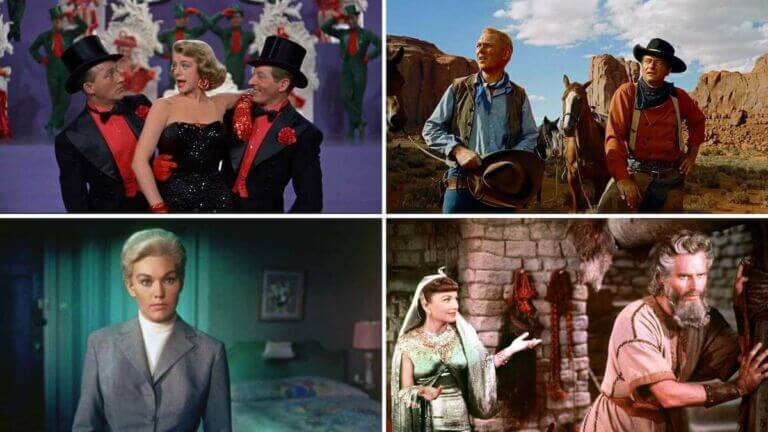
Before the 1950s, nearly every single movie was in the same 4:3 aspect ratio. But then CinemaScope from 20th Century Fox changed the landscape with widescreen imagery to get people into theaters nationwide. Pretty soon, other studios were making their own widescreen movies, including Paramount Pictures with VistaVision. What is VistaVision, you ask? Well, it takes a bit of explaining, so if you can, please join us as we look into the origins of VistaVision, what it was like, and why it still matters today.Continue reading What is VistaVision — A History of Widescreen in Hollywood
Edgar Wright has made some of the most acclaimed and beloved films of the 2000s, with the Cornetto trilogy (Shaun of the Dead, Hot Fuzz, The World’s End), and a few other favorites like Baby Driver. Nestled in-between is Scott Pilgrim vs. the World, a box office bomb but adored cult film based on the Bryan Lee O’Malley comic series. Co-written with Michael Bacall, the Scott Pilgrim script is a wonderful example of how to write a comedic, comic book inspired, video game infused love story that defies categorization.Continue reading Scott Pilgrim vs. the World — Script PDF Download and…
Most movies you watch are shot with film permits, in a studio, and with a full production crew that is doing everything “by the book.” But not every movie made has a chance to shoot in this way; even big films might have to do things on the downlow. We are, of course, talking about guerilla filmmaking, a style that has been around for quite some time. But what is guerilla filmmaking and how does one go about making a guerilla film yourself? Take a look at our guerilla filmmaking tips, definition, and examples to learn all about it. Continue…