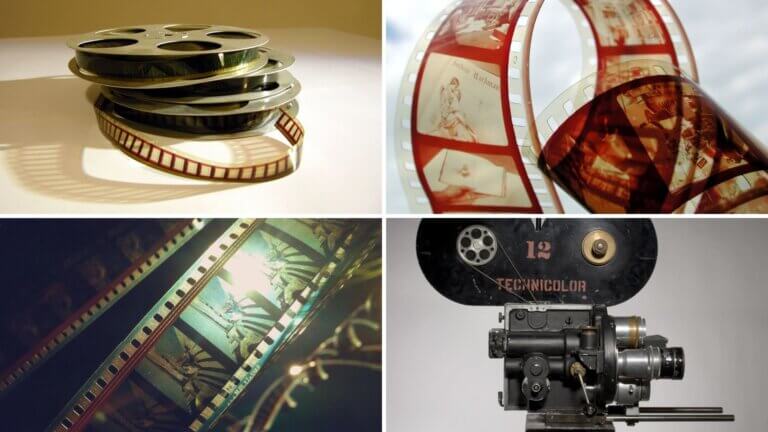
In the world of movie making we have today, any digital device with video functionality can help you tell a story, from your mobile phone to your computer’s webcam. But what about celluloid film? What is celluloid film, even? We still call movies “films,” right? Celluloid film stock used to be the main and only way major movies would be filmed and distributed. But of course, times have changed, and as technology has advanced, so has the way we make movies. But that’s not to say celluloid film is down for the count. Which is why we are going to…
When it comes to advertising, music can make or break a commercial. And it is no surprise that hiring a musician to score or create music for your commercial advertisement can be expensive. Finding royalty free music for commercial use that is high quality and unique can also be difficult. In this article, we aim to relieve your stress and your wallet as you look for the perfect song for your commercial. We’ve found the best sites to download royalty free music for commercial use and laid out the pricing for each. Continue reading Best Sites to Download Royalty Free Music…
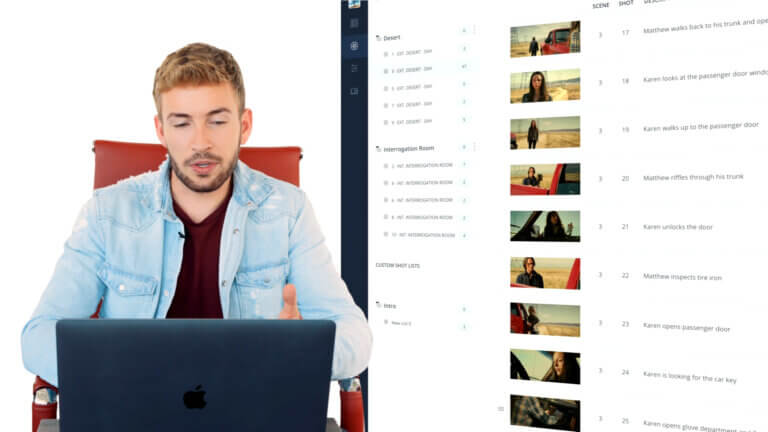
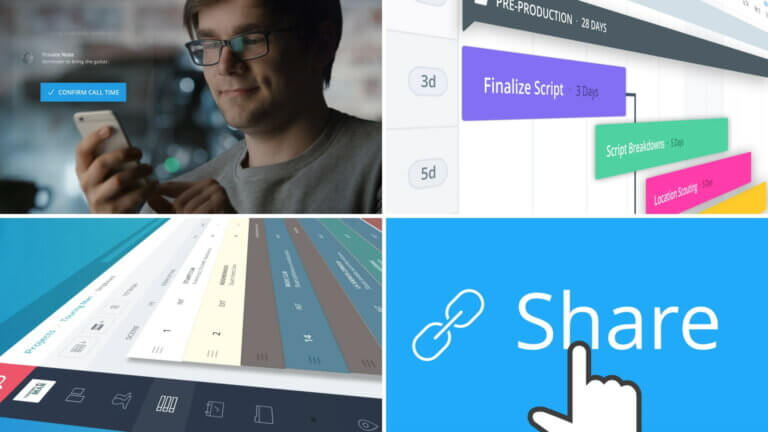
So you’re knee-deep in Pre-Production, shooting script formatted, script broken down and you’re almost done with the shot list. Then, you receive an updated version of the script, so you import that into your StudioBinder project and then all of the sudden you’re missing shots on your shot list. What happened? Well, typically that means there were some scene numbers changed, but fear not. The version history manager lets you roll back to a previous version and I’m going to show you how to recover those shots for the new version. Follow along for a step-by-step guide on how to…
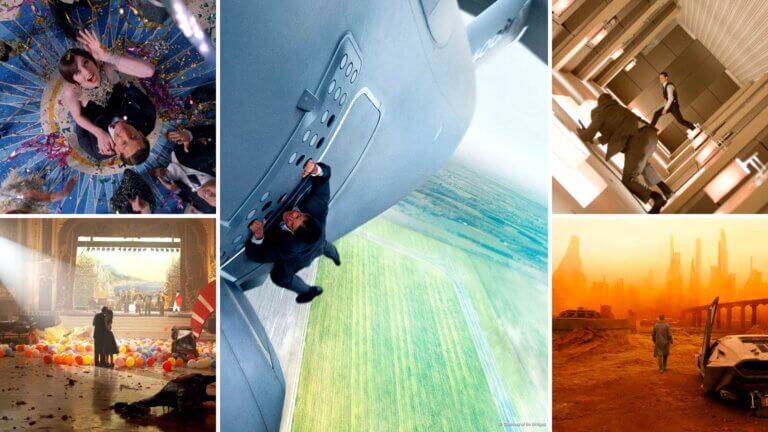
Camera ShotsGet Inspired. Explore More Shots.Master every shot size, and learn how to combine them with angles and movements to take your filmmaking to the next level.Close Up ShotsExtreme Close Up (ECU)Close Up (CU)Medium Close Up (MCU)Medium ShotsMedium Shot (MS)Cowboy Shot (CS)Medium Full Shot (MFS)Wide ShotsFull Shot (FS)Wide Shot (WS)Extreme Wide Shot (EWS) Explore 50+ Camera Shots & Angles CAMERA ANGLESGet Inspired. Explore More Angles.Explore the different types of camera angles, and learn how to combine them with other shot specs for visual storytelling.Different Types of Camera Angles Low Angle ShotEmpowerEye Level ShotConnectHigh Angle ShotDepowerDutch Angle ShotDisorientOverhead ShotOmniscienceAerial ShotAwe & Scale Explore 50+ Camera Shots & Angles Camera FramingExplore Camera…
As your filmmaking career progresses you’re going to be working with more and more people all the time. Each new project might be a completely different crew than the last. So, how do you manage this with a production software? Well, with StudioBinder’s Collaborator feature it’s as easy as typing an email. Come along for a step-by-step guide to using StudioBinder’s collaborator feature. Continue reading How to Use StudioBinder’s Collaborator Feature Like a Pro
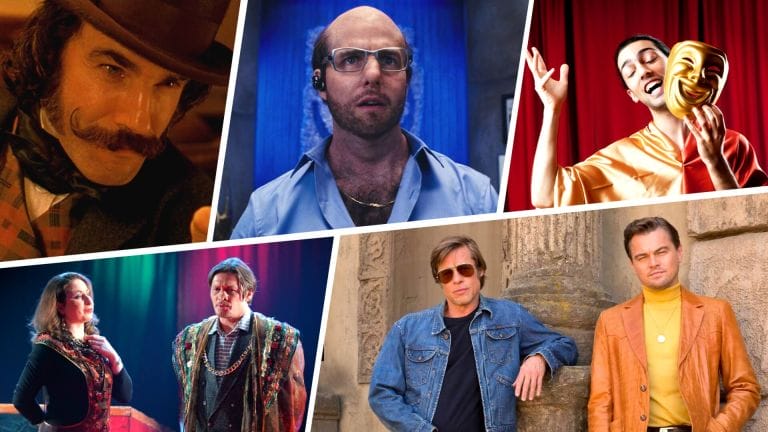
An actor is the embodiment of transformation - an enigmatic figure who brings forth a myriad of characters, giving faces to narratives and emotions. They are the artists who dive into the very depth of humanity, crafting performances that resonate with our souls and often, casting a new light on our own existence.Just as a prism refracts white light into a spectrum of colors, so too does an actor reveal the human experience through their craft, bringing words and narrative to life. Continue reading What is an Actor — Definition, Types & History Explained
The ARRI ALEXA Mini is one of the most versatile cameras on the market. We’re going to break down the ARRI ALEXA Mini by looking at its size, specs, price and best use cases. We’ll also look at how some filmmakers have used the ARRI ALEXA Mini for gimbal and drone shots. By the end, you’ll probably want to go out and buy an ALEXA Mini for yourself – but if you’re anything like me you might be better off renting instead. But before we jump into our examples, let’s define the ALEXA Mini.Continue reading Arri Alexa Mini — The…
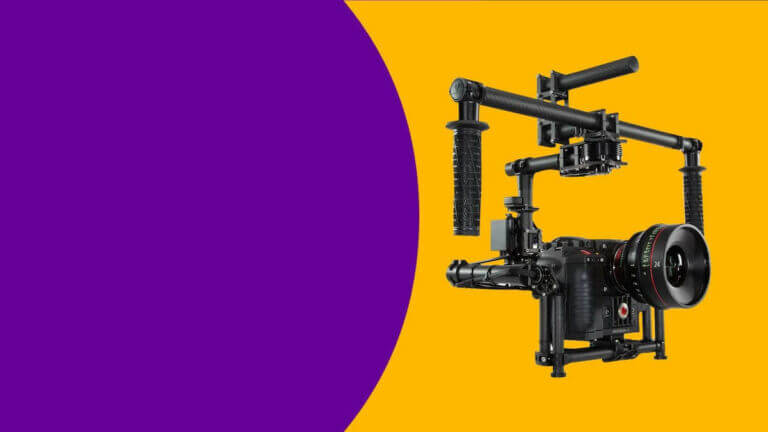
There’s almost nothing more frustrating than nailing a shot, then later realizing that the footage is shaky and unusable. You know the next step to better content is more stable footage, but you don’t know which options are best for you and your projects. Continue reading 15 Best Video Camera Stabilizers for Filmmakers
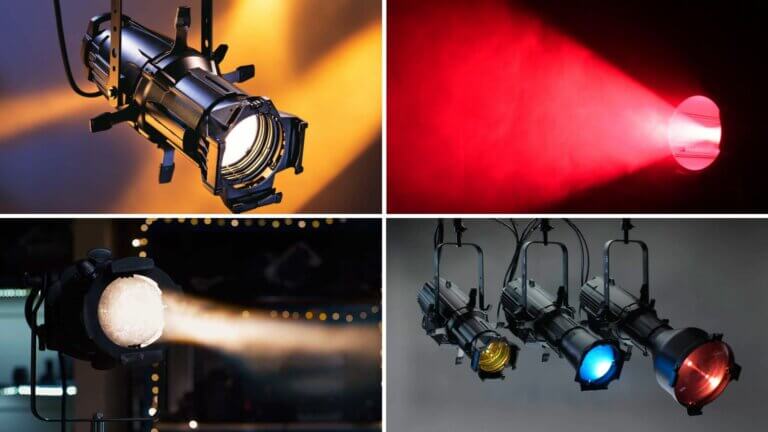
Gaffers and Cinematographers know the benefits of the Leko light. Once solely used for lighting up auditoriums and concert venues, these lights can now level up your scenes without spending more than a couple hundred dollars. For those unfamiliar, let’s go deeper. What is a Leko light and how can you use it on set?Continue reading What is a Leko Light and How to Use It — Lighting Techniques
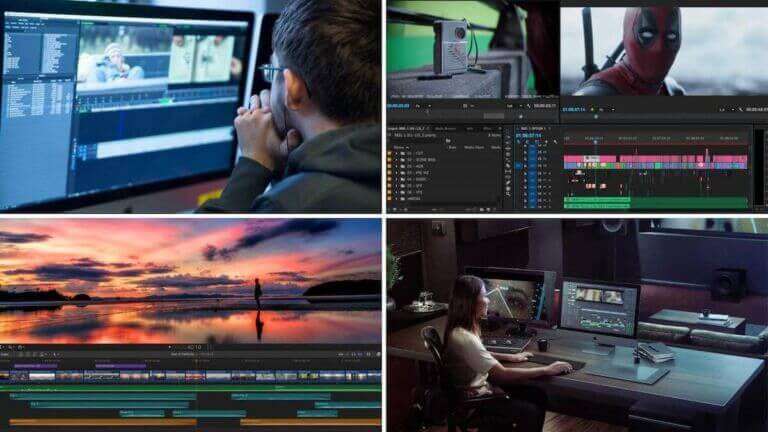
What is a rough cut? If you have any interest in editing or filmmaking in general, then one of the first terms you should learn is the rough cut or rough edit. The rough cut is not always confined to just the Post-Production stage as you might expect. In this article we’ll explain exactly what a rough cut is, why it matters, how it can begin taking form during the Production phase, how rough cuts differ from production to production, and we’ll be answering the broader question: what are the stages of editing?Continue reading What is a Rough Cut in…