home → Framing → Insert ShotSearch for:Search Button— The —Insert ShotExplore the insert shot and all its forms, and see why filmmakers can’t stop using it.VideoExamplesArticleInsert shot definitionWhat is an insert shot?An insert shot is a close-up that isolates a specific object, detail, or action within a scene. It is typically shot from the point of view of a character, matching their eyeline.For a deeper dive into this technique, explore our full guide to insert shots, complete with scene examples and practical tips.Insert shot in filmInsert shot examplesWe’ll explore how insert shots function within a scene, but first it helps to see them…
home → Framing → Point-of-View Shot (POV Shot)Search for:Search Button— The —Point-of-View Shot (POV Shot)Explore the in’s and out’s of this unique shot type by looking through examples, definitions, and uses.VideoExamplesArticlePOV shot definitionWhat is a POV shot?A POV (point-of-view) shot places the camera where a character’s eyes would be, showing what they see. This creates an immersive, subjective perspective that draws the viewer into the character’s experience. Often used to build empathy with a character, it’s frequently paired with reaction shots to establish a psychological link between the viewer and the character.For more, read our full breakdown of the POV shot, including…
home → Framing → Over-the-Shoulder ShotSearch for:Search Button— The —Over-the-Shoulder ShotLearn more about the over-the-shoulder shot, starting with what it is, how to use it, and the best examples.VideoExamplesArticleOver-the-shoulder shot definitionWhat is an over-the-shoulder shot?An over-the-shoulder shot frames a subject from behind another character, including the back of the head and shoulder in the foreground (typically out of focus). This perspective is one of the most common framing devices for conversation scenes.For a deeper dive into this classic framing technique, visit our full guide to over-the-shoulder shots, packed with visual examples and scene breakdowns.Filming OTS shotsOver the shoulder shot examplesOver-the-shoulder shots are everywhere…
home → Framing → Group ShotSearch for:Search Button— The —Group ShotAssemble the team with one of the most popular shots in film, TV, music videos, and more: the group shot.VideoExamplesArticleGroup shot definitionWhat is a group shot?A group shot is a framing technique where multiple characters (typically four or more) are captured together within the same shot. Often used to establish social context or highlight collective action, group shots provide a broad overview of relationships and dynamics within a larger ensemble.Also called ensemble framing, group shots offer a vantage point that balances individual presence with the energy of the whole, whatever that energy…
home → Framing → Three ShotSearch for:Search Button— The —Three ShotLearn more about the three shot by taking a look at examples, uses, pairings, and more.VideoExamplesArticleThree Shot DefinitionWhat is a Three Shot?A three shot is a type of composition where three characters are framed together in the same shot. It’s used to establish group dynamics and show how individuals relate to each other within a shared space. A three shot can be arranged in various ways depending on the desired mood or visual emphasis.Effect of a three shotThree shot examplesBefore we unpack how three shots operate in visual storytelling, it helps to…
home → Framing → Two ShotSearch for:Search Button— The —Two ShotLearn how to create character relationships with the two shot, with examples, use cases, and more.VideoExamplesArticleTwo shot definitionWhat is a two shot?A two shot frames two characters together in the same composition, often to emphasize their relationship, dynamic, or shared space. Unlike cutting between singles, the two shot allows both figures to be seen reacting in real time. Depending on staging and lens choice, it can feel intimate, confrontational, casual, charged, or something else entirely. Rather than isolating individuals, the two shot invites us to observe how they coexist (or collide) within…
home → Framing → Single ShotSearch for:Search Button— The —Single ShotDelve deep into this deceptively simple framing choice and see how and why the single shot is the most commonly used type of shot in film.VideoExamplesArticleSingle shot definition What is a single shot?A single shot focuses the frame entirely on one character or subject, isolating them from others in the scene. This concentrated perspective breaks away from group or over-the-shoulder compositions, creating a more intimate composition. It draws attention to a single presence, highlighting emotion, detail, and internal experience.Using single shotsSingle shot examplesGet a sense of how single shots function by exploring…
home → Framing → Establishing ShotSearch for:Search Button— The —Establishing ShotThere’s more to the establishing shot than meets the eye — we take a closer look by diving into examples and uses.VideoExamplesArticleEstablishing shot definition What is an establishing shot?An establishing shot introduces the setting of a scene, sequence, or entire film. It is typically a wide or extreme wide shot. It offers information about the location, but also time and spatial relationships. Unlike character-focused shots, its purpose isn’t emotional intimacy but rather orientation. By pulling back from the action, an establishing shot places the audience firmly within the story world.Effects of establishing…
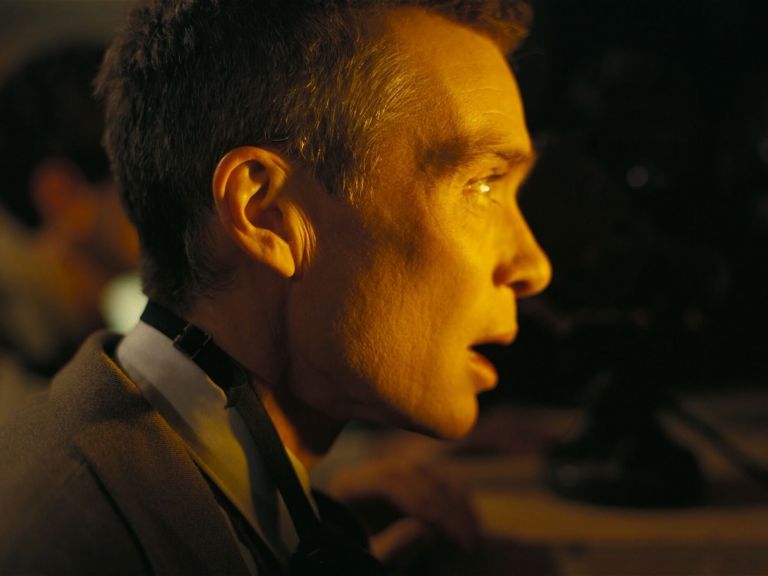
home → Camera Angles → Profile ShotSearch for:Search Button— The —Profile ShotGet to know the profile shot as we dive into what it is, how to use it, and some of its best executions.VideoExamplesArticleProfile shot definitionWhat is a profile shot?A profile shot frames the subject from the side, showing their face in full profile, typically with one eye visible and the rest of the features in clean outline. This side-on angle is often used to emphasize a character’s solitude or focus, or it can be used to match another character’s eyeline. It can also highlight physical detail or contrast between characters in…
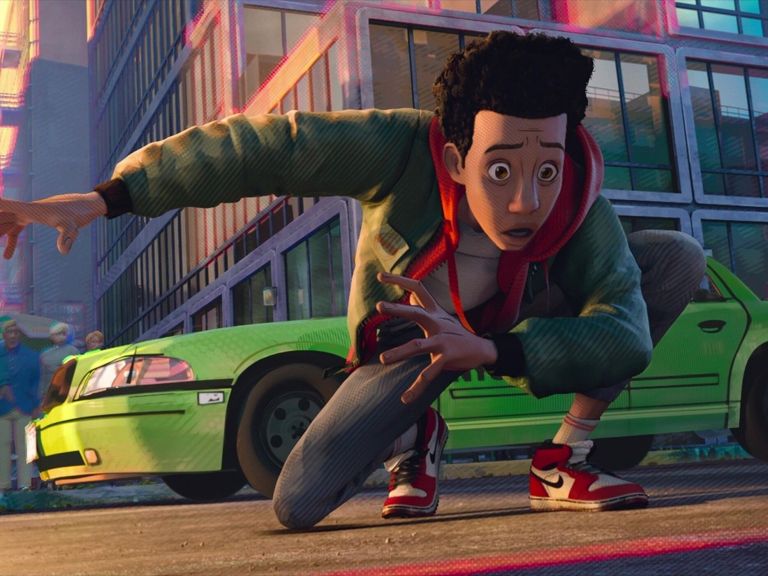
home → Camera Angles → Ground Level Shot Search for:Search Button — The — Ground Level Shot Learn more about the ground level shot through examples, analysis, and answers to frequently asked questions. Video Examples Article Ground Level Shot Definition What is a ground level shot? A ground level shot places the camera directly on or just above the floor, offering a view from the ground up. This unusual vantage point doesn’t reflect how we typically see the world, giving it a distinct visual impact. Instead of presenting characters or scenes from a human perspective, it emphasizes scale, texture, and presence,…