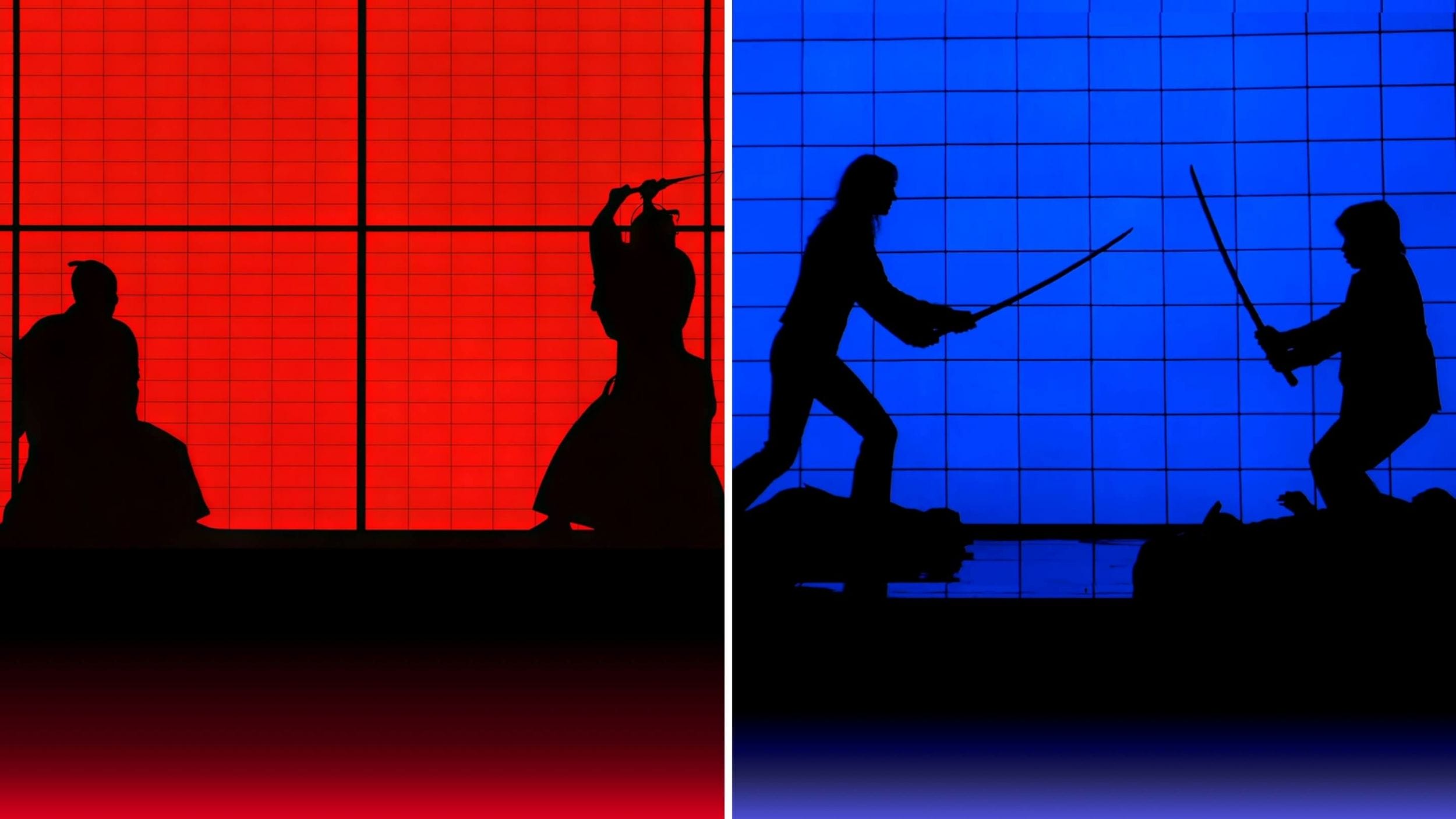
Pastiche is a term thrown around a lot in filmmaking, but what exactly qualifies as pastiche? Pastiche can be both a boon and a pitfall to your creative process, so it’s important to know what it is, what it isn’t, and how to use it effectively in your own work. In this post, we’re going to explain what pastiche is and how it differs from other storytelling devices it’s often confused with. We’ll also take a look at how prolific filmmakers utilize pastiche in their work, and how when done right, pastiche can help define their personal style and voice. If one can understand and master the use of pastiche, you won’t just be able to pull from the greats, you’ll become one.
PASTICHE MEANING
First, let’s define Pastiche
Pastiche is all about imitation and referencing the art that’s come before your own, both in specific and general cases. So what does it mean?
PASTICHE DEFINITION
What is Pastiche?
Pastiche is a work that imitates or mimics another, usually better-known, work or piece of art. In film specifically, pastiche is typically the imitation of cinematography or scene work of another filmmaker via recreating iconic images in the movie or TV being referenced.
Pastiche also pertains to the combining of multiple sources and imitations, thus creating a hodgepodge of references to different films and/or filmmakers to create something new.
Pastiche examples include:
- Mimicking a specific and recognizable shot composition from a classic film
- A reboot of a franchise that repurposes the major moments of the original works for a new generation
- Combining the style, characters, and aesthetics of a particular genre or sub-genre of film to create a new narrative
WHAT IS PASTICHE
What is the Purpose of Pastiche?
Utilizing pastiche in your filmmaking not only demonstrates that you did your homework on a particular director or genre, but it also allows you to channel your creative inspirations directly into your work. As Pablo Picasso once said, “Good artists copy, great artists steal.” And while pastiche may technically be theft, imitation is also the highest form of flattery. When you use pastiche in your work, you’re stealing your favorite bits of art to make your own film, or make your own work better. Also, you'll provide a bevy of Easter eggs for film buffs to spot too.
Pastiche also provides the opportunity for one to reinvigorate or retell a classic myth, fairytale, or other narrative in a fresh way. For more on when to employ the mimicry of pastiche, check out the video below:
What defines pastiche?
When using pastiche, usually the aesthetics and conventions of the genre you’re working in will inform what to mimic or recreate. Take the below shot from Kill Bill Vol. 1, a pastiche of Asian martial arts movies that specifically references a shot from Samurai Fiction, which debuted five years before Kill Bill.
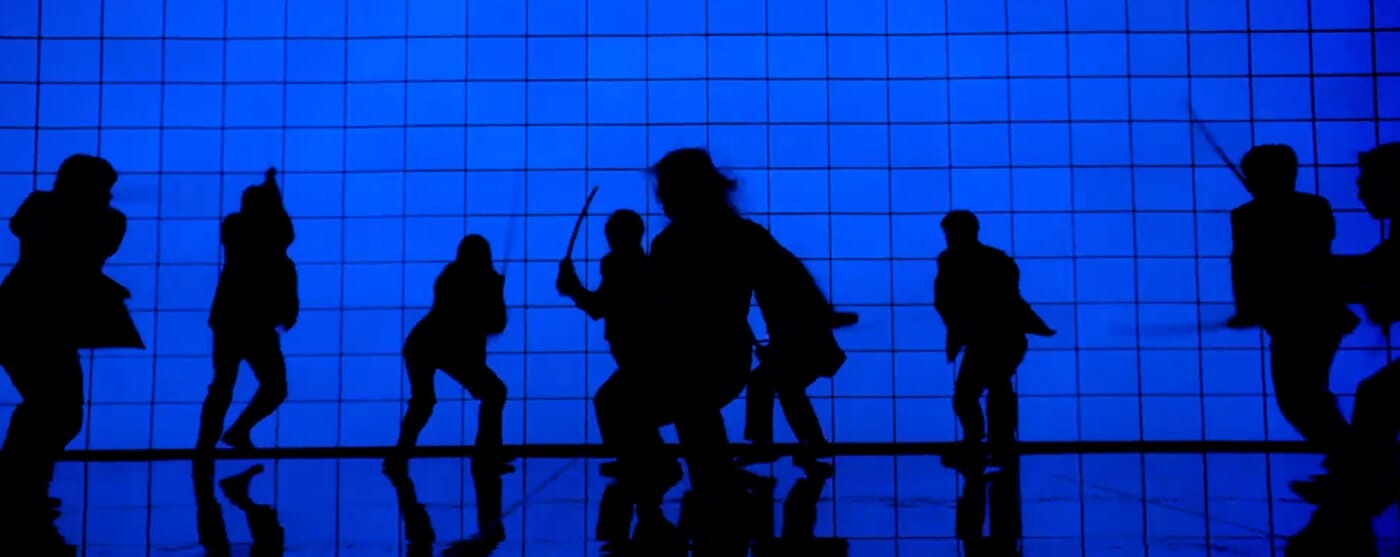
Kill Bill Vol. 1 (2003), dir. Quentin Tarantino
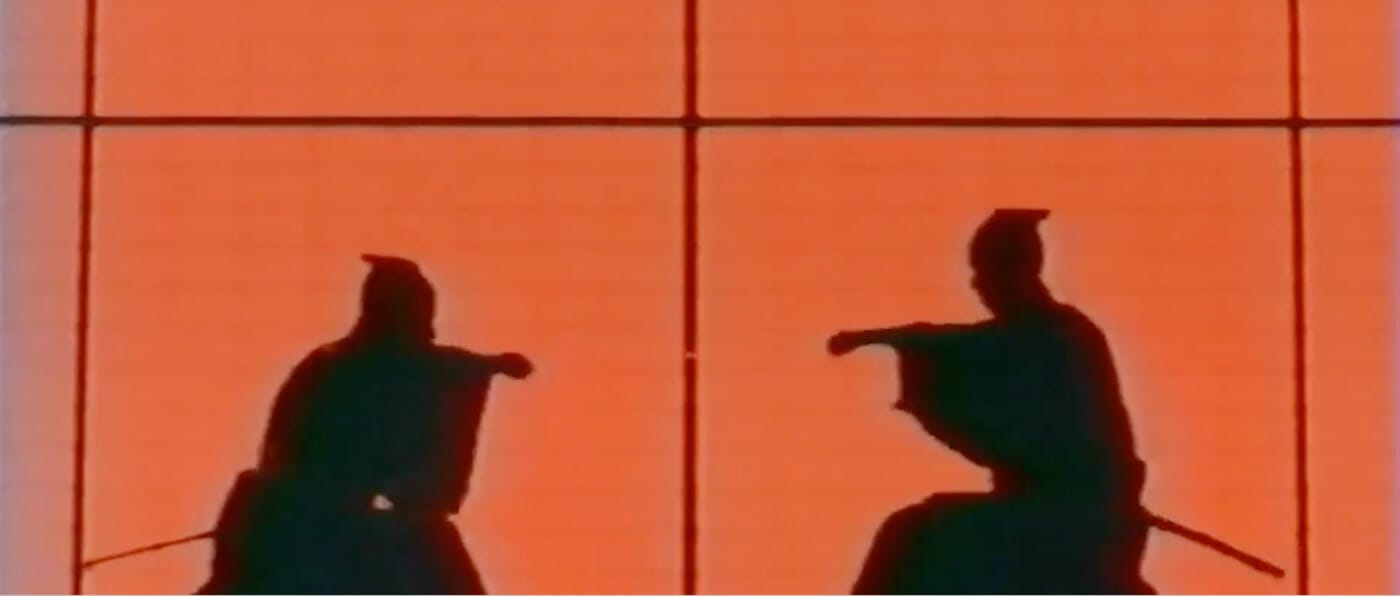
Samurai Fiction (1998), dir. Hiroyuki Nakano
What is Pastiche
Pastiche vs. Other Storytelling Devices
To get a better understanding of what is pastiche, it’s also helpful to know what pastiche isn’t. Unlike parody or satire, pastiche doesn’t possess a critical intent toward the work it's imitating. And while pastiche may share homage’s positive tone occasionally, pastiche directly imitates the works it's paying tribute to rather than implying a connection.
Let’s break it down category by category:
PASTICHE VS. PARODY
Unlike pastiche, a parody seeks to exaggerate its source material to critique it. Parody can either make fun of a specific text, or ridicule the conventions and elements of a genre more broadly. No matter how fond a parody may be, its intent will always be to mock a well-known work and critique it. For instance, Space Balls is a parody of the Star Wars franchise, while Rogue One could be considered pastiche. It seeks to evoke Star Wars Episode IV: A New Hope by directly mimicking the tone and aesthetic of the previous film.
Check out this video for more on the difference between parody and pastiche:
What is Pastiche? What is Parody?
The mockery is what makes all the difference when it comes to distinguishing parody from pastiche.
PASTICHE VS. SATIRE
Where parody seeks to make fun of a certain text or genre, satire has loftier goals. It uses its humor and mockery to critique society at large with hyperbole, ridicule and irony. Take Jojo Rabbit, which uses Nazism and the setting of World War II to make a statement about the absurdity of hatred and discrimination through the perspective of its young protagonist.
On the other hand, Quentin Tarantino’s Inglorious Basterds borrows from spaghetti westerns, war films, and spy thrillers to create his original World War II epic.
Watch how Tarantino used pastiche to fashion the opening of Inglourious Basterds as a shot-for-shot imitation of the iconic Western The Good, the Bad, and The Ugly:
Pastiche meaning
Although he may be “stealing” from the Western, Tarantino successfully uses The Good, The Bad, and The Ugly’s structure in his World War II film to build tension and stakes specific to the characters in Inglourious Basterds.
PASTICHE VS. HOMAGE
Pastiche can be a neutral device, its focus is on imitating style or form without commenting in a positive or negative manner on it. Conversely, homage is always an earnest celebration of the film it’s referencing, and unlike pastiche, it doesn’t directly pilfer from what it’s referencing. Homage also heavily operates on nostalgia, like in the case of Super 8. While its look, tone, and themes very much evoke the classic sci-fi adventure films of the 80s, there’s little that J.J. Adams specifically references in the movies that inspired Super 8.
Yet with Netflix’s Stranger Things, the Duffer Brothers opted for pastiche. The series goes beyond lifting the tropes and aesthetics from 80s films, they also recreate many of the iconic shots within them in how they tell the story.
See the parallels here:
Pastiche examples
Pastiche is all about the specifics, while homage is most concerned with showing deference and respect to the work it’s drawing from.
Pastiche Meaning
How to Use Pastiche
Although pastiche inherently means mimicry, you must be careful not to overdo it. Given that often using pastiche means one is referencing more well-known work, you have to make sure that your imitation is in service of the specific story you’re telling and will help create something new. If not, wouldn’t we just refer to the original?
Quentin Tarantino is widely deemed the master of pastiche. Yet while his films may be chock full of mimicry, it’s how he puts all the references together that sets him apart, and walks the thin line between pastiche and plagiarism.
Here’s a deeper dive of how Tarantino uses pastiche to enhance his original storytelling:
Tarantino and Pastiche
When implementing pastiche, it’s imperative to know why you’re imitating a certain film or television show and how it enhances the story you’re telling. It’s what distinguishes the copycats from the Tarantinos.
Up Next
What is Postmodernism?
Now that you both know what is pastiche and how to effectively utilize it in your work, it’s time to put pastiche into context. Pastiche is only one hallmark of postmodernism, our current era of film. Learning about what postmodernism is essential to understanding contemporary film. Learn about the characteristics of postmodernism and what makes a film “postmodern”, along with in-depth examples, in our next blog.
Up Next: What is Postmodernism? →

Share your vision with elegant shot lists and storyboards.
Create robust and customizable shot lists. Upload images to make storyboards and slideshows.