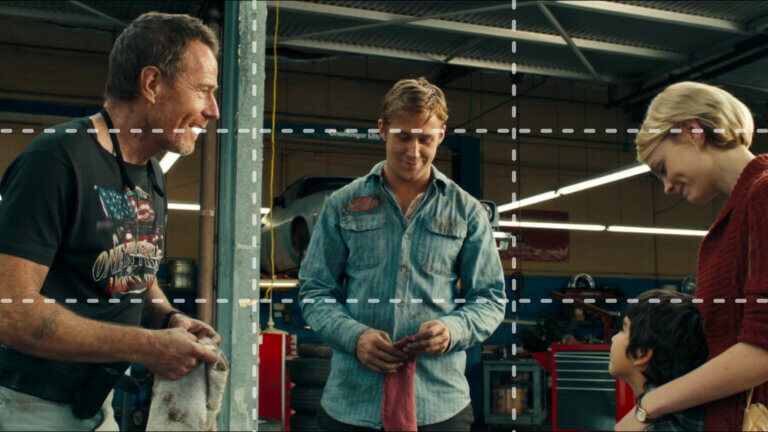
Telling a story isn’t enough. You have to grab your audience by the eyeballs. Whether you’re a seasoned director or just learning what framing in film is, the way we see things is just as important as the things themselves. In his video essay on Drive, Tony Zhou uncovers 4 simple rules of composition that can make your shots out-of-the-box. Continue reading Rules of Composition in Film | How to Show Deeper Meaning
We all watch movies but rarely do we pause to think just how those movies were created. It’s the culmination of a large team of specialists and a production designer is an irreplaceable part of it.Continue reading 10 Production Design Tips For Filmmakers on a Budget
There are many movies about loneliness and even more lonely people who see them. As a filmmaker, working with a lonely character poses the unique challenge of how to stand out. With framing, editing and coloring techniques at your fingertips, what combination best helps your story land?Continue reading How Spike Jonze Shoots Movies About Loneliness
Film blocking is arguably one of the most important things a Director must do on set. Think of it as a carefully choreographed dance where the camera and subject move together in harmony. Continue reading 3 Ways To Make Your Film Blocking More Interesting
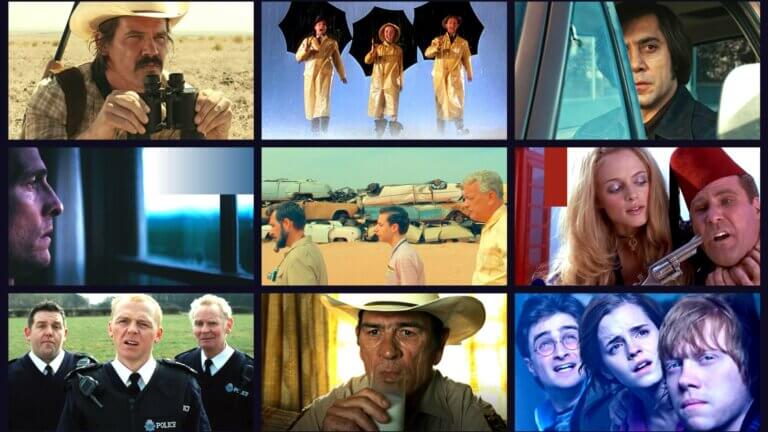
What is slapstick comedy? Is it the same thing as physical comedy? And where does the name come from? We will be answering all of these questions, plus taking a trip through the history and evolution of slapstick, and looking at a number of great slapstick comedy examples from classic and modern movies. First, let's get started with a slapstick definition.Continue reading What is Slapstick Comedy — Movie Genres Explained
What is body horror? Even hardcore horror fans might have trouble translating body horror movies into words. It’s a little bit of a “you know it when you see it” kind of thing. In this post, we’ll be providing a body horror definition, digging into the history of the genre, and examining its place in contemporary cinema. We'll also cover plenty of gory examples of the best body horror movies along the way.Continue reading Body Horror Explained — Inside the Best Body Horror Movies
What is Technicolor? Whether you knew at the time or not, you’ve probably seen a Technicolor movie. If you’re trying to recall an example, just think, color, color, color. Technicolor changed the course of cinema forever with bright and bold visuals, saturated to the point of near-surreality. We’re going to look at some examples of Technicolor in films like The Wizard of Oz and The Godfather but, first, let’s check out a quick video to see where it started.Continue reading What is Technicolor? Definition and History Explained
Motifs are a great way to reinforce the theme of your project. Understanding how to build motifs that work requires strong attention to detail and a clear game plan. But what is a motif? Looking for a clear motif definition? Need motif examples in film? All these questions and more will be answered as we dive into the patterns and symbols that can bring depth to your work.Continue reading What is a Motif? Definition and Examples for Filmmakers
The rule of three is one of the most important rules in all of writing – but what is the rule of three? We’re going to explore this fascinating and useful rule by looking at examples in sentences, situations, and stories. This article will serve as a referential guide for you to circle back to whenever you’re stuck in a writing jam.Continue reading What is the Rule of Three — A Literary Device for Writers
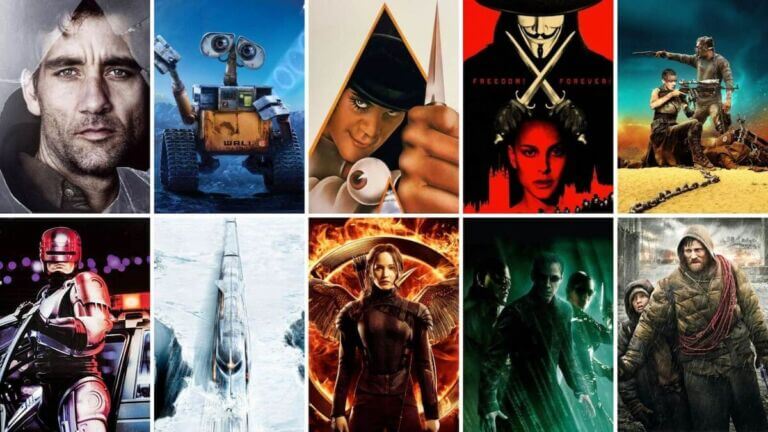
From movies to novels to video games, dystopian fiction is consistently one of the hottest genres in entertainment. But given its broad scope and variety of forms, the dystopian genre can sometimes be hard to categorize. What is dystopian fiction? What are its defining features and how can we account for its enduring popularity? This article will define dystopian fiction, explain its purpose and function, and provide important examples of it from across the storytelling spectrum.Continue reading What is Dystopian Fiction? Definition and Characteristics