You’re looking for a list of the different types of camera shots and shot sizes in film, TV, or animation. But you also want great examples that come with clear explanations of when and why to use a specific shot size. We’ll provide you with a downloadable shot list example with all the different types of camera shot sizes in film. Lezgo.

Watch: Camera Shot Sizes Explained
![Ultimate Guide to Camera Shots: Every Shot Size Explained [The Shot List, Ep 1]](https://i.ytimg.com/vi/AyML8xuKfoc/hqdefault.jpg)

Subscribe for more filmmaking videos like this.
Camera Shots Sizes Explained
Different shot sizes in film
Great filmmakers know the different types of camera angles and shots in film and TV. They also understand how to use different camera shots to emphasize specific moments and story beats in their films.
Camera Shot Size Definition
What is shot size?
Shot size is how much of the setting or subject is displayed within a given frame of a video, photo, or animation. The combination of camera angles and shots defines the visual language of a film. Different types of camera shots in film or video communicate different narrative values. They're also combined during post-production to tell a story. Most filmmakers use standard names for shot sizes, often abbreviated into 2 or 3 letters on a shot list or storyboard. For example, a close up shot would be abbreviated to "CU," or a wide shot would be denoted as "WS."
Shot size affects:
- Framing and composition
- Lens choice and camera placement
- Blocking and staging
- Continuity between shots
- The overall visual style of a film
This begins with learning the different camera angles and shots, as each choice impacts how the audience perceives the scene. A shot size chart simplifies this process by visually demonstrating how each shot type differs. Here’s a handy shot size chart that lays out some of the basic shot sizes and how they’re defined. This shot size chart serves as a quick reference for filmmakers when planning their scenes.
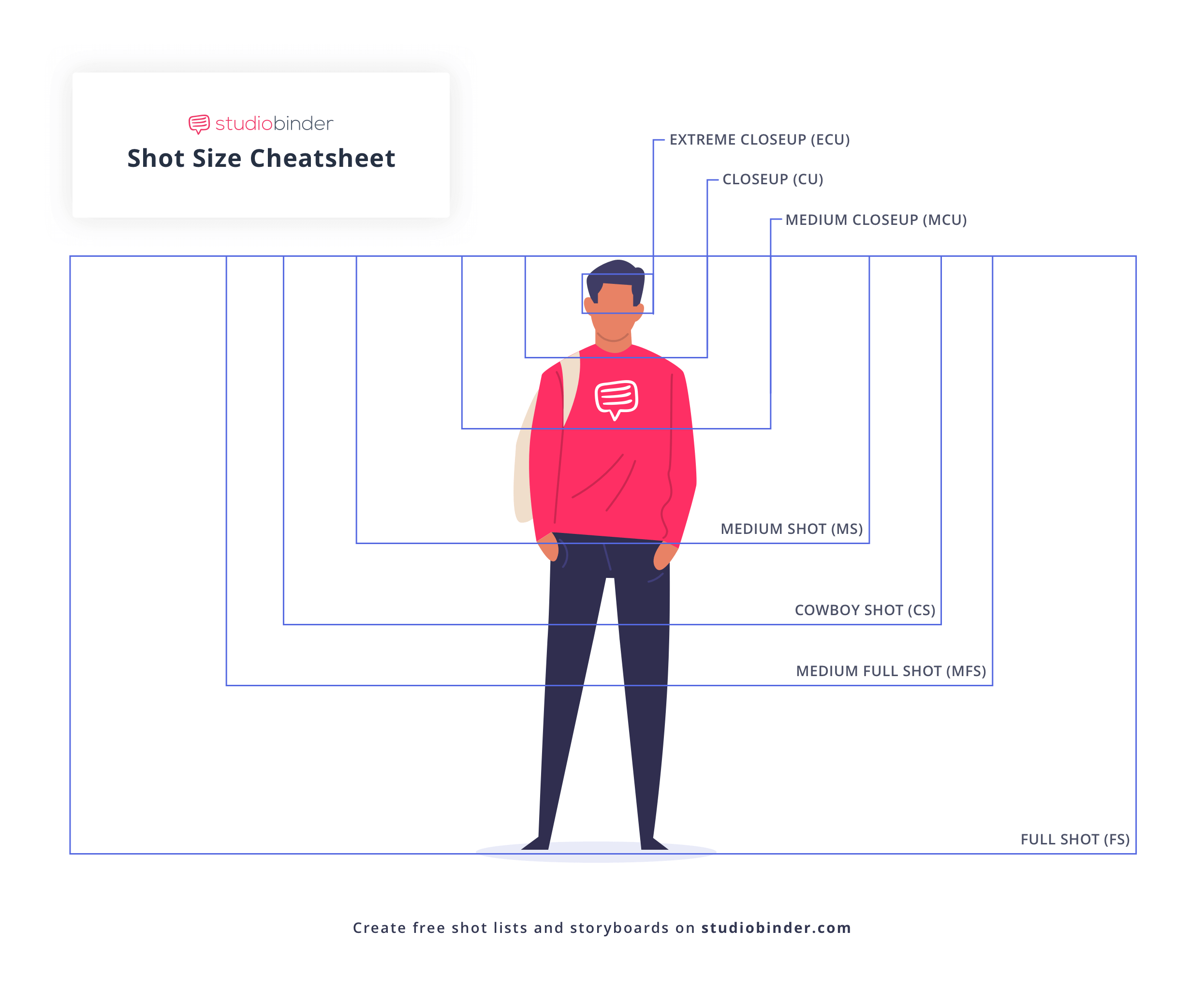
Camera shot size cheat-sheet
Which camera shot size do you choose to begin your scene? What shot size should come at the end? Which of the various camera angles and levels? Each of these will change the visual message of your shot. The size of shot plays a role in establishing the spatial relationship between characters and their environment.
Collaborating with the camera operator and experimenting with different camera shots allows filmmakers to create varied perspectives and enhance scene composition. The right combination of camera angles and shots can enhance storytelling and deepen audience engagement. Using a shot size chart can help you determine the most effective composition for your scene.
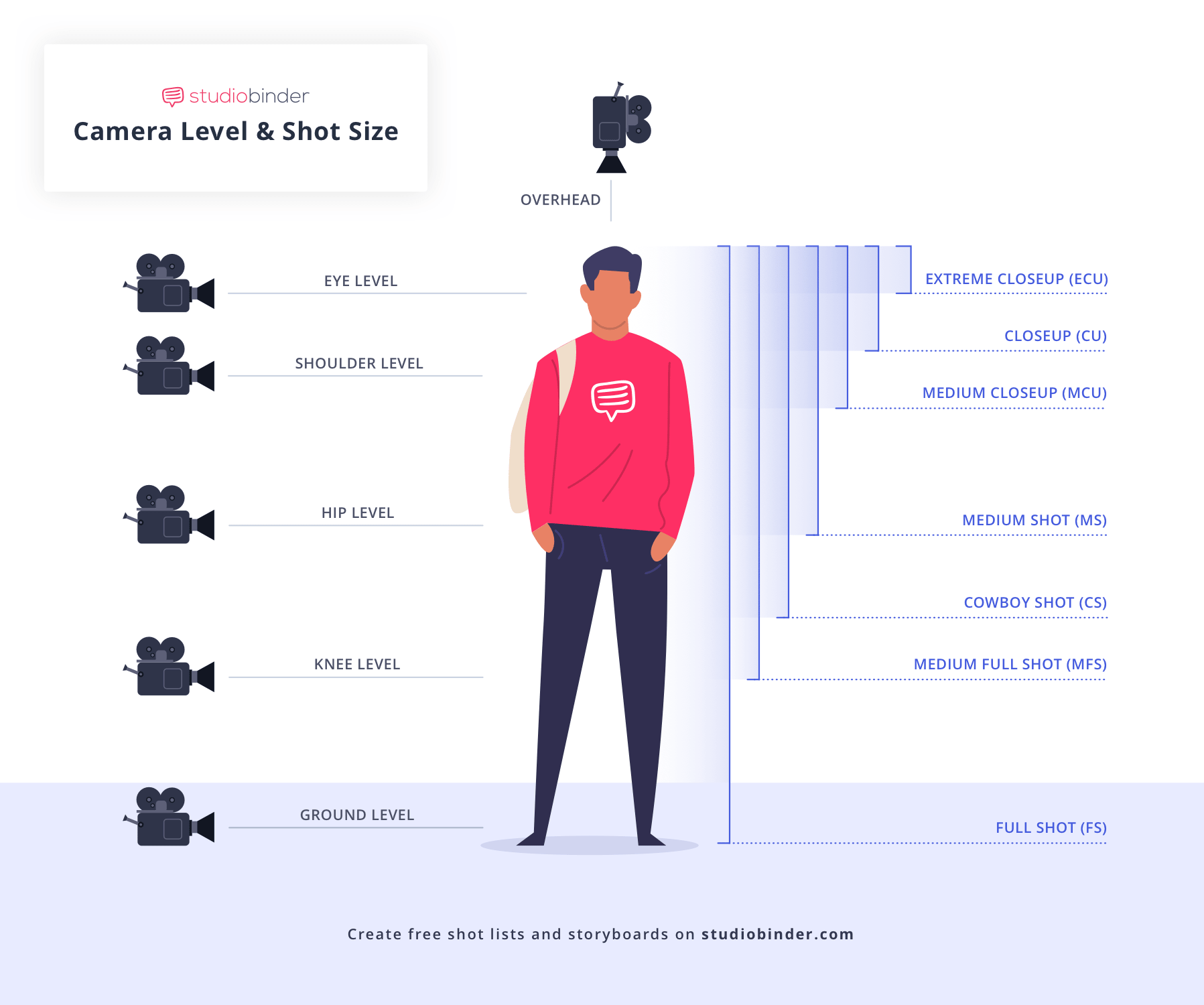
Camera levels + camera shots
Selecting your camera angles and shots is part of the fun of filmmaking, but it's also a very serious decision. This is because each shot size choice you make will alter the surrounding camera shots and the way we receive them. A shot size chart can be an invaluable tool in making informed creative choices.
Okay, onto the different types of camera shot sizes in film!
Trusted by over 1M creatives
Shot lists that turn vision into action
From first draft to final take, plan, organize, and execute every shot with confidence.
Establish the Scene
1. Establishing shots
An establishing shot is a shot at the head of a scene that clearly shows us the location of the action. Establishing shots have no rules. They simply help to build tone and context, but they're not required to be wide or from a drone or to be accompanied by a screen-sized title card. They can even be a POV shot from a character's perspective.
Consider the following establishing shot examples and how filmmakers like Stanley Kubrick, Wes Anderson, and Michael Bay approach them:

Shooting Great Establishing Shots • Subscribe on Youtube
Extreme Wide Example
2. Extreme Wide Shot (EWS)
An extreme wide shot (aka extreme long shot) is a camera shot that will make your subject appear small against their location. You can also use an extreme long shot to make your subject feel distant or unfamiliar.
Here's an example of the extreme wide angle shot size:
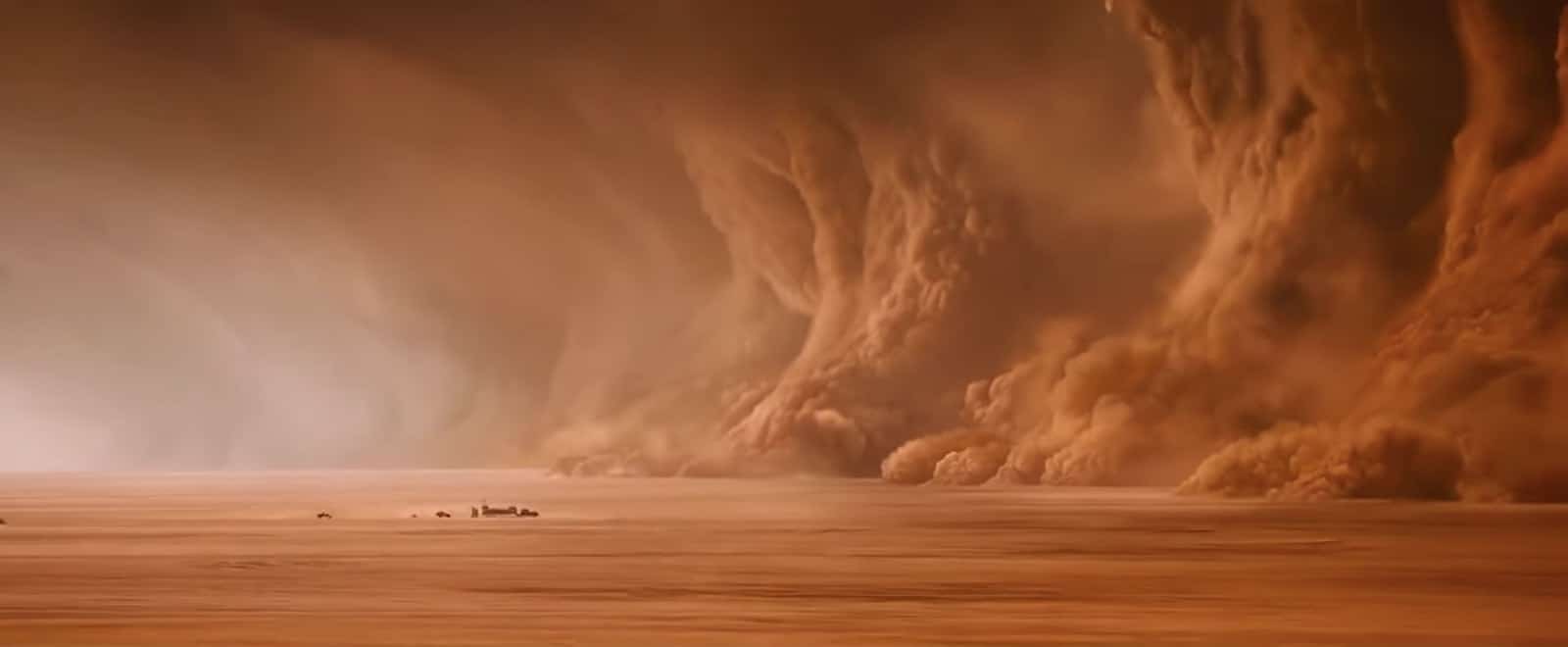
Extreme long shot • Mad Max: Fury Road
Of all the different types of camera shots in film, consider using the extreme wide angle shot. This is great for when you need to emphasize the location and the relationship of the characters within it.
Wide Shot Example
3. Wide shot (WS) or long shot (LS)
The wide shot (aka long shot) is a camera shot that balances both the subject and the surrounding imagery. A wide shot will often keep the entire subject in frame while giving context to the environment. This size of shot is particularly useful when showcasing a character’s relationship to their surroundings.
Here's an example of the wide shot size:
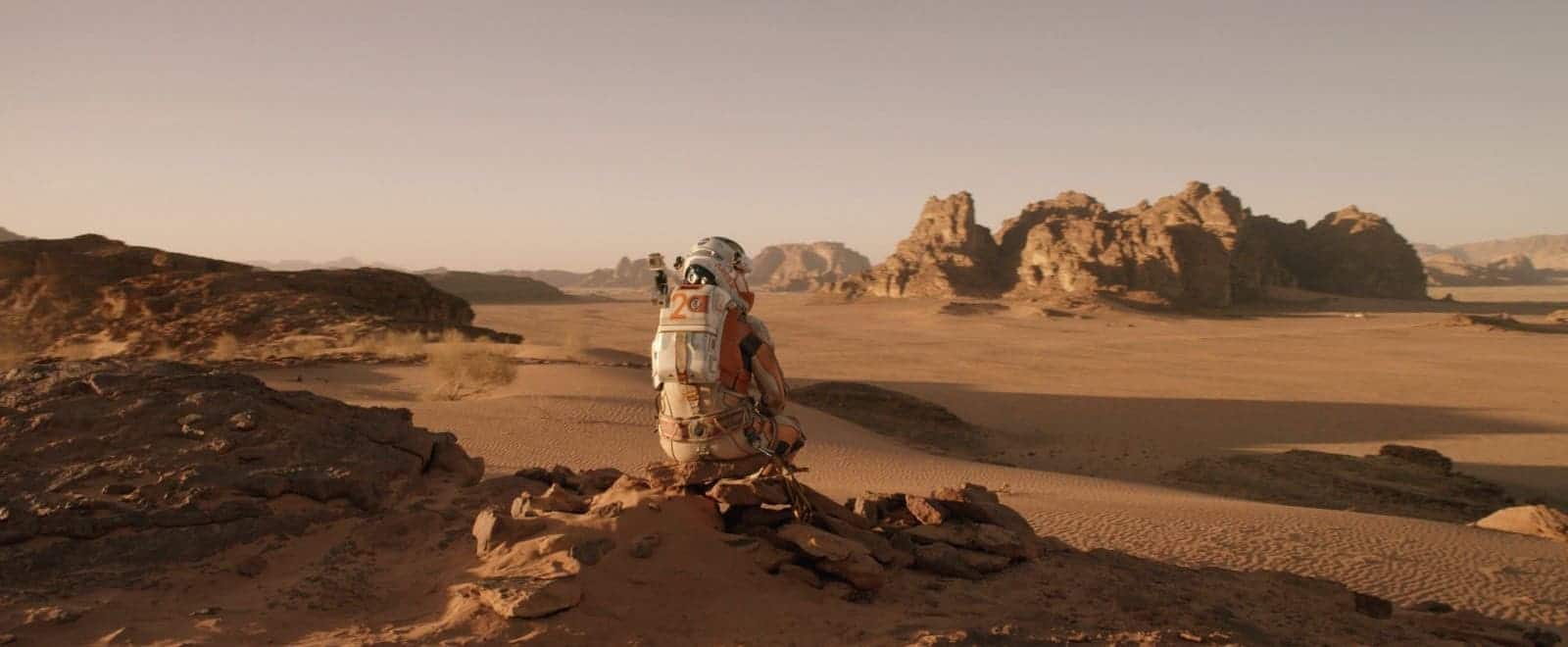
(LS) Long Shot Example • The Martian
A wide angle shot should keep a good deal of space both above and below your subject. Of the many camera shots, a long shot gives us a better idea of the scene setting and gives us a better idea of how the character fits into the area.
Wide shots also create narrative distance with the subject. They can easily dwarf characters against an expansive background. Even in wide shots, ensuring a proper eye line can reinforce a character’s emotional state and relationships within the scene. The size of shot chosen in these moments helps emphasize isolation or grandeur.
Wide shots are one of Stanley Kubrick's favorite camera shots in film. He'd often use a wide shot with deep focus to create a classic look. Here's a video example of the wide shot size:

Long Shot • Wide Shot Example
Related Posts
Full Shot Example
4. Full shot (FS)
A full shot is a camera shot in film that lets your subject fill the frame, head to toe, while still allowing some features of the scenery.
Here's an example of the full shot size:
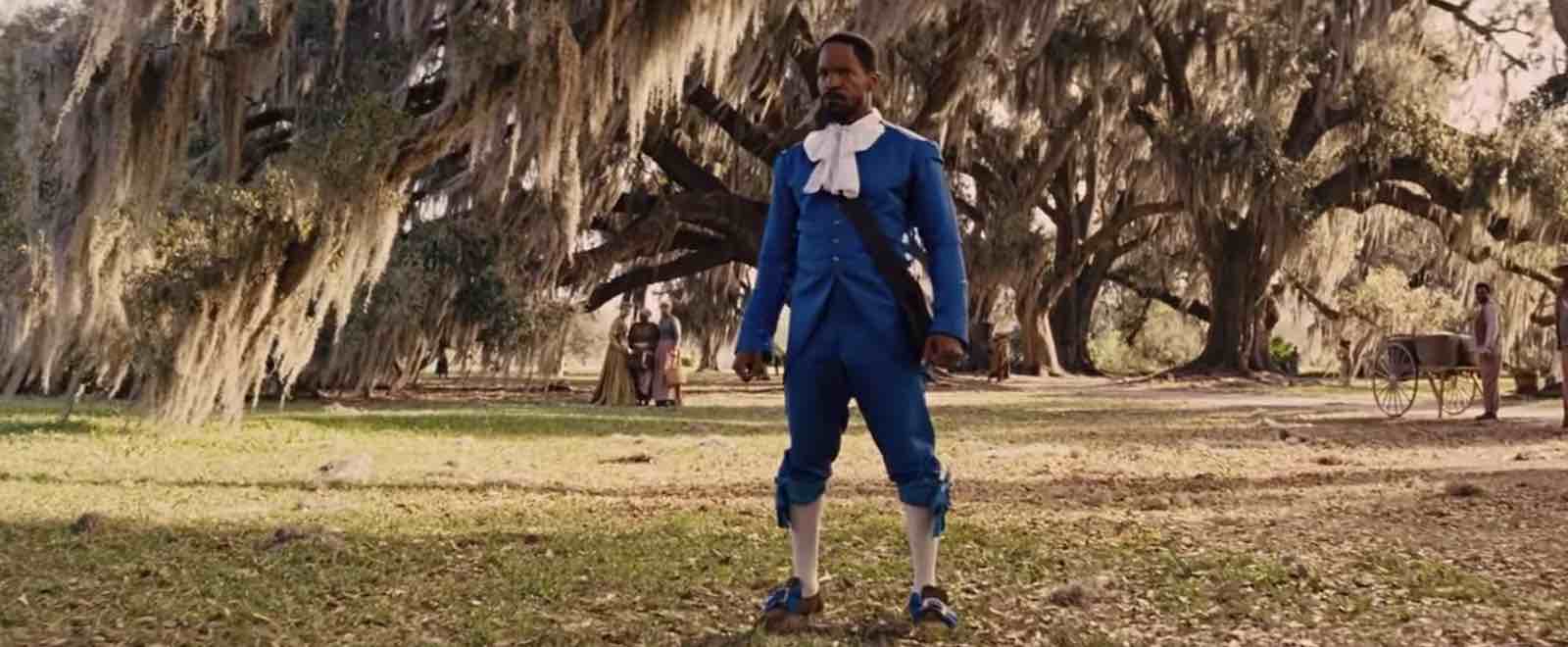
Full Shot Example • Django Unchained
This full shot from Django Unchained is also a tracking shot, meaning there is camera movement featured throughout the shot. In this particular case, the camera slowly moves (or tracks) towards Django. So, technically, this shot begins in a wide shot, moves to a full shot (seen above), and eventually ends in a cowboy shot.
Trusted by over 1M creatives
Shot lists that turn vision into action
From first draft to final take, plan, organize, and execute every shot with confidence.
Of all the different types of camera shots in film, full shots can feature multiple characters in a single shot. Take this full shot size example from Marvel's Guardians of the Galaxy:
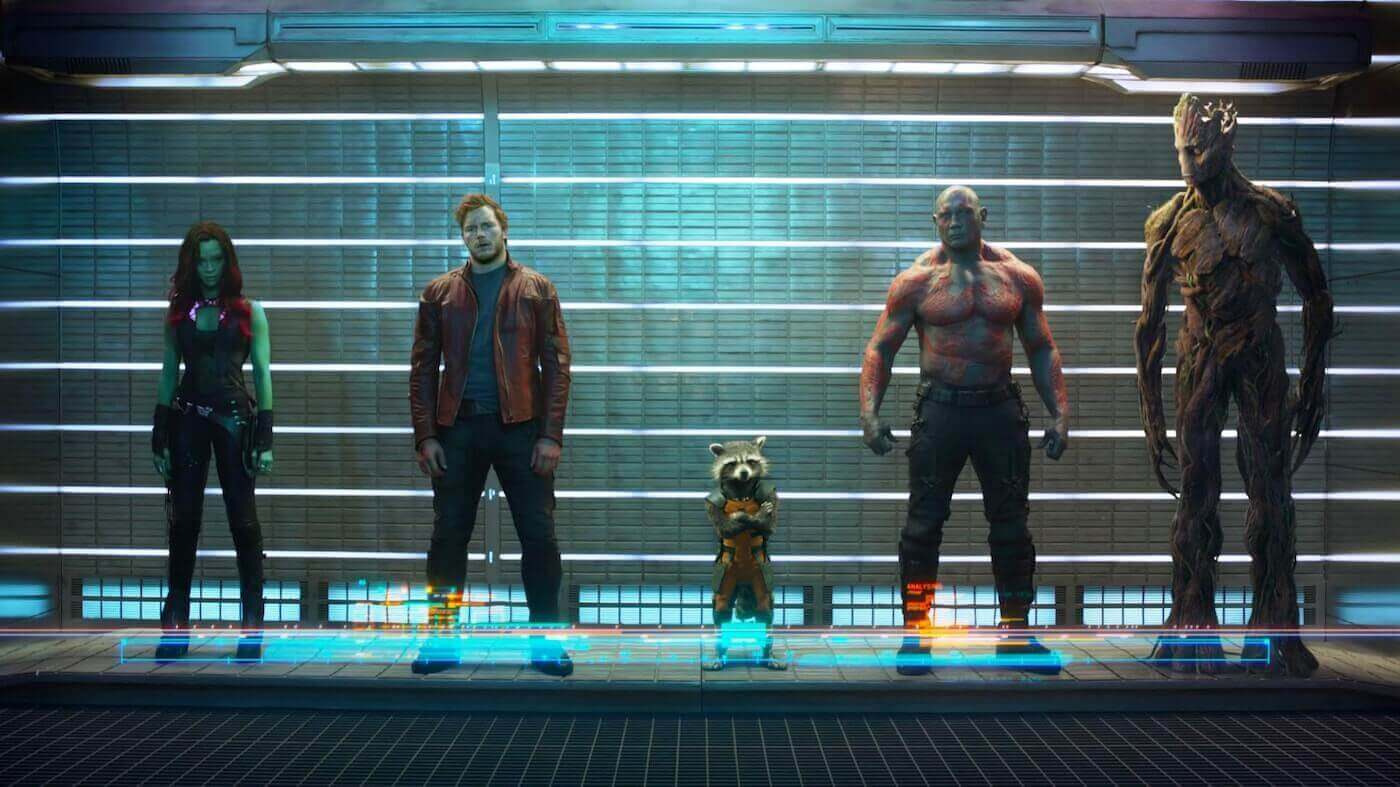
Full Shot Example • Guardians of the Galaxy
Related Posts
Medium Wide Shot Example
5. Medium wide shot (MWS)
A medium long shot (aka medium long shot) frames the subject from roughly the knees up. It splits the difference between a full shot and a medium shot. Here's an example of the medium wide shot size:
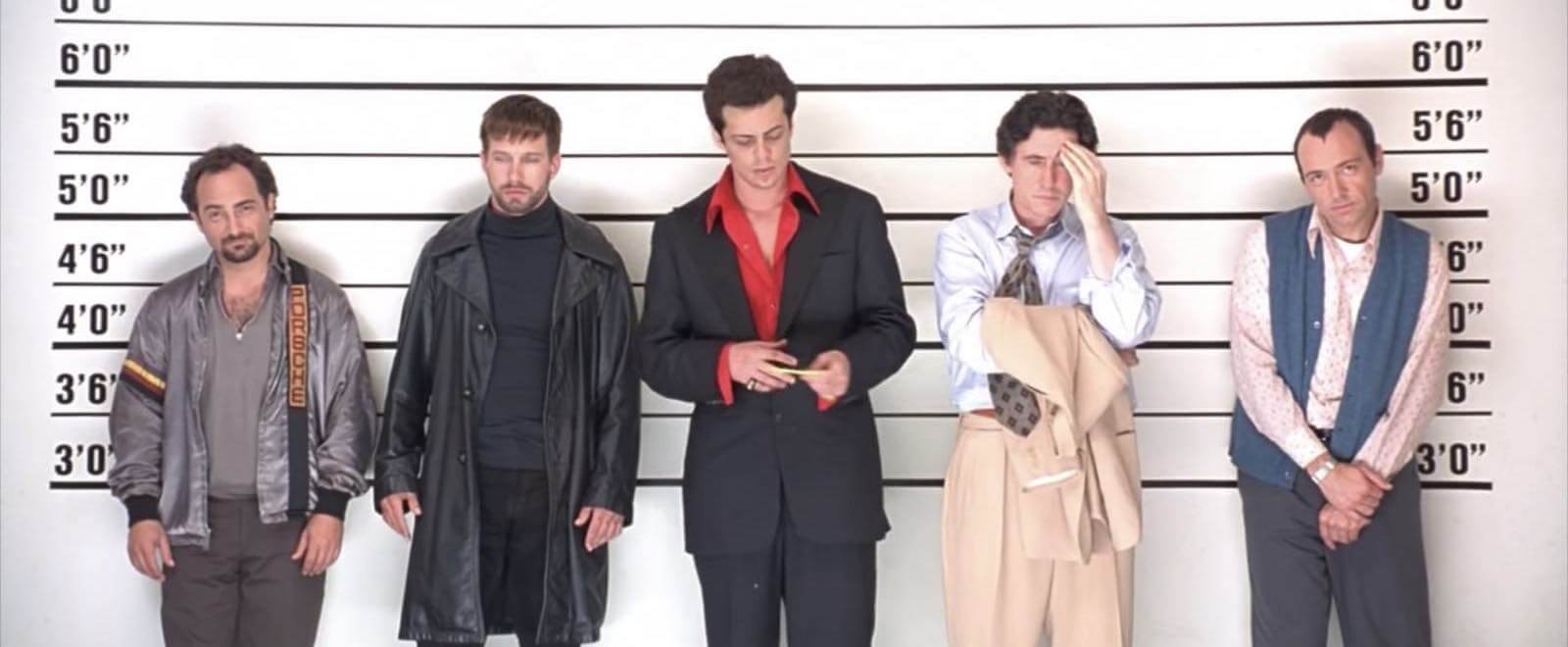
(MWS) Medium Wide Shot Example • The Usual Suspects
You can always frame camera shots from any angle, so don't be afraid to think about medium wide shots when behind a character.
Cowboy Shot Example
6. Cowboy shot (CS)
A variation on this is the cowboy shot, which frames the subject from roughly mid-thighs up. It’s called a “cowboy shot” because it is used in Westerns to frame a gunslinger’s gun or holster on his hip.
Here's an example of the cowboy shot size:
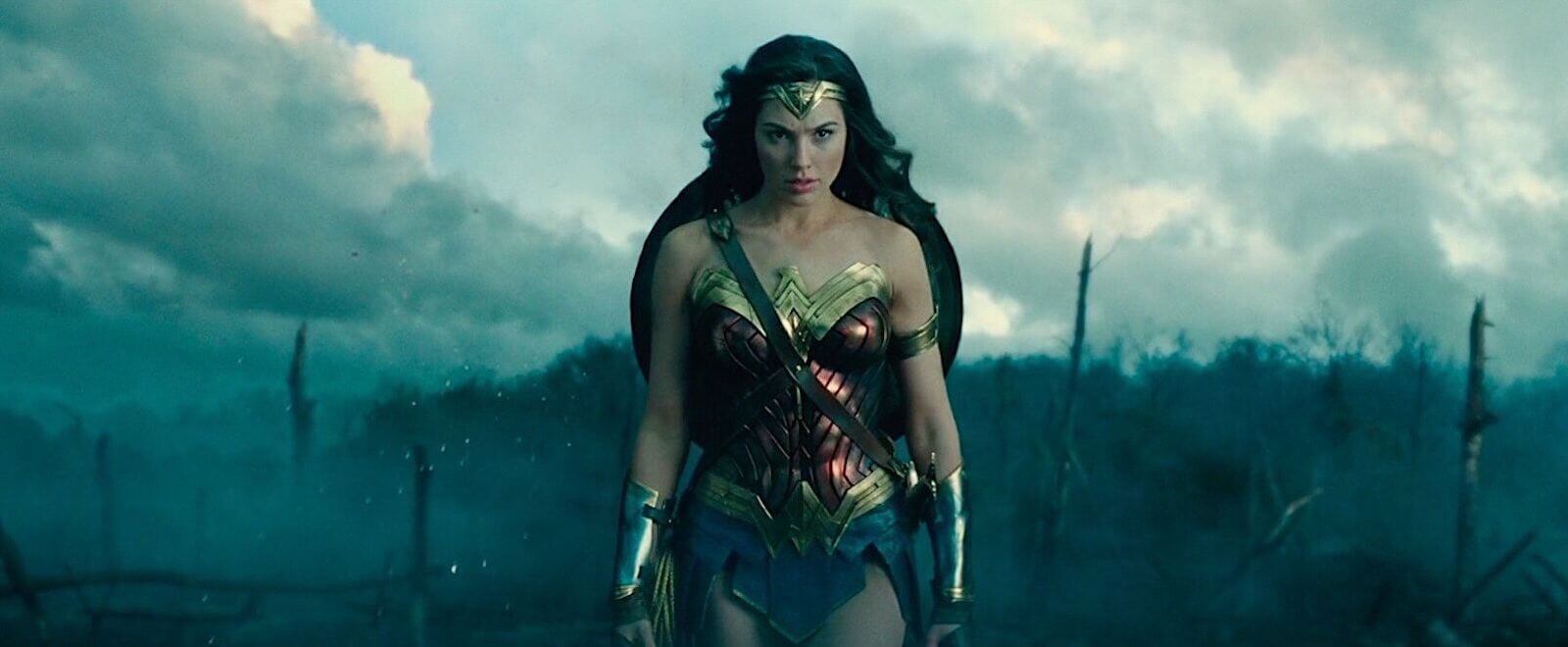
(CS) Cowboy Shot Camera Shot • Wonder Woman
Here is an example of a cowboy shot size used in a film that has nothing to do with cowboys. Wonder Woman is shown in this shot size because it allows the viewer to register the action and the emotion.
Related Posts
Medium Shot Example
7. Medium shot (MS)
Let's move on to camera shots that reveal your subject in more detail.
The medium shot is one of the most common camera shots. A well-framed mid shot allows for a balanced composition, capturing both the subject and their surroundings. It's similar to the cowboy shot above, but frames from roughly the waist up and through the torso. So it emphasizes more of your subject while keeping their surroundings visible. Here are examples of the medium shot size:

Medium camera shot • Subscribe on YouTube
Medium shots may seem like the most standard camera shot around, but every shot size you choose will affect the viewer. A medium shot can often be used as a buffer shot for dialogue scenes that have an important moment later that will be shown in a close-up shot.
If you don't use all of the different types of camera shots in film, how can you signal anything to your viewer without shot size contrast?
Related Posts
Medium Close-Up Shot Example
8. Medium close up (MCU)
The medium close-up frames your subject from roughly the chest up. This shot is perfect for capturing body language. It shows both facial expressions and slight gestures that contribute to the character’s emotions. So, it typically favors the face, but still keeps the subject somewhat distant.
Here's an example of the medium close-up shot size:
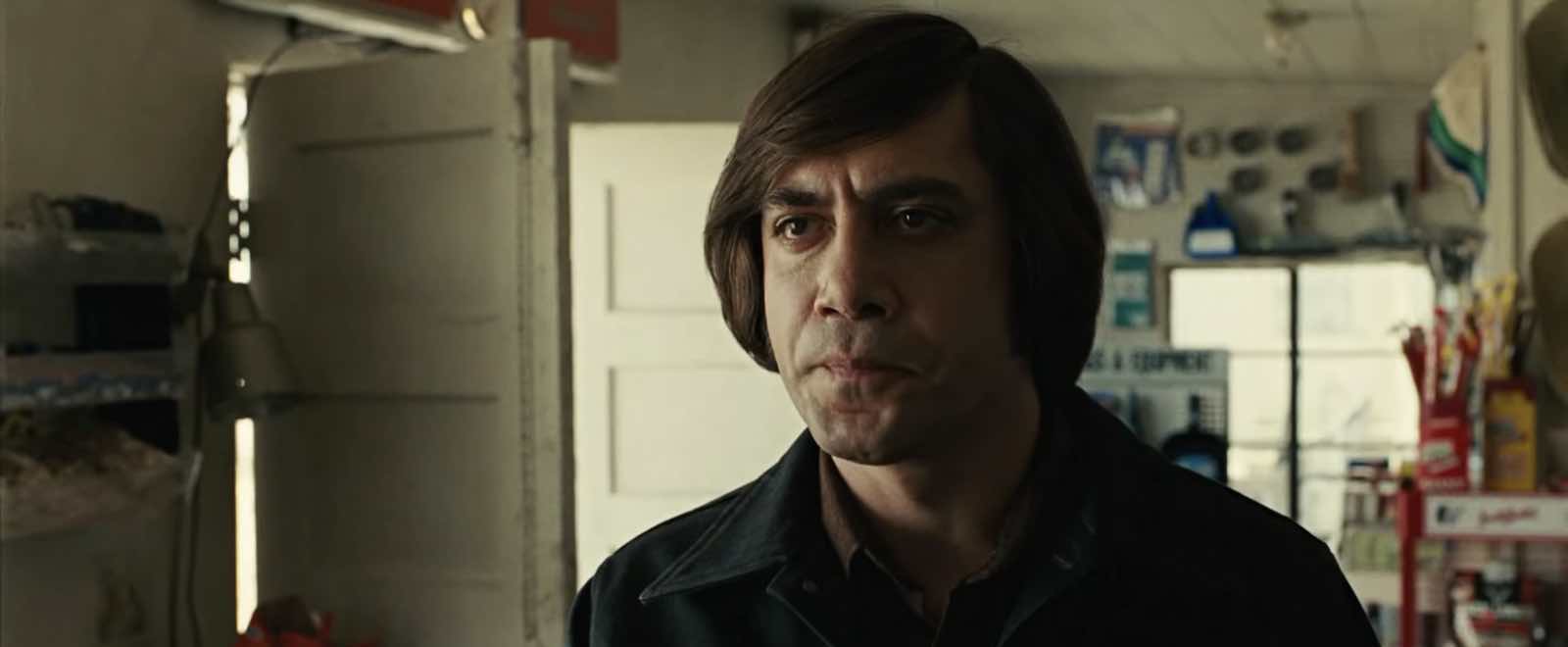
(MCU) Medium Close Up Example • No Country for Old Men
This scene from No Country For Old Men is mostly medium close-ups. This means it's close enough to emphasize the subject and wide enough to include the surrounding space around them:

(MCU) Medium Close-Up Camera Shot • No Country for Old Men
The medium close-up camera shot size also keeps the characters eerily distant, even in a face-to-face conversation. And combining this shot with something like a dutch angle shot can really expand the shot's tension.
Close-Up Shot Example
9. Close up (CU)
You know it’s time for a close-up shot when you want to reveal a subject’s emotions and reactions. A well-framed close-up shot can intensify the drama by drawing the audience into the character’s emotional state. The close-up camera shot fills your frame with a part of your subject, not unlike an eye level shot. Whether it’s a face or an object, a close-up shot captures subtle details that might go unnoticed in a wider frame. If your subject is a person, it is often their face. Here's an example of the close-up shot size:
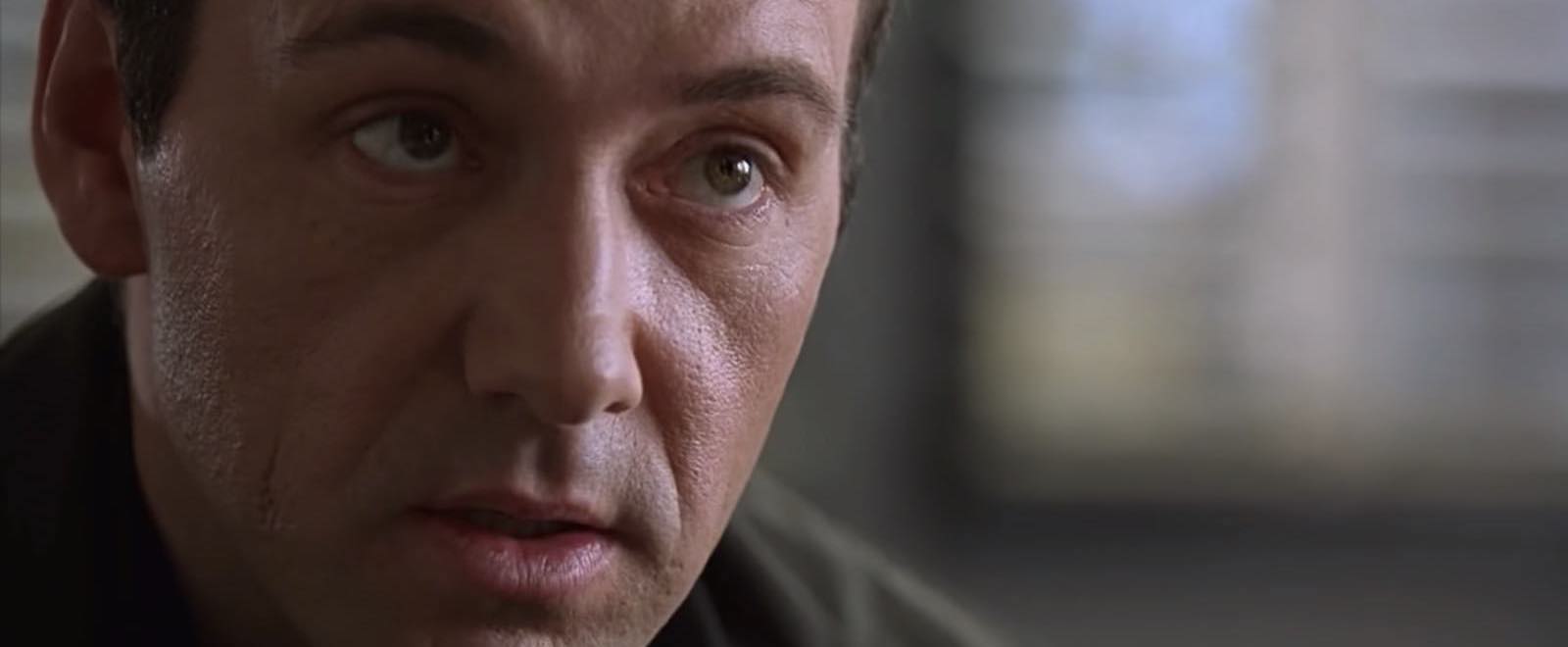
(CU) Close-Up Shot • The Usual Suspects
Of all the different types of camera shot sizes in film, a close-up is perfect for moments that are important for the character. The close-up shot size is near enough to register tiny emotions, but not so close that we lose visibility.
Here's a video example of the close-up shot size:

Close-Up Shot Size • Subscribe on YouTube
A close-up shot is great for monologues, too. A well-timed insert shot can emphasize crucial details, such as a trembling hand or a meaningful object. They let the audience get close to your character to see their facial gestures in detail.
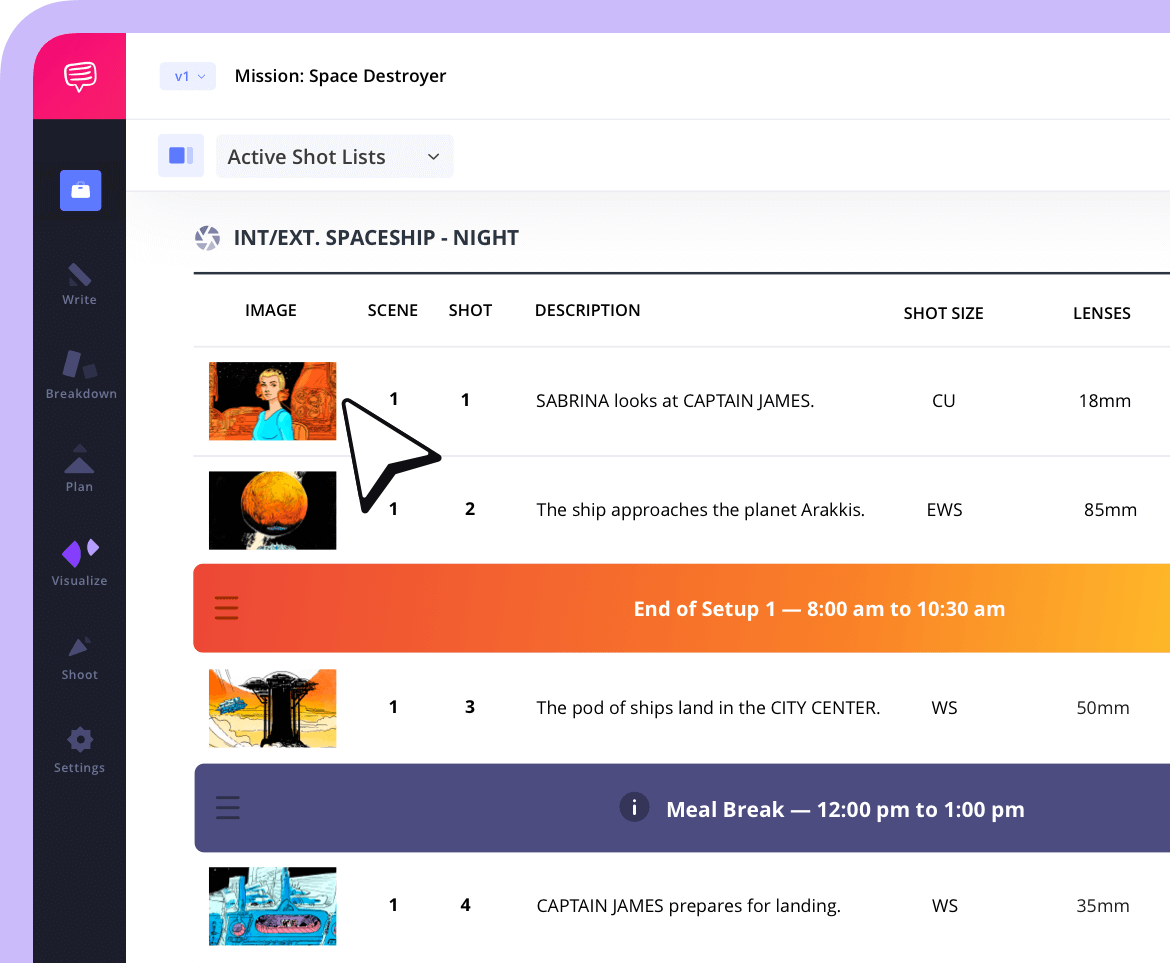
To add a shot spec to your shot list in StudioBinder, just select Close-up from the Shot Size menu on the Shot List page:
Types of camera shots in StudioBinder • Shot List in StudioBinder
Extreme Close-Up Shot Example
10. Extreme close-up (ECU)
An extreme close-up shot is a type of camera shot size in film that fills the frame with your subject. It's often so close that we can pick up tiny details that would otherwise be difficult to see. Unlike a lead shot, there's very little space to breathe around the subject.
This camera shot size often shows eyes, gun triggers, and lips. Extreme close-up shots are sometimes shot with a macro lens for greater detail.
Here's an example of the extreme close-up shot size:
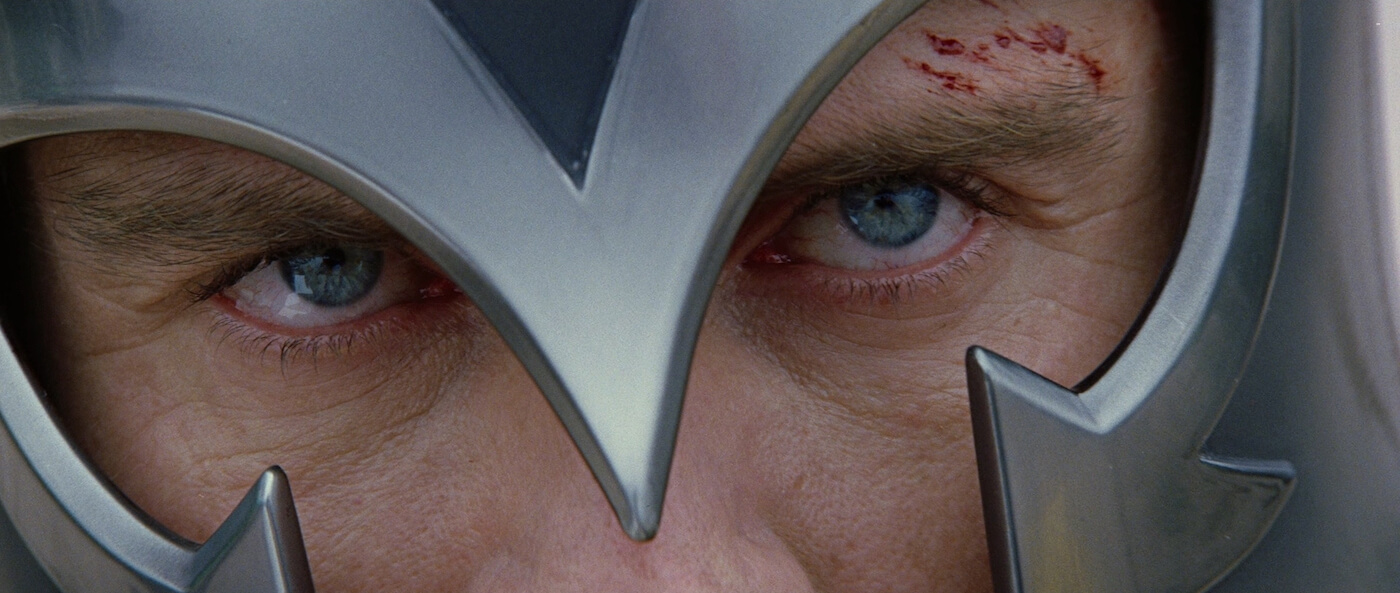
(ECU) Extreme close-up camera shot • X-Men: First Class
In Darren Aronofsky movies, the visionary director uses various degrees of close-ups, like in his film Black Swan. In this extreme close-up, we see that her transformation happens quite literally. Aronofsky uses the extreme close-up shot size to show feathers growing on Nina’s back.

(ECU) Extreme close-up camera shot • Black Swan
Extreme close-ups can be used in many different film genres, including comedy as well. Here's an ECU example:
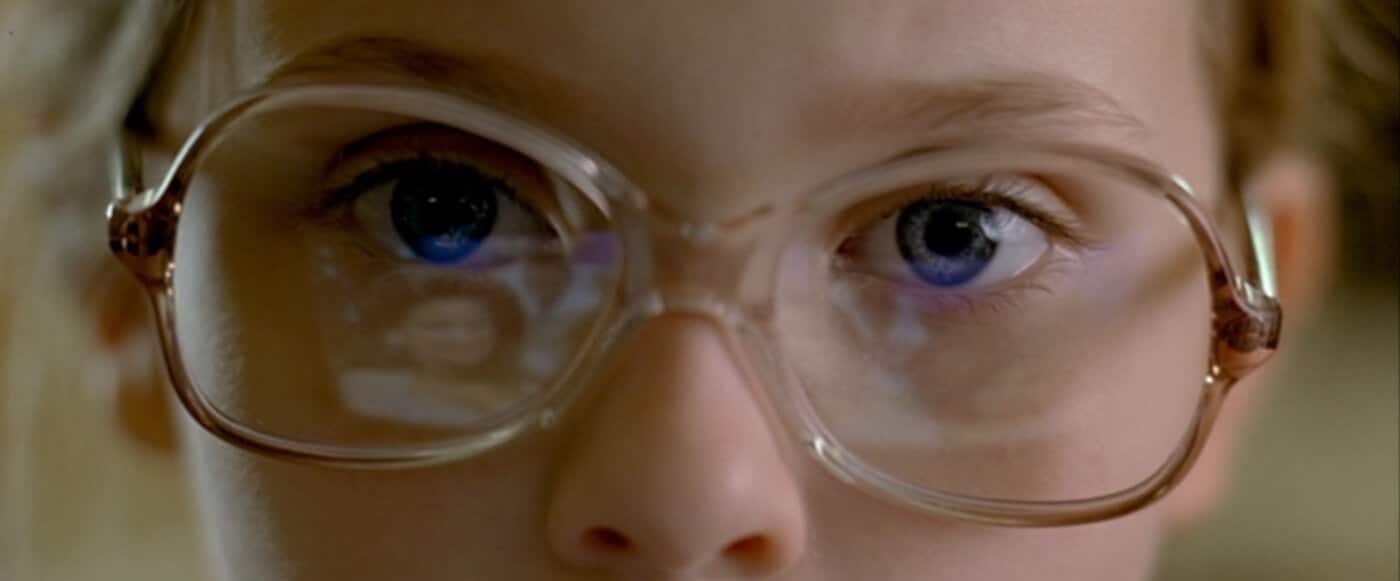
(ECU) Extreme close up example • Little Miss Sunshine
During pre-production, the different camera shots required for each scene are often identified by the filmmakers using shot list templates, shot list software, or storyboard creator software.
There is no "right" camera shot size for any particular moment, but there are camera shots that work better than others to create a mood, feeling, and tone. Camera shot size can provide context for the viewer about character motivation, theme, or setting.
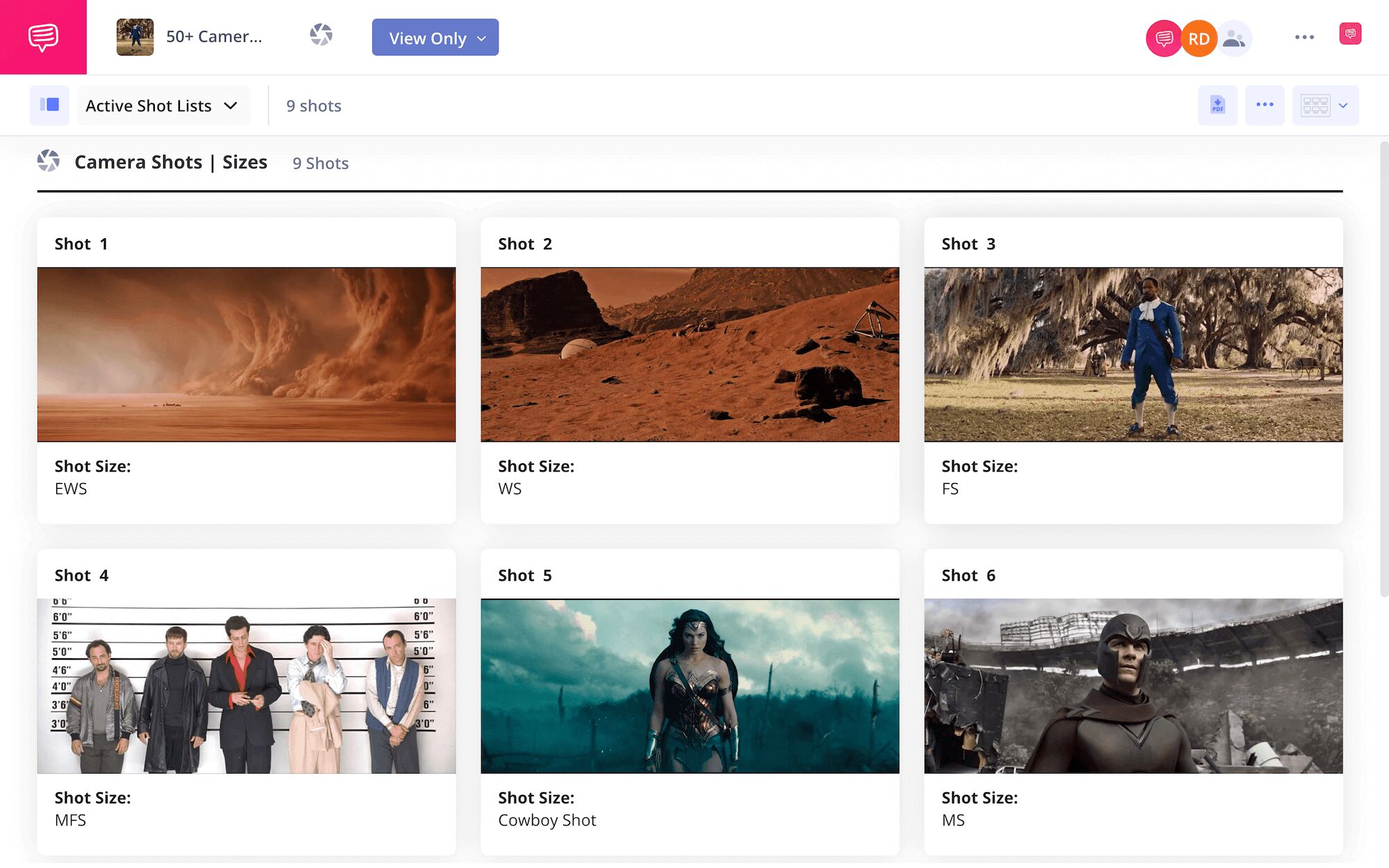
Every camera shot size • Shot Listed in StudioBinder
You can create a PDF of this shot list to print or store digitally.
You don't need to memorize everything in this post. If you use StudioBinder for shot lists, the shot sizes are listed as checkboxes for easy access. This allows you to focus on creativity rather than spending effort attempting to recall shot jargon or retyping acronyms.
Shot size is the building block for choosing camera shots. But you’ll also need to consider how to add deeper meaning with camera angle, camera framing, and camera movement (such as with a dolly zoom technique). Read on to explore creative shot combinations that'll take your project to the next level.
Related Posts
Frequently Asked Questions
Common questions about shot sizes
There are at least over thirty different types of camera shots. However, they are generally categorized by the top nine to twelve, including wide, medium and close-up.
The top 9 types of camera shots are fundamental in filmmaking. Here are the 9 types of camera shots:
- Extreme long/wide shot
- Long/Full Shot
- Medium Long Shot
- Medium Shot
- Medium Close-Up
- Close-Up
- Extreme Close-Up
- Over-the-Shoulder
- Point-of-View
A reverse shot is a type of filmmaking shot setup, and isn't defined by movement. It typically alludes to a shot of a character looking at someone or something, followed by the reverse shot, which is what the character is looking at.
The type of camera shot that captures three people in frame is called a three shot. To most effectively and generally capture three people in a three shot, a medium-three-shot is considered the most direct.
UP NEXT
Complete guide to shots and angles
We've just scratched the surface of the types of shots you can choose from. Next up, we'll go over our entire list of camera shots in film, where you get even more information on film shots and how to use them in your movies. Choosing the right shot for the right moment is critical, and it's important to understand all the options available.
Up Next: Camera shots in film →

Share your vision with elegant shot lists and storyboards.
Create robust and customizable shot lists. Upload images to make storyboards and slideshows.