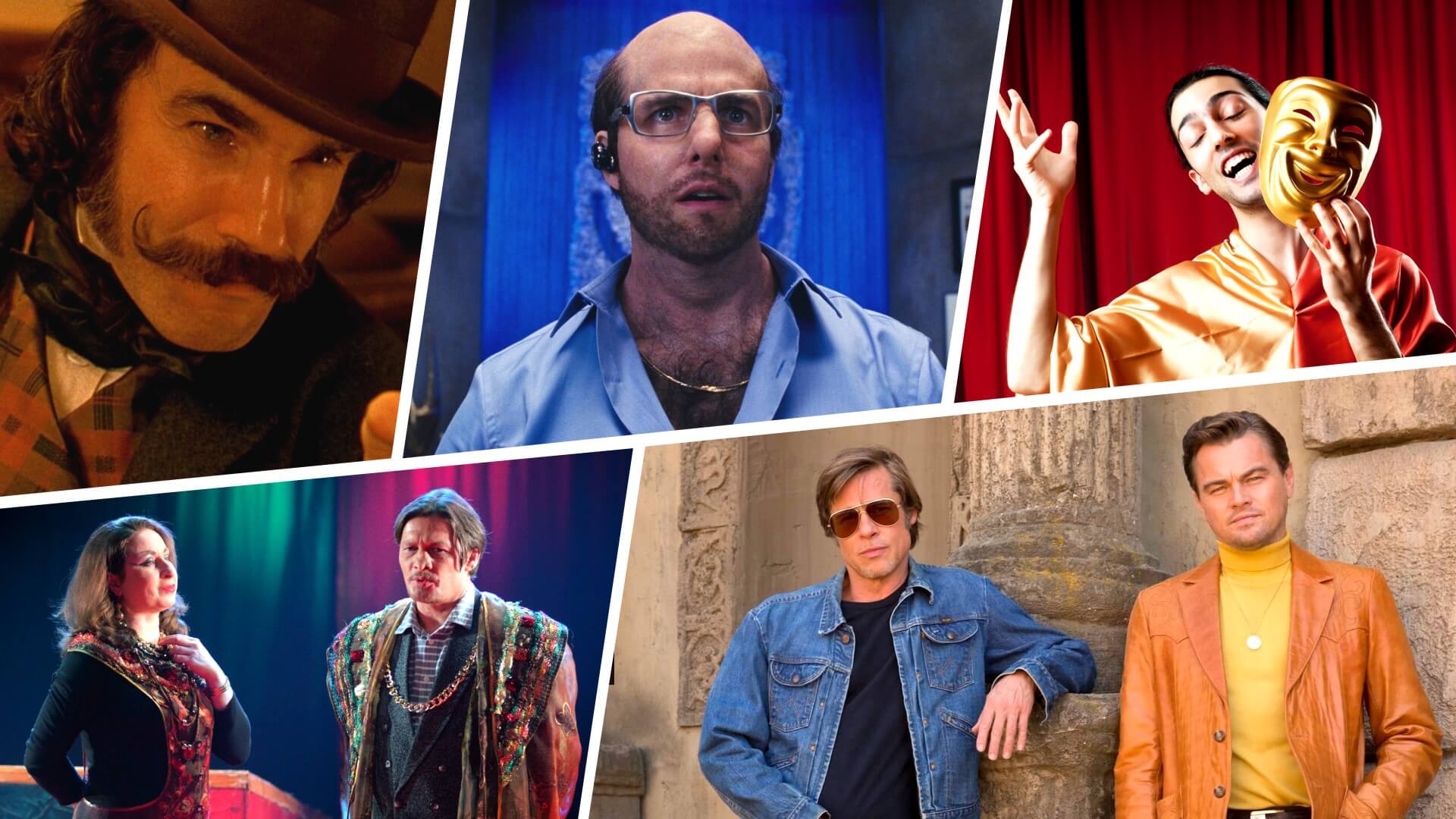
An actor is the embodiment of transformation – an enigmatic figure who brings forth a myriad of characters, giving faces to narratives and emotions. They are the artists who dive into the very depth of humanity, crafting performances that resonate with our souls and often, casting a new light on our own existence.
Just as a prism refracts white light into a spectrum of colors, so too does an actor reveal the human experience through their craft, bringing words and narrative to life.
What is an Actor in Film and Theatre?
First, let’s define actor
The term actor can be traced back to Greek theatre, where actors were known as "hypokrites," which translates to "interpreter" or "answerer." But what is the definition of actor?
ACTOR DEFINITION
What is an actor?
An actor is an individual who portrays a character in a performance, be it on stage, on film, or on television. The actor's role is to make their character believable to the audience, using a combination of voice, movement, and emotion. Traditionally, female actors were referred to as "actresses," but this term has seen a shift in usage in recent years.
Historically, the term "actress" was used to distinguish female performers from their male counterparts, known as "actors". However, as society has moved towards more gender-neutral language, many have started to use the term "actor" for both men and women.
This shift has sparked debate within the industry, with some advocating for the continued use of "actress" to highlight the achievements of women in a male-dominated field, while others favor the gender-neutral "actor" as a step towards equality.
Types of Actors:
- Stage Actors
- Film Actors
- Television Actors
- Voice Actors
Actor Meaning and Origins
The History of the Craft of Acting
Throughout history, the art of acting has captivated audiences and transcended time. From its origins in ancient civilizations to the modern-day, acting has undergone remarkable transformations, paving the way for the diverse range of performances we witness today.
Ancient Origins
Greek Theater: Pioneering the Craft (5th Century BC)
The birth of theater in ancient Greece marked a significant cultural milestone. Greek playwrights, actors, and audiences played crucial roles in bringing stories to life. The use of masks and the design of amphitheaters further elevated the theatrical experience.
Thespis, Athens, and The Origins of Greek Drama
Roman Theater: Embracing Spectacle (3rd Century BC)
Roman theater built upon the foundations laid by Greek theater, embracing grandeur and spectacle. The expansion of theatrical spectacles captivated audiences with larger-than-life performances. Comedy and tragedy flourished, creating a diverse range of dramatic experiences.
Asian Theater: Tradition and Performance (Various Eras)
Asian theater traditions, such as Chinese opera, Japanese Noh theater, and Indian Sanskrit drama, showcase rich cultural heritage. Chinese opera embodies artistic traditions, Noh theater captivates with refined aesthetics, and Sanskrit drama conveys spiritual essence.
Medieval and Renaissance Theater
Mystery and Morality Plays (5th-16th Century)
Medieval theater had a strong religious focus, with mystery and morality plays being prominent forms of expression. These plays conveyed moral teachings through allegory and symbolism, providing moral guidance to the audience.
Elizabethan Theater: Shakespearean Legacy (16th-17th Century)
The Elizabethan era witnessed the golden age of English theater, with William Shakespeare at its forefront. Shakespeare's plays and sonnets remain iconic to this day. The Globe Theatre served as a hub for theatrical performances, showcasing the brilliance of the Elizabethan stage.
Modern Theater
Realism and Naturalism (19th Century)
The advent of the 19th century brought changes to theater, including the transition from stage to screen. The challenges of silent film acting were overcome, leading to the revolution of synchronized sound. Realism and naturalism in performances added depth and authenticity to storytelling.
Golden Age of Hollywood (1920s-1960s)
The Golden Age of Hollywood introduced iconic film stars who captivated audiences worldwide. The studio system played a significant role in shaping the industry and its influence on film production. Method acting emerged as a powerful technique that had a profound impact on performances.
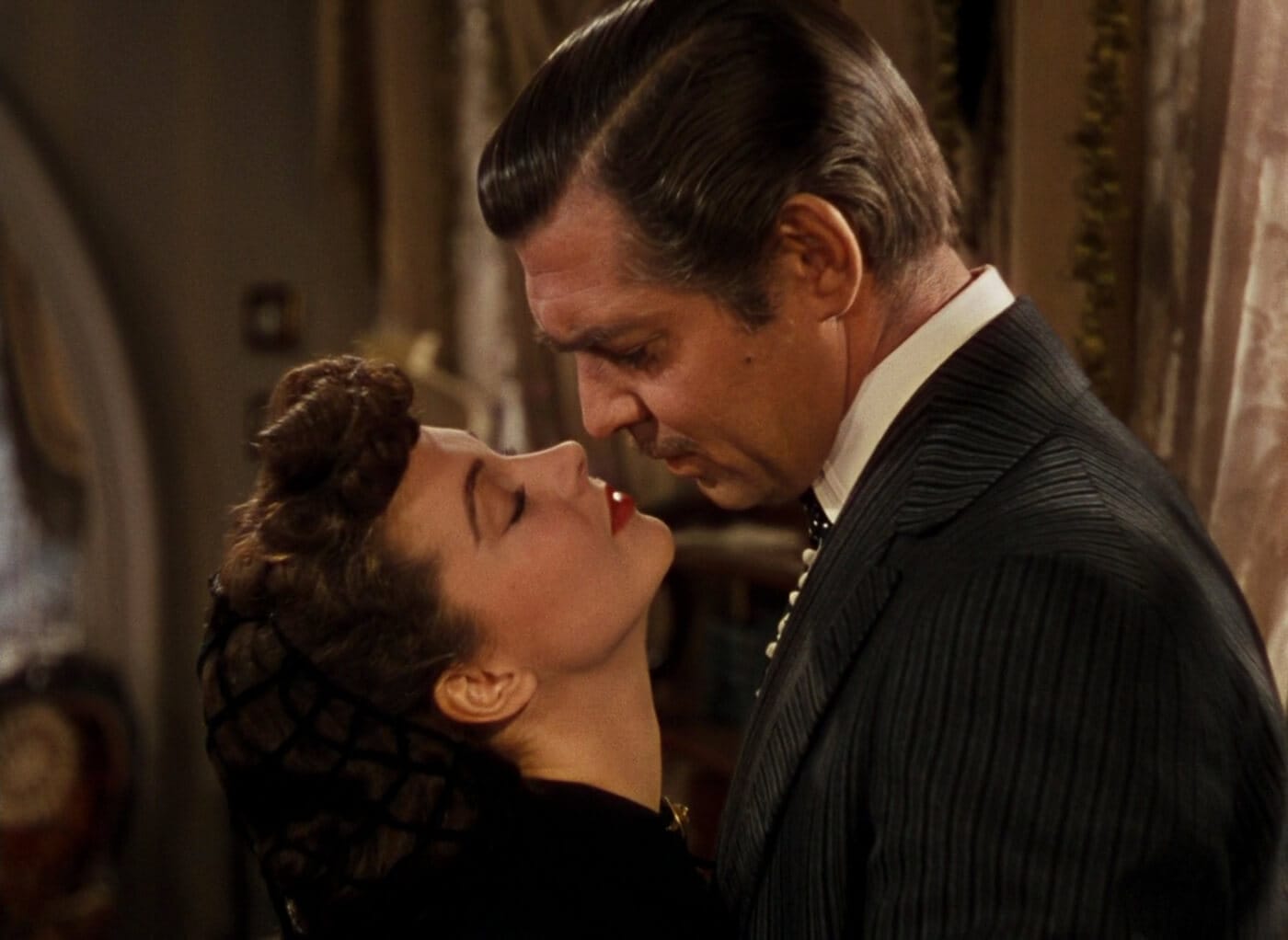
Gone with the Wind (1939)
Television and Digital Age (1960s-Present)
The advent of television dramas and sitcoms revolutionized the entertainment landscape. The rise of streaming platforms and online content expanded creative possibilities. Acting in the digital era continues to evolve, adapting to new technologies and audience preferences.
Through the history of acting, we see the evolution of the craft and its ability to transcend time and cultural barriers. As technology advances, it opens doors for new forms of storytelling and performance, but the core essence of acting remains the same – to bring characters to life and connect with audiences on a deep emotional level.
Variations of Actors
Types of Actors
A lead actor plays a vital role in the entertainment industry, captivating audiences with their performances. They can be broadly categorized based on the medium in which they perform.
Stage Actors
Stage actors showcase their talent in front of a live audience, creating a captivating experience through their performances.
Meryl Streep, Laurence Olivier, and Ian McKellen are not only celebrated film actors but also renowned stage actors, making them true icons in the world of performing arts.
Film Actors
Film actors bring characters to life in cinematic productions, where their performances are recorded and edited for the big screen. Some of the best film actors in history are known for their ability to convey emotions through subtle gestures and expressions on screen.
Some of the best examples of a film actor are Meryl Streep, Robert DeNiro, Marlon Brando and Denzel Washington.For great insight on the differences between stage and screen acting check out this interview with Ian McKellen.
Ian McKellen Explains The Difference Between Acting on Stage and In Movies
Television Actors
Television actors work in series or episodic shows, delivering consistent performances that engage viewers over multiple episodes.
James Gandolfini, Jon Hamm, and Julia Louis-Dreyfus are among the exceptional actors who have left a lasting impact with their powerful performances on television.
How James Gandolfini Navigates Emotion
Voice Actors
Voice actors use their vocal talents to bring animated characters, video game characters, or commercial voiceovers to life. Their ability to convey emotions solely through their voice is a unique skill that requires precision and creativity.
Some notable voice actors include Mark Hamill, Tara Strong, and James Earl Jones.
Mark Hamill’s Most Iconic Voice Roles • From the Joker to Chucky
Acting, in all its forms, is a craft that has both entertained and enlightened us since ancient times. The transition from stage to screen, from silent films to talking pictures, and now to digital platforms, has shaped and enriched this performing art, extending its reach across the globe.
Related Posts
How to Become a Movie Actor Through Technique
Styles and Methods of Acting
Acting is a complex and intricate craft, encompassing a vast array of techniques and methods that skilled actors employ to create truly authentic and compelling performances. From the timeless classics to the cutting-edge avant-garde, there is an extensive range of influential styles and methods that have shaped the art of acting throughout history.
Whether it's the emotional depth of method acting or the physical precision of the Meisner technique, actors have a plethora of tools and approaches at their disposal to bring characters to life on stage and screen.
Method Acting
Method acting, developed by Lee Strasberg, encourages performers to draw on their own experiences and emotions to portray their characters authentically. This immersive approach often involves actors fully living out their characters, even off stage or set, to deliver more genuine performances. Famous proponents of this style include Marlon Brando, Robert De Niro, and Meryl Streep.
A Beginner's Guide To Method Acting
Classical Acting
This style of acting is linked to the classical theatrical tradition, focusing on strong voice projection, clear diction, and a detailed understanding of the text. It's often associated with Shakespearean performances. Renowned classical actors include Ian McKellen and Judi Dench.
Meisner Technique
Created by Sanford Meisner, this technique emphasizes emotional honesty and instinctive responses. Actors using this method focus on truthful reactions to their surroundings and fellow actors. Notable actors trained in the Meisner technique include Robert Duvall and Diane Keaton.
Christoph Waltz Demonstrates The Meisner Technique
Chekhov Technique
Michael Chekhov, nephew of playwright Anton Chekhov, introduced a technique that emphasizes imagination and body movement. Actors are encouraged to use physical gestures to express their characters' emotional states. Examples of actors who have used this technique include Jack Nicholson and Anthony Hopkins.
Stanislavski's System
This method, developed by Constantin Stanislavski, is often considered the foundation of most modern acting techniques. This approach encourages actors to dig into their character’s motivations and objectives. It involves a deep understanding of the character’s inner life to deliver a convincing performance. Famous actors who have used this technique include Marlon Brando and Paul Newman.
How Stanislavski Reinvented the Craft of Acting
Each of these methods and styles of acting have their unique strengths and challenges, and actors often borrow from multiple methods to develop their own distinctive approach. The choice of technique can depend on the nature of the role, the actor's personal style, and the director's vision.
Types of Actors Internationally
Actors Across Cultures
Throughout the world, the craft of acting takes diverse and exciting forms, influenced by the surrounding culture and traditions. From the Noh theatre of Japan to the passionate Tango dancers of Argentina, the storytelling power of an actor transcends language and cultural boundaries.
Japanese Noh Theater
In Japan, Noh theatre actors use stylized movements, masks, and costumes to portray a vast range of characters, from women and elders to deities and demons. The subtle and highly controlled movements of the actor, accompanied by poetic language and music, create an atmosphere of deep aesthetic beauty and emotional intensity.
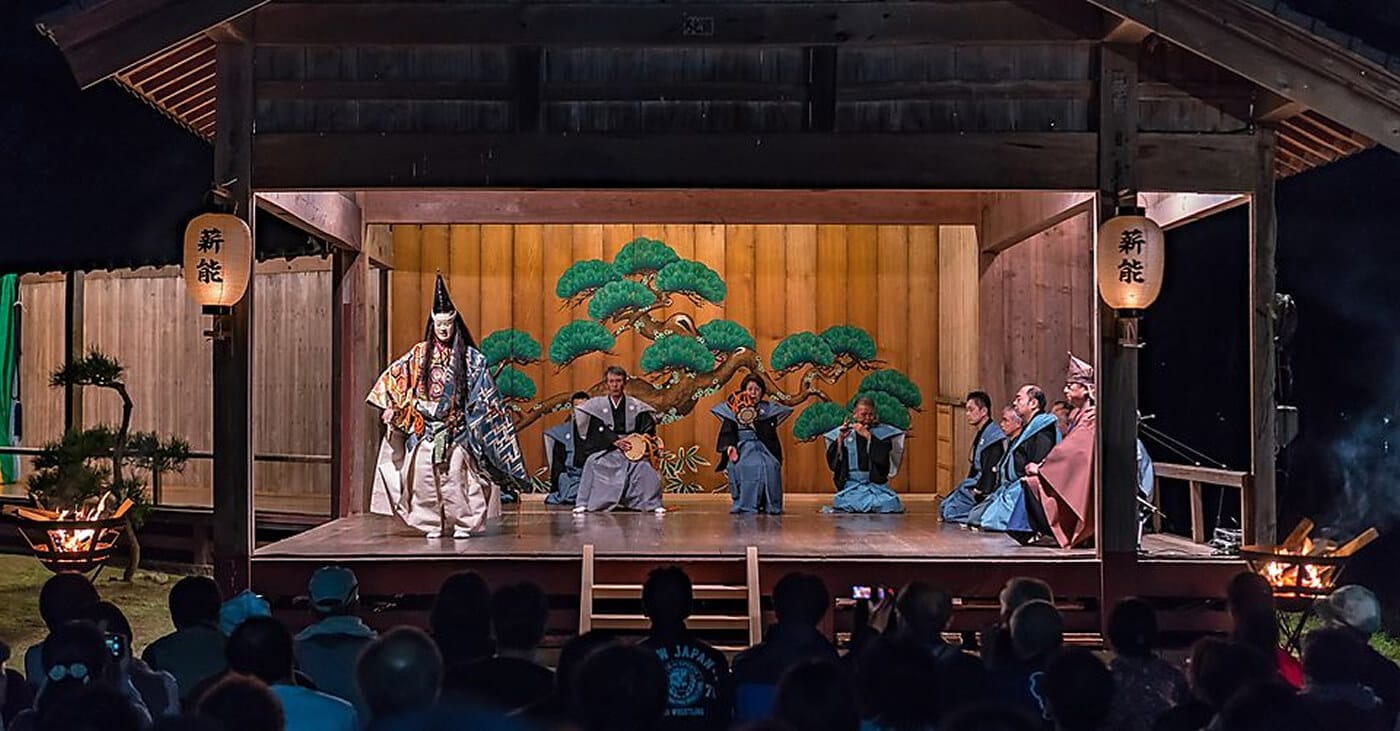
Japanese Noh Theater
Indian Kathakali Dance Drama
Kathakali, a traditional Indian dance drama from Kerala, employs elaborate costumes, detailed makeup, and a language of expressive hand gestures to tell epic tales from Indian mythology. The actors undergo rigorous training to master the physicality and emotional nuances of each character they portray.
West African Griots
In West Africa, griots (or jeli) are the region's bards, storytellers, and historians, bringing the past to life with their words and music. They are not merely actors; they are the living embodiment of their society's culture and history, passing down stories from generation to generation.
Middle Eastern Hakawati
The hakawati were traditional Middle Eastern storytellers who captivated audiences in coffeehouses with their rendition of classic Arabic tales. Their dramatic storytelling style, using voice modulation and expressive gestures, made them a significant cultural phenomenon of the region.
These are but a few examples of the diverse ways acting manifests across the world. Regardless of the culture, the actor serves as a vessel, carrying forward and sharing collective stories, values, and experiences that resonate within us all. Whether on a stage, in a film, or within the heart of a community, the universal purpose of an actor remains: to illuminate the human experience through the art of storytelling.
The world of acting has undergone a remarkable evolution throughout centuries, embracing diverse techniques, mediums, and styles. Yet amidst this ever-changing landscape, the essence of acting stands unwavering - to captivate audiences with genuine and profound performances.
Whether on the grand stage or the silver screen, actors serve as the vital conduit, breathing life into stories and forging connections with audiences across the globe. Acting, truly an enduring craft, continues to hold immense significance in shaping our shared human experience.
Up Next
How to Become an Actor
In light of our exploration of the multitude of acting traditions, styles and techniques, and the significant impact acting and performers have on our societies and cultures globally, one might now be intrigued about the journey to becoming an actor. Up next, we unravel the practical side of this enchanting world – the path to becoming an actor.
Up Next: How to Become an Actor →

Share your vision with elegant shot lists and storyboards.
Create robust and customizable shot lists. Upload images to make storyboards and slideshows.