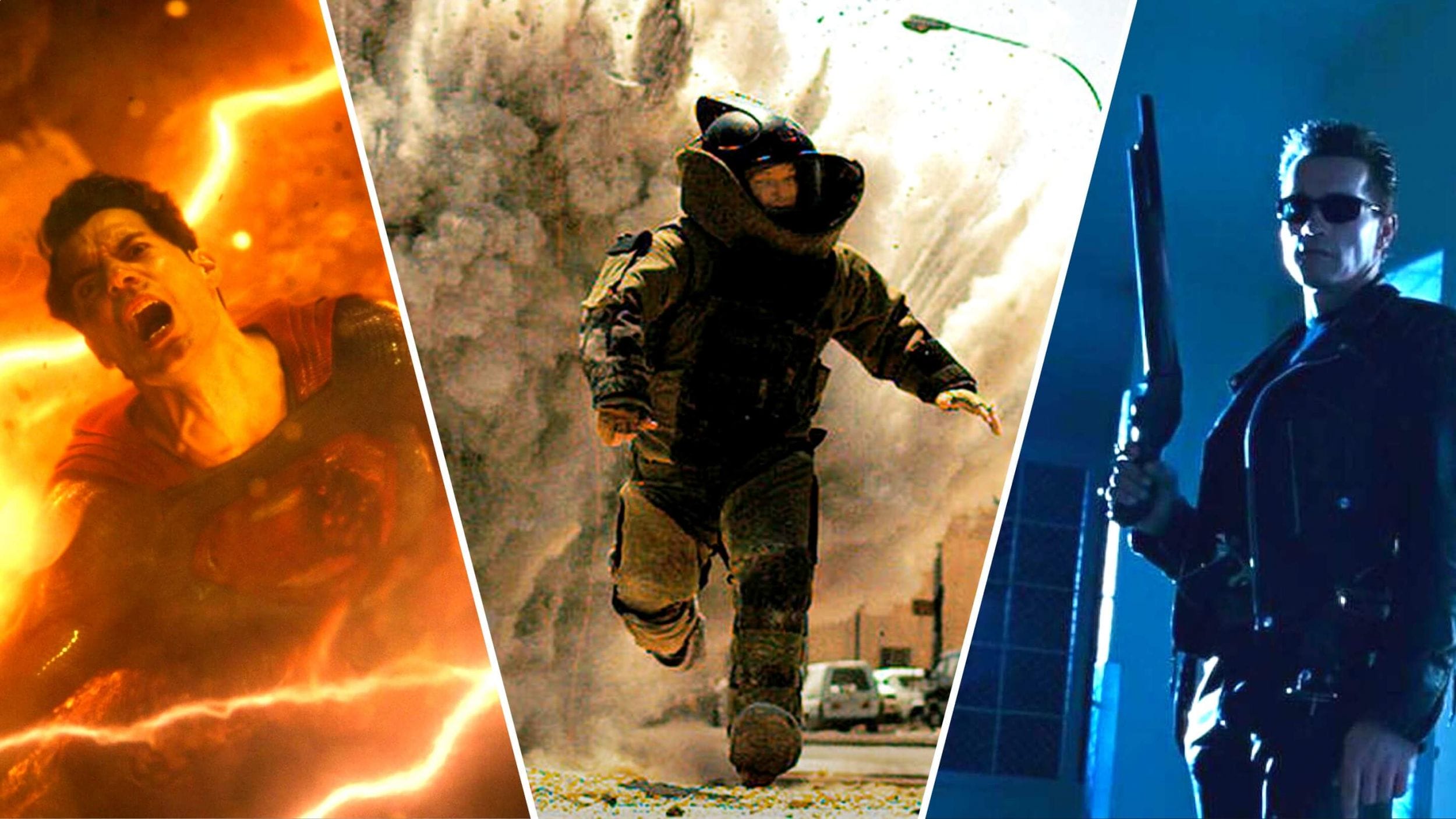
In the realm of cinema, time is an illusion. Filmmakers have the power to stretch a fleeting moment into a dramatic sequence that lasts minutes, allowing audiences to absorb every intricate detail. This magical time manipulation is none other than slow motion.
From explosive action sequences to heart-rending emotional scenes, slow motion has added a new dimension to cinematic storytelling. In this article, we will explore the world of slow motion, its definition, the science behind it, and its transformative impact on the art of filmmaking.
What is Slow Motion in Film Production?
First, let’s define slow motion
On the surface, slow motion might seem straightforward - it's just slowing things down, right? But look a little deeper, and you'll find a fascinating interplay of technology and creativity.
SLOW MOTION DEFINITION
What is slow motion?
Slow motion is a technique used in cinematography to capture and display action at a slower rate than it was recorded. It's achieved by increasing the frame rate of the camera, allowing it to capture more frames per second (fps). When played back at the standard fps of 24, the footage appears slowed down.
In standard filming, around 24 frames per second (fps) are used. Our brains stitch these frames together to create the illusion of smooth, continuous motion.
However, for slow-motion footage, a high-speed camera captures hundreds, or even thousands, of frames per second. When this footage is played back at a normal speed (like 24 fps), time appears to slow down, transforming a blink-and-you'll-miss-it moment into a drawn-out sequence full of captivating detail.
What is slow motion in film used for?
- Amplifying Emotion
- Action Sequences
- Heightening Suspense
- Highlighting Pivotal Details
Slow Motion Frame Rate and Technique
The Science of Slow Motion
Behind every breathtaking slo mo sequence lies an intriguing blend of physics and technology. The concept of slow motion taps into our understanding of time perception - how quickly or slowly we perceive events to unfold. To truly understand the concept of slow motion, it's important to understand frame rate.
What is Frame Rate? • Subscribe here
When we watch a slow-motion scene, we're seeing more frames per second than usual. This abundance of visual information takes longer for our brains to process, giving the illusion that time is moving more slowly. It's a fascinating example of how filmmakers can manipulate our perception to create a more immersive viewing experience.
Related Posts
Movies With Slow Motion
How Slow Motion is Used in Cinema
Slow motion is not just a visual gimmick; it is a powerful storytelling tool. Filmmakers strategically utilize slow motion to amplify emotion, heighten suspense, and emphasize pivotal details. By slowing down a moment, filmmakers can unveil character nuances, plot twists, and thematic elements that might otherwise go unnoticed.
Action Sequences
Slow motion has been a staple in action scenes, allowing filmmakers to showcase every nuance of movement and create intense, visually stunning sequences.
Most iconically, Zack Snyder employs this in a number of his films, but perhaps most brilliantly in the opening scene of The Watchmen (2009).
Comedian vs Ozymandias • Watchmen
Amplifying Emotion
A slow motion effect has a remarkable ability to evoke and intensify emotions within a scene. It allows viewers to fully immerse themselves in the emotional journey of the characters, capturing every nuanced expression and gesture. Emotion, obviously, is a spectrum.
From slow-motion scenes of romance to anxiety, one of the best examples of this can be found in Stanley Kubrick's The Shining (1980). As blood pours from an opening elevator in slow motion, the scene becomes increasingly more haunting.
The Shining • Elevator scene
Heightening Suspense
In moments of suspense, slow motion can create a heightened sense of anticipation and tension. It elongates the passage of time, building suspense and keeping audiences on the edge of their seats.
A remarkable instance of slow motion heightening suspense can be seen in Kathryn Bigelow's The Hurt Locker (2008). Slow motion is used to slow down the frantic chaos of a bomb disposal scene, emphasizing the danger and intensity of the moment.
The Hurt Locker • Opening Scene
Highlighting Pivotal Details
Slow motion can be a powerful tool for drawing attention to crucial details within a scene. By slowing down the action, filmmakers can emphasize specific elements that hold significant meaning or symbolism.
A striking example of slow motion highlighting pivotal details is found in the scene of QuickSilver saving the day in X-Men: Days Of Future Past.
QuickSilver Kitchen Scene • X-Men: Days Of Future Past (2014)
These examples demonstrate the diverse ways in which slow motion can enhance storytelling in film and television. Slow motion adds an emotional depth and visual impact that resonates with audiences long after the credits roll.
Filmmakers continue to harness the power of slow motion, using it as a storytelling tool that captivates and engages viewers in unique and compelling ways.
Slow motion, therefore, is much more than a technical trick. It's a testament to the power of cinema - the ability to manipulate time, to draw viewers into a moment, to tell stories in a way that's uniquely compelling.
Up Next
How to Write Slow Motion in a Script
Now that you have a grasp of the captivating impact of slow motion in film and its ability to enhance a narrative, you might want to consider incorporating it into your script. To gain valuable insights on effectively integrating slow motion into a screenplay, check out our next article.
Up Next: How to Write Slow Motion in a Script →

Share your vision with elegant shot lists and storyboards.
Create robust and customizable shot lists. Upload images to make storyboards and slideshows.