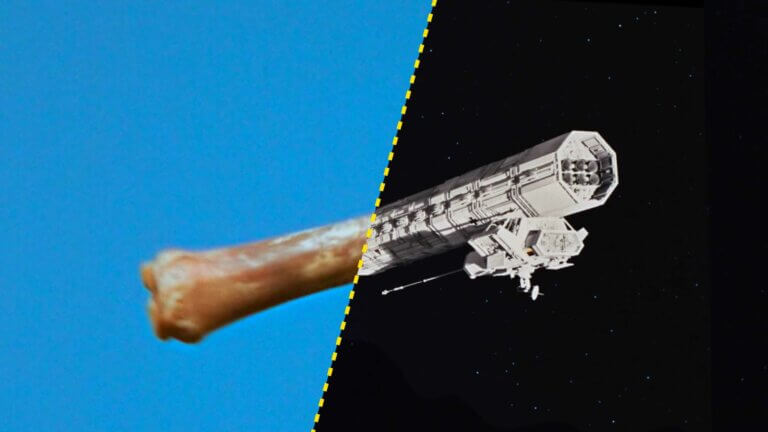
Movies and television are incredible because they can transport us into a world of wonderment. Today we’re going to go over the Kuleshov Effect and how the greatest director of all time, Steven Spielberg, put his own twist on the editing technique for his personal stamp.Continue reading The Kuleshov Effect Explained (and How Spielberg Subverts it)
Everyone loves to see a great scene transition, but how do you connect scenes on a deeper level? Consider using a match cut. Using similar colors, shapes, actions or even dialogue, match cuts add that extra level of meaning to create a more cohesive and seamless narrative. In today’s post, we’re going to break down match cuts so that you not only understand how they work but also why they are so much more effective than a normal scene transition. Continue reading Match Cuts & Creative Transitions with Examples – Editing Techniques
Using non-diegetic sound is a great way for filmmakers to support the worlds that they build. You may have heard this fancy term before but what is non-diegetic sound? The answer is much less complicated than you think. In this article, we’re going to define what non-diegetic sound is. Then, we’ll look at examples from cinema history that show us how to properly and creatively use it.Continue reading What is Non-Diegetic Sound — Definition and Examples
Storytelling may start with an idea and a script. Along the way, it may garner tons of attention and praise for its directing and star-studded cast. But what can sound do for a story? Sound design involves much more than level dialogue and explosions. It’s highly technical, but requires an enormous amount of creativity. If done well, it can tell a truly powerful story. For the typical movie-goer, sound editing vs sound mixing can sometimes be confused with each other, but they are different. The two serve completely different purposes, and both are necessary for a truly cinematic experience.Continue reading…
What is HEVC Codec? HEVC Codec, or High Efficiency Video Coding, is a video compression format that was designed in tandem with the MPEG-H project. HEVC is the successor to the H.264 codec format and the second most popular codec in the world behind Advanced Video Coding, or AVC. Before we dive too deep into the technical intricacies of HEVC, let’s review how it works.Continue reading HEVC Codec — How it Works & Free HEVC Codec Download
Directors and cinematographers shoot with purpose, as they match their technical shot choices with the intended tone or emotion of the story. Of course, they’re not the only ones making critical choices. Editors’ decisions hugely determine the success of a film. It is up to the editor to assemble every scene, every cut in a scene, to tell the intended emotional truth of the story. It’s a tall order. To alleviate some of this pressure, Oscar-winning editor, Walter Murch, outlined some helpful tools. In his book, In the Blink of an Eye, Walter Murch details The Rule of Six, discussing…
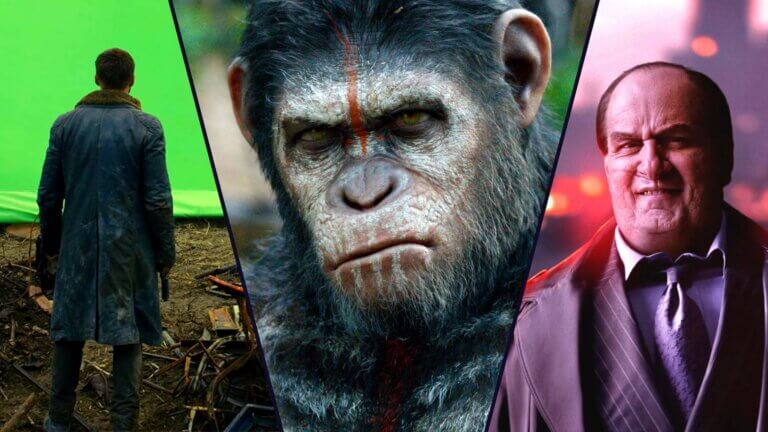
If you've ever marveled at the breathtaking landscapes of Pandora in Avatar or the spellbinding battles in The Lord of the Rings, you've witnessed the magic of visual effects. When looking into the nitty-gritty of how these famed visuals are created, filmmakers have utilized a combination of techniques such as CGI and VFX. But what’s the difference between the two?Continue reading VFX vs. CGI vs. SFX — Decoding the Debate
While not always necessary for story-telling, freeze frames are a timeless tool in film and television. Whether for stylistic purposes or to draw attention to particular aspects of your film, it’s important to whittle down the motivation for your freeze frame. Read on to dissect successful freeze frame movie examples and ways you can implement them in your own work. Continue reading What is a Freeze Frame — The Best Examples & Why They Work
MOS is an important filmmaking technique that allows filmmakers to create powerful visuals through dialogue-driven scenes. It is a popular method used by directors of all genres to make their films stand out from the crowd. In this article, we will take a look at how MOS is used in filmmaking and why it has become such an invaluable tool for filmmakers. Continue reading What Does MOS Mean in Film — Definition, Pros, and Cons
There’s no one way to make a movie. In fact, there’s an infinite number of ways to make one. But in Hollywood, the general contours of a film’s creation hit similar story beats (to borrow a screenwriting term). Whether you are helming a massive studio blockbuster or grinding away at a microbudget indie film, the stages of film production often are the same. Continue reading Stages of Film Production — Overview of the Entire Process