Tutorials – Shoot
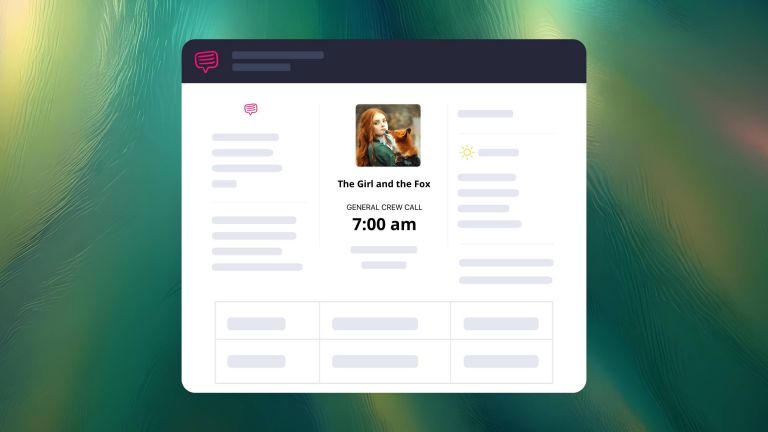
The call sheet tutorial series will help you understand the essentials of creating a call sheet for your upcoming video project.

The call sheet tutorial series will help you understand the essentials of creating a call sheet for your upcoming video project.
This free movie production course series will help you understand the essentials of movie production for your upcoming video project.
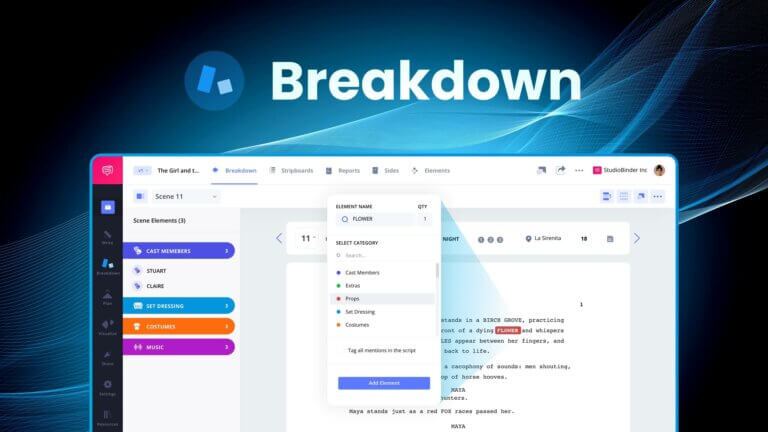
These script breakdown tutorials help you understand how to break down a script, tag elements, manage cast, assign locations, and more.
As time goes on and technology evolves, new jobs being created within a production is inevitable. Creating and keeping track of all this is enough to drive anyone insane. Luckily, StudioBinder makes it easy by not only having a pre-set list of production jobs, but also by letting you add your own custom positions to fit your exact needs. Follow along for a step-by-step process on how to customize departments and roles.Continue reading How to Customize Departments and Roles in StudioBinder
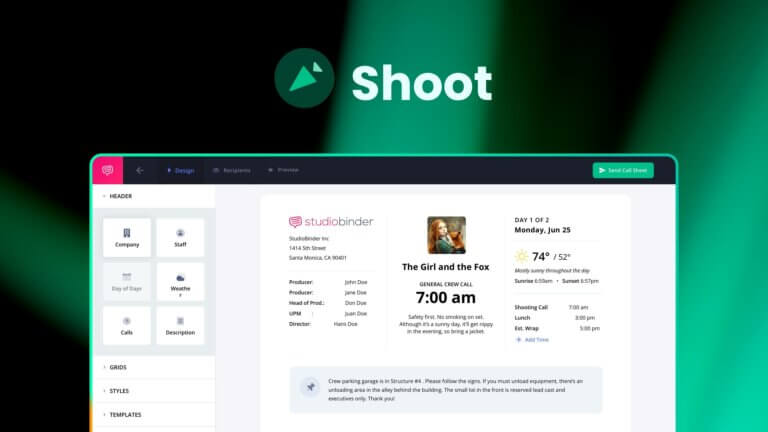
Create a call sheet with the click of a button. Sounds too good to be true, right? Well, it’s not too far off. Now, there isn’t a button that will do all of your pre production work for you, but there is a button that will populate 90% of your call sheet, given you’ve done your prep work. Follow along as we set up a call sheet for success. Continue reading Setting up a Call Sheet for Success in StudioBinder
Filmmaking is a collaborative medium. There are countless people and departments that help bring a project together. So, having a solution that allows you to invite others to work together is invaluable. Luckily, StudioBinder makes inviting and accepting invitations to be a team member easy by having one place to manage your team. Follow along for a step-by-step guide on how to invite and accept teammate invitations. Continue reading How to Invite and Accept Teammate Invitations in StudioBinder
So you’re knee-deep in Pre-Production, shooting script formatted, script broken down and you’re almost done with the shot list. Then, you receive an updated version of the script, so you import that into your StudioBinder project and then all of the sudden you’re missing shots on your shot list. What happened? Well, typically that means there were some scene numbers changed, but fear not. The version history manager lets you roll back to a previous version and I’m going to show you how to recover those shots for the new version. Follow along for a step-by-step guide on how to…
As your filmmaking career progresses you’re going to be working with more and more people all the time. Each new project might be a completely different crew than the last. So, how do you manage this with a production software? Well, with StudioBinder’s Collaborator feature it’s as easy as typing an email. Come along for a step-by-step guide to using StudioBinder’s collaborator feature. Continue reading How to Use StudioBinder’s Collaborator Feature Like a Pro
The script has been written and your project has progressed to the point where you’re ready to start planning the production, but maybe it’s your first time. If you didn’t happen to go to film school like myself, it can be hard to know where to start and what comes next. This is where I use StudioBinder’s task card feature to layout to-do lists, so I always know what’s done and what’s up next. Come along as I set up a project by adding task cards to individual pages of my project. Continue reading How to Set Up a Project…
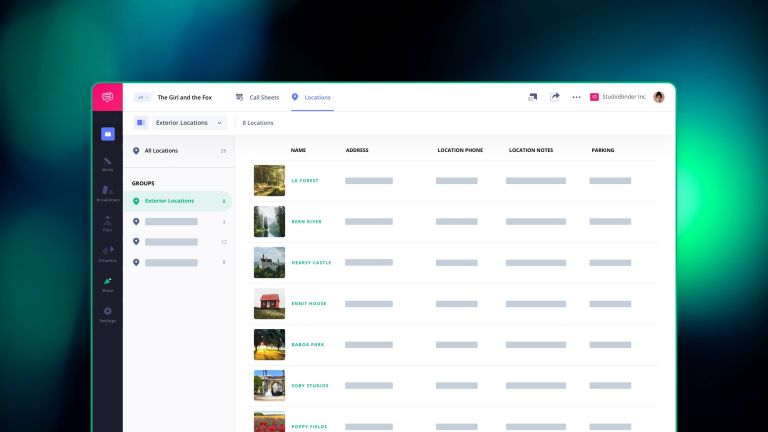
INT. BATHROOM, EXT. SANTA MONICA PIER, EXT. NEW YORK STREET. What do all of these have in common? Well, first of all, they’re all scene headings, at least two-thirds of one. Secondly, they’re all different places or locations. There isn’t a set rule on how many locations to include in a script, but remember that each location comes with its own set of logistics. It used to be that you’d put the information into a spreadsheet, copy and paste as needed. That becomes redundant quickly. StudioBinder’s locations page makes this process easier by allowing you to input the information once.…