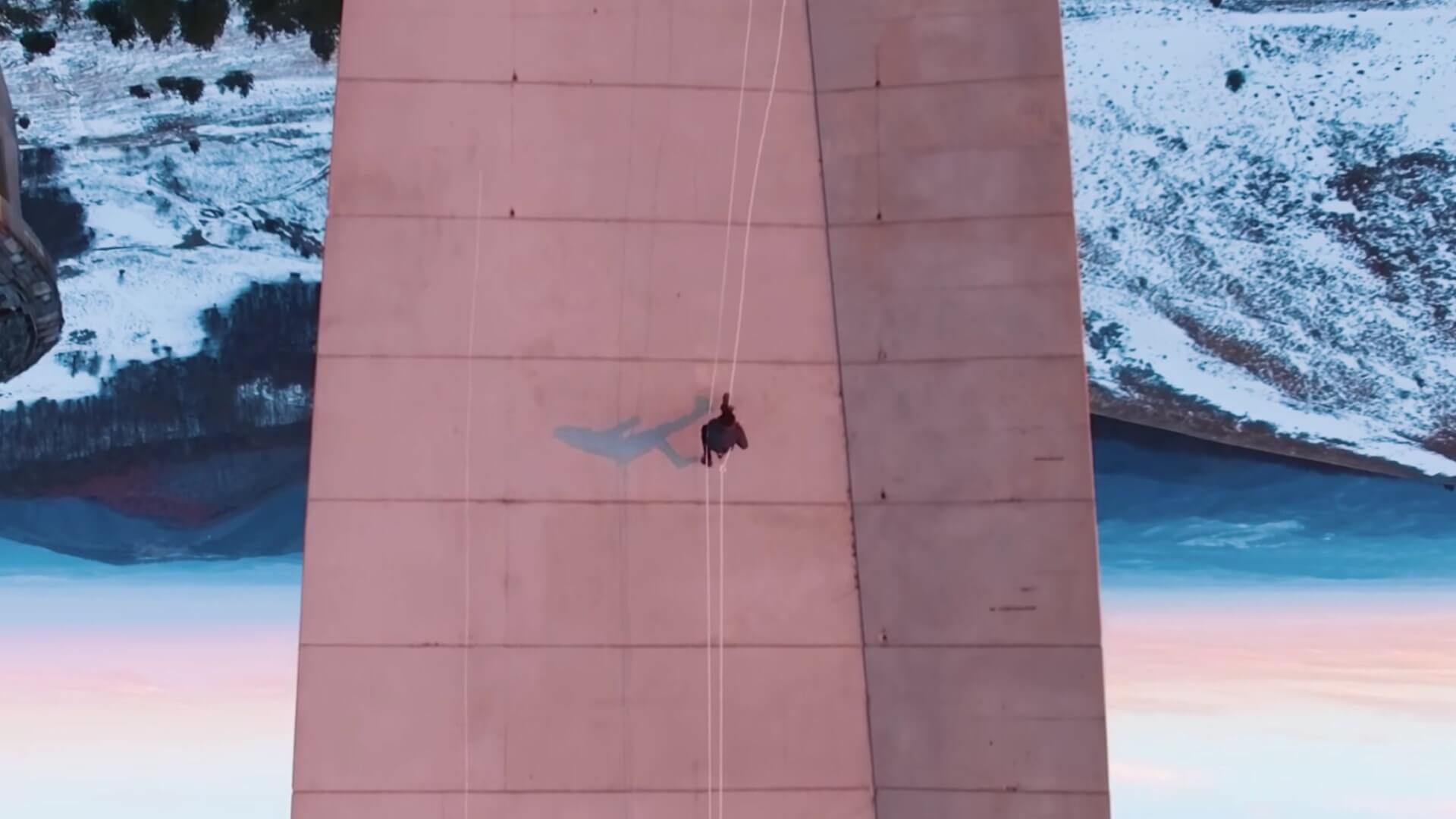
The internet is chock full of video content. The challenge remains: how can YOU create content that will cut through all the noise? The best drone footage is how. Imagine if I told you about a way your content could literally SOAR above all the rest with one easy to find tool? That tool? The drone, of course! Let's find out why. Continue reading The Most Epic Drone Shots | Best Drone Footage of 2026
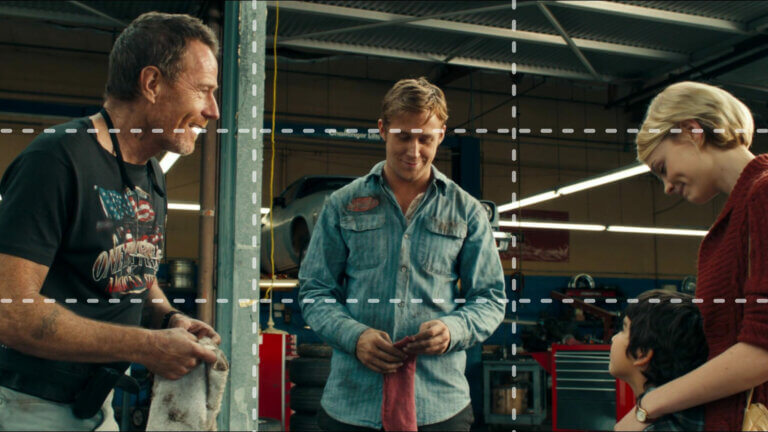
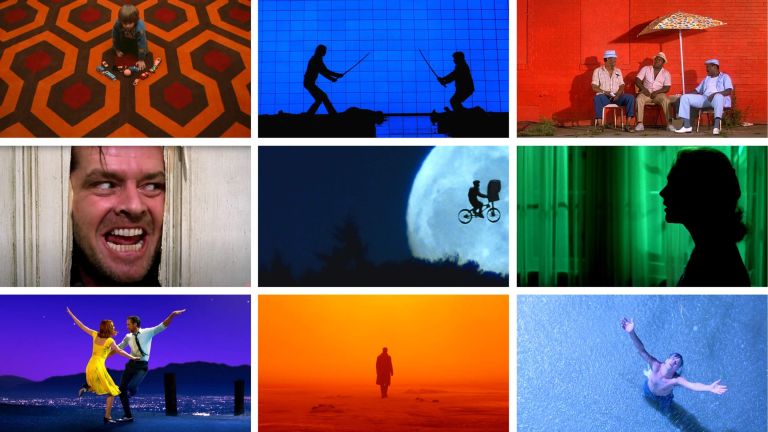
Telling a story isn’t enough. You have to grab your audience by the eyeballs. Whether you’re a seasoned director or just learning what framing in film is, the way we see things is just as important as the things themselves. In his video essay on Drive, Tony Zhou uncovers 4 simple rules of composition that can make your shots out-of-the-box. Continue reading Rules of Composition in Film | How to Show Deeper Meaning
Cinematography techniques are the visual methods filmmakers use to tell a story through images. They include camera placement, shot composition, shot size, focus, lighting, camera movement, and on-set workflow choices that shape how a film looks and feels. If that sounds intimidating, fear not, because today in our beginner’s guide to cinematography techniques, we’re going to look at a bunch of different examples, so that you can see what they look like in action. By the end, you’ll know what the major cinematic shots are, and how to capture them. So load up your film stock, and let’s explore…
Cinematography is the art and craft of making motion pictures by capturing a story visually.It involves controlling light, camera movement, framing, composition, lens choice, and exposure to create the look and emotional tone of a film.In practice, cinematography combines creative decision-making with technical execution, shaping how an audience experiences a story moment by moment.Continue reading What is Cinematography? Defining the Art and Craft
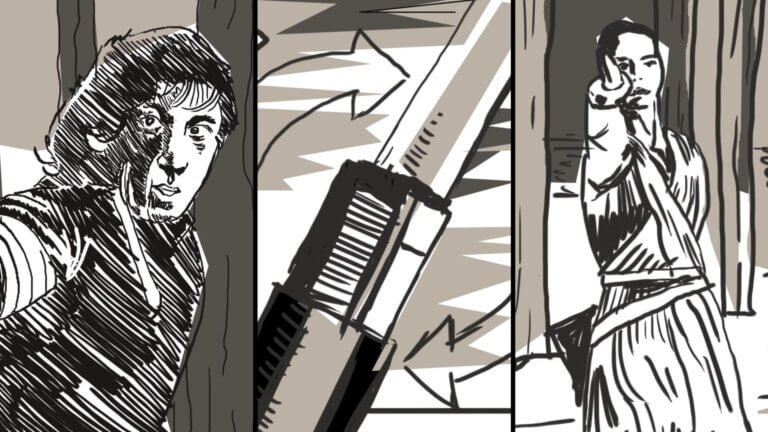
Cameras are getting smaller, rigs are getting more accessible, and camera movement is becoming more prevalent than ever throughout all levels of filmmaking. With that comes the task of incorporating camera moves and camera movement into a storyboard. In this article, we’ll take a look at how to storyboard camera moves to communicate your cinematic vision effectively and clearly. Continue reading Storyboard Camera Movement — Tips and Techniques
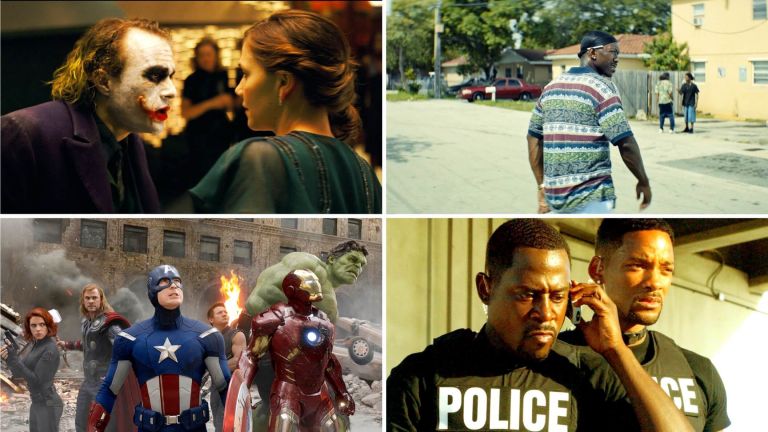
You’re looking for a list of the different types of camera shots and shot sizes in film, TV, or animation. But you also want great examples that come with clear explanations of when and why to use a specific shot size. We’ll provide you with a downloadable shot list example with all the different types of camera shot sizes in film. Lezgo.Continue reading Guide to Camera Shots: Every Shot Size Explained (2026)
Eyelines in film help you tell a professional visual story better than most directing techniques and film gear ever will. The very basics of crafting an effective scene begins with the eyeline match. This is a filmmaking technique that, when done correctly, should go completely unnoticed. Nonetheless, it is an incredibly important technique that all filmmakers should know and understand. A lack of attention to eyeline match can result in visible errors in an entire scene. In this article, we’ll answer, "What is eyeline match" and why it's so important. Continue reading What is an Eyeline Match? Definition & Examples…
It is fundamental knowledge that moving the camera closer or further from a subject has innate storytelling effects. But what happens when a filmmaker simply moves the camera around a subject? This is the arc shot. It commonly appears on the big screen as the hero shot, but today we’ll analyze a few more effective storytelling capabilities of the arc shot. Continue reading The Arc Shot — Examples and Camera Movements Explained
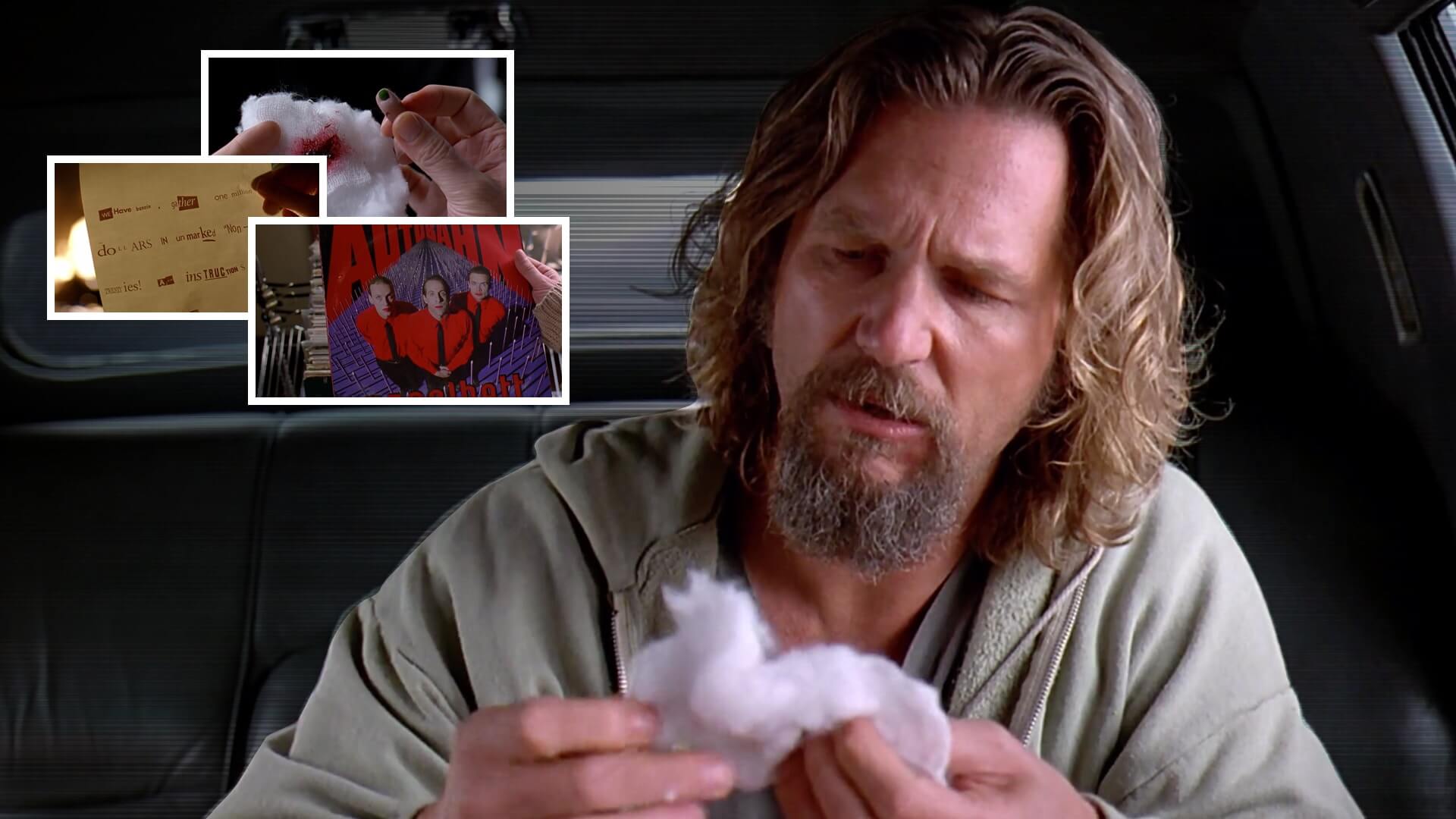
Insert shots are the unsung hero of filmmaking. They’re used in feature films, documentaries, and commercials. They may seem simple, but getting the most out of your insert shots is a science.Want to know the formula? Check out this post below.Lezgo.Continue reading What is an Insert Shot: How to Build Clever Inserts like The Coen Brothers
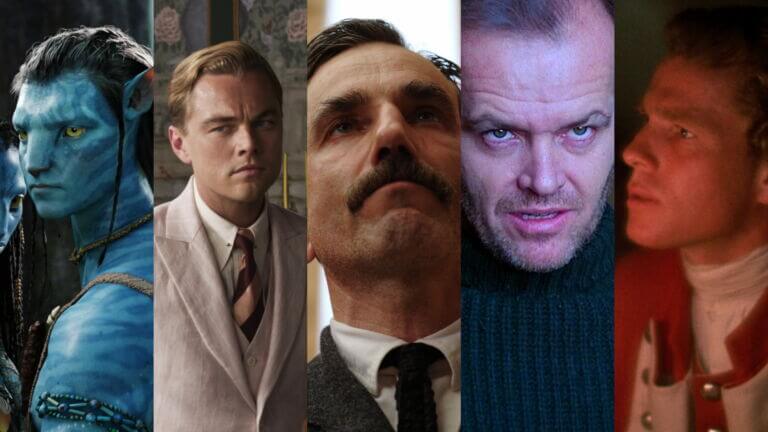
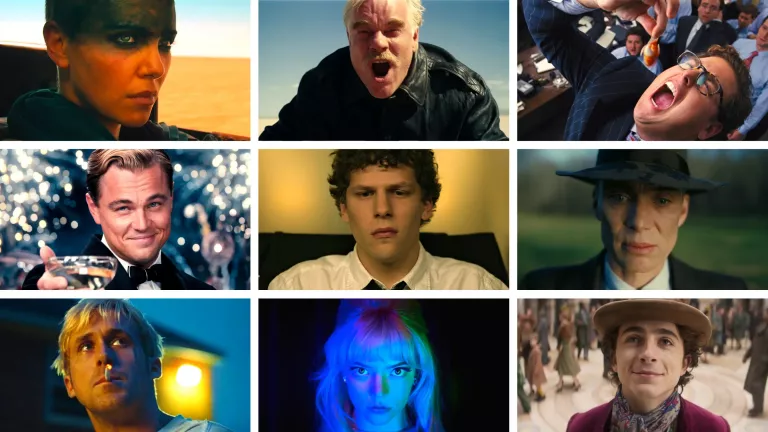
A Close-up shot is one of the most commonly used shot sizes in film and television, but there are ways to make your close-ups extraordinary. It may be when you decide to use them in your story, or how you angle your camera to get an added emotional effect, or by surrounding them with varying shot sizes. In this post, we’ll break it down for you. Continue reading Close-Up Shots: Examples of Camera Movement & Angles