The 1970s changed American cinema forever. Studios gave directors unprecedented creative freedom. Filmmakers pushed stories into darker, riskier, and more personal territory. Many critics still consider this era the peak of American filmmaking, which is why conversations about the best 70s movies continue decades later.
These are not just the best 70s movies by reputation.
This was the age of New Hollywood. Directors like Francis Ford Coppola, Martin Scorsese, Robert Altman, and Steven Spielberg reshaped what mainstream movies could look and feel like. Influenced by European auteur cinema and the American New Wave, these filmmakers treated genre stories as vehicles for artistic expression.
The best movies of the 1970s range from intimate character studies to massive blockbusters. Each one earns its place among the defining 1970s films. Some reinvented horror. Others transformed crime films, political thrillers, and science fiction. Together, these films defined modern cinema.
Best 1970s movies
Essential 1970s directors
Before we head into our official list of the best 1970s movies, let's go over the film directors that helped shape this innovative era. The chart below details 6 essential 1970s directors. Take a look, you may have heard their names before.
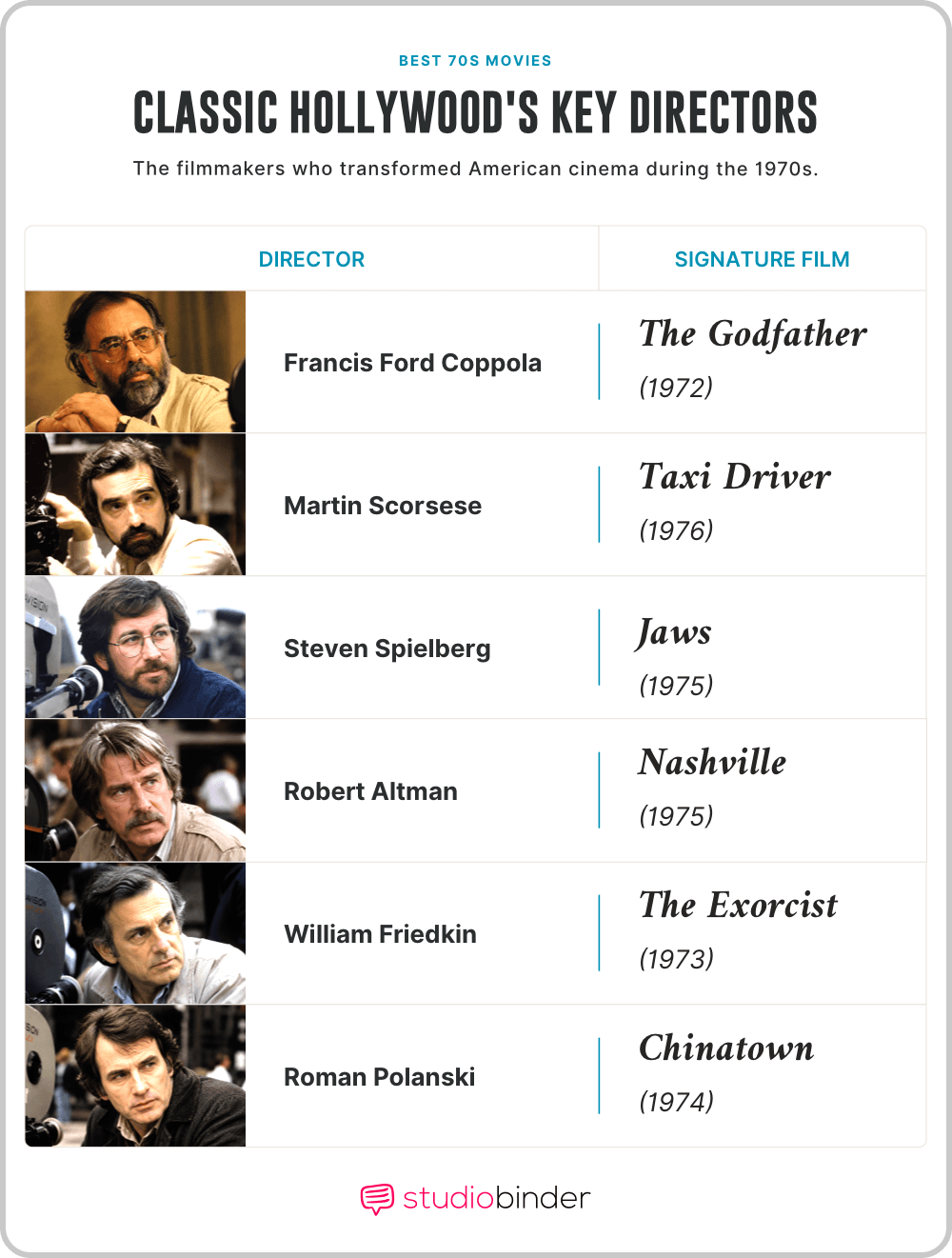
Key Directors Who Transformed American Cinema • Best 70s movies
Now that we have some of the best directors responsible for some of the best 1970s movies locked down, let's jump into our list.
Related Posts
Best 1970s movies
1. The Godfather (1972)
Directed by Francis Ford Coppola. Many people consider The Godfather not only one of the best 1970s movies, but the greatest American film ever made. It transformed the gangster genre into tragic family drama. It also established the anti-hero template that dominated cinema for decades afterward.
Michael Corleone’s transformation remains one of the clearest character arcs in film history. He begins as a reluctant outsider. By the end, he has fully embraced the violence and power of the Corleone empire.
The film also changed how Hollywood viewed directors. Coppola fought the studio system repeatedly during production. The success of The Godfather helped prove that filmmaker-driven projects could become massive commercial hits.
Why The Godfather changed cinema
The influence of this film can still be seen everywhere.
- Moral ambiguity
- Slow-burn tension
- Operatic storytelling
- Family crime drama
- Character-first structure
For filmmakers, the movie is also a lesson in restraint. Violence is used carefully. Dialogue scenes carry enormous tension. Gordon Willis’ shadow-heavy cinematography helped redefine the visual language of American crime films.
Michael closes the door
One of the film’s most famous moments comes at the end. Kay watches Michael become the new Godfather as the door closes between them.

Michael Corleone becomes The Godfather • Best 1970s movies of all time
The scene says almost everything without dialogue. It is intimate, devastating, and mythic all at once. Few endings in cinema history land with such quiet force.
Best 1970s movies
2. Chinatown (1974)
Directed by Roman Polanski and written by Robert Towne. For many screenwriters, Chinatown represents the gold standard of original screenwriting. It is one of the best 70s movies for anyone studying the craft. Robert Towne’s script is frequently cited as one of the greatest ever written. Every scene advances plot, character, and theme simultaneously.
The film follows private investigator Jake Gittes as he uncovers corruption tied to Los Angeles water politics. What begins as noir detective fiction slowly becomes something darker and more tragic.
Jack Nicholson’s performance gives the film swagger and vulnerability at the same time. Yet the real power comes from the screenplay’s structure. Every revelation deepens the sense that the system itself is rotten.
Why writers still study Chinatown
This film remains essential for anyone learning screenwriting craft.
- Escalating stakes
- Layered exposition
- Character-driven mystery
- Controlled pacing
- Devastating ending
Towne understood that information should unfold through action rather than explanation. The audience discovers the truth alongside Jake.
“Forget it, Jake”
The ending of Chinatown remains one of the bleakest conclusions in American cinema.
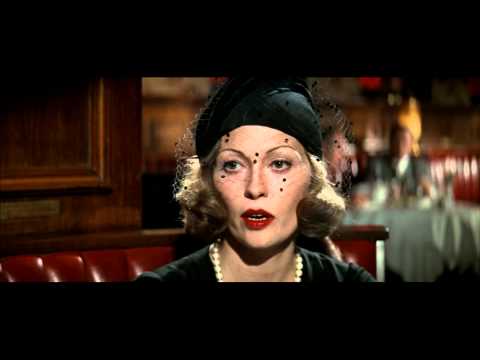
Chinatown Trailer • Best 70s movies
The final line became iconic because it captures the entire worldview of the film. Corruption wins. Power survives. The hero changes nothing.
Best 1970s movies
3. Apocalypse Now (1979)
Directed by Francis Ford Coppola. Few productions in movie history spiraled as dangerously out of control as Apocalypse Now. Typhoons destroyed sets. Martin Sheen suffered a heart attack. Marlon Brando arrived overweight and unprepared. Coppola himself feared the film would collapse completely.
The result became one of the most ambitious American films ever made.
On the surface, Apocalypse Now is a Vietnam War movie. Beneath that, it becomes a descent into madness, imperialism, ego, and moral collapse. The deeper Captain Willard travels into the jungle, the more unstable reality becomes.
The film also represents the height of auteur cinema in the 1970s. Coppola pursued pure artistic vision even as the production threatened to destroy him financially and emotionally.
Why Apocalypse Now still feels overwhelming
The scale of the filmmaking remains astonishing.
- Hallucinatory atmosphere
- Psychological horror
- Operatic war imagery
- Experimental structure
- Massive practical production
The helicopter attack sequence
The “Ride of the Valkyries” scene remains one of the most technically impressive sequences of the decade.
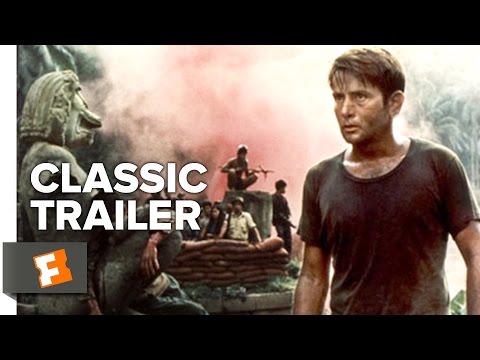
Apocalypse Now • Best 1970s movies of all time
The sequence is thrilling, horrifying, and absurd at the same time. That contradiction defines the entire film.
Best 1970s movies
4. Taxi Driver (1976)
Directed by Martin Scorsese Written by Paul Schrader. Travis Bickle became the defining portrait of urban alienation in American cinema. Lonely, paranoid, and emotionally disconnected, he drifts through a decaying New York City searching for meaning.
Paul Schrader’s screenplay operates as both psychological study and spiritual crisis. Travis does not simply want connection. He wants purification. That warped desire pushes the story toward violence.
Robert De Niro delivers one of the most studied performances in New Hollywood history. His work here influenced countless later films centered on isolated men spiraling toward instability.
You can see Taxi Driver echoed in films like Joker and You Were Never Really Here.
Scorsese's unflinching portrait of urban alienation remains one of the best 70s movies for understanding how character psychology can drive an entire narrative.
Why Taxi Driver remains influential
The film changed how character studies were approached.
“You talkin’ to me?”
The mirror scene became one of the most famous improvised moments in film history.
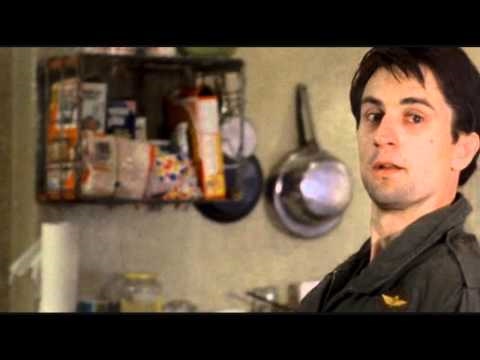
Taxi Driver: You Talking To Me? • Best 1970s movies of all time
The scene works because Travis is rehearsing identity itself. He wants to become someone powerful. Someone feared. The audience watches that transformation happen in real time.
Related Posts
Best 1970s movies
5. One Flew Over the Cuckoo's Nest (1975)
Directed by Milos Forman. One Flew Over the Cuckoo’s Nest remains one of the clearest cinematic portraits of individual freedom battling institutional control. The story follows Randle McMurphy, a rebellious criminal who enters a psychiatric hospital and clashes with the terrifyingly controlled Nurse Ratched.
The film swept all five major Academy Awards.
- Best Picture
- Best Director
- Best Actor
- Best Actress
- Best Screenplay
That achievement remains extraordinarily rare.
Jack Nicholson gives one of the defining performances of the decade. His energy transforms every room he enters. Yet the film works because it never turns the institution into cartoon villainy. The system feels calm, procedural, and deeply suffocating.
Why the film still resonates
The themes remain painfully relevant.
- Institutional power
- Forced conformity
- Masculinity crisis
- Emotional repression
- Personal freedom
McMurphy challenges the ward
One of the film’s most famous scenes comes when McMurphy tries to lift the hydrotherapy console.

George Carlin on Time • Best 70s movies of all time
The moment matters because failure becomes victory. McMurphy cannot move the machine, but he proves resistance itself still matters.
Best 1970s movies
6. Annie Hall (1977)
Directed by Woody Allen. Before Annie Hall, romantic comedies were rarely treated as serious artistic work. This film changed that completely. It combined emotional honesty with formal experimentation in ways mainstream American audiences had rarely seen. The film remains a landmark of auteur cinema from this period.
Fourth-wall breaks. Split screens. Animated sequences. Flashbacks. The film uses every cinematic tool available to dissect how relationships succeed and fail.
At its core, though, Annie Hall succeeds because it understands emotional contradiction. Relationships can be joyful and painful simultaneously. The film never simplifies that truth.
It won Best Picture, Best Director, and Best Original Screenplay. In doing so, it helped legitimize romantic comedy as auteur cinema.
Why filmmakers still study Annie Hall
The film reshaped modern romantic storytelling.
- Nonlinear plot structure
- Meta narration
- Emotional realism
- Conversational dialogue
- Memory-based storytelling
The lobster scene
The kitchen sequence captures the nervous intimacy that defines the entire relationship.

Cooking Lobster: Annie Hall • Best 1970s movies of all time
The scene feels natural because the comedy grows from awkward human behavior rather than punchlines. That grounded quality influenced decades of romantic comedies afterward.
Best 1970s movies
7. All the President's Men (1976)
Directed by Alan J. PakulaWritten by William Goldman. Few political thrillers have matched the precision of All the President’s Men. The film follows journalists Bob Woodward and Carl Bernstein as they investigate the Watergate scandal that eventually led to President Nixon’s resignation.
The genius of William Goldman’s screenplay lies in clarity. Complex political information becomes suspenseful because the audience learns through process rather than exposition dumps.
This approach shaped countless journalism thrillers that followed, including Spotlight and The Post.
Why the screenplay is still studied
Goldman understood how to make information cinematic.
- Procedural storytelling
- Investigative suspense
- Minimal exposition
- Realistic dialogue
- Escalating paranoia
“Follow the money”
The parking garage scenes remain some of the most suspenseful conversations ever filmed.

All The President's Men • Best 70s movies of all time
Pakula creates tension through silence, framing, and uncertainty. The audience feels the danger closing around the reporters even when nobody raises their voice.
Best 1970s movies
8. Network (1976)
Directed by Sidney LumetWritten by Paddy Chayefsky. Network feels less like satire now and more like prophecy.
The story centers on television anchor Howard Beale, whose on-air breakdown turns him into a ratings sensation. What begins as public concern quickly becomes corporate exploitation.
Chayefsky predicted outrage media decades before social media existed. The film understood that modern media systems reward emotional instability when it becomes profitable.
That insight only feels sharper today.
Why Network became more relevant over time
The film anticipated modern media culture with frightening accuracy.
- Manufactured outrage
- Corporate exploitation
- Ratings obsession
- Political spectacle
- Entertainment news
“I’m as mad as hell”
Howard Beale’s speech became one of the defining monologues of the decade.

I'm as mad as hell, and I'm not going to take this anymore! • Best 1970s movies
The scene works because audiences recognize the anger instantly. The film understands that media does not calm public frustration. It monetizes it
Best 1970s movies
9. The Deer Hunter (1978)
Directed by Michael Cimino. The Deer Hunter examines the psychological aftermath of the Vietnam War with brutal emotional intensity. Among the best 70s movies about the human cost of conflict, it stands apart. Rather than focusing primarily on combat, the film explores how violence permanently changes friendship, masculinity, and identity.
The runtime is deliberately demanding. The first hour spends enormous time building relationships before the war begins. That patience makes the later devastation far more painful.
The Russian roulette scenes became iconic partly because they externalize psychological collapse. Terror becomes ritualized.
Why the film remains emotionally exhausting
Its emotional weight is the point.
- Trauma realism
- Slow character build
- Psychological horror
- Masculine vulnerability
- Post-war grief
The wedding sequence
The opening wedding establishes the emotional world the characters will later lose forever.

The deer hunter: wedding scene • Best 70s movies of all time
The sequence feels almost documentary-like in its detail. That realism gives the later tragedy devastating force.
Best 1970s movies
10. Star Wars (1977)
Directed by George Lucas. Star Wars changed Hollywood economics permanently.
Ironically, one of the most important films of New Hollywood also helped end the era. Massive box office success convinced studios to prioritize high-concept blockbusters over riskier auteur projects.
Still, the film's influence cannot be overstated. George Lucas fused mythic storytelling with science fiction adventure in ways mainstream audiences had never seen before. Lucas openly cited Stanley Kubrick's 2001: A Space Odyssey as a benchmark for what cinematic visual effects could achieve.
The visual effects revolutionized blockbuster filmmaking. The merchandising model transformed studio business strategy. Franchise filmmaking changed forever.
Why Star Wars became historically transformative
Its influence extended far beyond storytelling.
- Franchise filmmaking
- Blockbuster economics
- Visual effects innovation
- Mythic structure
- Global merchandising
The trench run
The Death Star finale remains one of the most effective climaxes in blockbuster history.
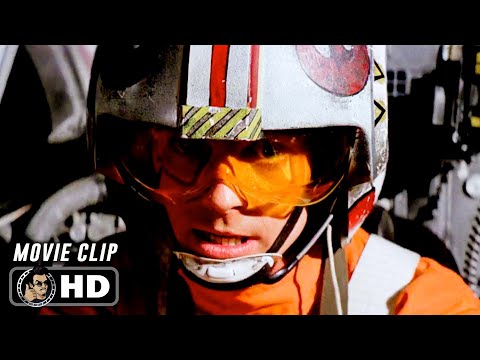
Star Wars: A New Hope • Best 1970s movies of all time
Lucas combines simple mythic stakes with relentless pacing. The sequence became the blueprint for modern blockbuster finales.
Best 1970s movies
11. Jaws (1975)
Directed by Steven Spielberg. Jaws invented the summer blockbuster. It also proved that technical failure can sometimes improve filmmaking. Among 1970s films, it may be the most technically instructive.
The mechanical shark repeatedly malfunctioned during production. Spielberg could not show the creature consistently, so he built suspense through editing, music, sound design, and reaction shots instead.
That limitation became the film’s greatest strength.
John Williams’ score remains one of the most recognizable pieces of film music ever written. Two notes became cinematic terror.
Why Jaws remains a masterclass in tension
The film demonstrates how restraint creates suspense.
Spielberg's inability to rely on the shark forced him to plan every suspense sequence through meticulous shot-by-shot logic. Directors working in any genre can apply that same discipline.
The best 70s movies are often defined by this kind of intentional restraint, where limitation became a creative asset.
- Suggestive horror
- Delayed reveal
- Sound-driven tension
- Reaction-shot suspense
- Tight pacing
The USS Indianapolis speech
Quint’s monologue completely changes the emotional tone of the film.

Jaws: The Indianapolis Speech Scene • Best 1970s movies
The scene suddenly reveals the trauma beneath Quint’s obsession. It transforms him from an entertaining eccentric into a tragic survivor.
Best 1970s movies
12. Rocky (1976)
Directed by John G. Avildsen and written by Sylvester Stallone. Rocky remains one of Hollywood’s most famous underdog stories both onscreen and off.
Sylvester Stallone wrote the screenplay and insisted on starring despite studio resistance. The gamble paid off. The film became a cultural phenomenon and won Best Picture over films like Taxi Driver, Network, and All the President's Men. Few of the best movies of the 1970s have matched its emotional reach with non-cinephile audiences.
That Oscar result still sparks debate today.
Yet the power of Rocky comes from sincerity. Beneath the sports drama is a story about dignity, loneliness, and self-worth.
Why audiences still connect with Rocky
The emotional simplicity gives the film lasting power.
- Working-class realism
- Earnest optimism
- Character-driven sports drama
- Emotional accessibility
- Underdog narrative
Rocky trains for Apollo
The training montage became one of the most influential sequences in sports movie history.
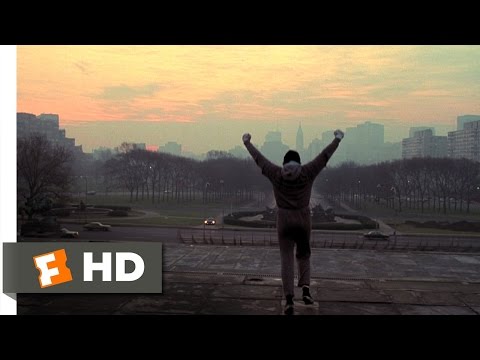
Training Montage: Rocky • Best 1970s movies of all time
The montage works because it visualizes internal change. Rocky is not simply building strength. He is building belief in himself.
Best 1970s movies
13. Alien (1979)
Directed by Ridley Scott. Alien elevated science fiction horror into formal art.
The film creates fear through architecture, atmosphere, and sound design more than explicit violence. Every hallway aboard the Nostromo feels claustrophobic and hostile.
H.R. Giger’s biomechanical creature design remains one of the most unsettling visual creations in movie history. Combined with Ridley Scott’s cold visual precision, the result feels genuinely nightmarish.
The film also introduced Ripley, played by Sigourney Weaver, one of cinema’s first truly iconic female action heroes.
Why Alien still feels modern
Its minimalism keeps the horror timeless.
- Industrial production design
- Slow-burn suspense
- Claustrophobic atmosphere
- Creature horror
- Female action lead
The chestburster scene
The dinner sequence shocked audiences in 1979 and still remains horrifying today.

Alien • Best 1970s movies
The scene succeeds because of pacing and unpredictability. Scott turns an ordinary conversation into sudden body horror without warning.
Best 1970s movies
14. The Exorcist (1973)
Directed by William Friedkin. Among the best 1970s movies that crossed over into mainstream consciousness, The Exorcist stands alone. When The Exorcist premiered, reports emerged of audience members fainting and leaving theaters in panic. The film became a genuine cultural phenomenon.
Yet what makes the movie endure is not shock value alone. Friedkin directs with extraordinary seriousness and control. The supernatural horror feels grounded in emotional realism.
It was also the first horror film nominated for Best Picture at the Academy Awards. That recognition helped legitimize horror as serious filmmaking rather than disposable exploitation.
Why The Exorcist remains terrifying
The film treats horror with complete sincerity.
- Religious anxiety
- Realistic performances
- Clinical direction
- Psychological tension
- Spiritual dread
Father Merrin arrives
The image of Father Merrin standing beneath the streetlight became one of horror cinema’s defining visuals.

The Exorcist: Arrival of Father Merrin • Best 1970s movies of all time
The scene feels iconic because Friedkin understands visual simplicity. One silhouette communicates mythic confrontation instantly.
Best 1970s movies
15. Nashville (1975)
Directed by Robert Altman. Nashville may be the most structurally ambitious film on this list. Robert Altman follows 24 characters across intersecting storylines within the country music scene of Nashville, Tennessee.
Rather than focusing on one protagonist, Altman creates a portrait of America itself. Politics, celebrity culture, performance, loneliness, and commercialism all collide across overlapping conversations and fragmented moments. This is one of the best movies of the 1970s for understanding how political anxiety shaped American storytelling.
The film rewards patience. Gradually, patterns emerge from apparent chaos.
Why writers still study Nashville
Altman reinvented ensemble storytelling.
- Multiple protagonists
- Overlapping dialogue
- Social satire
- Ensemble structure
- Observational realism
The opening campaign sequence
The early political campaign scenes establish the film’s sprawling social landscape immediately.

Nashville title sequence • Best 1970s movies of all time
Altman throws audiences directly into overlapping conversations and competing performances. The apparent disorder becomes the film’s storytelling method.
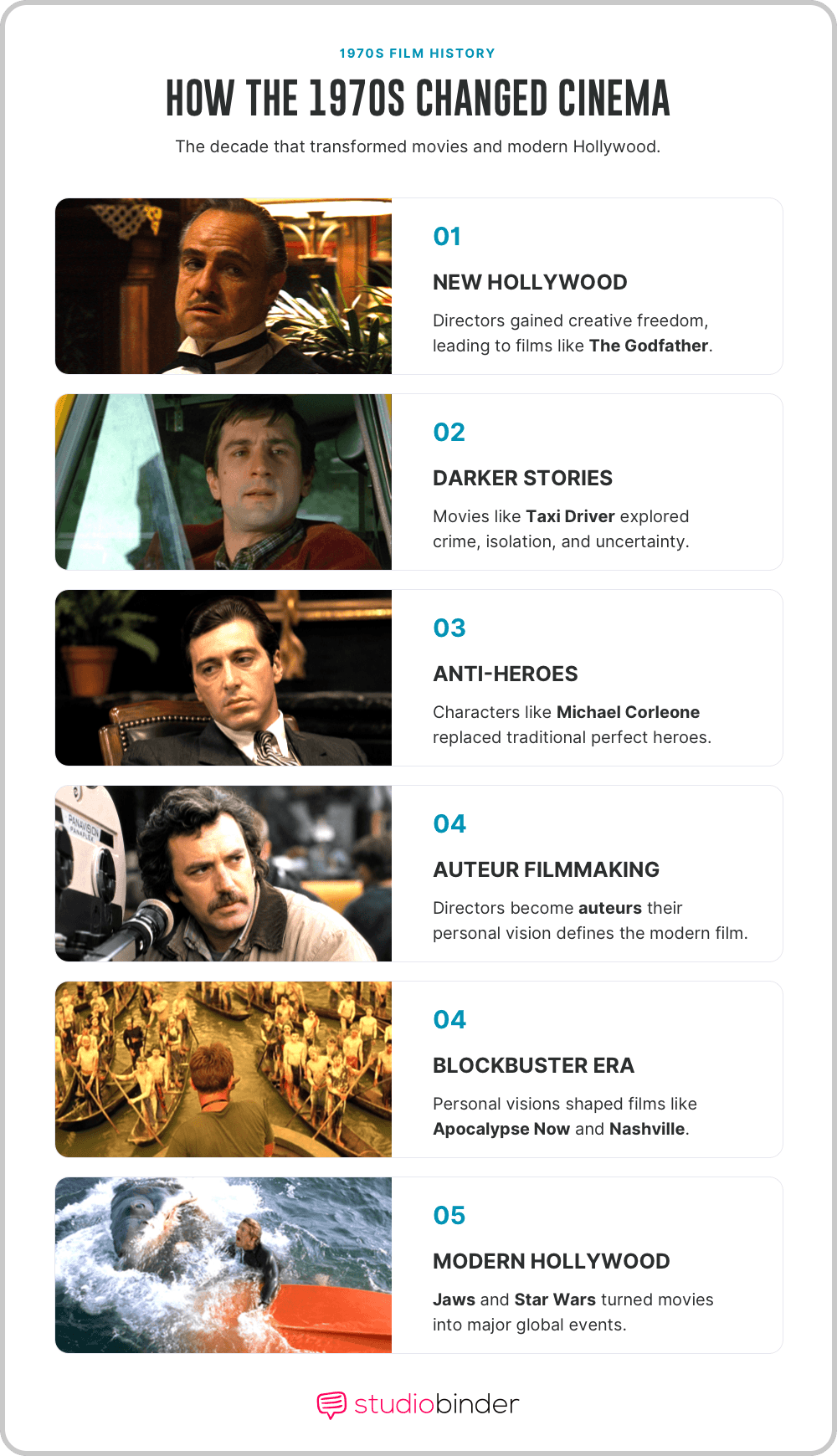
How the Era Changed Modern Hollywood Cinema • Best 70s movies
Related Posts
Frequently Asked Questions
Best 1970s Movies FAQs
Chinatown and Taxi Driver are the two most-studied screenplays from the decade. Robert Towne's Chinatown script is frequently cited in screenwriting curricula as a model for escalating stakes and character-driven mystery. Paul Schrader's Taxi Driver demonstrates how subjective narration and psychological realism can carry a film with minimal conventional plot. Both remain essential reading for anyone learning to write scripts.
Most critics and historians point to the 1970s as the peak of American cinema. The combination of creative freedom, political unrest, and rising filmmaker ambition created unusually daring work.
That said, different eras offer different strengths. The 1990s brought enormous global diversity to mainstream film culture. Many critics also point to the 1960s French New Wave as the most influential period for auteur filmmaking.
For American cinema specifically, though, the 1970s remains difficult to surpass.
New Hollywood refers to the period from the late 1960s through the end of the 1970s when directors gained unprecedented creative control over studio filmmaking.
Filmmakers like Francis Ford Coppola, Martin Scorsese, Steven Spielberg, William Friedkin, and Robert Altman were heavily influenced by European auteur cinema and the French New Wave.
Ironically, Jaws and Star Wars are often viewed as the films that ended the movement. Their blockbuster success shifted studio priorities toward franchise filmmaking and mass-market spectacle.
There is no single definitive answer, but a few films dominate the conversation.
The Godfather is the most commonly cited choice overall. Chinatown is frequently considered the greatest screenplay of the decade. Apocalypse Now is often praised for visual ambition and directing. Star Wars may be the most culturally transformative.
The answer usually depends on what aspect of filmmaking matters most to the viewer.
Several factors aligned at exactly the right moment.
First, studios were recovering from major box office failures in the 1960s. Younger directors suddenly received more creative control.
Second, the MPAA rating system replaced the restrictive Hays Code in 1968. Filmmakers could now explore adult themes more openly.
Third, a generation of film-school-trained directors entered Hollywood simultaneously. Many were deeply influenced by European art cinema and auteur theory.
Finally, political and cultural instability created demand for darker and more challenging stories. American audiences were ready for films that reflected uncertainty and disillusionment.
Most hold up extremely well, though the entry point varies by viewer. The Godfather, Jaws, and Star Wars remain instantly accessible. Chinatown, Network, and Taxi Driver reward viewers who appreciate slower-burn storytelling and moral ambiguity. Nashville and Apocalypse Now are more demanding but pay off significantly on repeat viewing. Any of the 15 best 70s movies on this list is worth watching today.
UP NEXT
Best Drama Movies of All Time
The best 1970s movies helped redefine what dramatic storytelling could achieve. These 1970s films set standards that still hold today. Their influence still shapes modern filmmaking across crime dramas, psychological thrillers, horror, and character studies.
Next, explore how dramatic cinema evolved across multiple decades in our breakdown of the greatest drama films ever made. From intimate character pieces to sweeping epics, these are the performances and stories that continue to define the genre.
For those drawn to the writing craft behind these films, the best screenplays of the decade remain essential study