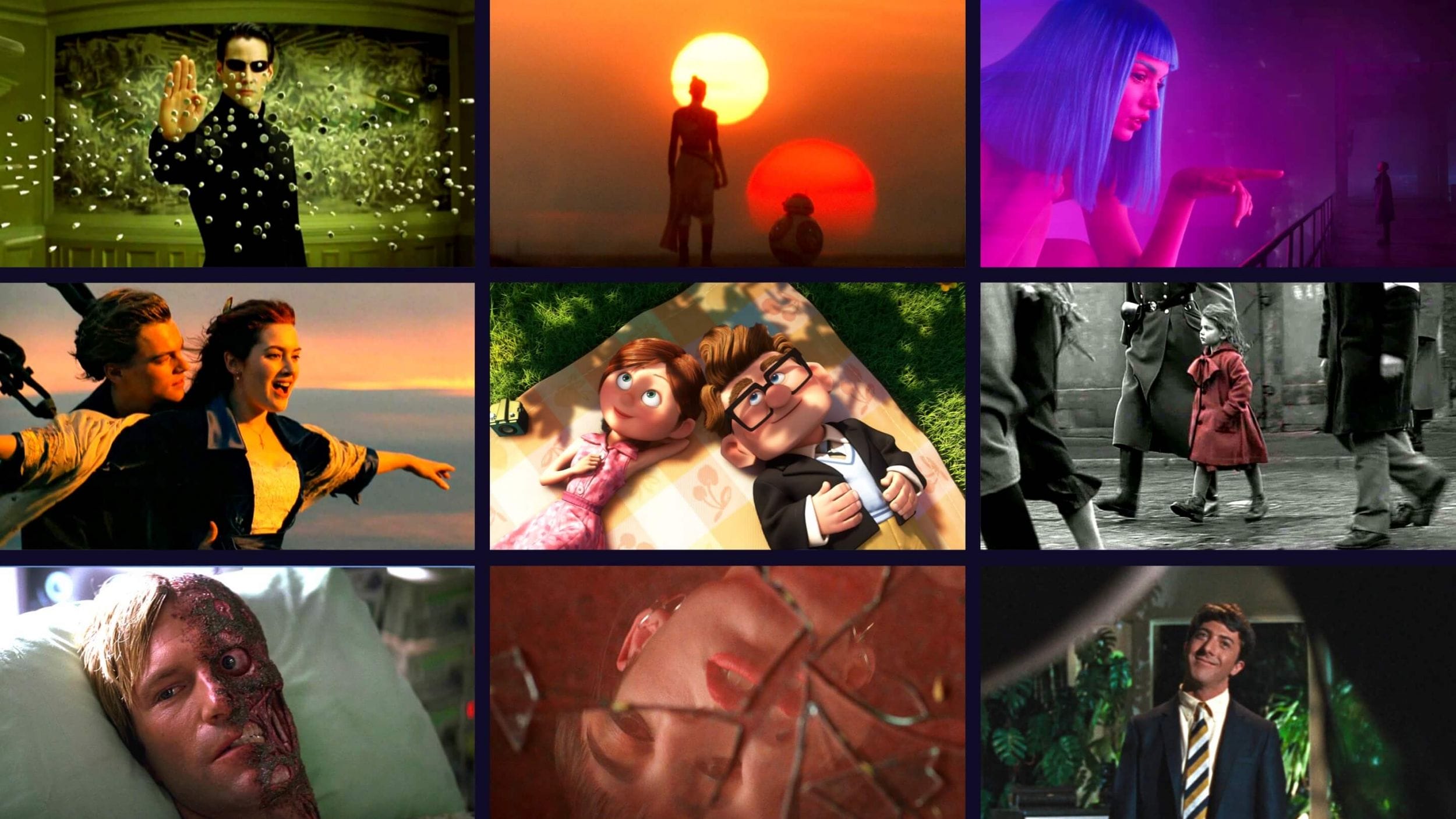
B
efore we wrote stories, we painted them. Humans were interpreting the world visually long before there was written language. With cave walls as canvas, early humans told stories of community, ritual, and survival.
Tens of thousands of years later, that same impulse lives on. The art of visual storytelling has evolved from cave drawings to the moving images of film and television. Now a single frame can communicate a thousand words.
In this article, we’ll answer ‘what is visual storytelling?’ We’ll also explore the power of imagery to evoke emotion, and how you can harness this tool to elevate your films at every stage of production, from the blank page to the post-production suite.

Show Don't Tell • Visual Storytelling in Movies
visual storytelling definition
First, we’ll define visual storytelling
Visual storytelling is the process of conveying a story, idea, or emotion through the language of image. An important tool for multiple industries, from marketing and education to design and filmmaking, the power of visual storytelling lies in its ability to communicate without words.
VISUAL STORYTELLING DEFINITION
What is visual storytelling in film?
Visual storytelling is the process of conveying a story, idea, or emotion through imagery. Instead of relying on dialogue or written exposition, the narrative is communicated through visual elements like composition, color, movement, and symbolism. This approach appears across many mediums, including film, photography, advertising, design, and even data visualization.
Key Elements of Visual Storytelling:
Film theorist Bruce Block had his own answer for ‘what is visual storytelling?’ He describes it as a system built from several core visual components. In The Visual Story, he breaks these into seven primary ingredients.
The elements of visual storytelling will vary depending on the artist and their medium. For filmmakers, we’ll look at visual structure through the components listed in The Visual Story, by Bruce Block. According to Block, visual storytelling is not just the composition, but actually all of the components that make up the visual. Block breaks this down into seven basic ingredients:
- Space: the physical space in front of the camera, this is what we see and how (ie: perspective and size.)
- Line: the path of a moving object which communicates intensity and emotion.
- Shape: forms created by lines or tonal contrast.
- Tone: the brightness of objects in lighting, exposure, and art direction.
- Color: hue, brightness and saturation.
- Movement: occurs between people, objects, the camera, and the viewer's eye.
- Rhythm: the rhythm we can see relies on stationary objects, moving objects, and editing.
Visual Storytelling Techniques
9 visual storytelling techniques
Visual storytelling techniques are the methods used to communicate ideas or narrative visually without relying on words. This includes elements like imagery, composition, and symbolism to convey meaning to viewers.
Russian playwright Anton Chekhov is reputed to have said "Don't tell me the moon is shining; show me the glint of light on broken glass.” In other words, “show, don’t tell.” And what is a visual storyteller if not someone who has mastered this core rule of visual communication?
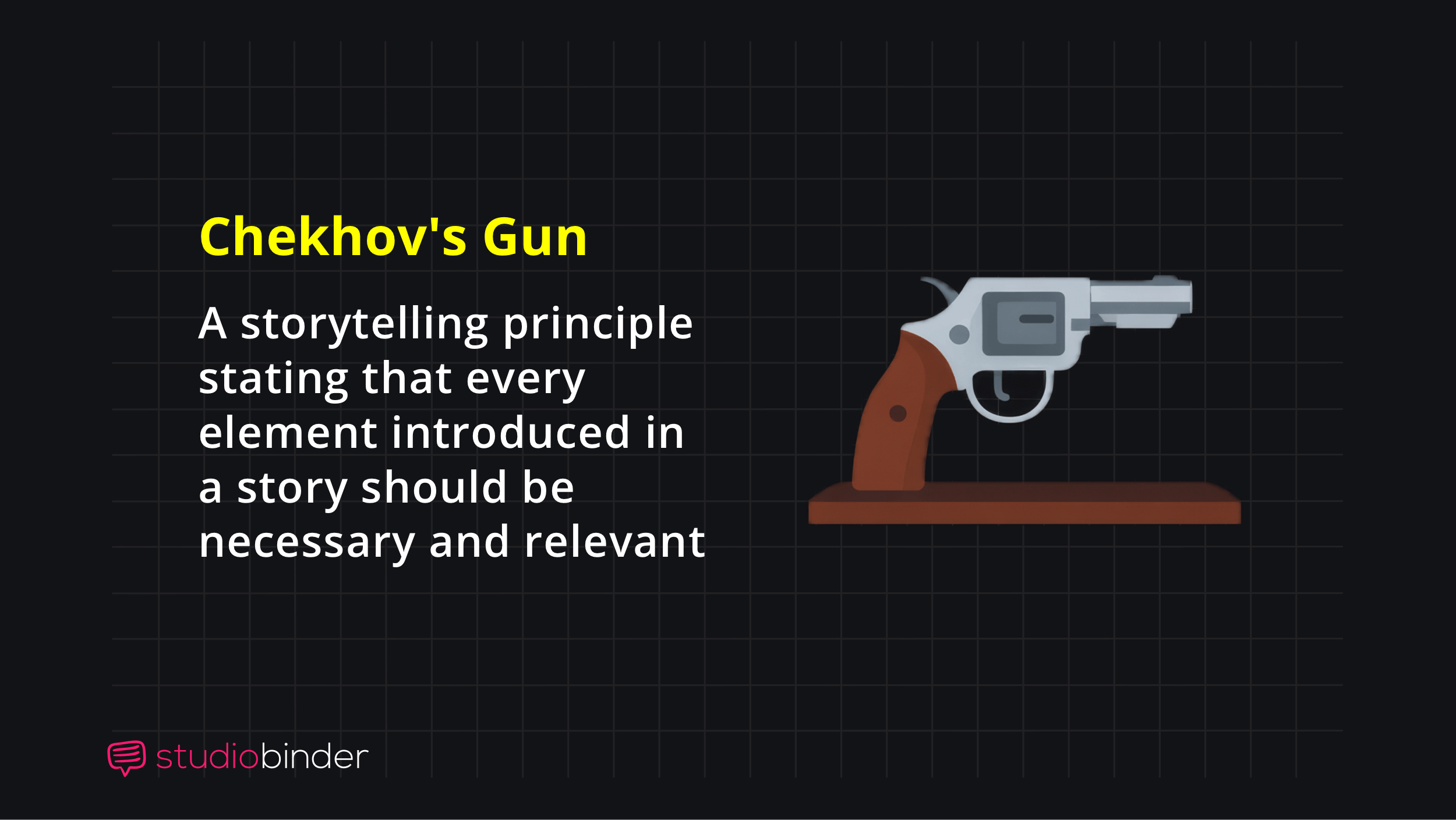
Chekhov's Gun Definition
Now that we have the visual storytelling ingredients down (space, line, shape, tone, color, movement, and rhythm), let’s look at what can be made with them. Now we’ll jump fully into answering ‘what is visual storytelling in film?’ Below are some of the recipes (techniques) filmmakers use to reveal the story visually rather than explain it verbally.
1. Cinematography
Cinematography is the art and craft of making motion pictures by capturing a story visually. Since this visual technique covers everything you see on screen, cinematography makes use of all seven elements. From the scale and distance that you see someone or something (lens choice) to the speed at which they approach you (camera movement), each cinematic storytelling choice relays something about the emotional life of your story.
Why it works:
Cinematography shapes how the audience sees and feels a story. Choices like shot size, lens, framing, and camera movement guide attention, reveal character perspective, and create emotional tone. When used intentionally, cinematography can communicate meaning and mood even before a character says a word.
Visual Storytelling Example:
In High and Low (1963) Akira Kurosawa and cinematographer Asakazu Nakai use blocking, composition, and camera movement to express moral and emotional tension. When the kidnapper makes a phone call from a sweltering hot shantytown at the bottom of the mountain, the air conditioned mansion they are calling looms large from up high, signifying a power difference.

Kurosawa’s lesser-seen visual masterpiece • Subscribe on YouTube
2. Mise-en-scène
Mise-en-scène is the arrangement of scenery and stage properties in a play. Translated from French, it means setting the stage. In film, this includes: sets, props, lighting, costume, blocking, and shot composition.
Why it works:
Mise-en-scène is essentially a visual narrative definition. It visually reinforces the story’s tone, themes, and character relationships. By carefully arranging elements within the frame, filmmakers can communicate meaning and subtext without relying on dialogue.
Visual Storytelling Example
Director Pedro Almodóvar uses production design, color theory, and costume as emotional vocabulary. In Volver (2006), the color red dominates wardrobe, lipstick, and even kitchen tiles. More than just a visual feast, the specificity behind the director’s choices root back to the emotions of his story. There’s a reason Almodóvar’s films are at the top of every production design list.
Volver, starring Penelope Cruz
3. Editing
Editing is the art and craft of cutting and assembling finished film. Rhythm and pacing can be used to convey both a character’s internal life as well as the arc of the narrative itself.
Why it works:
Editing shapes how a story unfolds by controlling pacing, rhythm, and the flow of information. By choosing what the audience sees and when they see it, editing can build tension, clarify meaning, and create emotional impact.
Visual Storytelling Example
Director Barry Jenkins and editor Joi McMillon create tenderness and empathy through the pacing of the edit in Moonlight (2016). Jenkins wanted the audience to not only meet the main character Chiron, but for us to feel what he is feeling by putting us in his body.

Empathy, identity, and masculinity in Moonlight
4. Symbolism
Symbolism is the art of imbuing objects or things with meaning, making them represent something more than the sum of their parts. The technique of including symbolism can begin as early as story development.
Why it works:
By associating visual elements with ideas or themes, symbolism adds layers of interpretation that audiences can recognize and connect with.
Visual Storytelling Example
Let’s take a look at Alfred Hitchcock’s spiral motif. From the opening title design to Madeleine’s hair bun, to the staircase of the bell tower. What is visual storytelling in the context of Hitchcock's use of the spiral? It's a metaphor for madness.
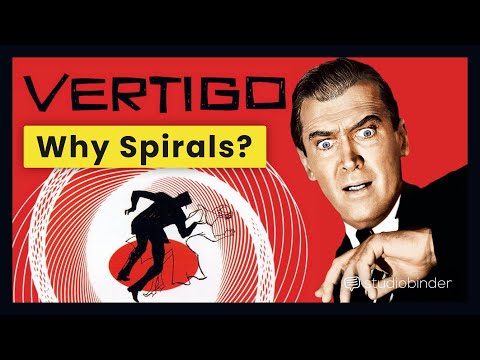
Symbolism in Hitchcock’s Vertigo • Subscribe on YouTube
5. Blocking
Blocking is the planned movement and positioning of actors within a scene. It determines where characters stand, move, and interact within the frame to visually communicate relationships, power dynamics, and story information.
Why it works:
Blocking turns character movement into visual storytelling. The distance between characters, their placement in the frame, and how they move through space can reveal conflict, status, or emotional shifts without needing dialogue.
Visual Storytelling Example
Observe the blocking in this scene from Guardians of the Galaxy. Notice how it combines the main characters’ conversation in the forefront with Groot’s actions in the background to create a hilarious visual moment.
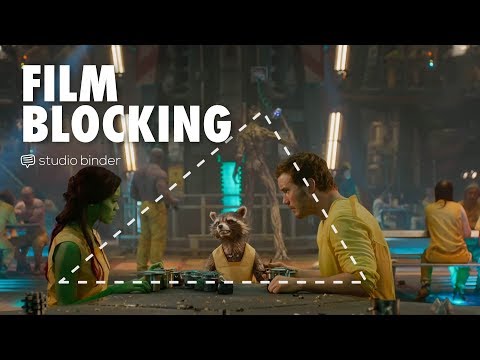
Blocking in Guardians of the Galaxy
6. Color symbolism
Color symbolism is the use of color to represent ideas, emotions, or themes within a visual story. Filmmakers and visual storytellers use specific color palettes to influence mood, highlight a particular character arc, and reinforce narrative meaning.
Why it works:
Color has strong psychological and cultural associations that audiences recognize almost instantly. By using color intentionally, storytellers can guide emotional responses and communicate meaning without needing explicit explanation.
Visual Storytelling Example
Wes Anderson’s films are known for being vivid and vibrant. Even when this coloring is at odds with the subject matter on screen, there’s always intention behind his choices.

Wes Anderson & color symbolism • Subscribe on YouTube
7. Framing for power
Framing for power is the use of composition and camera placement to visually establish dominance, vulnerability, or status between characters. By positioning subjects within the frame, filmmakers can subtly communicate who holds control in a scene.
Why it works:
Audiences instinctively read visual cues about hierarchy and perspective. Low angles, dominant positioning, and visual isolation can make a character appear powerful or threatening, while opposite choices can suggest weakness or submission.
Visual Storytelling Example
Whether it’s a POV shot or an establishing shot, the framing of a character will often tell you how much power they hold in a scene. Take a look at the below video of camera shot framing for examples on creative uses of power in a shot.
![Camera Framing: Shot Composition & Cinematography Techniques Explained [The Shot List, Ep 2]](https://i.ytimg.com/vi/qQNiqzuXjoM/hqdefault.jpg)
Framing power & more • Subscribe on YouTube
8. Visual motifs
A visual motif is a recurring image, object, color, or composition that appears repeatedly throughout a story. These repeated visuals help reinforce themes, emotions, or character ideas across different moments in the narrative.
Why it works:
Repetition helps audiences recognize patterns and connect visual elements to deeper meaning. As motifs reappear, they strengthen themes and create a sense of cohesion across the story.
Visual Storytelling Example
In the film It, the constant appearance of red balloons throughout the movie represents the constant, watching presence of Pennywise, reinforcing themes of childhood fear and trauma.
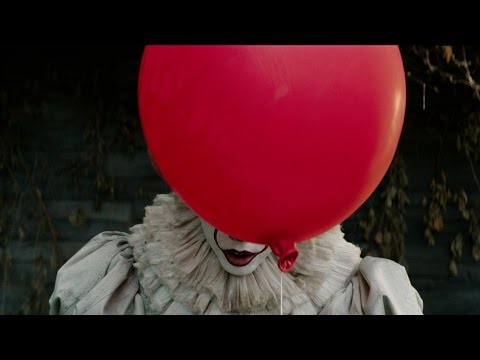
Red balloons in It
9. Juxtaposition
Juxtaposition is the placement of two contrasting images, characters, or ideas next to each other to highlight their differences. In visual storytelling, this contrast helps emphasize themes, conflict, or character traits.
Why it works:
By directly comparing opposing visuals, juxtaposition makes meaning clearer and more impactful. The contrast draws attention to important ideas and helps audiences quickly understand the relationship between them.
Visual Storytelling Example
500 Days of Summer has a great example of juxtaposition. Watch the scene below and notice how it visually showcases the main character’s expectation of reality next to the actual reality itself.

500 Days of Summer Juxtaposition
What is a visual storyteller
Famous visual storytelling examples in film
Cinema is a visual medium, which means it has the power to tell a story without any dialogue at all. Composition, lighting, blocking and editing all come together to visually communicate truth and beauty through narrative. Here are several storytelling visual examples in film that demonstrate how powerful imagery can communicate narrative structure and emotion.
Wall-E: Character Through Movement and Composition
The opening sequence of Wall-E (2008) introduces the lonely robot almost entirely through visual story telling. Without dialogue, the film communicates his personality through small gestures and careful framing. Wide shots emphasize the emptiness of Earth, while Wall-E’s curiosity and tenderness are revealed through movement and object interaction. Within minutes, the audience understands the character emotionally. All this is done without a single line of exposition.

WALL-E Opening Scene
Parasite — Visual Storytelling Through Architecture
Bong Joon-ho uses vertical space to visually represent class hierarchy. The wealthy Park family lives high above the city in a modern hilltop home, while the Kim family resides in a cramped semi-basement apartment. Repeated staircases and elevation shifts visually reinforce the power imbalance between the families.
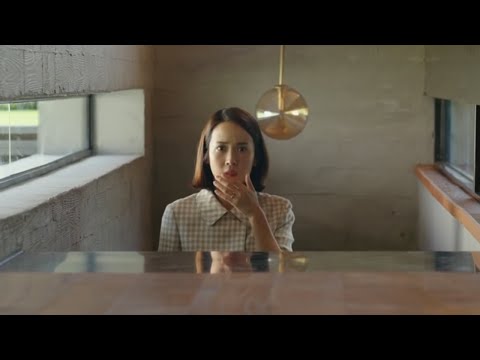
Parasite Visual Storytelling
The Godfather — Lighting as Moral Storytelling
Gordon Willis’s low-key lighting visually reflects Michael Corleone’s transformation. As Michael becomes more entrenched in the family business, shadows increasingly obscure his face, symbolizing his moral descent into darkness.

The Godfather Explained
Mad Max: Fury Road — Color and Motion as Narrative
George Miller uses color contrast and directional motion to guide the audience through intense action sequences. Warm desert tones clash with the stark blue night scenes, while nearly every action movement flows left to right across the frame, keeping the story visually readable even during chaotic action.

Mad Max: Fury Road
Visual storytelling meaning
The science behind visual storytelling
When we say “show, don’t tell,” we’re not just talking about style, it’s neuroscience. 90% of information transmitted to the brain is visual. Studies show that people remember 80% of what they see, and only 20% of what they do, which explains why I can still describe the outfit Dawn Weiner (Welcome To The Dollhouse) wore to the party three decades later but not what I had for lunch yesterday.
The brain can identify images seen for as little as 13 milliseconds, which is less than the blink of an eye. Not only does visual storytelling deepen your narrative, but with 65 percent of people identifying as visual learners, it also helps your audience retain information.
How the brain processes visual information
One explanation for why visuals are so effective comes from dual coding theory, proposed by psychologist Allan Paivio. The theory suggests that the brain processes information through two channels: a verbal system for language and a visual system for imagery. When both systems are activated together, the brain forms stronger memory connections. This makes the information easier to recall later.
This is why combining dialogue or narration with strong imagery can improve comprehension and retention. In storytelling, visuals reinforce the narrative message by giving the audience two cognitive pathways to understand the same idea.
Emotion and mirror neurons
Visual storytelling also activates the brain’s emotional processing systems, particularly through the action of mirror neurons. These neurons fire both when we perform an action and when we observe someone else performing that same action.
In film and visual media, this neurological response allows audiences to emotionally simulate what characters are experiencing. When viewers see a character cry, run, or celebrate, their brains partially mirror those emotions and actions. This neurological empathy is one reason why powerful images can create stronger emotional engagement than exposition alone.
Why “show, don’t tell” actually works
The principle of “show, don’t tell” works because of pattern recognition. Instead of processing long explanations, the brain quickly interprets visual cues like facial expressions, spatial relationships, and environmental details. These patterns allow viewers to infer meaning almost instantly without needing explicit dialogue.
When a filmmaker shows a character gripping a broken photograph instead of explaining their heartbreak, the audience intuitively fills in the emotional context. By allowing viewers to interpret visual patterns themselves, stories become more immersive and engaging.
What is visual storytelling
Visual storytelling vs tradition storytelling
Why is visual storytelling important when compared to traditional storytelling? Traditional storytelling (or oral storytelling) often relies on telling, like using dialogue or exposition to explain what is happening or how a character feels. Visual communication storytelling shows those ideas through images, actions, and visual details that allow the audience to interpret meaning themselves. This is truly vision storytelling.
For example, a traditional approach might have a character say, “I’m lonely,” while a visual approach might show that same character sitting alone and staring at a phone that never rings. Instead of spelling out the emotion, the image lets the audience experience and infer it. This shift from explanation to observation is what makes visual storytelling more immersive and often more emotionally powerful.
Visual Storytelling | Traditional Storytelling |
|---|---|
Shows meaning through imagery | Explains meaning through dialogue |
Uses composition and design | Uses narration or exposition |
Audience interprets visuals | Audience receives information directly |
Types of Storytelling
Types of visual storytelling
Visual storytelling appears in many different forms across the creative spectrum. While filmmakers rely on tools like cinematography and editing, other industries use visuals in their own unique ways to convey narrative and emotion. Below are a handful of examples on how visual storytelling gets manifested through various industry approaches.
Film & Television
Film and television are perhaps the most recognizable forms of visual storytelling. Through cinematography, editing, and performance, filmmakers can communicate almost everything about a narrative without any dialogue. A single shot composition or visual motif can reveal all sorts of emotional states and thematic ideas. By carefully crafting what the audience sees, filmmakers guide interpretation and deepen the story’s impact.
Photography
Photography captures its visuals through composition, lighting, and subject. One photograph can communicate emotion or narrative within a single frame. This allows viewers to infer what happened before or after the image was taken. Photojournalism, portrait photography, and documentary photography all rely on visual cues to communicate meaning. Even without words, a single photograph can tell a complete story.
Graphic Design
Graphic design uses visual elements like typography, color, layout, and imagery to communicate ideas and narratives. Designers guide how audiences interpret information by arranging visual hierarchy in intentional ways. Posters, book covers, and editorial layouts often tell a story about a subject before a viewer reads a single word. Through digital design choices, creators can evoke mood and meaning instantly.
Branding & Marketing
Brands rely heavily on visual storytelling to communicate identity and connect with audiences. Logos, color palettes, imagery, and advertising campaigns all work together to create a recognizable narrative about a brand’s values and personality. Rather than explaining a message directly, companies often use visual themes and imagery to evoke emotion and association. Effective branding storytelling can be recognized by audiences at a glance.
Infographics & Data Visualization
Infographics and data visualization transform complex information into visual narratives that are easier to understand. Visual displays like charts and diagrams help audiences quickly grasp patterns and insights. Instead of reading dense statistics or reports, viewers can interpret data visualization storytelling much clearer. This form of visualization is especially powerful in journalism, research, and education.
Interactive Media
Interactive media allows audiences to actively participate in the storytelling experience. Video games, interactive websites, and digital experiences use visual design and user interaction to guide the narrative. Rather than passively observing a story, users influence how events unfold. Online streamers responding to their audience comments is an example of this.
Visual storytelling steps
How to create visual storytelling in 7 steps
What is visual storytelling if not the result of creative collaboration? The strongest visual narratives come out of deliberate creative decisions made by many individuals across every stage of production. The below 7 steps are a guide to help you make the most effective decisions around your own visual storytelling.
1. Define the emotional core
Every strong visual story begins with a clear emotional objective. So, you should start with identifying the central feeling you want the audience to experience. This could be a sense of isolation, power, redemption, or tension. These emotional themes will guide your visual choices throughout the story.
For example, Moonlight repeatedly frames Chiron alone within wide spaces to visually reinforce the theme of isolation. Similarly, Parasite uses spatial hierarchy in housing construction to visually communicate themes of class and power.

Parasite Analysis
2. Identify your audience
Visual communication changes depending on how your audience encounters the story. A feature film audience may expect subtle visual symbolism, while advertising often relies on bold imagery that communicates instantly. Social media storytelling, on the other hand, prioritizes quick visual clarity since viewers scroll rapidly.
Understanding your audience helps determine how complex or direct your visual storytelling should be. The same visual message may need different approaches depending on the platform and viewer expectations.
3. Choose your medium
Different mediums shape how visual storytelling functions. Film and television rely on moving images, editing, and performance to build narrative over time. Photography communicates a story within a single frame, using composition and lighting to imply context. Infographics and data visualization tell stories through charts and diagrams. Interactive media, such as video games, allows audiences to explore and influence the narrative themselves. Choosing the right medium will ultimately determine how your visual ideas will be communicated to your audience.
4. Build visual language
Once the emotional direction is clear, develop a consistent visual language that supports the story. Elements like color palette, composition, symbolism, and lighting style work together to create recognizable meaning.
Wes Anderson’s films, for example, frequently use symmetrical framing to create a storybook-like visual world. Pedro Almodóvar often uses bold reds and saturated color palettes to intensify the overall emotional tone. When these visual choices remain consistent, they form a visual language the audience learns to read and expect.

Wes Anderson Symmetry
5. Reinforce with motifs
Visual motifs reinforce themes by repeating specific images, shapes, or symbols throughout a story. This repetition helps audiences subconsciously connect ideas across scenes.
Alfred Hitchcock famously used spiral imagery in Vertigo, appearing in the opening title sequence and the staircase of the bell tower. The repeated shape mirrors the film’s themes of obsession and psychological descent. Effective motifs like these can give visual storytelling deeper thematic cohesion.
6. Plan the story visually
Strong visual storytelling uses the best tools to prepare before the camera rolls. Tools like StudioBinder’s storyboarding and shot list features help filmmakers map out all their visual beats ahead of production.
This planning ensures that visual ideas support the emotional and narrative goals of the story. Many directors storyboard complex sequences to visualize pacing and movement before filming. By planning visually, creators can maintain consistency and clarity throughout the production process.
7. Test visually without dialogue
A useful way to evaluate visual storytelling is to remove the dialogue and see if the scene still communicates meaning. When visuals are doing their job, audiences should still understand the emotional arc purely through the visual experience.
The coin toss scene in No Country for Old Men builds tension largely through the actors’ expressions and the pacing of the editing, more so than dialogue. Strong visual storytelling allows the images themselves to carry the narrative weight.

No Country for Old Men
Avoid these with Visual storytelling
Common mistakes in visual storytelling
Visual storytelling works best when every visual decision supports the emotional core of the story. It’s not uncommon for filmmakers and creators to fall into identifiable traps that weaken the impact of their visuals. Consider all the common creative mistakes below to help create the best intention behind your creative vision.
Over-explaining the story
Visual storytelling loses its power when characters constantly explain what the audience can already see. There’s always a balance that needs to be struck between dialogue and showing. It’s best to go through a script and think, “how much dialogue can I remove without disrupting the core story.” Allow filmmaking tools like composition, performance, and imagery to communicate the meaning.
Visual clutter
Too many visual elements competing for attention can dilute the message. Maybe that dangerous path the character is about to take can be communicated through the character’s worried expression, rather than a bunch of dangerous looking things placed throughout the path. Strong visual storytelling often relies on simplicity and clear focal points. You know the experience of worry, so all you need is to see a worried face to be placed into that sensory feeling.
Inconsistent visual language
If color palettes, framing styles, or lighting choices shift randomly, the visual narrative can quickly become confusing. And what is visual narrative without a sense of simplicity? With each shift, identify what the new visual cue is supposed to say about your story, and how you would interpret such shifts as an audience member watching for the first time. Consistency helps reinforce tone and theme. Less is often more.
Symbolism without purpose
Symbols should reinforce the emotional or thematic core of a story. Oftentimes, if you want to include the visual choice for the sake of showing how smart or clever it is, rather than for the sake of empowering the overall story, you may want to reconsider. When used too showily, symbols can feel distracting or pretentious, so keep focused on purpose.
Unmotivated camera movement
You know that feeling when the director tilts the camera for what seems like no other purpose than to look cool and different? Camera movement should be intentional, whether it’s to support character emotion or basic narrative tension. Moving the camera without narrative purpose can weaken the overall visual impact and remove the audience from the story.
Avoiding visual storytelling mistakes
While you may have thought visual storytelling was in the hands of the cinematographer (yes, AND) it’s actually a tool shared by many on a creative set. When it comes to filmmaking, the best way to harness the power of visual storytelling is to implement it in every phase of the film’s creation.
From writers and directors to production designers and editors, constantly considering visual storytelling will help create a more layered film experience. Choices made from script to screen that are both intentional and interconnected, will give the audience a more visceral experience.
Frequently Asked Questions
Visual Storytelling FAQs
Visual storytelling is the practice of conveying a narrative using images, composition, color, movement, and design rather than relying primarily on dialogue or text. It allows audiences to understand emotions, relationships, and themes through what they see.
Visual storytelling improves engagement and retention because the brain processes images faster than text. Strong visuals can communicate mood, character, and conflict instantly, making stories more immersive and memorable.
Core elements include composition, color, lighting, character positioning, symbolism, pacing, and framing. Together, these create emotional meaning and guide audience interpretation without exposition.
Traditional storytelling often relies on dialogue and narration, while visual storytelling emphasizes imagery and design. In film and design, visual storytelling “shows” rather than “tells.”
Filmmakers use shot composition, blocking, lighting, costume design, and editing to reveal character emotions and themes visually. For example, framing a character in isolation can communicate loneliness without a single line of dialogue.
Yes. Brands use it in advertising, designers use it in layouts, and marketers use it in infographics and interactive content. Any medium that uses visuals can tell a story.
A visual storyteller is a person who expresses ideas through imagery. The medium the visuals are being shown through can be anything, but the person must be telling some kind of story with their visuals.
The elements of visual storytelling include composition, color, lighting, framing, movement, and production design. Together, these choices communicate mood, theme, and character information without relying on dialogue.
Visual storytelling allows filmmakers to convey emotion and meaning instantly through imagery rather than exposition. It deepens audience engagement by showing the story instead of telling it.
A film’s visual style reinforces its tone, themes, and character arcs through deliberate aesthetic choices. When cinematography, color, and design align with the narrative, the story feels more immersive and cohesive.
Up Next
Take visual storytelling to the next level
Now that you understand the history and a few techniques of visual storytelling, you might be ready to level up. According to, well, us, “artists who have mastered the art of juxtaposition understand how to communicate their ideas on a more sophisticated level.” So if you’re ready to get fancy (and by fancy we mean deeper into your craft), don’t miss this video.
Up Next: Juxtaposition in Film →

Share your vision with elegant shot lists and storyboards.
Create robust and customizable shot lists. Upload images to make storyboards and slideshows.