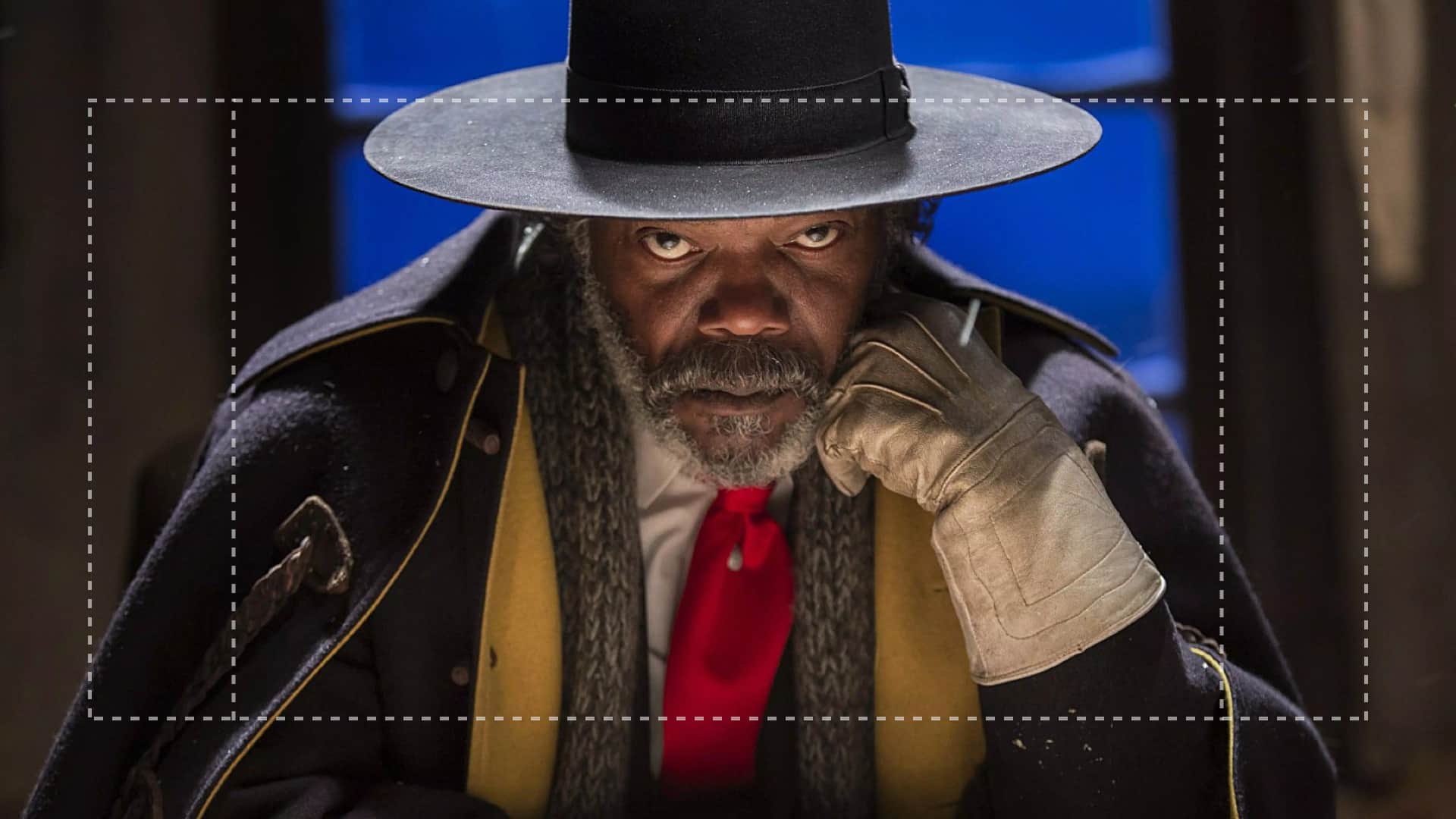
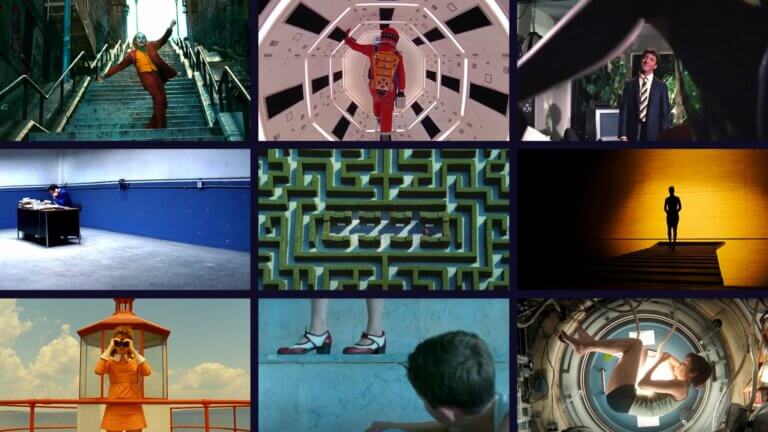
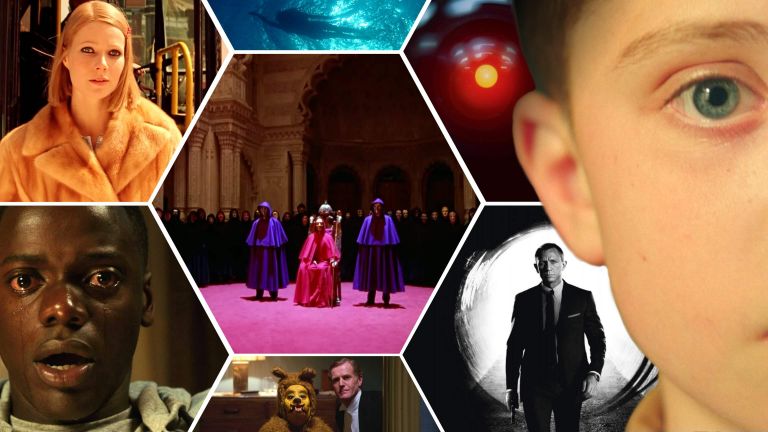
If you’re an aspiring filmmaker, you’ve probably heard the term aspect ratio quite often. Before you shoot even a single frame of your film, you have to decide what aspect ratio would be best. This decision will affect the staging and framing of every single shot going forward. Why? What is aspect ratio, and why does it matter so much? Let’s find out.Continue reading What is Aspect Ratio? A Formula for Framing Success
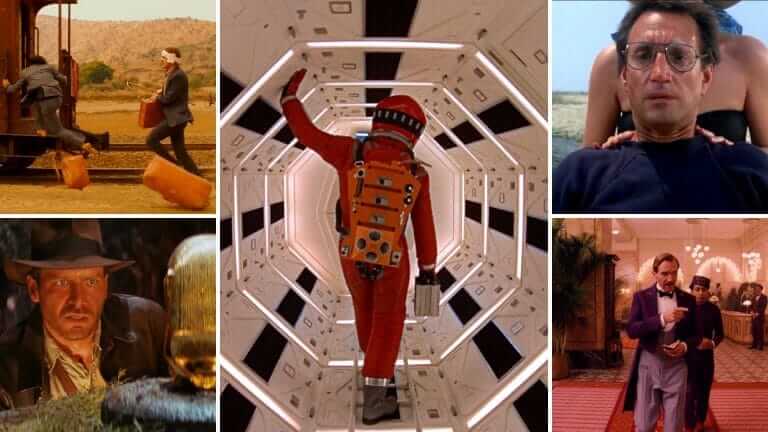
There are many ways to film the same scene. The director's decisions depend on what experience they want the audience to have. Knowing what shot composition is and how to use it is vital to visual storytelling. Shot composition is more than arranging scene elements in a camera frame. It is an art that combines those elements to advance the story, reveal character and create emotion. Knowing the rules of shot composition and using them well can keep your audience engaged from beginning to end. Let's get started.Continue reading Rules of Shot Composition in Film: A Definitive Guide
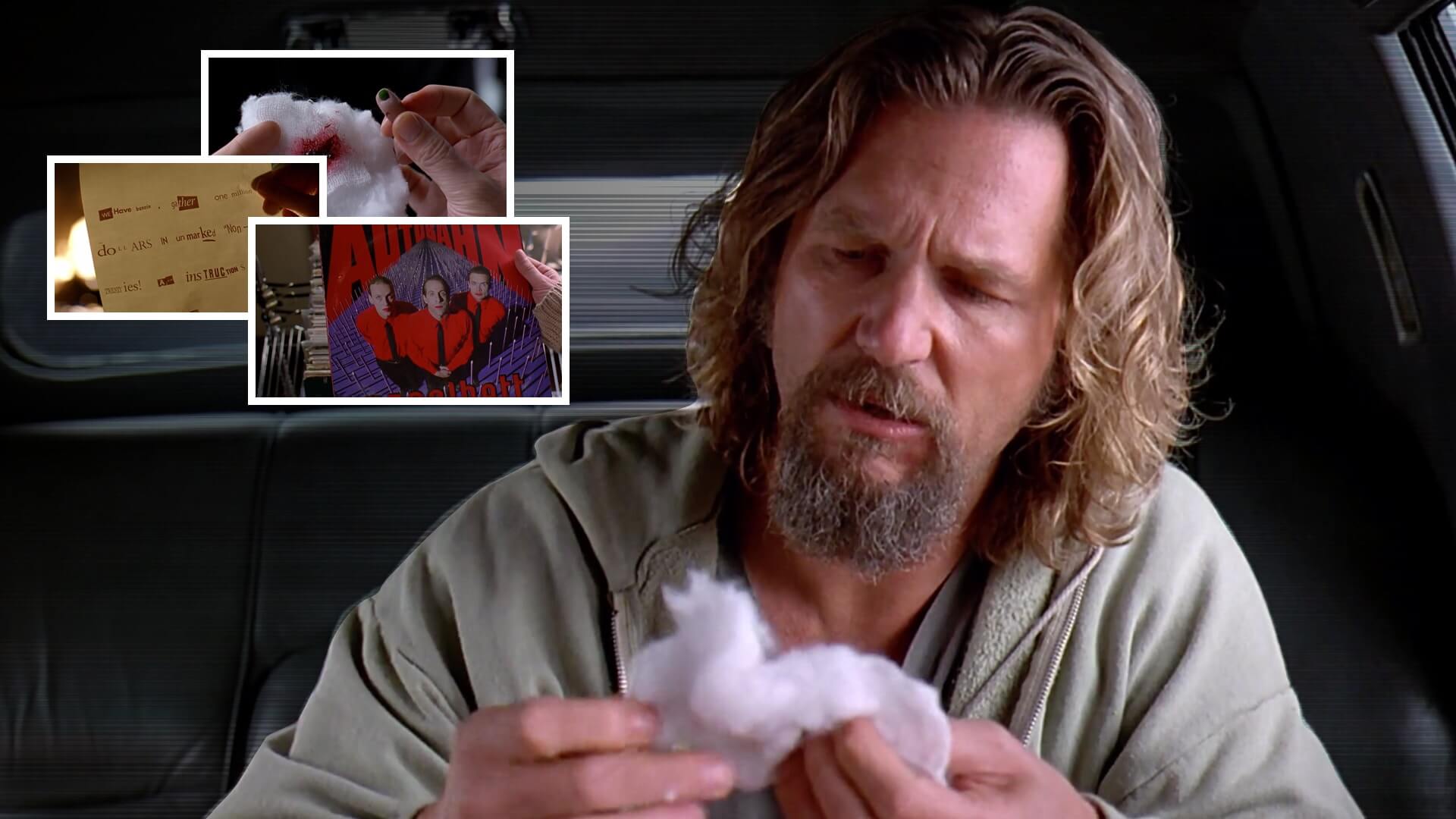
Insert shots are the unsung hero of filmmaking. They’re used in feature films, documentaries, and commercials. They may seem simple, but getting the most out of your insert shots is a science.Want to know the formula? Check out this post below.Lezgo.Continue reading What is an Insert Shot: How to Build Clever Inserts like The Coen Brothers
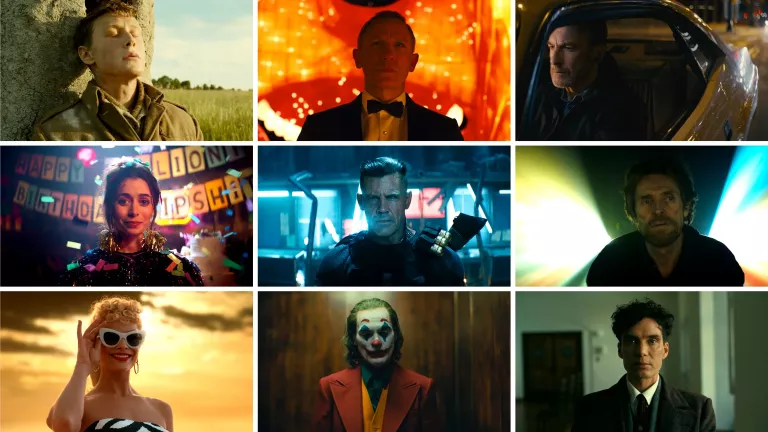
Medium close-up shots are a go-to for many directors, but understanding how to use them in the most effective way possible takes some finesse. We’re going to discuss the medium close-up shot and why it's the preferred option when a close-up or a medium shot just won’t do. Before we get too far, let's start with our ultimate guide to shot size for a refresher on the various options. Let's jump in.Continue reading The Medium Close-Up Shot: Definition and Examples in Film
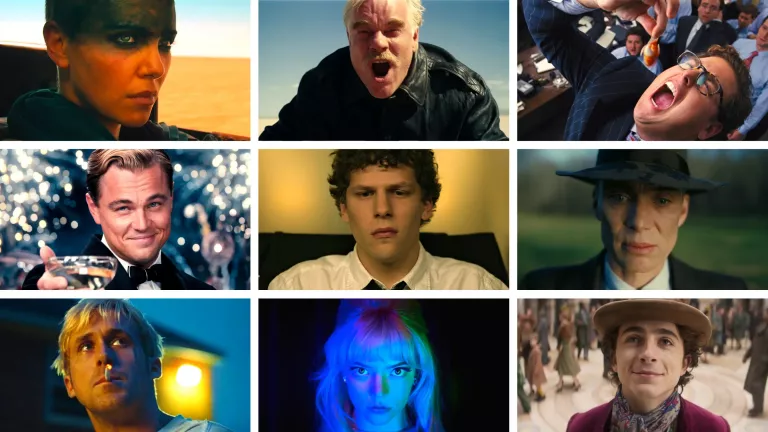
A Close-up shot is one of the most commonly used shot sizes in film and television, but there are ways to make your close-ups extraordinary. It may be when you decide to use them in your story, or how you angle your camera to get an added emotional effect, or by surrounding them with varying shot sizes. In this post, we’ll break it down for you. Continue reading Close-Up Shots: Examples of Camera Movement & Angles
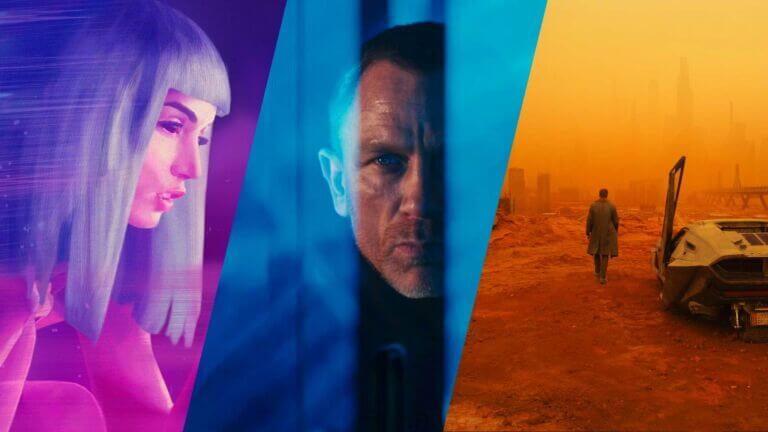
Roger Deakins cinematography includes Fargo, Skyfall, Sicario, No Country for Old Men, and finally he won an Academy Award for Cinematography for Blade Runner 2049 and again in 2020 for 1917. While the Academy finally recognized Deakins work, most of us have been in awe of him long before that. We watched Roger Deakins movies, interviews, and used his blog to compile the best Roger Deakins cinematography tips & techniques.Continue reading Roger Deakins Cinematography Tips & Techniques: Complete Guide
It can be difficult to push your audience to identify with the characters while only using camera movement. But it is possible. Today, we’ll review the dolly shot and learn how you can use them creatively to bring the audience into your characters’ world. We'll also walk you through the process of planning, scheduling, and shooting your own dolly shots in your next project. Hello, Dolly!Continue reading The Dolly Shot: How To Create Powerful Shots With Simple Movement
When you’re working on a movie or TV show, it can be hard to plant the audience inside the character's point of view. Today we’re going to go over the POV, or point of view shot. We’ll define it, see it in action, and talk about why it belongs on your shot list. Continue reading Point of View Shots: Creative Camera Movements & Angles
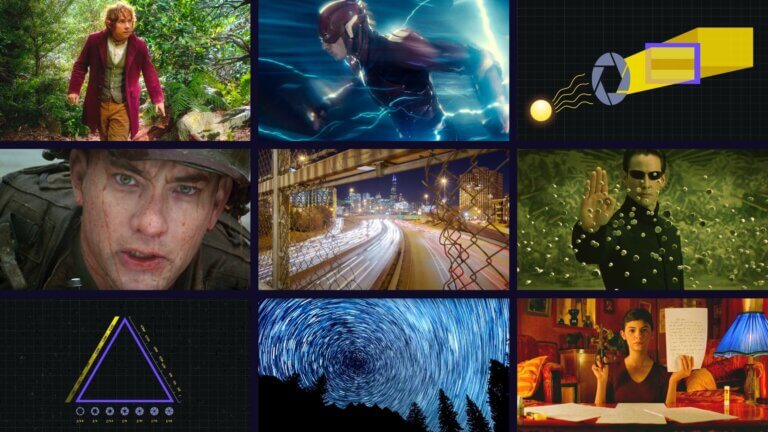
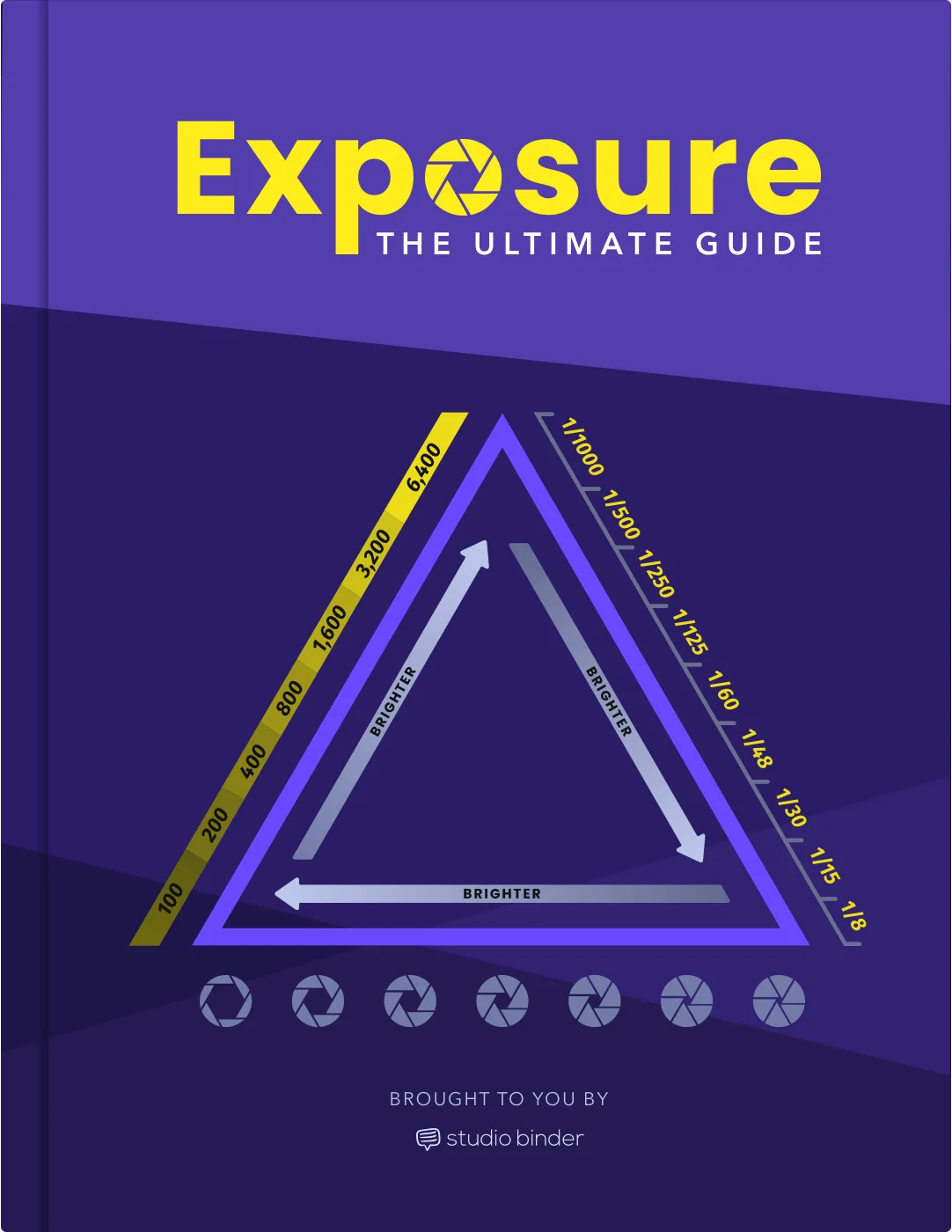
We all know the sound that a camera makes. That satisfying click when we press the button and create our photograph. What we’re hearing is the camera’s shutter. That sound is the shutter moving up and down. It moves the same way every time we take a photo, but not always at the same speed. The way our pictures come out depends on that speed. So what is shutter speed? How can we understand it to take intentional and consistent quality pictures each time. Let’s jump in. Continue reading What is Shutter Speed and Its Role in the Exposure Triangle?
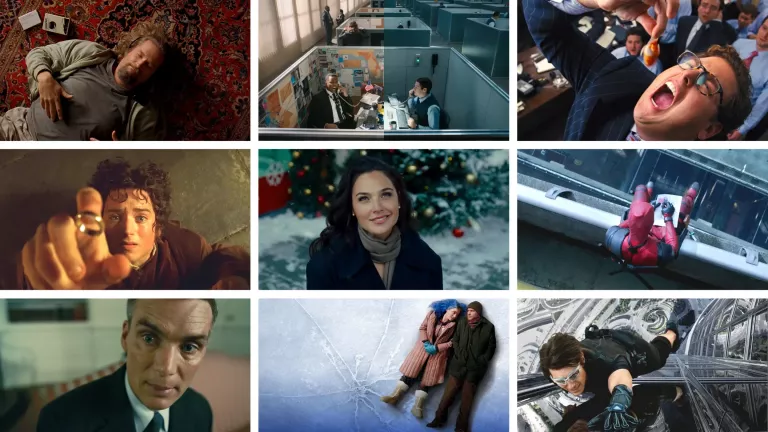
The way you frame your actors or subjects conveys a message to the audience. Send the wrong one, and the audience goes packing. But a properly executed high angle shot can produce the exact message you're after. Today we’re going to go over the high angle shot and how it’ll help you add subtext to your shot selection and variety to your shot list. Along the way, we'll go over the various applications for this essential camera angle so you'll know exactly when and how to use it.Continue reading High Angle Shot — Camera Angle Explained & Iconic Examples