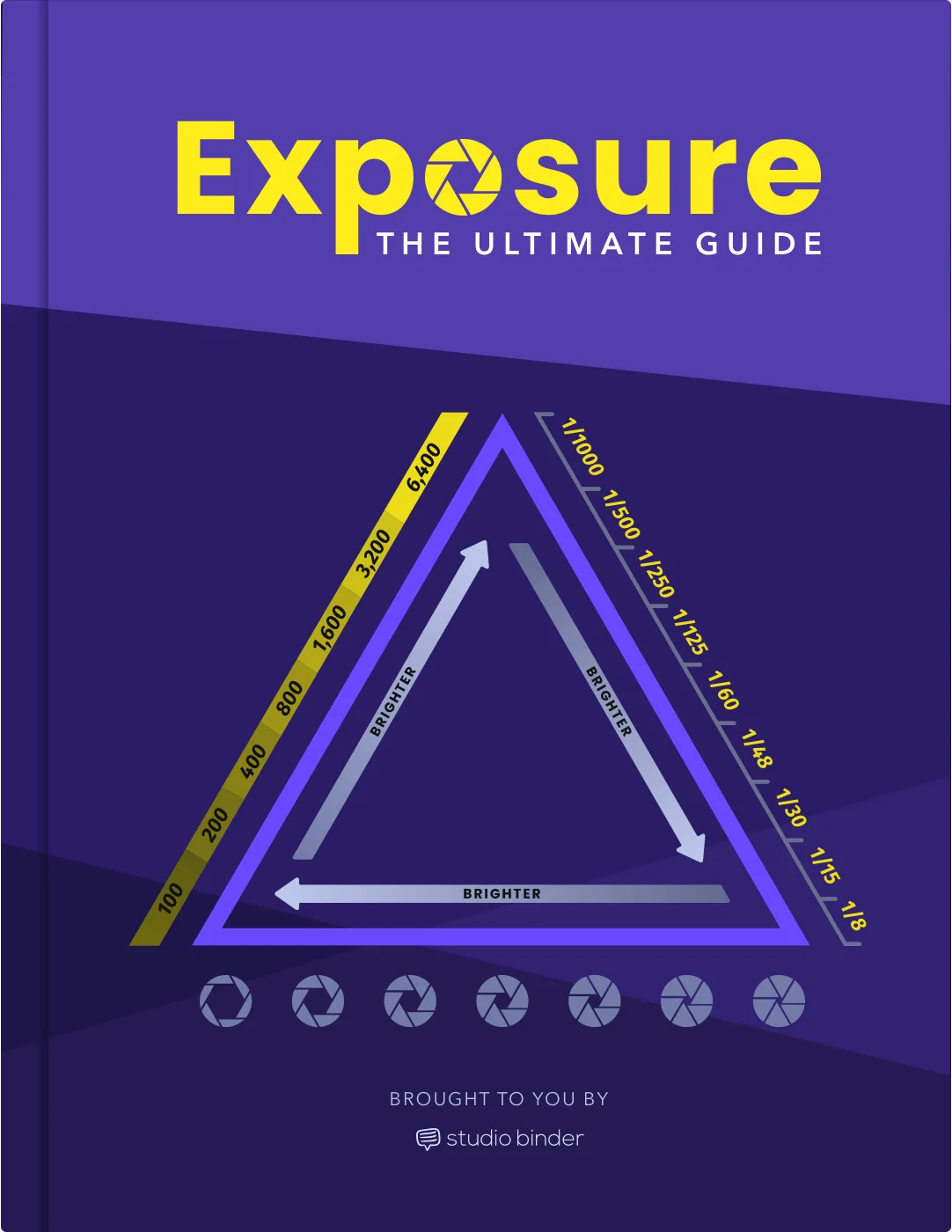
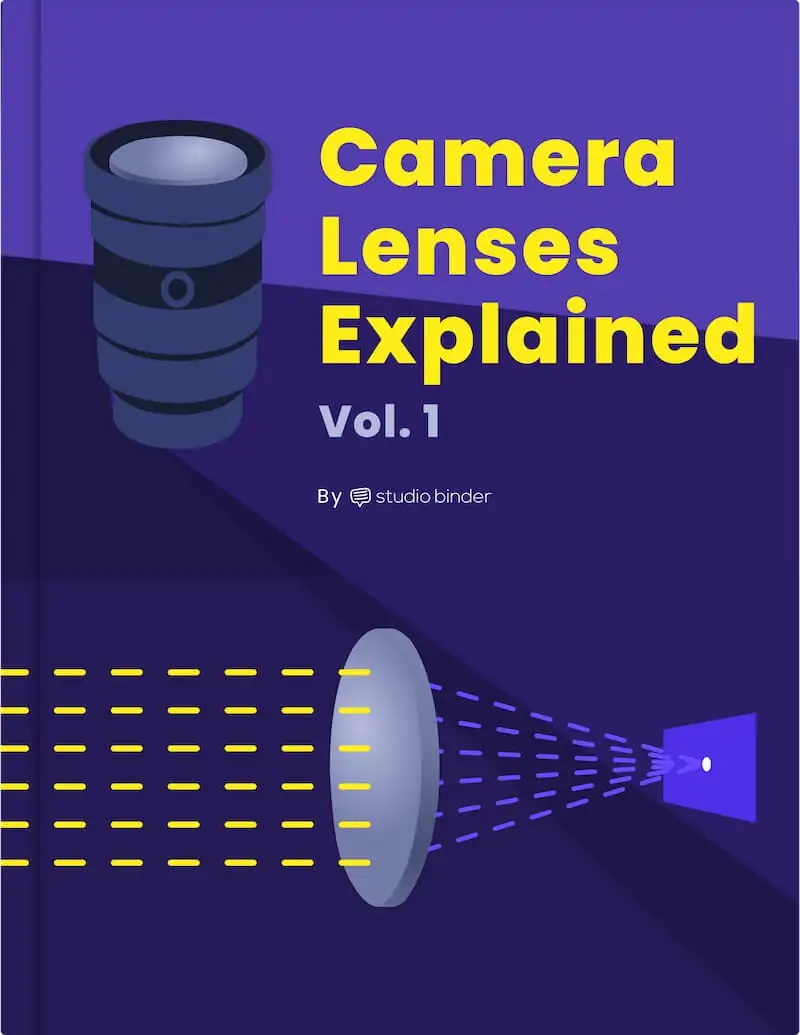
Dof basicsShallow dofDeep dofDOF GuideTYPES OF CAMERA FOCUS The best photographers and cinematographers use depth of field knowledge for precise control over their images.Establishing your own visual style should occur before you step on set, and it begins with understanding how to control your depth of field.Continue reading The Essential Guide to Depth of Field [with Examples]
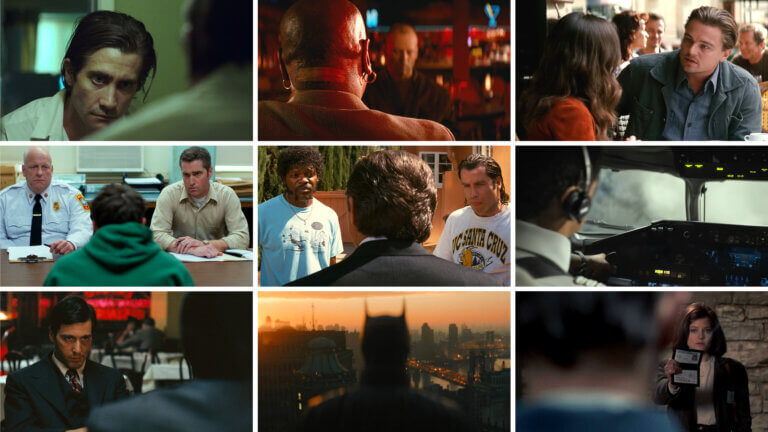
Why do filmmakers use over-the-shoulder shots? Can they signal to the viewer that two characters are, at the very least, on the same page? The OTS shot is one of the most commonly used shots in film and television, but often it's used without proper application of advanced cinematic language. We'll break down the psychology so your OTS shots drive home an emotional concept.Continue reading Over-the-Shoulder Shot: Examples of Camera Movements & Angles
There are multiple ways audiences can learn about who a character is. How they talk, how they dress, how they move, and how they interact with other characters all reflect a character’s personality. To capture a character as a whole, filmmakers often use the full shot. In this article, we’ll answer, "What is a full shot" along with the various reasons to use a full shot in film. We’ll also take a look at some iconic full shots from some of cinema’s best films of all time. Let’s dive in. Continue reading What is a Full Shot in Film? Types of…
What is a lined script? And what does it have to do with your shot list?On the surface, a shot list is exactly what it sounds like. A list of shots that communicates to your crew what camera shots you intend to get. Yet we all know once you get to set, issues arise and something always has to give. And that something is often your favorite camera angles.But with a little forethought and a lined script, we can prepare our shoot to make sure we get everything we need. Here's how you do it.Continue reading How to Make a Lined Script…
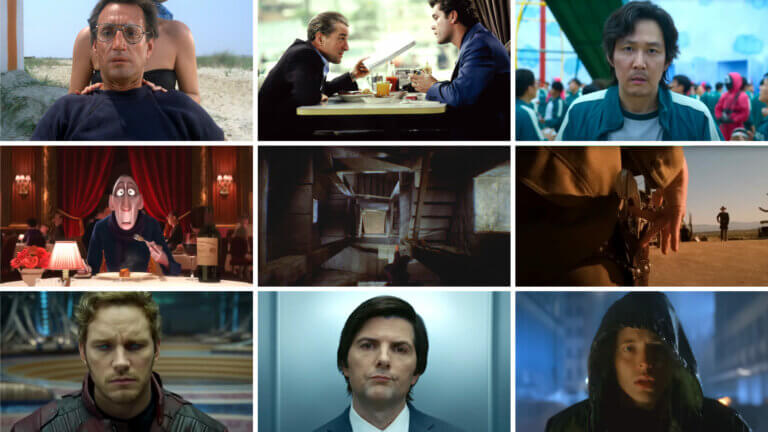
We've all seen films that constantly use medium shots, but how often do you notice? Every shot and edit matters. Today we're focusing on the medium shot. The visual glue of many scenes and films.Continue reading Medium Shots: Creative Examples of Camera Movements & Angles
The dolly zoom is one of the most discussed cinematic techniques. You can use them in many ways, but a great director will find a logical reason to include them. When paired with the correct story moment, the dolly zoom can draw the audience into the story and the character's state of mind. Continue reading What is a Dolly Zoom — Scene Examples of the Vertigo Effect
It’s 2021, and just about every cell phone you can get your hands on has a camera. In some cases, the cameras on your phone rival ones used by professional photographers and filmmakers. But for most of us, the cameras that come on a cell phone do just enough to satisfy. As such, we have provided a list for you to look through, featuring the best cell phone cameras available today. For your convenience, we have ranked them in order of price, from lowest to highest. Continue reading Best Cell Phone Camera — Latest Models, Prices, & Features
The term “coverage” is used in the world of film all the time – but what is coverage in film? Fear not, today we’re going to answer that question by breaking down its definition alongside some examples. By the end, you’ll not only know what film coverage is, you’ll know how to identify its different types.Continue reading A Beginner’s Guide to Film Coverage
[tcb-script type="application/ld+json"]{"@context":"http://schema.org/","@type":"ItemList","itemListOrder":"http://schema.org/ItemListOrderAscending","itemListElement":[{"@type":"ListItem","position":1,"item":{"@type":"CreativeWork","name":"Free Shot List & Storyboard Software for Creatives: StudioBinder","description":"Visualize your scenes with intuitive shot list and storyboard software, built natively into the world’s leading video, TV & film production management software.","url":"https://www.studiobinder.com/shot-list-storyboard/","image":["https://s.studiobinder.com/wp-content/uploads/2017/06/StudioBinder-Shot-List-Template-and-Storyboard-Template-Shot-List-Software.png"],"id":"shot-list-storyboard"}},{"@type":"ListItem","position":2,"item":{"@type":"CreativeWork","name":"How to Make a Shot List Using StudioBinder’s Shot List Software","description":"Maximize your shooting days by learning the ins-and-outs of shot lists. This step-by-step guide explains everything on how to make a shot list.","url":"https://www.studiobinder.com/blog/how-to-make-a-shot-list-software/","image":["https://s.studiobinder.com/wp-content/uploads/2018/01/How-to-Make-a-Shot-List-with-StudioBinders-Shot-List-Software-Header-StudioBinder.jpg"],"id":"how-to-make-a-shot-list-software"}},{"@type":"ListItem","position":3,"item":{"@type":"CreativeWork","name":"Shot Listing Like a Pro: When Do You Create a Shot List?","description":"Written by a working 1st AD, we'll cover the value of shot lists, and provides real-world examples of when you need to make a shot list…
There will be moments in any good story where the main character is under duress. Where something is... wrong. How does a filmmaker convey this? With a Dutch angle. A Dutch angle is a classic cinematic technique to create unease inside the mind of the viewer. In this post, we’ll break down Dutch angles so that you can use them in your next project.Continue reading Dutch Angles: Creative Examples of Camera Movements & Angles