You can often tell when you’re watching an A24 film before the logo appears onscreen. Not because every film looks identical, but because many of them share the same visual instincts.
Whether it’s the intimacy of Moonlight, the domestic dread of Hereditary, or the endless sunlit nightmare of Midsommar, the cinematography tends to lean into emotion. The images used rarely feel “lit” in the traditional Hollywood sense. Rooms glow from practical lamps.
Faces are covered by shadow. Handheld movement is attached to breath and body rather than action choreography. Even when the visuals become surreal, they usually stay emotionally grounded.
That artistic direction and consistency has helped define what many audiences now think of as the A24 visual style. Since its founding in 2012, A24 has produced or distributed hundreds of films. It’s since built one of the strongest visual identities in modern cinema.
Its films have collectively grossed more than $1.5 billion worldwide and has shaped a generation of filmmakers influenced by naturalistic lighting, restrained color grading, and psychologically intimate framing.
Define A24 cinematography
First, let’s break down A brainstorming
So, what do people mean when they mention A24 cinematography? Well, the answers is a lot of things. So let's first establish a basic definition of A24 cinematography and then expand from there.
A24 Cinematography StyleWhat is A24 cinematography?A24 cinematography refers to the visual approach used across several A24 films. In particular their use of naturalistic lighting, intimate framing, restrained color grading, and emotionally motivated camera movement. A24 films tend to use cinematography techniques that place viewers psychologically close to characters and influence their emotional experience. Emotional closeness is what separates these films from a lot of mainstream studio filmmaking. A24 cinematographers often treat the camera like another person in the room. The framing reacts to vulnerability. The lighting feels lived-in and ‘real’. Even wide shots usually exist to reinforce emotional isolation or power dynamics. The result is a body of work that feels visually cohesive even across completely different genres. |
Popular A24 films include:
- Everything Everywhere All at Once
- Moonlight
- Hereditary
- Civil War
- Past Lives
A24 Visual Hallmarks
The visual hallmarks of A24 films
The A24 film aesthetics we recognize today comes from repeated technical choices. This is across lighting, lenses, movement, framing, and grading. None of these techniques are unique on their own. What is unique is how consistently they are used in service of character psychology.
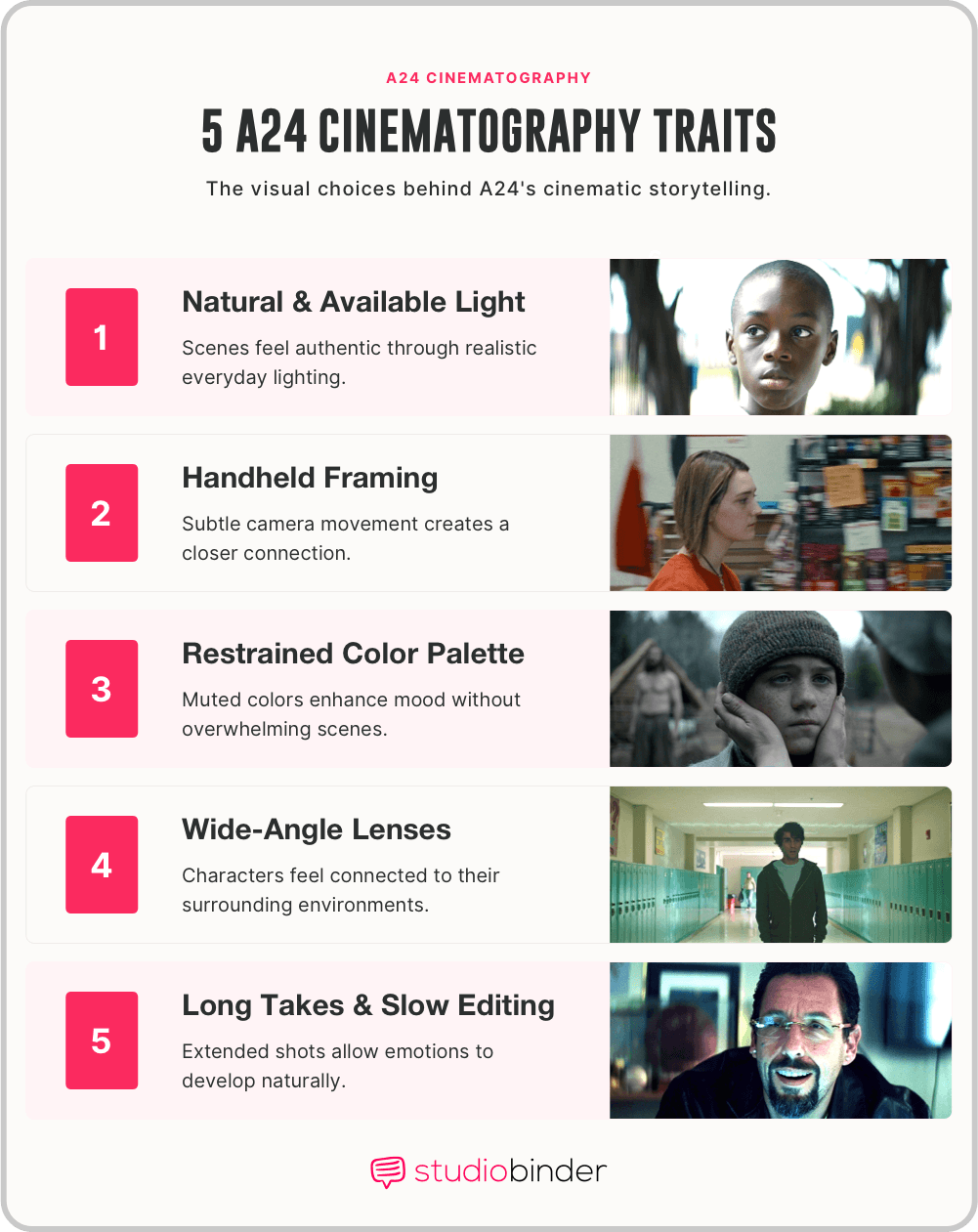
Defining Key Cinematic Traits and Visual Approaches • A24 Cinematography
1. Natural and available light
One of the clearest characteristics of A24 cinematography is its reliance on motivated light sources. Motivated lighting is the technique used to imitate existing light sources.
Instead of flooding scenes with artificial movie lighting, many A24 films build lighting around practical sources already inside the environment. They use windows, lamps, daylight, candles, or firelight. Because the audience understands where the light is coming from, the image feels grounded and believable.
In Moonlight, James Laxton built most beach sequences around available golden-hour light, giving the film its soft blues and luminous skin tones.
The Witch goes further. Jarin Blaschke relied almost entirely on daylight and firelight, making interiors glow unevenly because that is how those spaces would have been lit historically.
In Room, Lol Crawley uses practical lighting to make confinement feel emotionally believable without glamorizing the space. A24 films rarely use light to beautify reality. More often, they use it to preserve emotion and move the audience.
2. Handheld and intimate framing
A24 handheld camera work will often prioritize emotion. In many action films, handheld movement exists to create impact. In A24 films, the camera often moves the way another person inside the room might move. Slight reframing responds to breathing, hesitation, or changes in posture.
Helene Louvart's work on Never Rarely Sometimes Always is a clear example. She keeps the camera close to Autumn throughout the film.
![NEVER RARELY SOMETIMES ALWAYS - Official Trailer [HD] - At Home On Demand April 3](https://i.ytimg.com/vi/hjw_QTKr2rc/hqdefault.jpg)
Never rarely sometimes always - Official Trailer • A24 Cinematography
The framing often stays tight on her face instead of cutting to conventional shot-reverse-shot coverage. Because the camera rarely widens, small physical reactions become important. Avoiding eye contact, hesitation before answering, trying to maintain composure. The audience cannot escape those reactions.
Louvart also avoids aggressive handheld shake. The camera appears to adjust naturally to Autumn's body language. That difference matters. The handheld camera creates sustained observation. A24 cinematography often works this way.
The handheld camera breathes with characters rather than shaking for excitement. Tiny physical details suddenly matter. Hesitation before speaking, eye contact breaking, shoulders tightening under stress. The image becomes psychologically intimate.
Planning this kind of coverage requires a different approach than standard setups. In StudioBinder's storyboard software, you can build around character emotion rather than action beats which will help cinematographers map out where the camera should breathe with performers.
Visualize your A24 cinematography project • StudioBinder Free Storyboard Software
3. Color palette and grading choices
Across many A24 films, color grading works on the philosophy that less is more. Saturation is often reduced instead of intensified. Texture matters more than polish. In Moonlight, the color palette shifts across the film's three chapters to mirror Chiron's emotional arc. Childhood is filled with ocean blues and warm sunlight.
Adolescence becomes harsher and less saturated. By adulthood, the image cools to gray-blues and controlled shadows. Those shifts are never decorative. The color reflects where Chiron is psychologically.
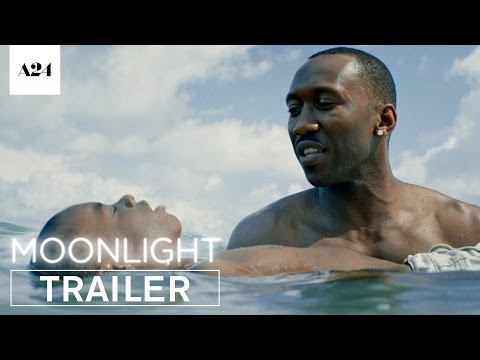
Moonlight Trailer • A24 Cinematography
Midsommar takes a completely different approach. Pawel Pogorzelski keeps the image bright, clean, and nearly overexposed. Instead of using darkness as a horror signal, the film uses constant daylight and pastoral greens and whites to create unease. Nothing hides in the dark because everything is already visible.
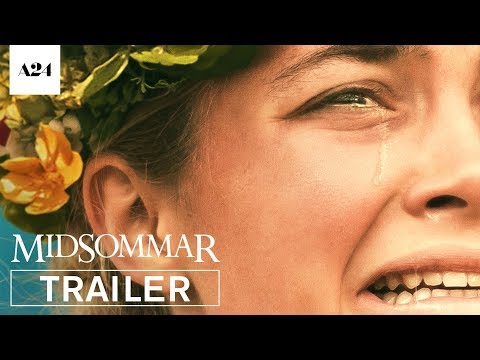
Midsommar Trailer • A24 Cinematography
Hereditary pushes in the opposite direction. Faces emerge slowly from shadow. Blacks are heavy and oppressive, but the film still avoids exaggerated horror grading. The darkness feels domestic rather than gothic.
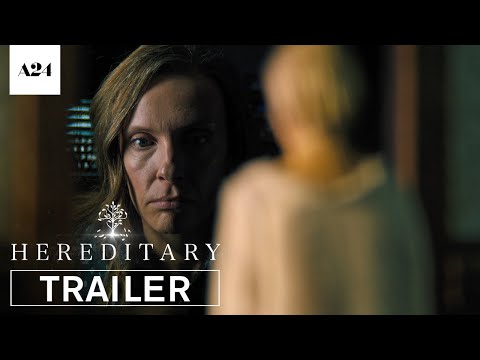
Hereditary Trailer • A24 Cinematography
That grounded quality is what makes the horror feel believable. The Witch uses the most restrained palette of all. Overcast New England light and candlelit interiors create a world with almost no warmth. The characters believe warmth and pleasure are spiritually dangerous, and the color grading reinforces that theology.
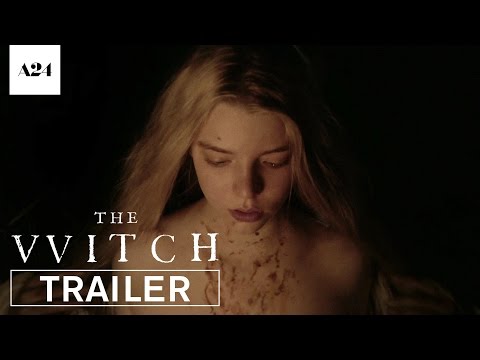
The Witch Official Trailer • A24 Cinematography
4. Wide-angle lenses and environmental framing
When A24 films use wide framing, the goal is usually psychological. Characters are often placed inside environments that suppress, trap, or absorb them emotionally. In Hereditary, wide compositions repeatedly frame the Graham family inside rigid domestic architecture. Doorways. Hallways. Miniature-like interiors.
The house itself begins to feel alive.

Hereditary Scene • A24 Cinematography
Pawel Pogorzelski frequently uses deep-focus framing so no corner of the frame feels safe. The family appears trapped inside inherited trauma long before the supernatural elements fully emerge. Midsommar uses framing differently. The commune is open, bright, and expansive. Characters are dwarfed by ritual formations and symmetrical landscapes rather than trapped physically.
That openness becomes disturbing because it feels welcoming at first. The visual language slowly absorbs Dani into the environment until the commune itself starts feeling emotionally inevitable. It becomes the place where she truly belongs.
A24 cinematographers often move between close emotional framing and overwhelming environmental scale within the same scene. That tension means the audience constantly shifts between personal vulnerability and larger systems of control.
Compositions like these are mapped shot by shot in pre-production. A detailed shot list helps cinematographers plan exactly how characters sit within architectural framing before anyone steps on set.
If you're planning a shoot, then StudioBinder's shot list software can help. It keeps your whole team, including cinematographers, in the loop as shooting plans evolve throughout production.
Shot list example • StudioBinder Free Shot List Software
5. Long takes and observational camera movement
Many A24 films allow scenes to unfold longer than comparable mainstream films would. Instead of cutting back and forth, the camera often stays with performances long enough for discomfort or tension to grow naturally. Darius Khondji creates anxiety through overload in Uncut Gems.
He shot large parts of the film handheld, in real New York locations using practical lighting and crowded spaces.
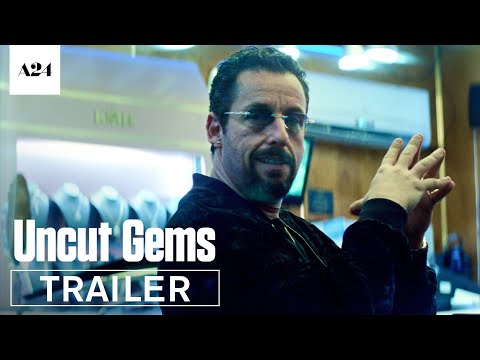
Uncut Gems • A24 Cinematography
The handheld camera stays close to Howard Ratner while fluorescent light reflects off television screens and windows. Dialogue in crowds overlaps. The cinematography creates anxiety through sensory overload. The film rarely cuts away to simplify visual information for the audience.
Instead, it allows viewers inside Howard's inability to process everything happening around him. Even quiet scenes remain tense because the cinematography never settles.
Top A24 Cinematographers
The best A24 cinematographers to know
The A24 visual style exists because of the cinematographers shaping these films behind the scenes. While A24 does not have an in-house DP, several cinematographers have become closely associated with the company’s visual identity.
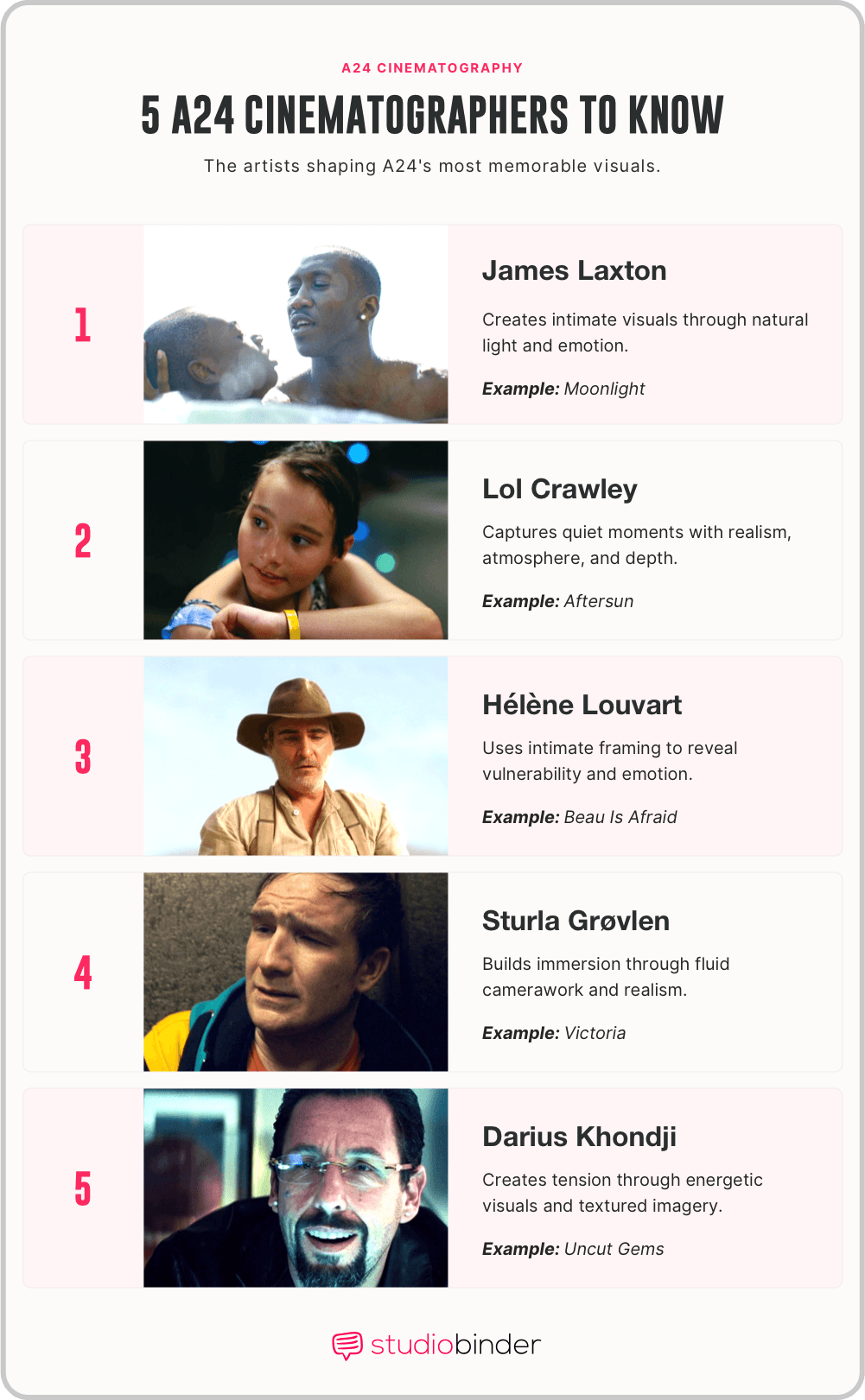
Notable Cinematographers Shaping Memorable Visuals • A24 Cinematography
James Laxton (Moonlight, All Dirt Roads Taste of Salt)
James Laxton represents the emotional side of A24 cinematography. His collaborations with Barry Jenkins prioritize softness, texture, available light, and emotionally expressive color.
In Moonlight, the camera often stays close enough to actors that tiny changes in eye movement or posture become significant inside the frame.

Moonlight Juan and Chiron Scene • A24 Cinematography
His cinematography rarely calls attention to itself, which is part of why it feels so intimate. It turns the audience into a natural spectator.
Lol Crawley (45 Years, Calm with Horses)
Lol Crawley specializes in restrained observational realism.
His images frequently use subtle practical lighting and compositions that allow emotional tension to emerge gradually. In 45 Years, controlled interior lighting and long takes make the emotional shifts between characters feel small and distinct.
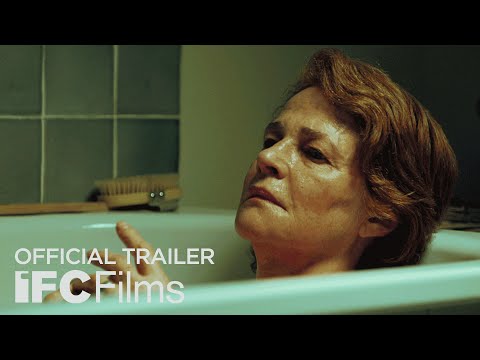
45 Years Official Trailer • A24 Cinematography
Crawley’s cinematography trusts viewers to notice small behavioral changes without visual exaggeration.
Hélène Louvart (Never Rarely Sometimes Always, Beau Is Afraid)
Hélène Louvart is one of the defining cinematographers of intimate handheld framing.
Her camera often remains physically close enough to actors that silence becomes emotionally loaded. In Never Rarely Sometimes Always, refusing to cut away from Autumn’s face forces the audience to process discomfort in real time.

Never Rarely Sometimes Always • A24 Cinematography
Her collaboration with Ari Aster on Beau Is Afraid applies that same observational intimacy to surreal psychological imagery.
Sturla Brandth Grøvlen (Victoria, Beast)
Sturla Brandth Grøvlen is best known for shooting Victoria in one uninterrupted take.
That experience shaped his approach to sustained cinematic attention. His work emphasizes emotional continuity and spatial immersion.

Beast Official Australian Trailer • A24 Cinematography
The camera often feels as though it is discovering scenes at the same speed the characters experience them.
Darius Khondji (Uncut Gems)
Darius Khondji brings a different energy to A24 cinematography. His background includes work with David Fincher and Wong Kar-wai, but his approach to Uncut Gems strips away the polish of those collaborations entirely.
He shot much of the film handheld in real Diamond District locations. Fluorescent light, neon, and reflections from jewelry cases create constant visual noise. That overload is deliberate. The image never settles because Howard Ratner's life never settles.
Khondji's work proves that A24 cinematography is not always quiet or restrained. Sometimes it is loud, crowded, and claustrophobic. The emotional logic stays the same: the camera makes the audience feel what the character feels.
Related Posts
A24 Film Cinematography
A24 cinematography breakdown — film by film
Each A24 film applies these visual hallmarks differently depending on genre, story, and the cinematographer's sensibility. Here is a closer look at five films that define the A24 visual style.
Moonlight (2016) — James Laxton
James Laxton and director Barry Jenkins built Moonlight around subjective camerawork. Instead of observing Chiron from a distance, the camera behaves like a person standing directly beside him. In several scenes, characters look straight into the lens while speaking. Not often. Just enough to feel slightly disarming at key moments. That choice creates an unusual level of closeness.
Laxton also shot many scenes with shallow depth of field so backgrounds drift in and out of focus. Miami rarely feels stable or solid around Chiron. Faces stay sharp while the world behind them blurs and shifts. The effect is especially noticeable during moments where Chiron feels isolated or overwhelmed.
The camera height changes across the three chapters as well. In the childhood section, the lens often sits lower to the ground, reflecting how small and exposed Chiron feels within adult spaces. By the final chapter, the framing becomes more controlled and level. Chiron takes up more space within the image, even when he says very little.
One of the film’s strongest visual choices is during the school scenes.

Moonlight (2016) Chair Revenge Scene • A24 Cinematography
Fluorescent classroom lighting contrasts with the warmth of the beach and night time exterior sequences. This creates a difference in the spaces where Chiron feels trapped from the places where he feels free.
Hereditary (2018) — Pawel Pogorzelski
The opening shot tells you almost everything about Hereditary. The camera framing pushes through Annie’s miniature workshop and into the real house so smoothly that the transition barely registers at first.

Hereditary Opening Scene • A24 Cinematography
From that point on, the family home stops feeling normal. Every room looks arranged. Pawel Pogorzelski avoids a lot of standard horror lighting tricks. The film is surprisingly bright. Bedrooms, kitchens, and hallways are usually visible in full detail. That visibility becomes the source of tension.
There is an urge to scan the frame. The compositions are rigid for most of the film. Locked-off wide shots turn rooms into boxes. Characters sit in the center of empty spaces with very little camera movement to release pressure. When the film finally does move aggressively, it lands much harder because the rest of the cinematography has been so restrained.
One of the most unsettling images comes late in the film when Annie is clinging to the ceiling in the background of Peter’s bedroom. The shot works because the frame is so still. The camera never emphasises the horror. It leaves the image there long enough for the audience to notice it themselves, letting the shock settle.
Midsommar (2019) — Pawel Pogorzelski
Most horror films depend on darkness. Midsommar removes it almost entirely. Pawel Pogorzelski shoots the commune in almost constant daylight. Bright grass. White clothing. The setting is incredibly peaceful.
The wides are important. Characters are often framed against huge open landscapes with nowhere to hide. The audience can see everything. Nothing sneaks up on anyone. That clarity becomes deeply uncomfortable once the violence begins.
Early in the film, Dani is disconnected from the people around her. This reflects her internal emotional journey. She’s grieving and her relationship with her partner is rocky. Other characters crowd together while she sits alone at the edge of the frame or slightly behind everyone else. Once she joins the commune more fully, the framing changes. She becomes centered more often. Balanced against the environment instead of pushed outside of it.
The maypole sequence captures the film’s whole visual approach.

Dani Becomes May Queen • A24 Cinematography
The camera spins and moves through the dancers with Dani. It’s a mix of flowers, bodies, sunlight and motion. The scene becomes overwhelming long before anything explicitly horrific happens.
The Witch (2015) — Jarin Blaschke
Jarin Blaschke shot the film using natural light. Outdoor scenes are grey and cold under overcast skies. Interior scenes sink into darkness around the edges because candles only illuminate so much of a room.
Nothing looks polished. That is exactly why the film works.
The family’s farm sits directly beside the forest for most of the film. Blaschke constantly frames the woods behind the characters like a physical presence. Even simple conversations feel uneasy because the treeline never disappears from view for very long.
The camera movement stays minimal. Most shots are static or move slowly. It gives the supernatural scenes more force once they arrive. Caleb’s encounter with the witch in the woods is a good example.

The Witch • A24 Cinematography
The sequence relies mostly on darkness, firelight, and partial visibility. The audience is invested instead of waiting for a jump scare. The result feels historical rather than stylized. The film doesn't feel like a typical horror and you become invested in the story and setting.
Uncut Gems (2019) — Darius Khondji
Darius Khondnji shoots large amounts of the film handheld in New York’s Diamond District. This means crowded streets and working shops. People push through the frame constantly. The nightclub scenes are especially intense.
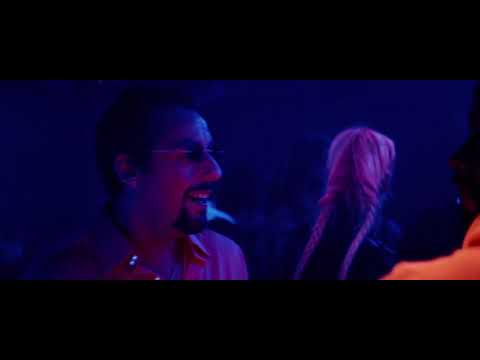
Uncut Gems club scene • A24 Cinematography
Colored lights keep shifting across faces. By the time Howard starts sprinting through the city after the auction collapses, the cinematography already feels completely out of breath.
Achieving the A24 Look
How to achieve an A24 look
Many A24 films care more about a close-up at the right moment more than a large establishing shot. Those visual choices are usually developed long before production begins.
Directors and cinematographers often build lookbooks early in pre-production to define the atmosphere, framing style, colour palette, and overall visual identity of the film. Pulling references from photography, paintings, architecture, and other films helps the creative team establish a shared understanding of how the movie should look before on set.
Tools like StudioBinder’s lookbook software can achieve that aesthetic. This can help filmmakers organize film stills, lighting references, wardrobe ideas, textures, and cinematography inspiration into one cohesive visual presentation that can be shared across departments during pre-production.
Generate a film lookbook • StudioBinder's film lookbook software
Once that aesthetic language is established, directors can then translate those ideas into practical shot coverage and camera planning.
Frequently Asked Questions
A24 cinematography FAQs
Many A24 films avoid the polished studio look. They use practical lighting, handheld camerawork, restrained grading, and longer takes. The camera usually stays close to actors and makes artistic choices tied to emotion.
Natural light creates variation that is difficult to fake convincingly. Shadows fall unevenly. Skin reacts differently throughout the day. Locations end up feeling more believable. Films like Moonlight and The Witch use available light to make scenes feel physically grounded.
Not necessarily. Many A24 techniques actually work well on smaller budgets. Practical lighting, handheld shooting, and real locations can reduce costs. What matters more is consistency. The visual approach needs to feel intentional from beginning to end and be supported from a creative standpoint.
They don’t use a single camera. Different productions shoot on different systems depending on the project. Lighting, framing, lenses, and color workflow usually shape the final image far more than the type of camera itself. The Arri Alexa platform appears in films like Moonlight, The Witch, and Uncut Gems. A24 productions have also used Canon, Sony, RED, and film cameras.
A24 cinematography often favors practical lighting, restrained grading, handheld movement, close framing, and longer takes. The films do not all look the same, or necessarily have the same style. But many share the same focus on texture, atmosphere, and character perspective over polished spectacle.
Many Hollywood films prioritize choices like bright lighting, fast editing, and visually clean coverage. They’re designed for broad audiences and often don't have artistic nuance. A24 films often focus more on emotional realism. Their cinematography tends to embrace shadow, silence, texture, and slower pacing.
Some cinematographers closely associated with A24 include James Laxton (Moonlight), Jarin Blaschke (The Witch, The Lighthouse), Pawel Pogorzelski (Hereditary, Midsommar), Hélène Louvart (Never Rarely Sometimes Always), and Darius Khondji (Uncut Gems)
UP NEXT
Best Folk Horror Movies of All Time
It's no secret that some of the best A24 films live in the world of folk horror. Villages, forests, ancient rituals, these are inherintely horroifying settings. So next up, join us in ranking the 16 best folk horror movies of all time. We promise some of your A24 favorites will be there too.

Share your vision with elegant shot lists and storyboards.
Create robust and customizable shot lists. Upload images to make storyboards and slideshows.