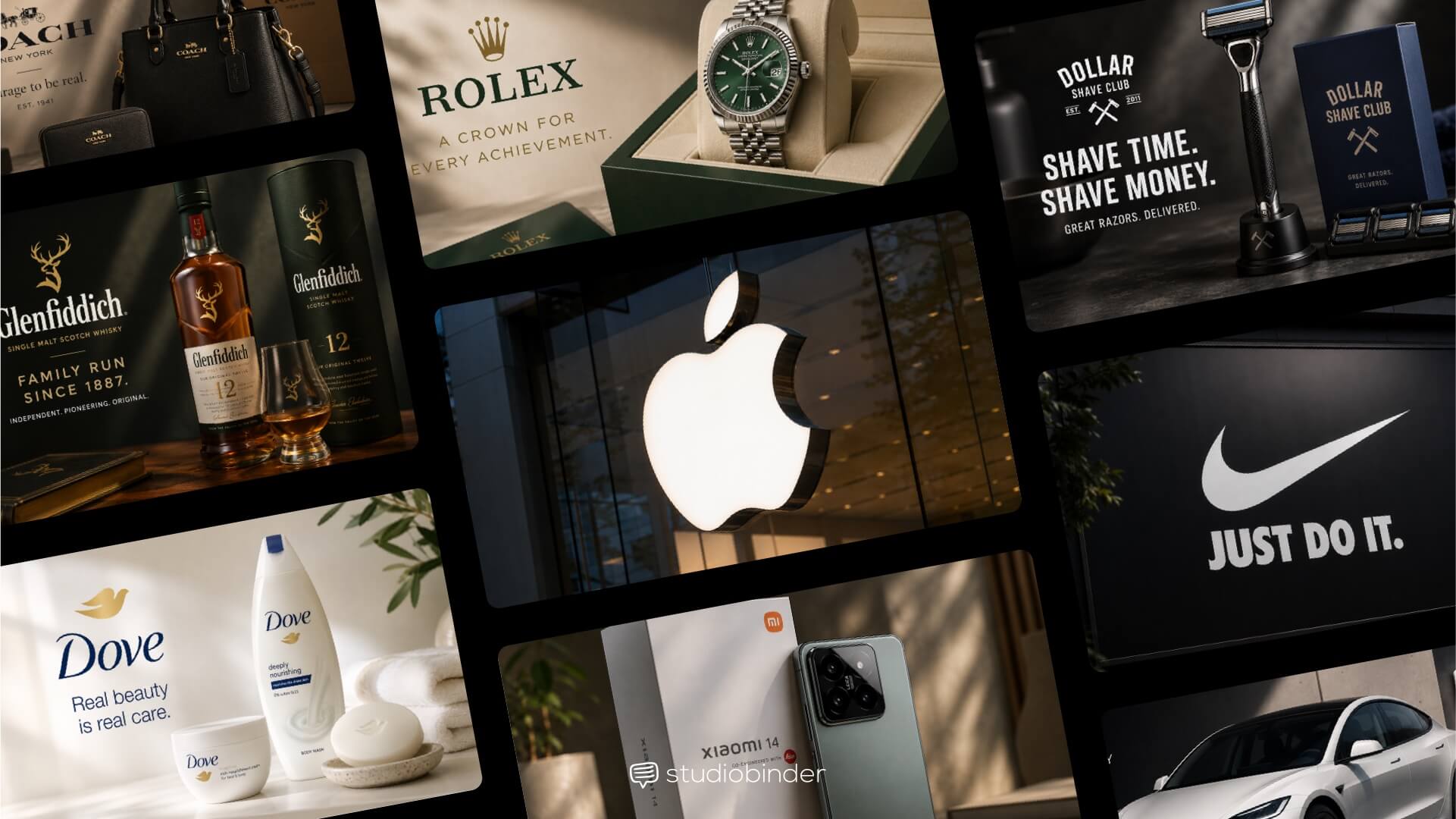
Brand storytelling is the difference between marketing that interrupts and marketing that sticks. Most people don’t remember the last ad that caught their attention. Or even the last ad they saw. But they can tell you how a brand made them feel years ago. That’s the gap brand storytelling closes. This article covers what is brand storytelling, why it works, and how to build one. It looks at the brands that do it best and walks through a branded content strategy that holds up.
Define brainstorming
First, let’s define brand storytelling
Brand storytelling is the difference between marketing that interrupts and marketing that sticks. Most people can't tell you the last ad they saw. But they can tell you how a brand made them feel, sometimes years later.
Brand Storytelling MeaningWhat is brand storytelling?Brand storytelling uses narrative, character, conflict, and resolution to show what a brand actually stands for. Not what it sells. What it believes. Conventional marketing puts the product at the center. Brand storytelling puts the person there. The brand's role changes too. It stops being the hero and becomes the guide. It equips the customer with what they need, then gets out of the way. That shift touches how you write, how you shoot, and how you edit. Video is where this lands hardest. No other format puts image, sound, and performance together quite like it. It's also where most brands underinvest. |
Brand storytelling examples:
- Nike's "Just Do It"
- Dove's "Real Beauty"
- Dollar Shave Club
- Patagonia
What does brand storytelling look like in practice? It’s choosing to show your values instead of simply stating them. It's building trust around the audience's experience, not just product features. Traditional types of marketing and advertising put products at the center of everything. Brand storytelling puts the human at the center instead.
The brand narrative shifts too. The brand stops being the hero, and instead starts being the guide. The thing that helps the real heroes, the customers, get to where they’re trying to go or what they’re trying to achieve. In execution, this shift changes everything about how you write, how you shoot, and how you distribute content.
Video is where brand storytelling reaches its full potential. No other format can combine image, sound, visual performance, and pacing quite like film. Video marketing is also the format most brands tend to underinvest in - and where a weak pre-production process shows fastest.
Trusted by over 1M creatives
StudioBinder for production teams
Everything you need for a successful shoot: call sheets, shot lists, scripts, and more.
Why Storytelling Works
Why brand storytelling works
Understanding why brand storytelling in marketing works in the first place isn’t just useful. It's what separates brands that commit to it from brands that consider it an afterthought or nice-to-have and so fall short.
Emotion drives memory
Neuroscientist Uri Hasson's research on neural coupling found that a well-told story syncs the listener's brain with the storyteller's. A good story makes people feel like the experience is actually happening to them.
Emotional content gets filed away and remembered longer. It’s shared. Emotional storytelling isn’t just a creative choice. It’s how our memory actually works.
Hear all about it from the man himself:

This is your brain on communication • Brand storytelling
Neural coupling strengthens when the story is specific and emotionally grounded. Generic claims about company values don't activate it. A real story does. That's the neuroscience case for brand storytelling done honestly.

How we communicate information across brains • Brand storytelling
Stories build trust
People trust stories because they reveal values in action, not in claims. A brand that shows what it stands for is more credible than one that just states it. Anyone can write a lifeless “We Care About our Customers!” tagline on their website. It costs the brand nothing, but it also means nothing. Show a real customer’s real, genuine experience.
Show their struggle, the moment it all turned around for them. Show the happy outcome, and you’ve shown real values, not just claimed them. A brand story that “shows” beats a brand story that “tells” every time. People trust what they can see as well as what they feel.
Story creates differentiation
In a commoditized market, story is often the only meaningful differentiation. Dollar Shave Club and Gillette sell the same blades. The story is everything. Dollar Shave Club’s story is based on their “anti status quo” values. They positioned themselves as the relatable underdog.

The $4500 Ad That Humiliated Gillette • Brand storytelling
The target? Overpriced, over-engineered legacy razor blades. Their brand is humorous, in touch, and humble. Gillette’s brand story is more authoritative. For over a century, their story has been simple.
They are the gold standard of shaving. "The Best a Man Can Get." Their difference was built entirely on brand narrative and nothing else.
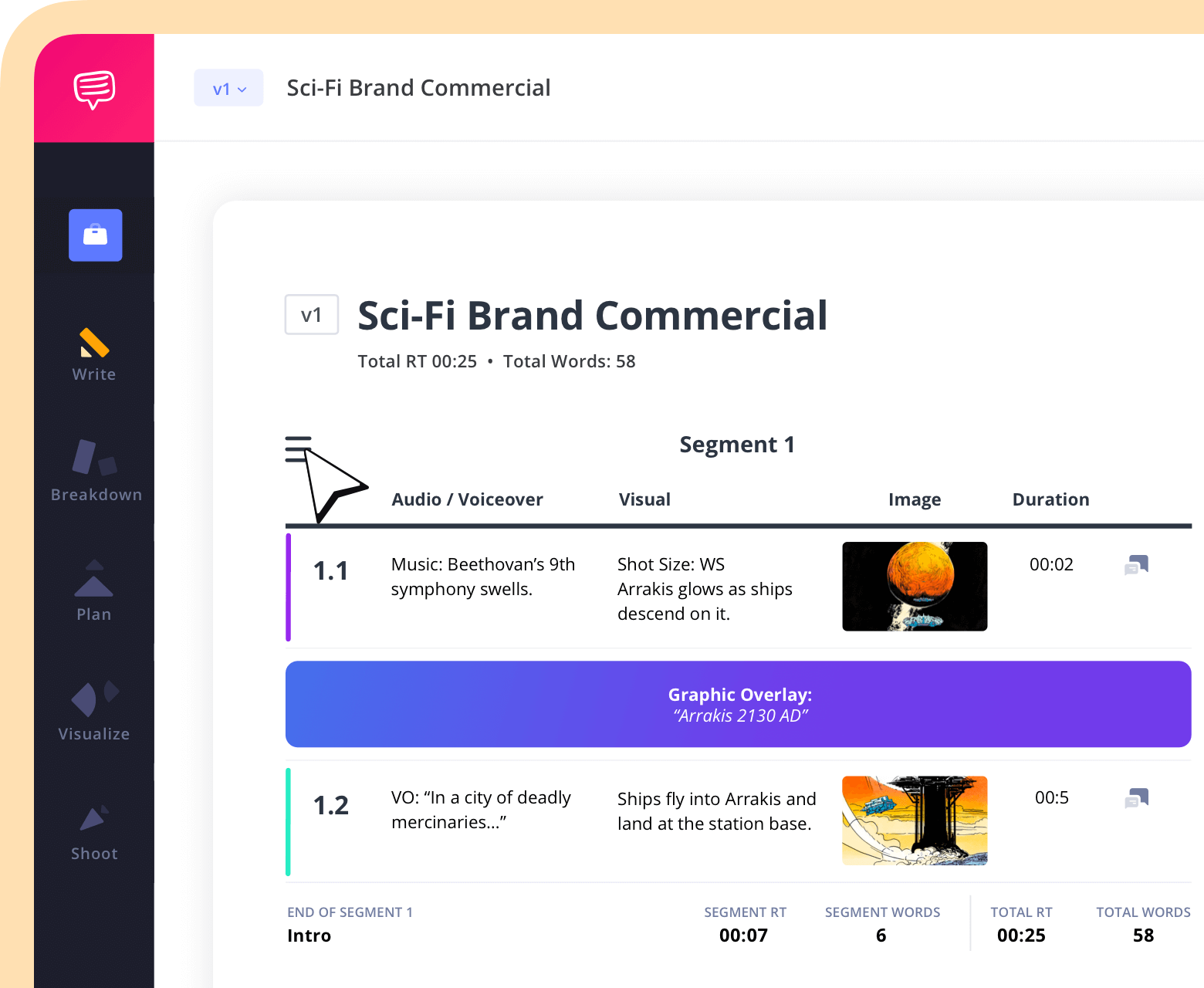
Both of those brand differences started on paper. With StudioBinder's AV Script Software, you can write out your brand's script while describing the visuals -- and even add references images, before a single frame gets shot.
Create a video script for your brand • StudioBinder's Free AV Script Software
The brand voice you write in pre-production is the one that actually makes it to camera.
Trusted by over 1M creatives
AV scripts with built-in timing
Write in two-column format, track runtime, and share with version control
4 Pillars of Storytelling
The four pillars of brand storytelling
The four pillars of brand storytelling are character, conflict, resolution, and authenticity. This brand storytelling framework applies to every strong, successful brand story. Remove one pillar and the whole thing falls apart.
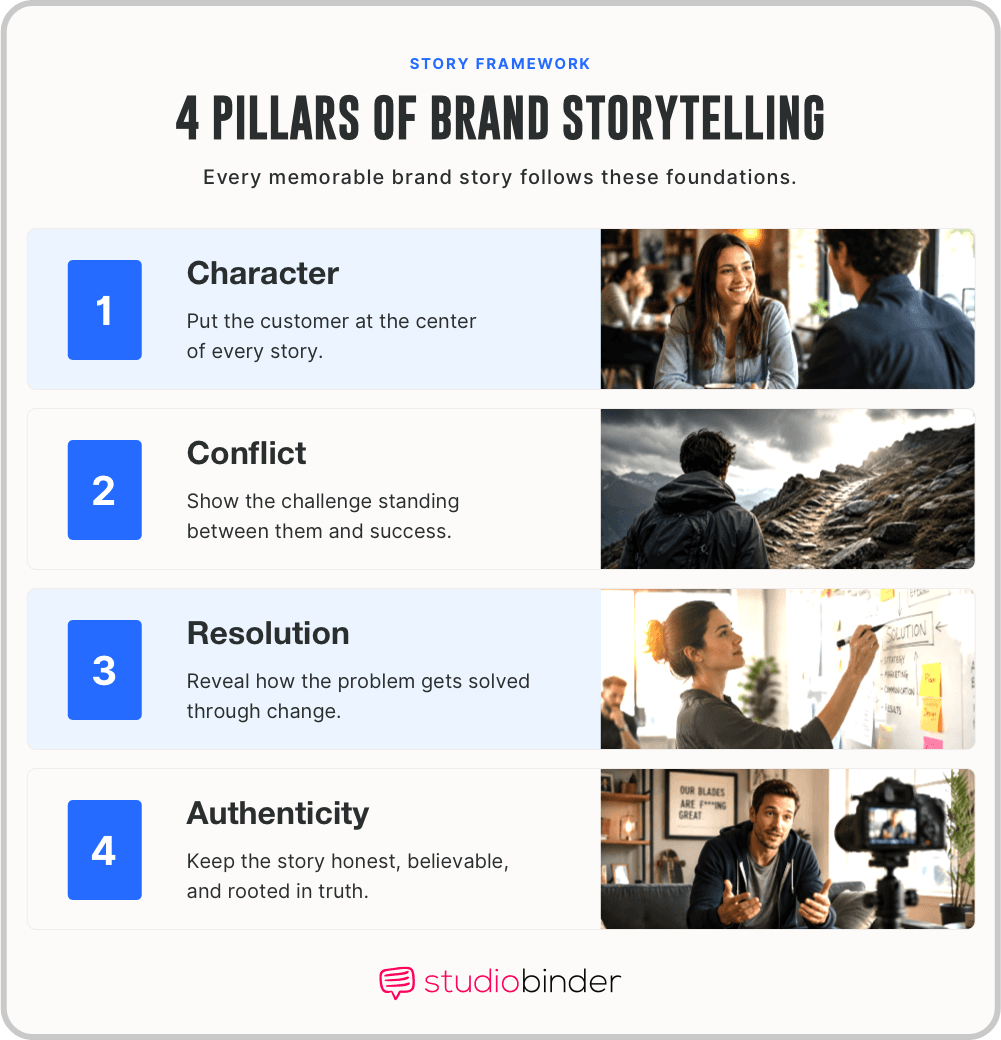
Core Foundations of Memorable Narrative Frameworks • Brand storytelling
1. Character
Put the customer at the center, always. Then build outward. Every story needs a protagonist. In brand storytelling, the character is usually the customer, not the brand. The brand is the mentor (think Yoda, not Luke). Make this distinction explicit.
The brand is simply the thing that prepares or equips the hero with what they need. Then the brand steps back and the hero takes over. Brands that position themselves as the protagonist tend to produce content that comes across as patting their own backs. Audiences didn’t come for that narrative.
2. Conflict
Conflict is what gives a story its momentum. It’s the tension your brand helps resolve. It’s the real human problem underneath the product features. Most brands soften this. They don’t want to name the problem directly in case it makes the audience feel negative. But the brands people trust the most are the ones that are willing to say clearly, this is what’s broken and here’s why we exist to fix it.
3. Resolution
Resolution is the transformation. It’s what life looks like once the main conflict is resolved, ideally through the brand's products, values, or community. The most important word to consider here is earned. A resolution handed to the audience without a hero's journey will never land.
Show the struggle. Show the journey, don’t just assert it. Put that transformation on film. Let the audience watch someone they can relate to move from where they were to where they wanted to be. That character arc is the brand story and the definition of brand narrative.
4. Authenticity
Audiences can detect manufactured emotion. They're more savvy now, more perceptive than brands sometimes give them credit for. Authenticity is the pillar that holds the other three together. A story the brand doesn't actually live will fall apart. All it takes is one person looking closely. The cost isn’t just a campaign that underperforms. It’s a fragile trust that can erode in no time and take years to rebuild.
Related Posts
Storytelling Techniques
Brand storytelling techniques
The pillars are the foundation. Time to move from theory to practice. These techniques are how you actually build on them.
Let's start with a word on the magical science of storytelling:
The magical science of storytelling • Brand storytelling
Lead with the customer, not the brand
The customer is the hero. The brand is the guide. Nike doesn’t open their campaigns talking about how great their shoes are. Their content opens on an athlete, a struggle, a moment of doubt, and then at last, the push-through towards victory. This is the classic hero’s journey.
The Hero (you, AKA the customer), The Villain (never an external obstacle, but our own internal foe, the voice in our heads that tells us, “I can’t.” And then the transformation, “Just do it.” It’s the tried and true formula of doubt, rededication and at last, victory against all odds. Their products just happen to be there. It tells the story of athletes overcoming odds. Your brand should do the same.
Now, the best methods to using stories to elevate your brand:

How to Use Stories to Elevate Your Brand • Brand storytelling
Use conflict honestly
Don’t just sand smooth the edges of whatever problem your brand helps solve. Patagonia’s ‘Don’t Buy This Jacket’ campaign worked because it named a real conflict honestly. The environmental cost of mass consumption, including their own products. That kind of real honesty can be uncomfortable to publish. But it’s also the kind that creates a genuine connection.
Safe, conflict-free brand stories are forgettable, almost by design. Emotional storytelling without real conflict is just another pretty ad.
Stay consistent across touchpoints
A brand story that shifts tone between a video ad, a website page, and a product email creates a feeling of inconsistency. The audience can feel this even if they can't name it. Brand voice, visual storytelling language, the conflicts you're willing to name, and the kinds of characters you feature all need to hold across every format they're found in. That's how you build trust over time. Inconsistency dismantles all that hard work.
Show, don’t tell
Don’t claim your brand stands for something, show it. This is especially true when it comes to video. Let behavior, environment, and character action carry the meaning. Don't rely on narration or text overlays. The moment a brand needs to use a narrator to explain what their audience should already be feeling, the story has already lost the audience.
If you have to tell people what your values are, the content hasn’t shown them yet. Find the scene that proves it and lead with that instead.
Here's Ben Steele, Chief Creative Officer at REI, discussing show don't tell and how to take a stand in your brand messaging:

The Power of #OptOutside • Brand storytelling
REI's decision to close on Black Friday and pay 12,000 employees to go outside was what show don't tell looks like at scale. The campaign didn't describe REI's values. It acted on them. That gap between stating a value and demonstrating it is where most brand storytelling falls short.
Here's Ben Steele expanding on the idea some more:

Show don't tell - Action over words • Brand storytelling
Brand Storytelling Examples
Brand storytelling examples
The most useful brand storytelling examples aren’t just worth admiring. They’re worth pulling apart and examining in depth. Here’s what five of the best actually did, what they risked in doing so, and why their campaigns worked.
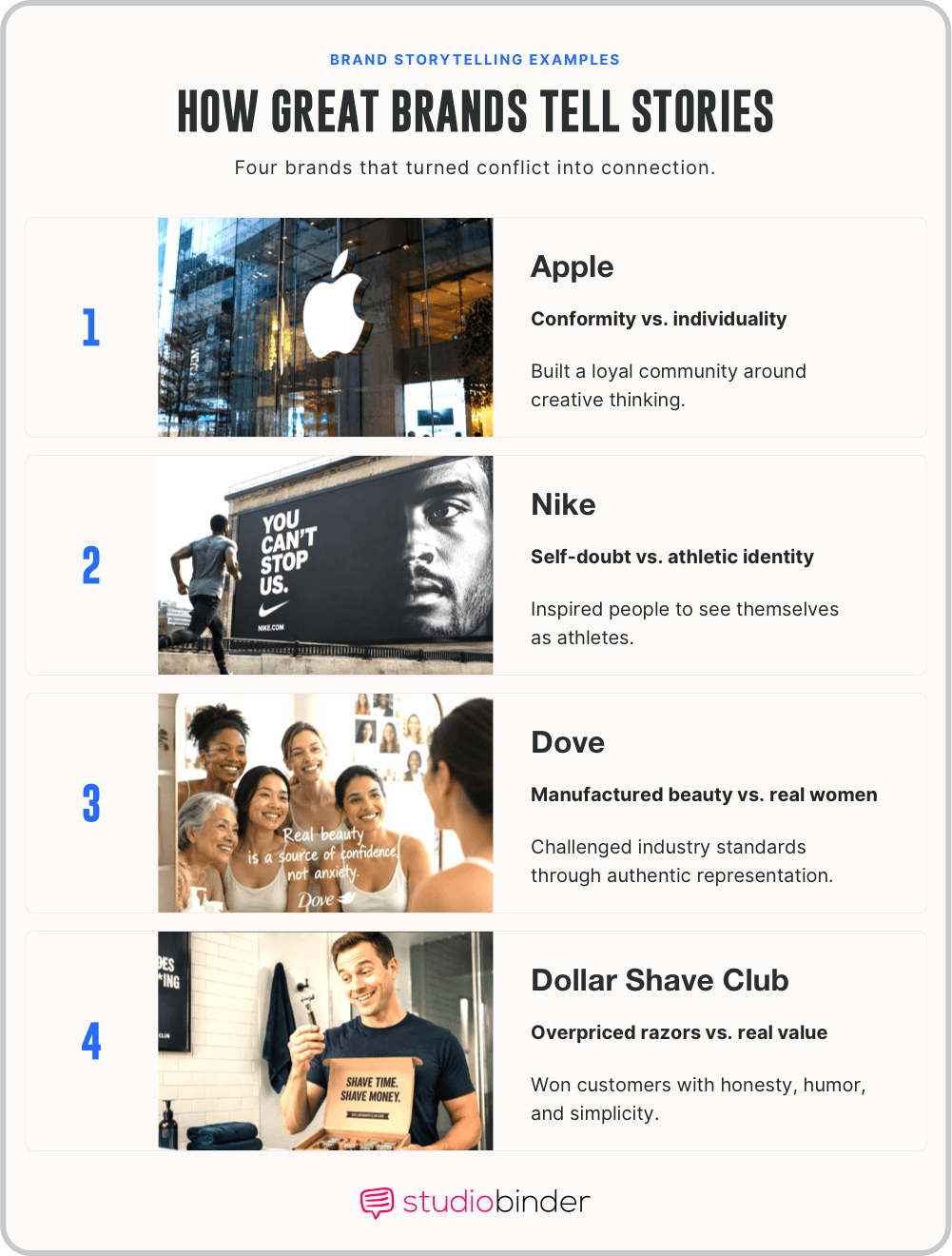
Examples of Brands Turning Conflict into Connection • Brand storytelling
Nike — The Athlete As Hero
‘Just Do It’ positions every person who moves their body as an athlete. Those three words contain an entire brand philosophy. It’s their brand identity and legacy. Nike isn’t just for professionals. Nike is never the hero of its own campaigns, the customer always is.
From Michael Jordan to someone training for their first 5K, the brand story still holds true nearly forty years later. What Nike risked was removing the product almost entirely from the frame. What they built in return though, was a brand that functions like a belief system.
Most Famous Nike Commercials • Brand storytelling
Dove — Redefining Beauty
Dove’s ‘Real Beauty’ worked because it named the conflict. The beauty industry as a whole had been telling women they weren’t enough for decades. Dove looked at that landscape and they chose the opposite. They showed real people, real reactions, and real outcomes. Their brand story became a cultural conversation that outlasted any single campaign.
What Dove risked by going against the grain was rejecting the industry playbook. The brand narrative they built instead has held for over twenty years. Why? Because the position they took is consistent. That’s the real story that created a movement, not just a campaign.

Beauty on your own terms • Brand storytelling
Patagonia — Mission As Story
Patagonia doesn’t run brand storytelling campaigns. Patagonia’s entire brand IS its story. Environmental activism isn’t a marketing angle. It's not a campaign, it’s embedded in product decisions, supply chain, and founder origin.
The ‘Don’t Buy This Jacket’ ad is the canonical example of brand story through action. It's the purest form of placing values over short-term revenue. Most brands wouldn’t dream of publishing this. Patagonia did because the brand story they communicate and the way they operate behind the scenes are the same thing. That alignment is the whole point.

Unfashionable • Brand storytelling
Apple — Think Different
Their 1997 ‘Think Different’ campaign didn’t mention the product once. It aligned Apple with rebels and visionaries. And it did this at a moment when the company needed to completely reframe its brand identity.
The audience wasn’t just being sold another boring computer. They were being invited to a tribe. What Apple understood is that the most powerful brand stories aren’t about what you make. They’re about who you’re for. It’s identity-level storytelling at its crystal clearest. Their identity still holds true.
Think Different • Brand storytelling
Dollar Shave Club — Founder As Character
Mike Dubin had a $12,000 budget and a genuine point of view. The Dollar Shave Club launch video turned a founder into a character. It turned a commodity product into a story about challenging an entire industry. One that had stopped earning its cost.
The conviction felt in the video was real because the frustration under the surface was real. Four years later, Unilever acquired the company for $615 million. Dollar Shave Club is still one of the most cited brand storytelling examples in all of marketing. And it all started with one person being willing to say what they actually thought in front of a camera.
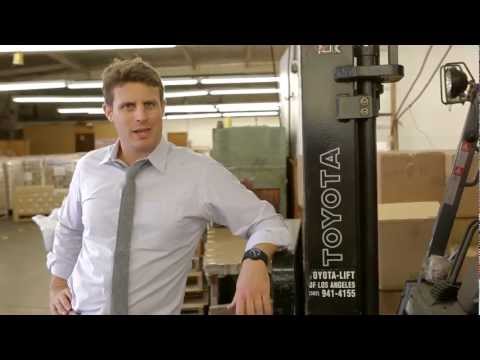
Our Blades Are F *** ing Great • Brand storytelling
The brands above share a defining trait: each found a specific, honest conflict and let that drive the story. Here's how they break down side by side.
Brand | Core Conflict | Story Format | Result |
|---|---|---|---|
Apple | Conformity vs. individuality | Manifesto TV spot | Cult loyalty and premium pricing power |
Nike | Self-doubt vs. athletic identity | Athlete-focused narratives | Emotional ownership — "I am an athlete" |
Dove | Manufactured beauty standards vs. real women | Documentary-style video | 800%+ sales growth in the first decade |
Dollar Shave Club | Overpriced razors vs. straightforward value | Founder-led comedy video | 12,000 orders in the first 48 hours |
Patagonia | Consumerism vs. environmental responsibility | Mission-driven activism | Built one of the world's most trusted outdoor brands |
Brand storytelling at this level is less about production budget and more about the clarity of the conflict. Dollar Shave Club had a phone-camera setup. The story was the differentiator.
Related Posts
Storytelling Strategy
How to build a brand storytelling strategy
A strong brand storytelling strategy doesn't need to be complicated. It just needs to be honest. These four steps prove it.
1. Define your brand’s core conflict
What problem or tension does your brand exist to resolve? We’re not talking about product features. Product features are boring. We mean the real problem underneath it all that your product can resolve. Write it down in one sentence. If you can’t, that’s the first thing that needs fixing. Nike’s emotional, relatable core is just three words. Everything else follows from that line.
2. Identify your audience’s hero’s journey
Where is your audience right now in their journey? What do they really want? What’s standing between them and it? What does their specific success look like to them? Every audience is different. Consider their age, demographic stats. Consider their hopes, dreams and fears.
The more specific your answer, the better the narrative and the more resonant the story. This way, your brand can show up at just the right moment and say all the right things. You can genuinely help.
Let's go further into how to build an unstoppable brand with these ideas in mind:

Build an Unstoppable Brand • Brand storytelling
3. Choose your format
Format follows audience and channel. Video is still number-one. Video is the highest-impact format for emotional storytelling but requires more production investment. Beyond video, brand story lives in written origin pieces, case studies, lookbooks, social media content, and audio. The format itself matters less than the frequent consistency of story across all of them. Pick the formats your specific audience actually uses and go deep.
4. Plan your production
A brand story can start to lose focus on set because there was no detailed brief, no specific shot list, no storyboard, no shooting schedule. The script might get improvised. Footage can go missing.
The edit tries to rescue something that should have been solved in pre-production. Professional film productions solve this with one document every crew member reads before the shoot day starts: the call sheet.
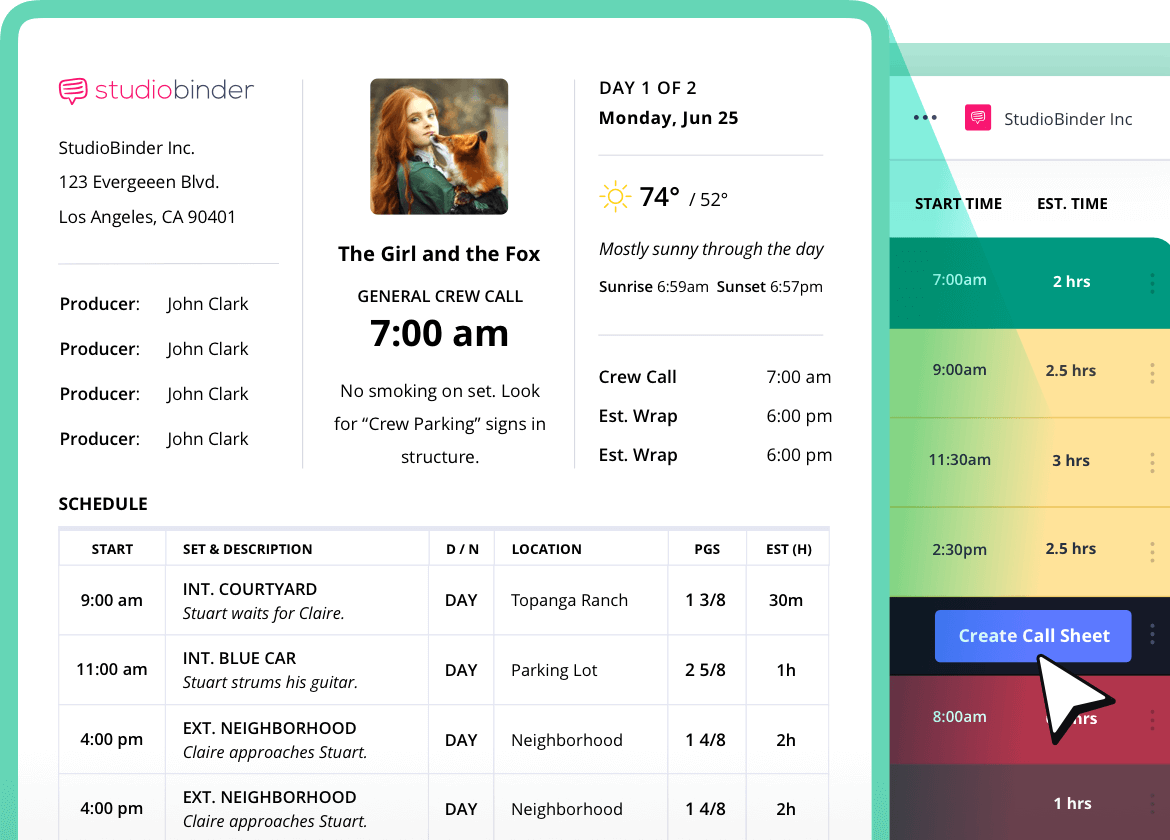
StudioBinder's call sheet software comes with an entire production management suite. This way your script, shot list, storyboard and shooting schedule can be edited together.
Create a brand video schedule • StudioBinder's Free Call Sheet Creator
Shooting schedules can be automatically updated as changes are made to your shot lists or any other tools. It's all essential to making sure your entire pre-production workflow is aligned for you and your team.
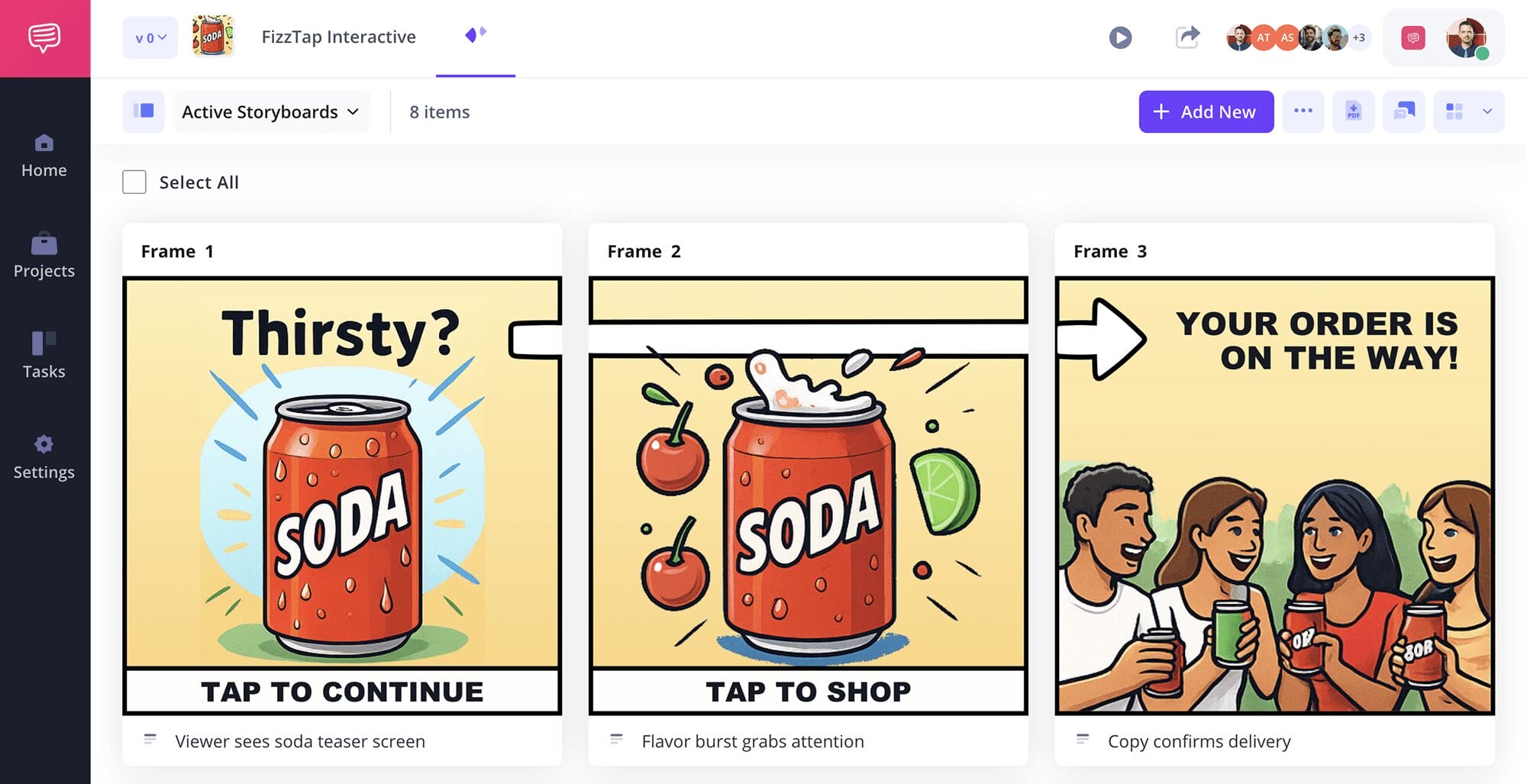
Storyboard • Brand storytelling
StudioBinder gives brand teams the same pre-production tools that film productions use. Built for the pace of marketing.
Related Posts
Video Storytelling
Brand storytelling through video
Video is the most emotionally immediate storytelling format. It combines image, sound, performance, and pacing in ways no other medium can. When storytelling in marketing works right, it doesn't feel like content. It feels like something that happened to you.
Brand video falls short more often than it should, and usually for the same preventable reasons. The story drifts before the first shot. Footage gaps show up in the edit that can't be fixed. The final product delivers less than what was envisioned. The fix is treating brand video with the same discipline as a film production. That starts before anyone picks up a camera.
Map every shot before you shoot with StudioBinder's Shot List Creator. A shot list accounts for every scene and every setup. When a brand story loses continuity in the edit, it traces back to shots that were never planned. Solve visual problems on paper, not on set.
Visually plan your video production effortlessly • StudioBinder's Free Shot List Creator
A storyboard lets you see the story before it's shot. Layout, framing, transitions — all locked before crew time gets spent. Put every person in the right place at the right time.
Storyboard your brand video • StudioBinder's Free Storyboard Creator
A call sheet eliminates set chaos. Everyone knows where to be. Every shot has a slot. StudioBinder gives brand and video teams the same pre-production tools used in professional film and TV production. Built for the pace of marketing.
Create callsheets for your video production • StudioBinder's Free Call Sheet Creator
All those Nike mini-movies, the Dove campaigns, the Dollar Shave Club launch: none of those were accidental. The emotions felt natural because the production was disciplined enough to capture it all cleanly. That's the gold standard worth building towards.
Getting the production side right is what separates the brand stories that land from the ones that get forgotten.

How Apple and Nike have branded your brain • Brand storytelling
A brand film built with real pre-production discipline looks different from one improvised on set. The story mapped on paper becomes the story captured on camera.
Related Posts
Frequently Asked Questions
Questions about brand storytelling
Brand storytelling is the practice of using narrative, characters, conflict, and resolution to communicate a brand's values and mission. It's unlike traditional advertising. Brand storytelling and branded content put the audience's journey at the center. Not the product. The brand storytelling definition focuses on emotional connection over feature listing.
The four pillars are character, conflict, resolution, and authenticity. Character places the audience as the hero. Conflict names the tension the brand helps resolve. Resolution shows the transformation. Authenticity ensures the brand actually lives the story it tells.
The 5 C's vary by framework. The most common version covers five things. Circumstance, the audience's current situation. Curiosity, the tension that draws them in. Characters, who the story is about. Conversations, the voice and dialogue that make it feel real. Conflict, the obstacle that has to be overcome.
Donald Miller's StoryBrand framework is straightforward. The customer is the character. They have a problem — external, internal, and philosophical. The brand enters as the guide. It offers a plan and a clear call to action. The stakes are simple: follow the plan and succeed. Ignore it and fail. It's a practical brand storytelling framework for any brand trying to get its message straight.
Start by naming your audience's real problem. Not what your product does, but the human tension underneath it. Place the customer as the hero and the brand as the guide. Map the arc: who they are before, what changes, who they become after. Keep the brand out of the spotlight. A documented brand storytelling strategy locks this in so it holds across every format.
Traditional advertising announces features and drives toward an immediate sale. Brand storytelling builds an emotional connection through narrative, character, and conflict. The goal isn't a single conversion. It's a relationship built over time. Brand storytelling in marketing works as a long game. Advertising can complement it, but it can't replace the trust that consistent storytelling builds.
Video is the highest-impact format for brand storytelling because it combines image, sound, and performance. Execution requires pre-production discipline. A written brief, a shot list, a storyboard, and a call sheet are what keep a brand story from falling apart on set. StudioBinder gives brand teams the same pre-production tools film productions use to execute this level of storytelling.
Effective brand storytelling centers the customer's journey, names conflict honestly, and earns its resolution by showing the transformation rather than asserting it. Consistency across formats matters just as much as the quality of any single campaign. The brands that do it best share one trait: the story they tell on camera reflects how the brand actually operates.
Founders can put a real person at the center of the brand story the way Dollar Shave Club did. The production budget matters far less than the clarity of the brand narrative and the honesty of the conflict. A specific, honest brand story told on a small budget will outperform a polished campaign with nothing genuine to say.
A brand narrative is the overarching story that defines what a brand stands for, who it serves, and why it exists. It's the throughline beneath every campaign, piece of content, and product decision. Unlike a tagline, a brand narrative holds the character, conflict, and values that keep the brand's individual stories feeling consistent and intentional.
UP NEXT
What is Branded Content?
Brand storytelling is one of the few things in marketing that compounds. It's a consistent brand story across video, written content, and social. It builds something paid media can't buy. Competitors can't easily copy it either. The brands that get it right don't just win campaigns. They build trust that brings people back. Trust that makes customers tell their friends. Trust that turns an audience into believers. That's the hero's journey. And it's worth every bit of work it takes to get there.

Showcase your vision with elegant shot lists and storyboards.
Create robust and customizable shot lists. Upload images to make storyboards and slideshows.