Two filmmakers can tell the exact same story and create completely different emotional experiences. They do this simply by changing how the story is told. That difference comes down to narrative techniques.
Narrative techniques are the methods storytellers use to control how a story unfolds. They control what the audience knows and when they know it. They shape what the audience sees, when they see it, and how they interpret it. In other words, narrative techniques sit between story and audience.
They determine how information is delivered, shaping pacing, perspective, and emotional impact. Two stories with identical characters and events can feel entirely different depending on the techniques used.
This narrative techniques definition applies across novels, screenplays, and documentaries. From foreshadowing and flashbacks to the unreliable narrator and more, these choices are not decorative. They are structural. In this guide, we’ll break down a list of narrative techniques with examples from film and video production.
Narrative devices definition
What are narrative techniques?
Narrative techniques are methods used to tell a story. They control order, perspective, and timing — how information is revealed, in what order events unfold, through whose perspective the audience experiences them, and which structural devices shape the narrative.
In other words, they control how a story is told, not what happens.
If you're asking what narrative techniques are in practical terms, they are the decisions that control the audience's experience moment by moment. Across film and writing, narrative techniques shape narrative pacing, tension, and audience alignment.
They determine what the audience knows, when they know it, and how that knowledge shapes their experience. They influence:
- Pacing
- Tension
- Emotional impact
- Where attention lands at any given moment
This is why narrative techniques are central to narrative structure. They are the tools that determine how that structure is experienced.
Narrative techniques example: A story told through a flashback reveals information after the fact. The same story told through a non-linear plot reshapes time entirely.
The events may be identical, but the experience is completely different.
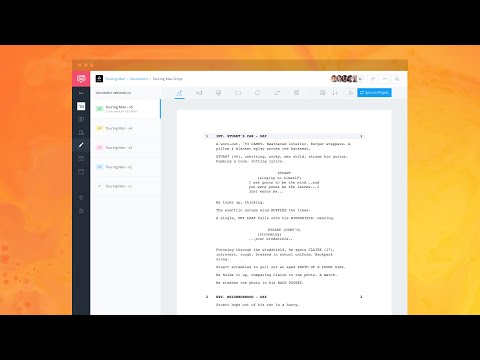
The best way to test out narrative techniques in your script is with a well-structured outline to guide your path. With StudioBinder's Scriptwriting Software, your outline and script all live in one place.
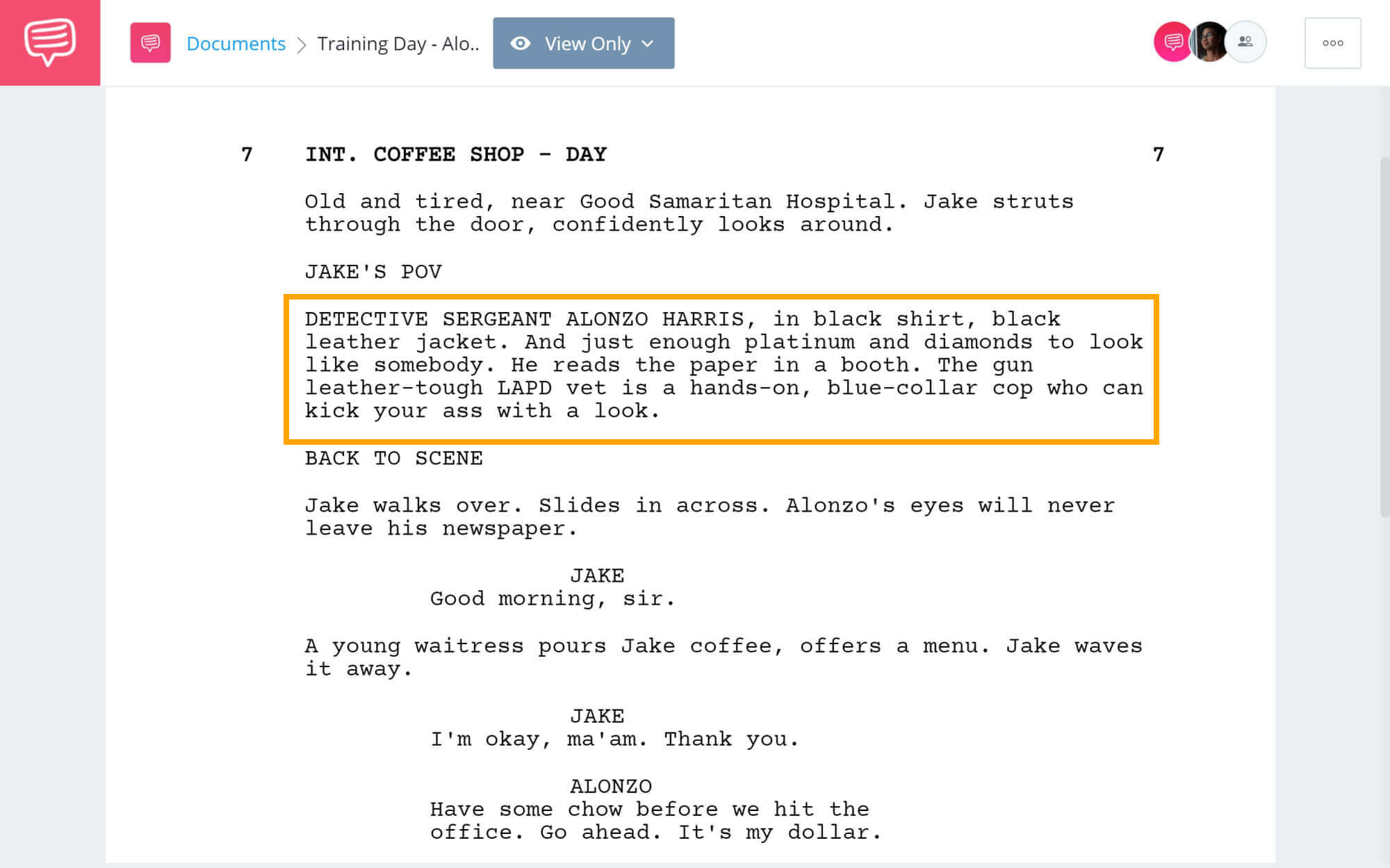
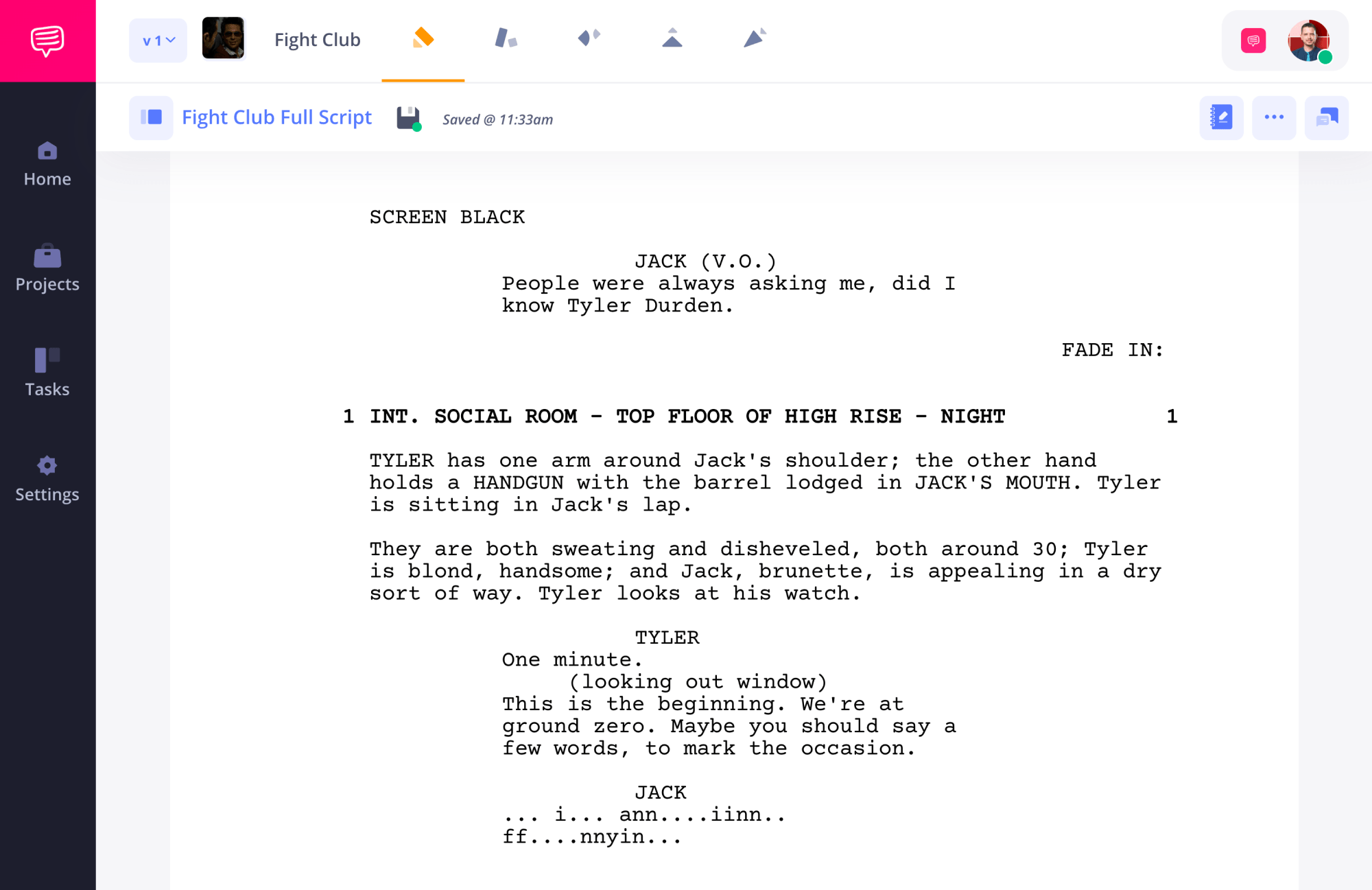
Sample screenplay • StudioBinder's Free Screenplay Software
This way, you're not fumbling between script and outline documents, you're just letting your creative structure guide your way smoothly.
Trusted by Over 1M Creatives
Screenwriting from draft to set
Write, format, and share your script. Ready for production when you are.

Elements vs techniques breakdown
Narrative techniques vs. narrative elements
To understand narrative techniques, you need to separate them from narrative elements. Narrative elements are what a story is made of: plot, character, conflict, theme, setting, point of view, and tone.
Take a look at the graphic below to learn the fundamental differences between elements and narrative techniques:
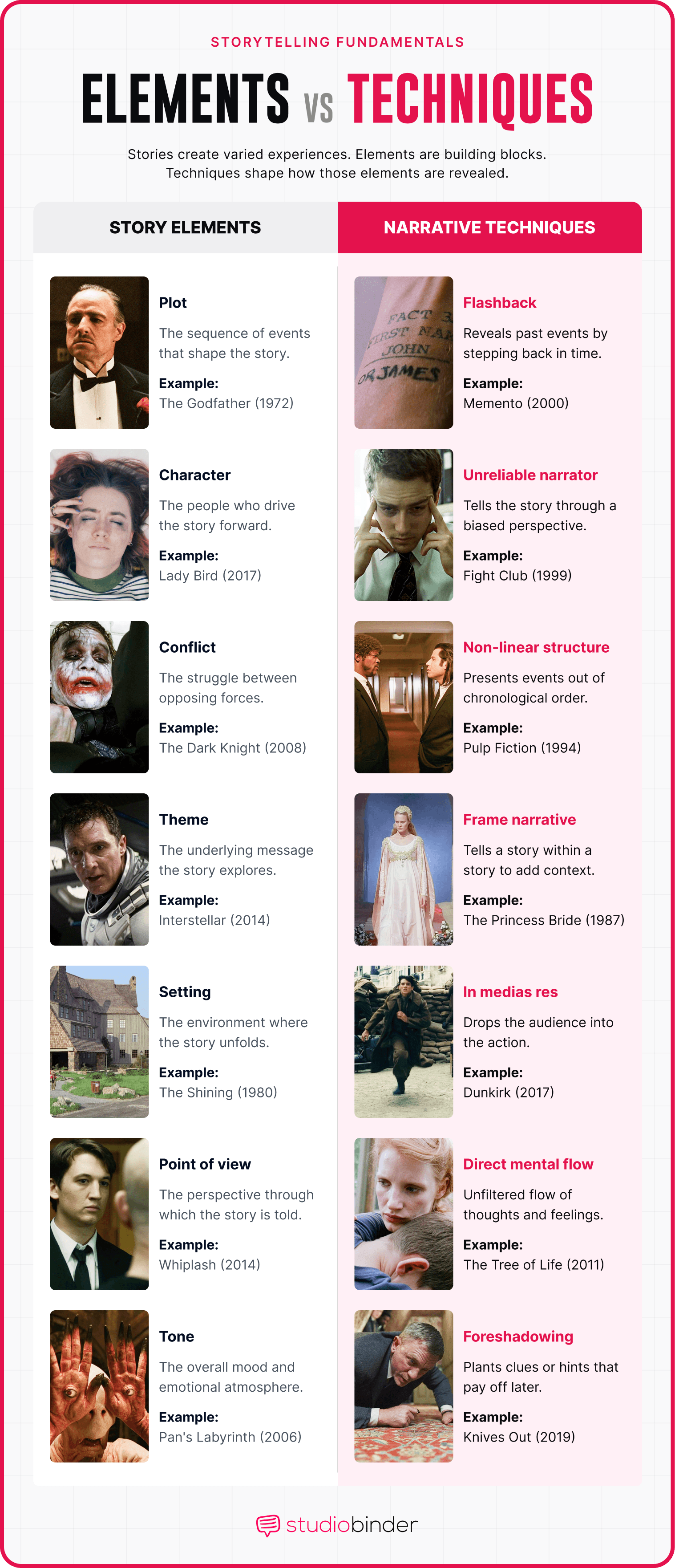
Elements vs Techniques Breakdown • Narrative Techniques
Narrative techniques are how those elements are presented. They shape timing, perspective, and how that material is delivered.
A simple way to think about it: elements are the ingredients, techniques are the cooking methods. A flashback is a technique. The events inside that flashback are part of the plot. The same ingredients can produce entirely different results depending on how they are prepared.
Understanding the distinction is key. If narrative elements define what the story is about, narrative techniques define how the audience experiences it.
Related Posts
Storytelling techniques examples
8 examples of common narrative techniques
These eight narrative techniques appear across both written and visual storytelling. Most stories rely on several at once. The difference between effective and ineffective storytelling is not whether you use these techniques, but how precisely you use them.
Here's a quick overview before we go deeper:
Technique | What it does | Key example |
|---|---|---|
Flashback / Flash-forward | Moves timeline backward or forward to control information | Memento |
In medias res | Drops the audience into the middle of the action | Mad Max: Fury Road |
Foreshadowing | Plants early information that pays off later | Get Out |
Unreliable narrator | Creates a gap between what we're told and what's true | Gone Girl |
Non-linear structure | Tells events out of chronological order | Pulp Fiction |
Frame narrative | A story within a story — outer context shapes inner meaning | The Princess Bride |
Stream of consciousness | Follows unfiltered internal thought in real time | The Tree of Life |
Red herring | Misleads the audience to delay the truth | Knives Out |
1. Flashback and flash-forward
A flashback is our first type of narrative technique. It interrupts the present to show a past event. A flash-forward jumps ahead to reveal a future moment. Both techniques manipulate time to control information.
A flashback is one of the most common narrative techniques because it lets storytellers control when the audience receives key information. Rather than presenting events in strict chronological order, it introduces context at the moment it becomes most meaningful.
In literature, authors like F. Scott Fitzgerald use flashbacks to layer memory into the present. In film, Memento builds its entire structure around reverse chronology, effectively turning the narrative into a sequence of revelations. Watch how the trailer mirrors the film's structure, presenting fragments of scenes out of order:
Memento Official Trailer • Narrative Techniques
Memento uses reverse chronology as a narrative technique — each scene is a flashback from the next, placing the audience in the same disoriented position as the protagonist. This is one of the most precise examples of flashback structure used as a storytelling device.
In brand video, this appears as a "before and after" structure: cutting from present results back to the earlier problem. A testimonial might begin in the present, then cut back to show the original challenge.
A strong flashback doesn't feel like a detour. It feels like a reveal. Use it when the audience needs delayed information, a character's past explains behavior, or the story benefits from contrast.
2. In medias res
In medias res means starting in the middle of the action. You drop the audience into a high-stakes moment before any setup.
In literature, The Iliad begins mid-conflict. In film, Mad Max: Fury Road and Breaking Bad both use this approach to hook the audience immediately. Mad Max: Fury Road, directed by George Miller, throws the audience directly into a high-speed pursuit with minimal exposition. World, stakes, and character are revealed through action rather than setup:![Mad Max: Fury Road - Official Main Trailer [HD]](https://i.ytimg.com/vi/hEJnMQG9ev8/hqdefault.jpg)
Mad Max: Fury Road Official Main Trailer • Narrative Techniques
In medias res as a narrative technique: the trailer opens mid-pursuit, building context through momentum rather than introduction. Notice how character and world are established through action alone. It's a narrative hook in a sense.
It works because the audience has to catch up. That creates instant engagement. In branded content, the equivalent is opening on the problem rather than the introduction. In medias res prioritizes momentum, placing the audience inside the story before they fully understand it.
3. Foreshadowing
Foreshadowing plants information early that gains meaning later. Done well, it creates cohesion — the story feels inevitable. The audience doesn't register it consciously until the payoff arrives.
In literature, foreshadowing often appears through dialogue or allusion. In film, it becomes visual. A prop, a framing choice, or a line of dialogue can function as foreshadowing without drawing attention to itself.
Get Out, written and directed by Jordan Peele, layers subtle clues throughout its narrative — many only register fully in hindsight: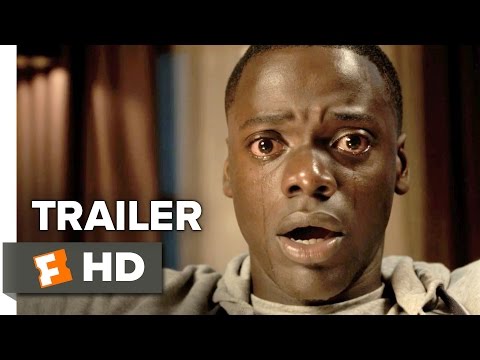
Get Out Official Trailer • Narrative Techniques
The example of foreshadowing in Get Out operates beneath the surface — small details hint at something deeper without revealing the full picture. Jordan Peele uses this narrative technique to create a sense of dread that builds long before it resolves.
Jaws, directed by Steven Spielberg, is a film built on restraint. The threat is established long before it is seen: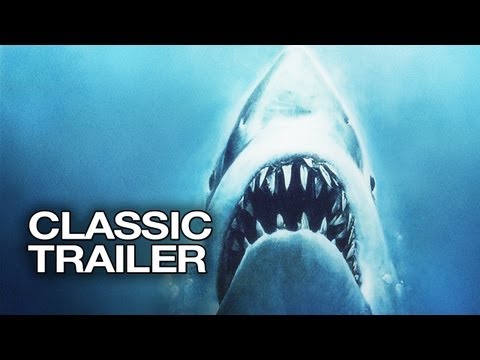
Jaws Official Trailer • Narrative Techniques
Foreshadowing through tone and suggestion: Spielberg uses sound design and visual restraint to signal danger before the shark appears. This is foreshadowing working at the level of film atmosphere rather than dialogue.
Heavy-handed foreshadowing feels like a hint. Skilled foreshadowing feels like inevitability.
4. Unreliable narrator
An unreliable narrator gives us a version of events that can't be fully trusted — due to bias, self-deception, or deliberate lying. The unreliable narrator is one of the most powerful techniques because it creates a gap between what the audience is told and what actually happened. That gap is where the story operates.
Gone Girl, directed by David Fincher and based on Gillian Flynn's novel, builds its narrative around conflicting perspectives and shifting truth:![Gone Girl | Official Trailer [HD] | 20th Century FOX](https://i.ytimg.com/vi/2-_-1nJf8Vg/hqdefault.jpg)
Gone Girl Official Trailer • Narrative Techniques
The Gone Girl script uses the unreliable narrator as a structural device — the audience's trust in the storytelling perspective is the very thing the film manipulates. Two narrators, two versions, one truth withheld.
The Usual Suspects, directed by Bryan Singer, is structured around a single account of events that may not be what it seems: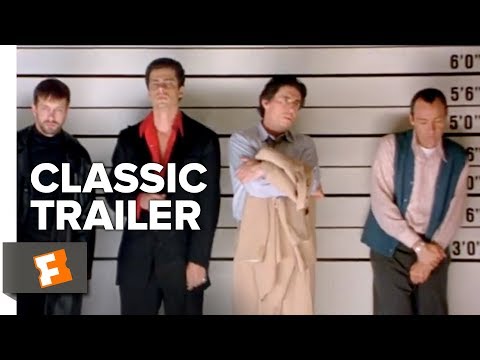
The Usual Suspects Official Trailer • Narrative Techniques, person narrator
A single narrator controls everything the audience knows. They're a literary device of audience and character emotions. The Usual Suspects is a master class in how the unreliable narrator technique can be used to reframe an entire story in its final moments.
Akira Kurosawa's Rashomon presents the same event from multiple characters conflicting perspectives, making it a foundational example of subjective narrative technique in film:![Rashômon (1950) ORIGINAL TRAILER [HD 1080p]](https://i.ytimg.com/vi/Zqoyl2p8_lw/hqdefault.jpg)
Rashomon Official Trailer • Narrative Techniques
Rashomon introduces the idea that truth depends on who is telling the story — making the audience an active participant in weighing competing accounts rather than a passive recipient of facts.
In documentary, the unreliable narrator emerges more subtly. A subject's own account of events may be incomplete or biased, and the film reveals the discrepancy over time.
5. Non-linear structure
A non-linear narrative tells events out of chronological order. This lets you control when the audience gets key information, building suspense, creating irony, or revealing character through contrast.
Pulp Fiction, directed by Quentin Tarantino, rearranges its timeline to interweave multiple storylines in unexpected ways: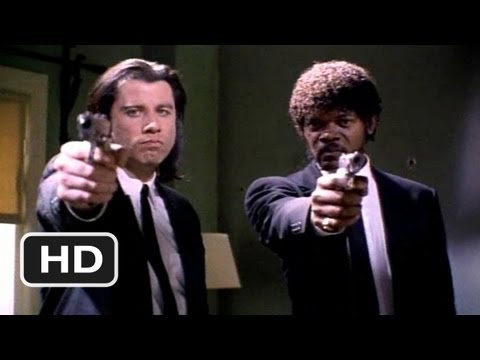
Pulp Fiction Trailer • Narrative Techniques
Non-linear narrative as structural choice: Pulp Fiction fragments its timeline not for confusion but for connection. Events are sequenced to maximize thematic resonance rather than chronological logic.
Dunkirk, directed by Christopher Nolan, tells a single event across three timelines that unfold at different speeds:![Dunkirk - Trailer 1 [HD]](https://i.ytimg.com/vi/F-eMt3SrfFU/hqdefault.jpg)
Dunkirk Official Trailer • Narrative Techniques
Dunkirk uses non-linear narrative structure to build tension through convergence - three timelines moving at different speeds, eventually meeting at the same moment. The technique creates suspense by controlling what each timeline knows at each point.
In documentary and brand storytelling, non-linear narrative often appears as cutting between past struggle and present outcome. The contrast between timelines creates meaning.
Related Posts
6. Frame narrative
A frame narrative is a story within a story. An outer narrative contains and contextualizes the inner one, adding perspective and shaping interpretation. It allows the storyteller to comment on the story itself or provide additional context.
The Princess Bride, directed by Rob Reiner, uses a grandfather reading to his grandson as the framing device:
The Princess Bride Trailer • Narrative Techniques
The frame narrative in The Princess Bride positions the main story as something being told - not just experienced. The grandfather's voice creates emotional distance and warmth simultaneously, which is exactly what the frame narrative technique is designed to do.
Titanic, directed by James Cameron, frames its central story through an older Rose recounting her past: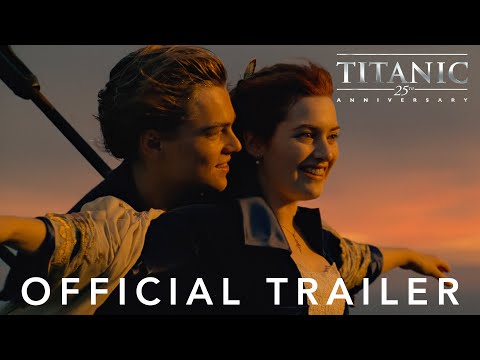
Titanic Official Trailer • Narrative Techniques
Frame narrative in Titanic: the present-day Rose anchors the entire film as an act of memory. Her perspective as narrator shapes how the audience receives every scene — as something survived rather than something happening now.
In documentary, interviews often act as the frame. Subjects recount past events from a present perspective. In brand films, a present-day testimonial can frame reenactments of the original problem.
7. Stream of consciousness
Stream of consciousness follows a character's unfiltered thoughts in real time. The result is a subjective experience — the audience stays inside the narrator's mind. It is often associative, fragmentary, and non-linear.
It is more common in literature — writers like James Joyce and Virginia Woolf are the standard references — but it has strong screen equivalents. In film, stream of consciousness shows up through voice over, fragmented editing, and subjective sequences. Films like The Tree of Life and Eternal Sunshine of the Spotless Mind use these techniques to represent internal thought.
Directed by Terrence Malick, The Tree of Life uses impressionistic imagery and fragmented memory to explore internal experience:
The Tree of Life Official Trailer • Narrative Techniques
Stream of consciousness in film: The Tree of Life moves through associative images rather than plot. The narrative technique here is the structure itself — meaning emerges from juxtaposition, not sequence.
Eternal Sunshine of the Spotless Mind, written by Charlie Kaufman and directed by Michel Gondry, blends memory and reality through fragmented structure:
Eternal Sunshine of the Spotless Mind Trailer • Narrative Techniques
Eternal Sunshine uses stream of consciousness structure to represent the deterioration of memory in real time. The audience experiences the loss as it happens — not as a story about loss told after the fact.
8. Red herring
A red herring misleads the audience. It directs attention away from the truth. This technique is common in mystery and thriller stories — it creates false conclusions and delays understanding.
In Knives Out, early suspicion falls on Marta. She believes she caused Harlan's death. The audience follows her perspective, which makes her seem responsible. The story reinforces this belief with evidence. It feels logical and convincing. This is a strong red herring — it redirects attention without feeling forced: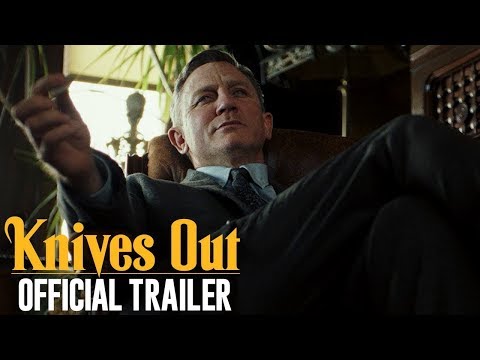
Knives Out Official Trailer • Narrative Techniques
The red herring in Knives Out is structural rather than incidental — the entire first act is built to support a false conclusion. It uses audience expectations around the genre itself as part of the misdirection.
A red herring should be used carefully. If it feels unfair — if the misdirection withholds information the audience needed — it breaks trust.
Trusted by Over 1M Creatives
Screenwriting from draft to set
Write, format, and share your script. Ready for production when you are.
Cinematic storytelling methods
Narrative techniques in video and film production
All of these narrative techniques originate in writing. But in film, they're executed through visuals and sound. The core ideas remain the same — the tools change.
How techniques translate from page to screen
- Flashback: prose uses tense shifts. Film uses cut and color grade
- In medias res: prose drops mid-scene. Film drops mid-action
- Unreliable narrator: prose controls info. Film controls what we see
- Non-linear narrative: prose uses structure. Film uses the edit
Same technique. Different tools.
Narrative techniques begin on the page. A script structured with in medias res or a non-linear timeline requires everyone downstream — the film director, editor, and cast — to understand the technique.
As you're planning your narrative techniques, like a flashback sequence, you can use StudioBinder's Task Board to visualize your entire story and key beats.
3-act structure narrative example • Try StudioBinder's Free Task Board for Writing
From that point, you can begin writing your screenplay with a clearer idea of how your story should be structured.
Non-linear editing as a narrative technique
Editing software like Adobe Premiere Pro, Avid Media Composer, or DaVinci Resolve makes non-linear storytelling practical. But a non-linear narrative is not a technical decision. It's a storytelling one.
It works when knowing the ending changes the meaning, when timeline contrast reveals character, or when structure itself creates tension. Dunkirk is the clearest example. Three timelines converge into a single emotional climax.
When you're planning a non-linear film, a shot list and storyboard become even more important — they help the production team track which timeline each scene belongs to before the camera rolls.
StudioBinder's Storyboard Software allows you to pull up your script right alongside your storyboard so you can visualize your narrative techniques throughout pre-production.
Visualize your narrative techniques • StudioBinder's Free Storyboard Software
In Goodfellas, voiceover is central to the storytelling. Henry Hill speaks directly to the audience throughout. His narration gives insight into his mindset and values, creating contrast between what is said and what is shown. The audience is invited to judge his perspective rather than accept it:
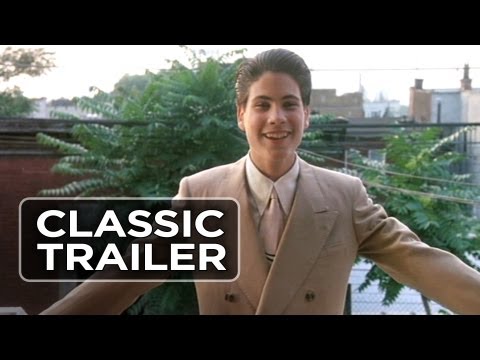
Goodfellas - Henry Hill narration scene • Narrative Techniques
Voiceover as narrative technique: Henry Hill's narration adds character and tone, building artistic rhythm alongside the editing. This is voiceover that extends the image — it tells us what the visuals alone cannot.
Compare this to the theatrical cut of Blade Runner, where narration explains details the audience can already see. It removes ambiguity from the visuals and limits the audience's interpretation: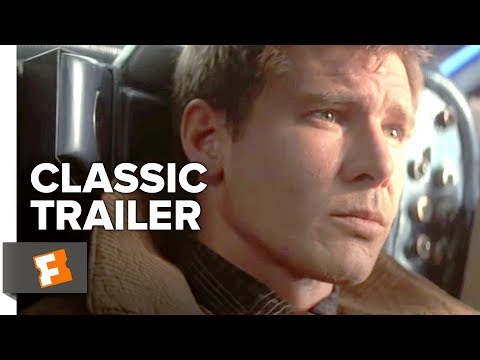
Blade Runner Theatrical Cut Trailer • Narrative Techniques
he theatrical cut voiceover tells the audience what to think instead of letting them interpret. This is the weaker use of voiceover as a narrative technique — it describes rather than extends.
Related Posts
Selecting storytelling strategies
How to choose the right narrative technique
Choosing the right narrative techniques comes down to control, not preference. Whether for feature films or short stories, it is a craft decision based on what you want to convey and how you want to convey it.
For example, you'll need to deeply consider what you want the viewers to know versus what you want to hide. Take a look at the graphic below to learn how you can tell stories by what you show in the frame:
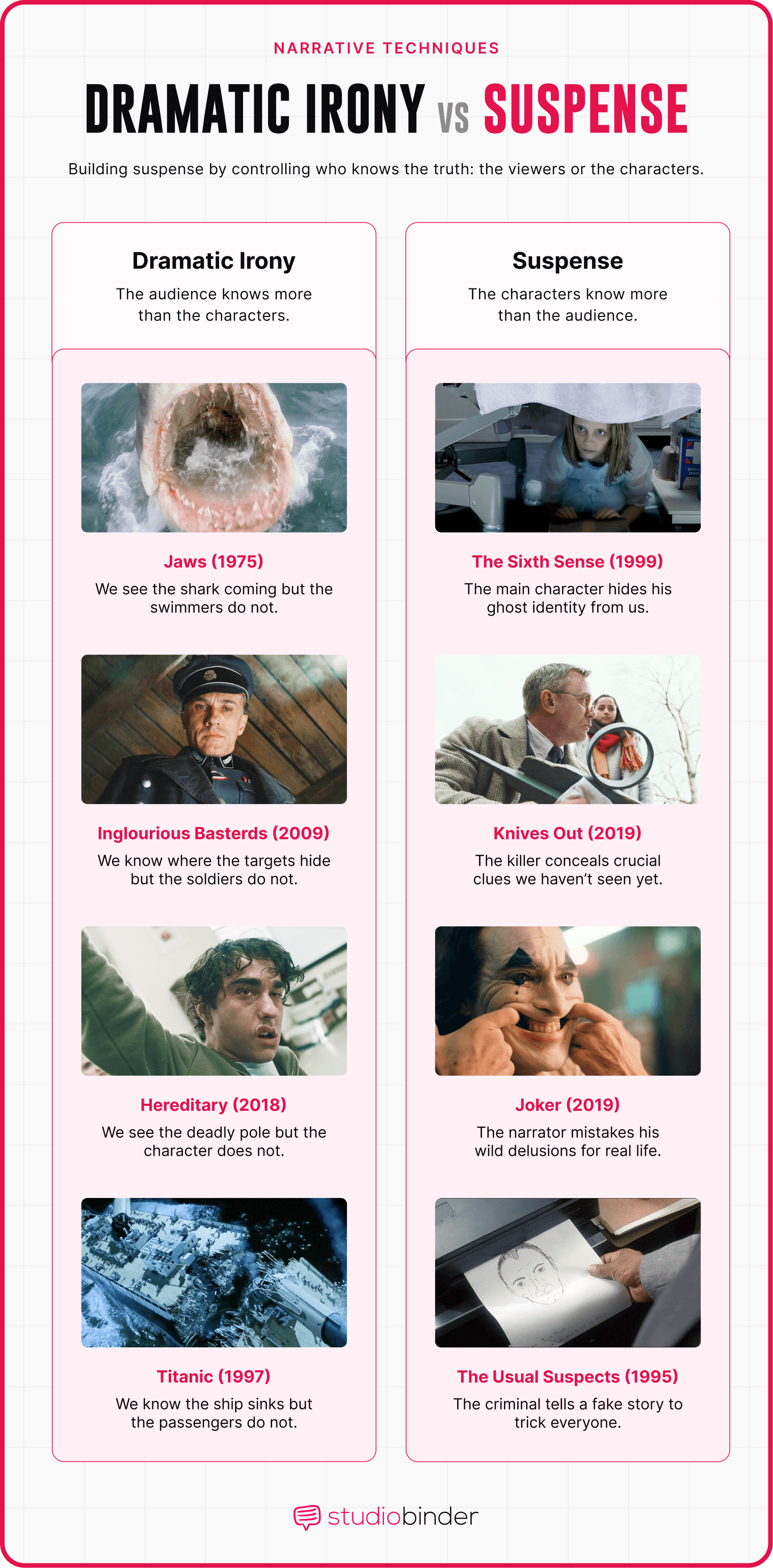
Dramatic Irony vs Suspense • Narrative Techniques
Every story delivers information in a specific order. Narrative techniques determine that order. They decide what the audience understands at each moment. A small structural shift can change meaning entirely — revealing something earlier can reduce tension; revealing it later can increase it.
Think about the audience's position at all times. Are they ahead of the characters or behind them? That gap is where tension lives. Use situational irony when the audience knows more than the characters. Use suspense when the characters know more than the audience.
Ask:
- What should the audience know, and when?
- Whose perspective matters most?
- Whose perspective is most interesting?
- Where does the tension live?
Techniques like foreshadowing and in medias res are not decorative. They determine how tension is distributed across the story. A technique works when it aligns with the meaning. If the technique doesn't serve the story, it becomes visible. And once it's visible, it stops working.
In StudioBinder's Screenwriting Software, you can easily add the exact technique you want to include in the Scene Setting, or the Action line.
Add narrative techniques to your script • Try StudioBinder's Screenwriting Software
That way, as you move from development to pre-production, your entire cast and crew will have a better idea of how the story plays out.
Trusted by Over 1M Creatives
Screenwriting from draft to set
Write, format, and share your script. Ready for production when you are.
Frequently Asked Questions
Here are answers to some common questions about narrative techniques.
Narrative techniques are the methods used to structure and present a story. The most common include flashback and flash-forward, in medias res, foreshadowing, unreliable narrator, non-linear structure, frame narrative, stream of consciousness, and red herring. Most stories use several of these techniques simultaneously, each controlling a different aspect of how the story reaches the audience.
Through the tools of their medium. Editing creates flashbacks and non-linear structure. Camera placement controls what the audience sees and from whose perspective. Lighting and cinematography carry tone and foreshadowing. Voiceover and narration create the unreliable narrator. The technique is the same as in writing — the execution is visual and auditory.
Narrative elements are the components a story is built from: plot, character, conflict, theme, setting, point of view, and tone. Narrative techniques are the methods used to present and arrange those components. A flashback is a technique; the events shown in that flashback are plot — a narrative element. Elements define what the story contains. Techniques define how the audience experiences it.
Documentaries use narrative techniques to shape real events and guide how information is presented. Common approaches include interview-as-narrator (the subject tells their own story in present tense while past events unfold), non-linear structure (cutting between timelines to create irony or contrast), foreshadowing through early details that pay off in a later act, and frame narrative (an outer story contextualizing the inner one).
A flashback is a single technique that moves temporarily to a past event before returning to the present timeline. A non-linear narrative is a structural approach that rearranges the entire story — the timeline itself is disrupted throughout. A film can use a single flashback and still be otherwise chronological. Non-linear narrative means the sequencing of events is a deliberate storytelling choice from start to finish, as in Pulp Fiction or Memento.
Yes. The most common failure is using a technique for effect rather than meaning. An unreliable narrator who withholds information without a satisfying payoff feels like a trick. Non-linear structure that has no thematic reason to rearrange time creates confusion rather than tension. Each technique works only when it serves the story. If you can remove it and the story improves, the technique was overdone — it was decorating the story rather than shaping it.
UP NEXT
Mastering Character-Driven Narrative Structure
Narrative techniques are tools for controlling how a story is told. They shape what the audience knows and when they know it. But they operate within a larger system — the framework that holds them in place is narrative structure. Understanding structure shows how techniques work together and why certain choices create tension, clarity, or impact.