One of the best ways to draw out creativity from an artist is to limit them. Perhaps this is why some of the best photographers like Ansel Adams, Diane Arbus, and Platon are known for shooting in black and white. A lack of color creates an emphasis on other visual elements that make black and white photography so compelling. Here's a list of black and white photography tips and techniques that will spark the creative eye in any photographer. Continue reading 9 Black and White Photography Tips and Techniques Explained
You can often tell when you’re watching an A24 film before the logo appears onscreen. Not because every film looks identical, but because many of them share the same visual instincts. Whether it’s the intimacy of Moonlight, the domestic dread of Hereditary, or the endless sunlit nightmare of Midsommar, the cinematography tends to lean into emotion. The images used rarely feel “lit” in the traditional Hollywood sense. Rooms glow from practical lamps. Faces are covered by shadow. Handheld movement is attached to breath and body rather than action choreography. Even when the visuals become surreal, they usually stay emotionally grounded.…
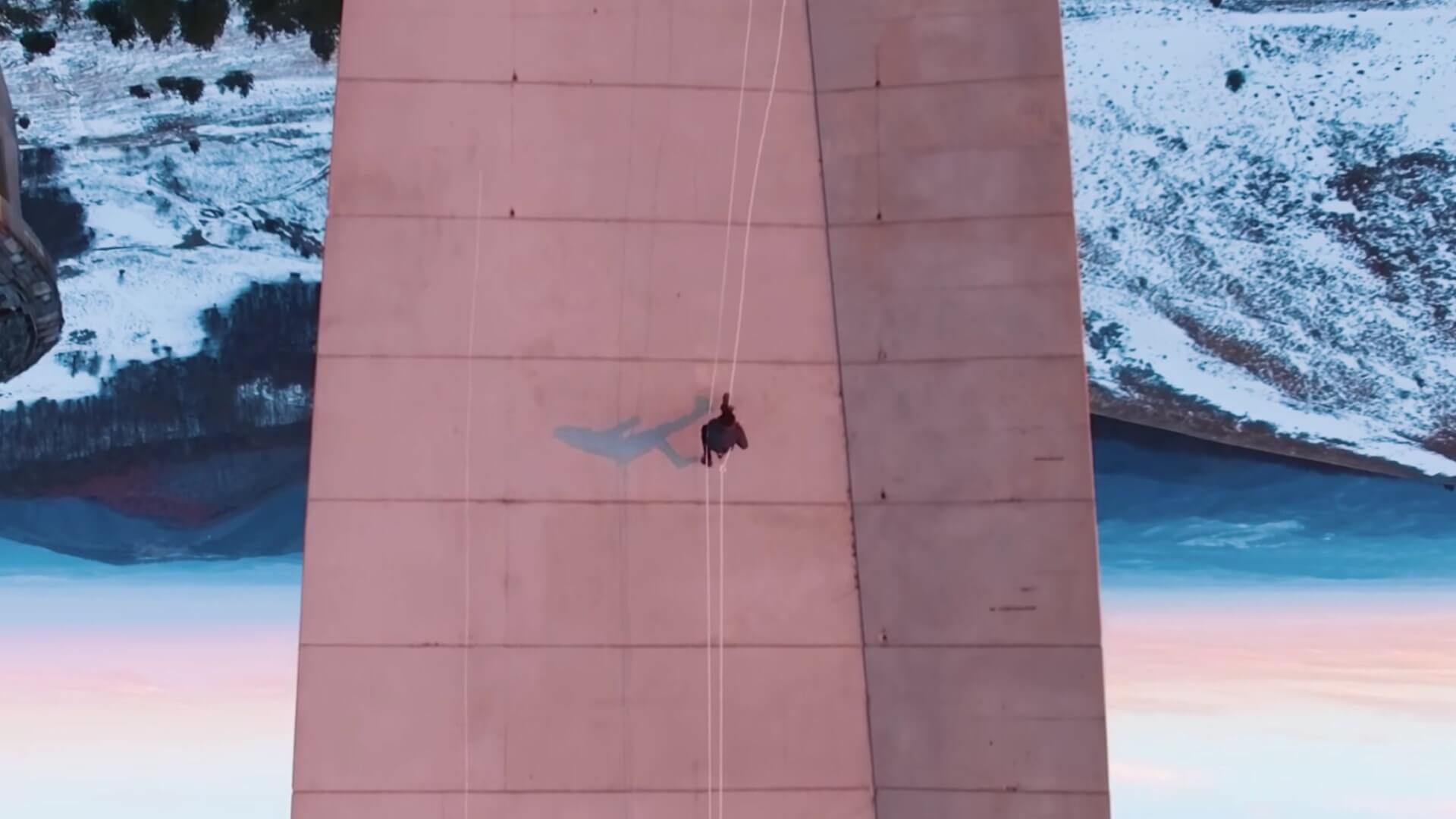
The internet is chock full of video content. The challenge remains: how can YOU create content that will cut through all the noise? The best drone footage is how. Imagine if I told you about a way your content could literally SOAR above all the rest with one easy to find tool? That tool? The drone, of course! Let's find out why. Continue reading The Most Epic Drone Shots | Best Drone Footage of 2026
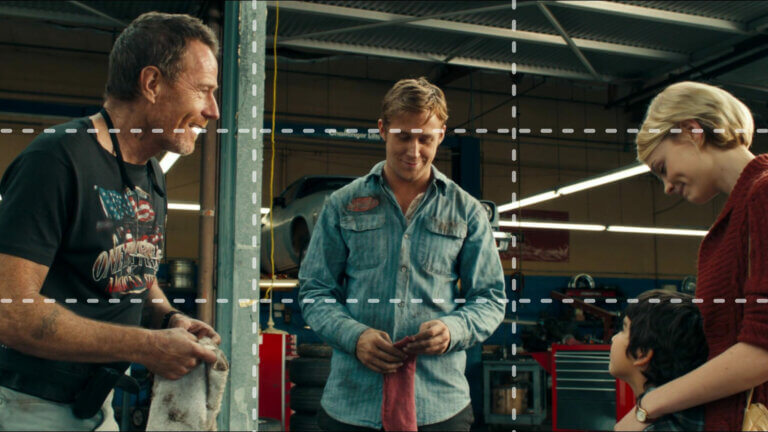
Telling a story isn’t enough. You have to grab your audience by the eyeballs. Whether you’re a seasoned director or just learning what framing in film is, the way we see things is just as important as the things themselves. In his video essay on Drive, Tony Zhou uncovers 4 simple rules of composition that can make your shots out-of-the-box. Continue reading Rules of Composition in Film | How to Show Deeper Meaning
Director Alfonso Cuarón once said, “I’m interested in new worlds, new universes, new challenges.”Continue reading 8 Best Alfonso Cuarón Movies Ranked (2026)
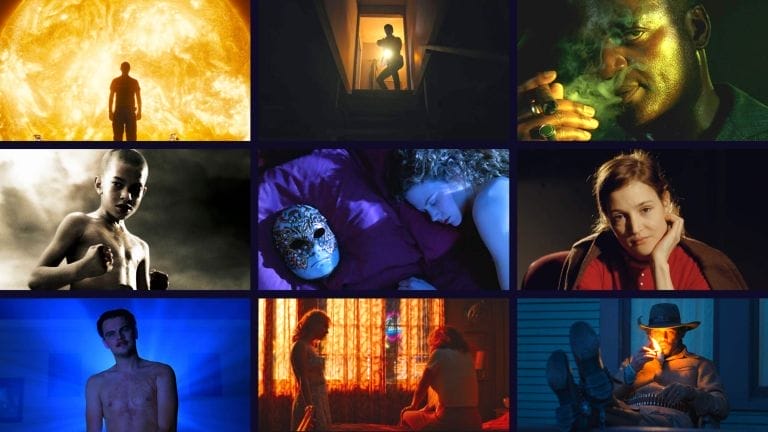
A crucial part of filmmaking lies in preparation during pre-production. Developing an idea of what a film will look and feel like takes some deep thinking. Creating a film lookbook is a great way to compile all of these thoughts into one place for your benefit and the benefit of the entire film crew. In this article, we’ll take a look at the components of a lookbook, some film lookbook examples, and how to make a film lookbook.Continue reading Film Lookbook Examples & How to Make a Lookbook for Film
Do you have a futuristic setting? Are you maybe telling a classic noir style story? Or do you just want some cool lights for your music video? Look no further than neon cinematography, which can make any setting that much cooler–and brighter. In addition to definitions and examples, we will provide a guide for how to make the most of neon film lighting.Continue reading Neon Cinematography: How to Create the Perfect Film Look
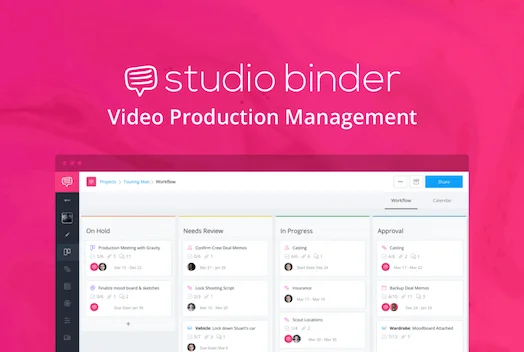
A good shot list maximizes shooting time and limits downtime across all departments. In this post, we lay out the essentials of a shotlist with pro-tips on best practices. We're also going to walk you through StudioBinder's shot list module so you can maximize your productivity. In the end, we've provided a shot list template pdf that you can use outside of StudioBinder. Alright, time to start shot listing! Continue reading The Only Shot List Template You Need — with Free Download
Cinematography techniques are the visual methods filmmakers use to tell a story through images. They include camera placement, shot composition, shot size, focus, lighting, camera movement, and on-set workflow choices that shape how a film looks and feels. If that sounds intimidating, fear not, because today in our beginner’s guide to cinematography techniques, we’re going to look at a bunch of different examples, so that you can see what they look like in action. By the end, you’ll know what the major cinematic shots are, and how to capture them. So load up your film stock, and let’s explore…
A shot list is a detailed document used in filmmaking to outline each shot in a scene, including descriptions, camera angles, movements, and equipment needed. It helps directors and crew stay organized and on schedule during production.