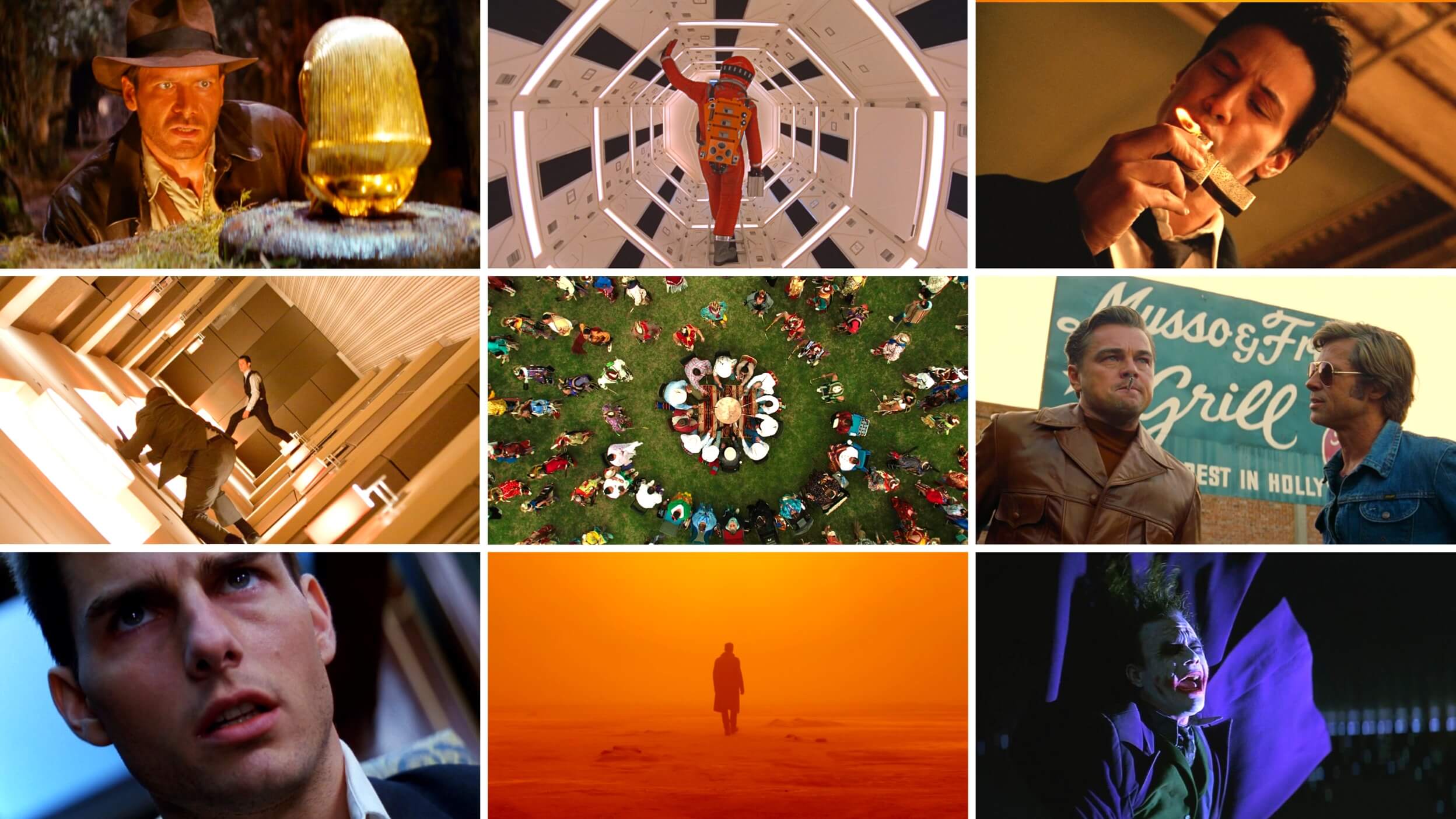
It’s easy to mix up the different types of camera shots and types of angles. To make a shot list, a filmmaker or video creative must know the classic types of shots based on attributes like shot size, shot framing, camera movement, camera mechanisms, and depth of field. We’ll break down all the camera shots, camera angles, and camera techniques that you need to know for your next film or music video. We also include camera shot examples from famous movies to help solidify all the discussed cinematography techniques.
01
Shot Size
Types of Camera Shots Explained
Chapter 01
Shot Size Overview
In this chapter, we will explore the different types of shot sizes, explain when and why to use each one, and explain how they can guide the audience's attention and support the story.
9 minute read
Camera Shot DEFINITION
What is a camera shot?
A camera shot is composed of the series of frames that are shot uninterrupted from the moment the camera starts rolling until it stops. Camera shots are an essential aspect of filmmaking and video productions, because by combining different types of shots, angles and camera movements, the filmmakers are able to emphasize specific emotions, ideas and movement for each scene.
Shot size is the foundation of shot selection.
Camera shot sizes are an important part of visual grammar, but they don't work alone. It is the combination of shot size, camera angle, framing, camera movement, lens choice, focal length, composition, and depth of field that shapes an audience's perception.
Shot choices affect pacing, tone, continuity, spatial relationships, and the emotional distance between the viewer and the subject. In practice, directors and cinematographers choose shots based on story beats, character motivation, and coverage needs for editing. These shots are added to a document called a shot list.
An example shot list created in StudioBinder • Get started for free
When building a shot list, shot sizes are often selected for coverage planning (wide → medium → close-up), ensuring editors can cut cleanly for continuity editing while preserving performance, blocking, and scene geography.
Below you'll find a shot size cheatsheet to see exactly how different shot sizes will look on screen, and how to differentiate them.
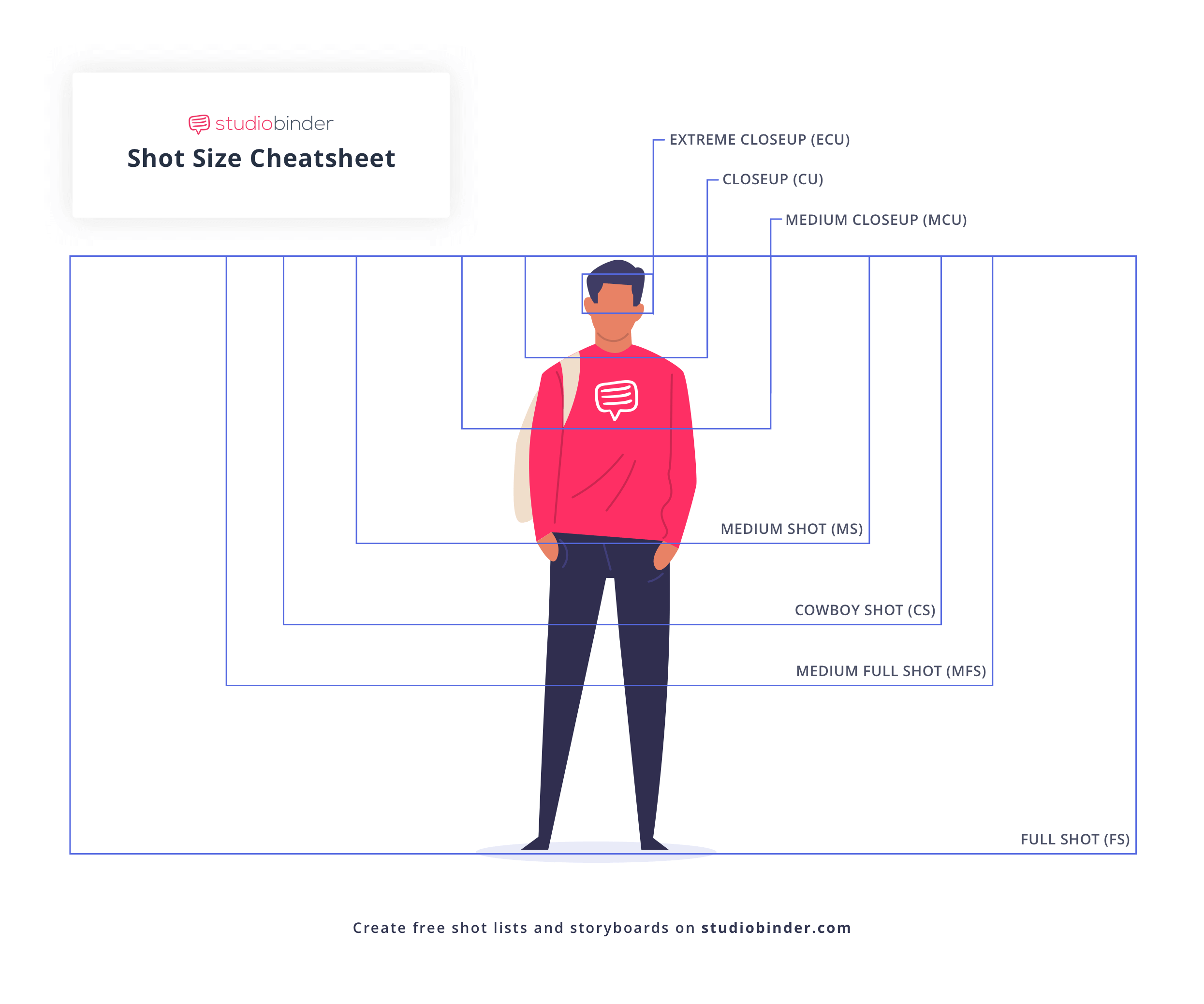
Camera Techniques in Film - Types of camera shots by size
Each shot size has a unique purpose, and understanding the fundamentals begins with intention.
Watch the video below where we walk you through every shot size — from establishing shots all the way to extreme close-ups — and, most importantly, when each shot size should be considered:
![Ultimate Guide to Camera Shots: Every Shot Size Explained [The Shot List, Ep 1]](https://i.ytimg.com/vi/AyML8xuKfoc/hqdefault.jpg)
Camera shots: Shot Sizes Explained • Subscribe on YouTube
1. Extreme Wide Shot (aka Extreme Long Shot)
Shot list abbreviations are EWS or ELS
An extreme wide shot (a.k.a. extreme long shot) makes your subject appear small against their location. You can use an extreme long shot to make your subject feel distant or unfamiliar.
Knowing when to show a wide shot is a very effective film technique. It is often used showcase the location, allowing the setting to become a character of its own. Practically speaking, it is also an powerful way to establish a scene, especially if it's a grand location.
Take a look at this extreme wide shot from Mad Max: Fury Road, one of the best action movies ever made.
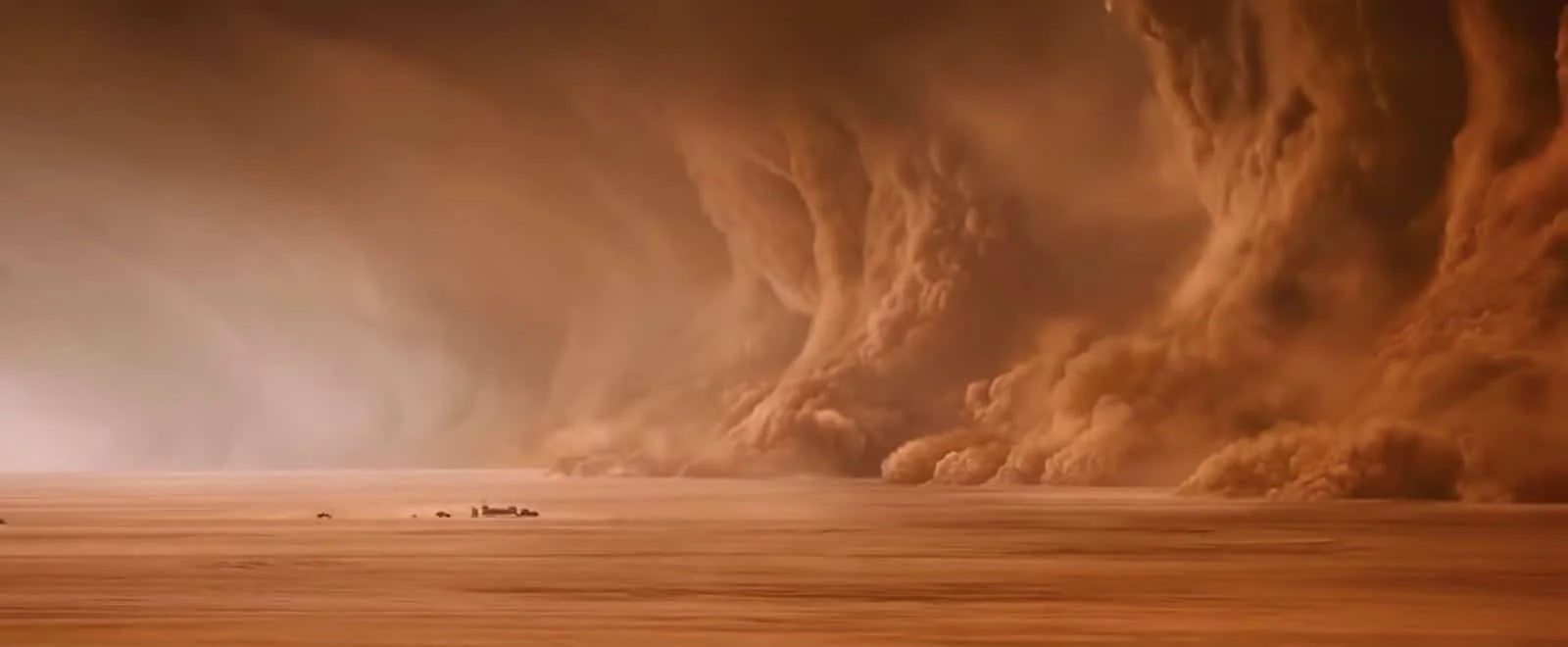
Cinematic Shots - (EWS) Extreme Wide Shot Example in Mad Max: Fury Road
An extreme wide shot can also make your subject feel overwhelmed by its location. Of all the various camera shots out there, consider using the extreme long shot when you need to emphasize the location or isolation.
Learn more about the Extreme Wide Shot, including videos, shot list breakdowns, and a gallery of iconic movie stills.
Learn more about the Extreme Wide Shot, including videos, shot list breakdowns, and a gallery of iconic movie stills.
2. Wide Shot / Long Shot
Shot list abbreviations are WS or LS
The wide shot (abbreviated “WS," also known as a long shot "LS") is the same idea as an extreme wide shot, but a bit closer. If your subject is a person then his or her whole body will be more clearly in view — but still not filling the shot. Here's an example of the wide shot size from The Martian, one of the best movies of 2015.
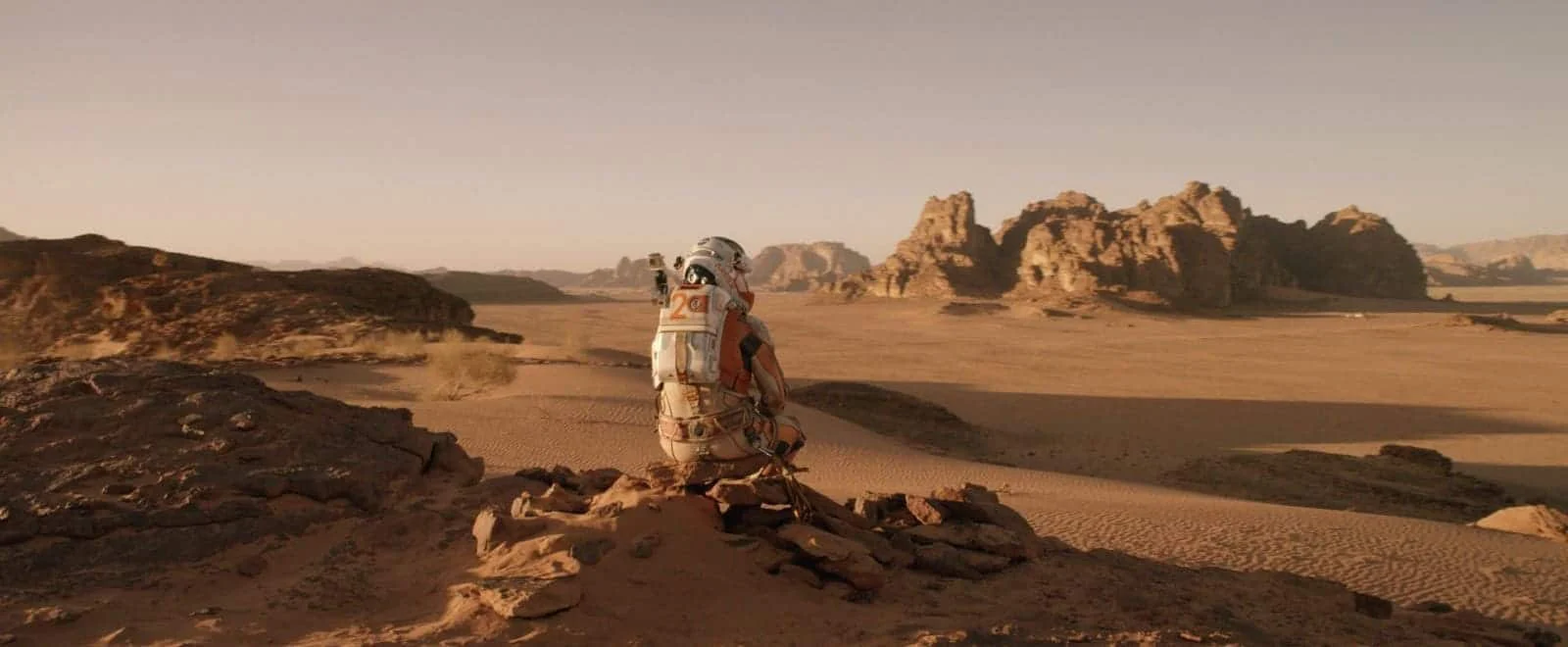
Types of camera shots: (WS) Wide Shot Example in The Martian
When it comes to a wide shot, there should be a good deal of space above and below your subject. Use a wide shot (or long shot) to keep your subject in plain view amidst grander surroundings.
The wide shot also lets us take in the background imagery, as well as the onlookers which will make any big moment more cinematic.
Of the many camera shots and camera techniques in movies, a long shot gives us a better idea of the scene setting, and gives us a better idea of how the character fits into the area.
3. Full shot
Shot list abbreviation FS
Now let's talk about camera techniques in film that let your subject fill the frame while keeping some emphasis on scenery.
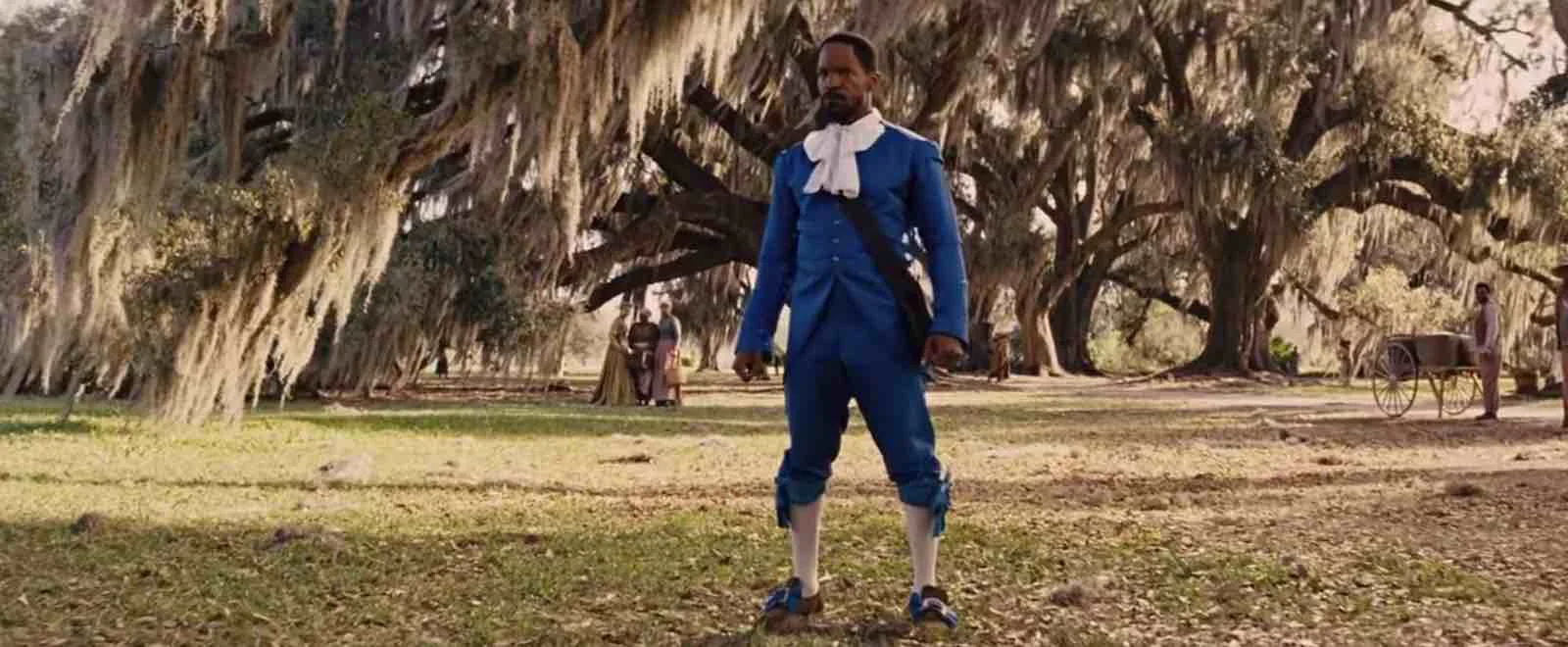
Different Shots in Film: (FS) Full Shot Example in Django Unchained
This full shot from one of the best Quentin Tarantino movies Django Unchained is also a tracking shot — meaning there is camera movement featured throughout the shot. In this particular case, the film shooting camera slowly moves (or tracks) towards Django.
So, technically, this movie shot begins in a wide shot, moves to full shot (seen above), and eventually ends in a cowboy shot (see next section).
Of all the different types of camera shots in film, full shots can be used to feature multiple characters in a single shot, like this full shot size example from Marvel's Guardians of the Galaxy.
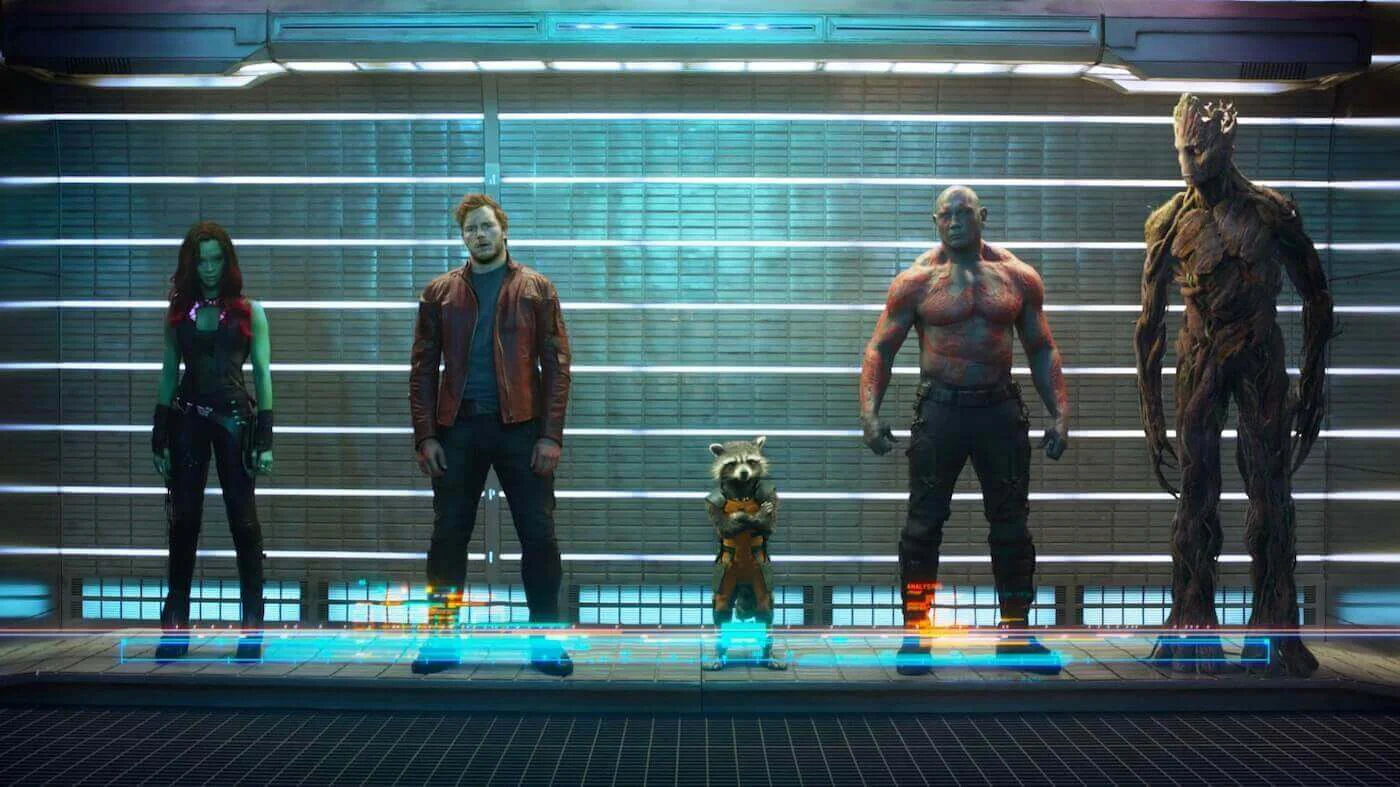
Cinematic Shots: (FS) Full Shot Example in Guardians of the Galaxy
4. Medium wide shot
Shot list abbreviation MWS
A medium long shot (or medium long shot) frames the subject from roughly the knees up. It splits the difference between a full shot and a medium shot. Here's an example of the medium wide shot size from one of the best crime movies, The Usual Suspects:
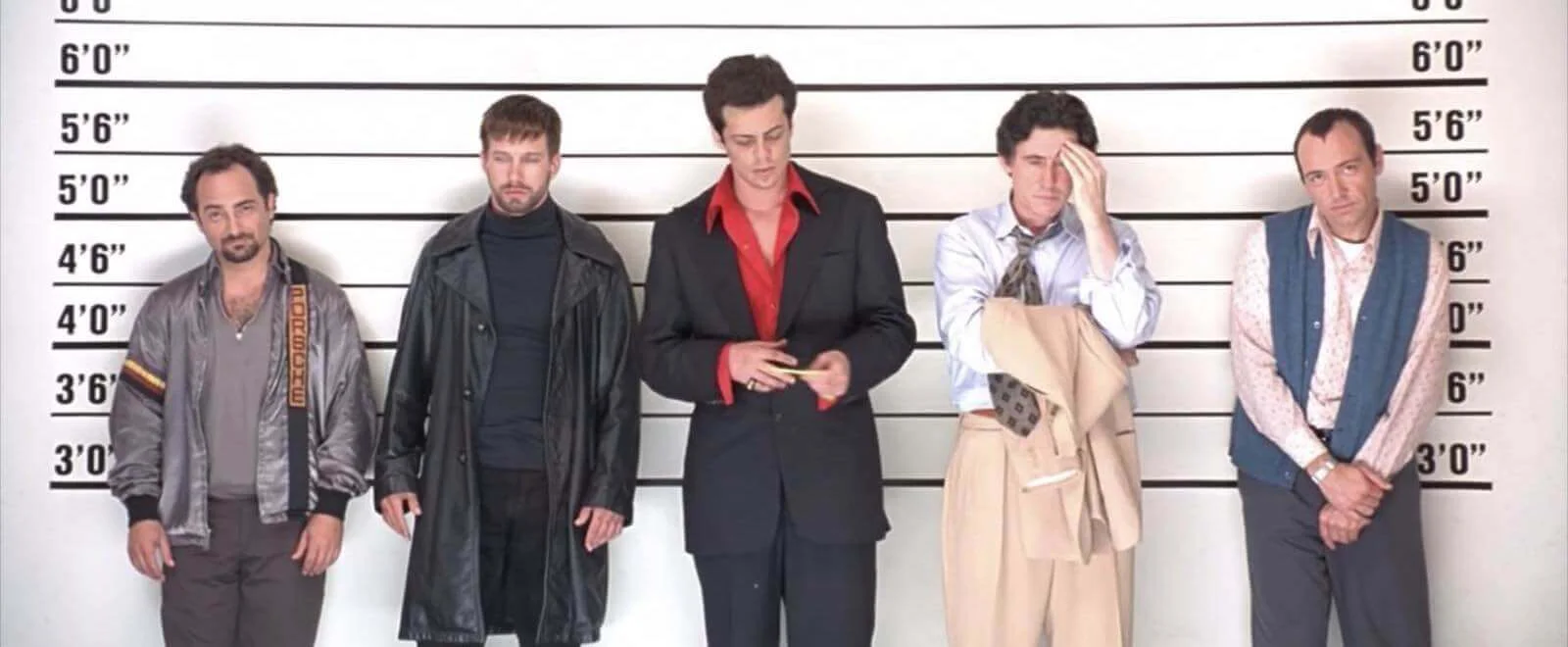
Different Shots in Movies: (MWS) Medium Wide Camera Shot Example in The Usual Suspects
Cinematic Technique
Pro Tip: You can frame cinematic camera shots from any angle as well. Don't be afraid to think about using a medium long shot (or any cinematic camera shot) when positioned above, below, or even behind a character.
5. Cowboy shot
Shot list abbreviation CS
A variation of the medium wide shot is the Cowboy Shot, which frames the subject from roughly mid-thighs up. It’s called a “cowboy shot” because it was often used in Westerns to frame a gunslinger’s gun or holster on the hip.
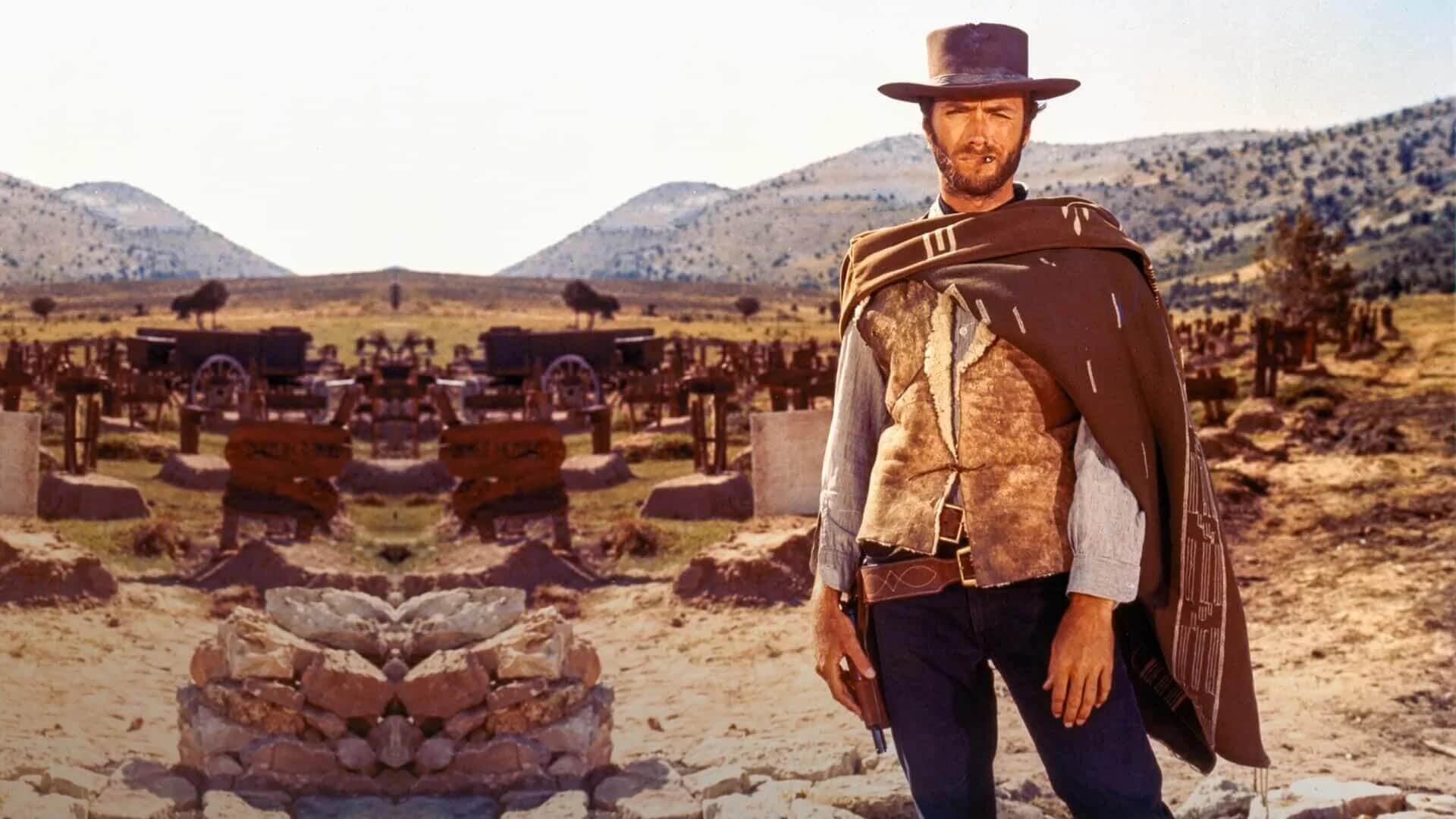
A literal cowboy shot from The Good, the Bad and the Ugly (1966)
Make no mistake — this camera technique is alive and well in modern cinema. Here's an example of the cowboy shot size from one of the best movies of 2017 Wonder Woman.
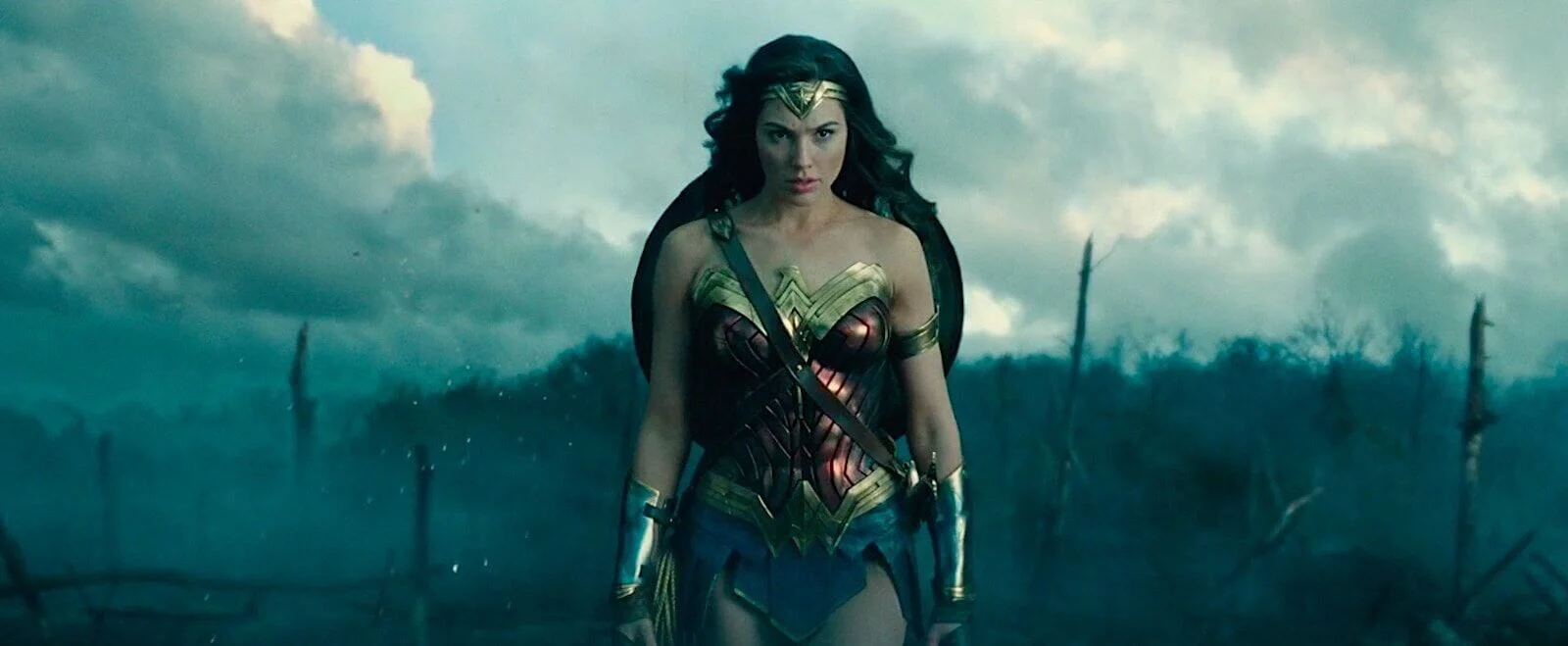
A modern cowboy shot example in Wonder Woman (2017)
Here is an example of a cowboy shot that's used in a film that has nothing to do with cowboys, and it's also a "three shot."
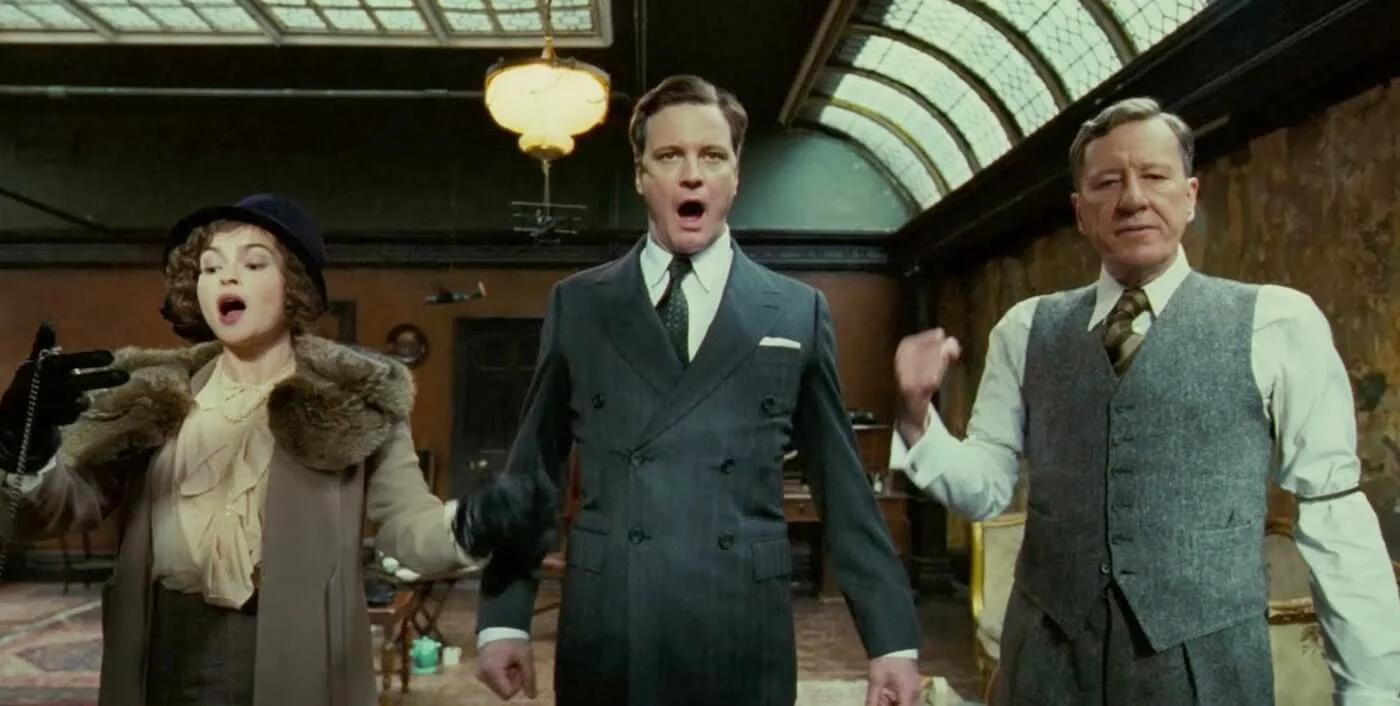
Cinematography Examples: (CS) Cowboy Shot Example in The King’s Speech
Learn more about the Cowboy Shot, including videos, shot list breakdowns, and a gallery of iconic movie stills.
6. Medium shot
Shot list abbreviation MS
Let's move onto camera shots that reveal your subject in more detail.
The medium shot is one of the most versatile camera shots. It's similar to the cowboy shot above, but frames from roughly the waist up and through the torso. So it emphasizes more of your subject while keeping their surroundings visible. Here's an example of the medium shot size from The Substance.
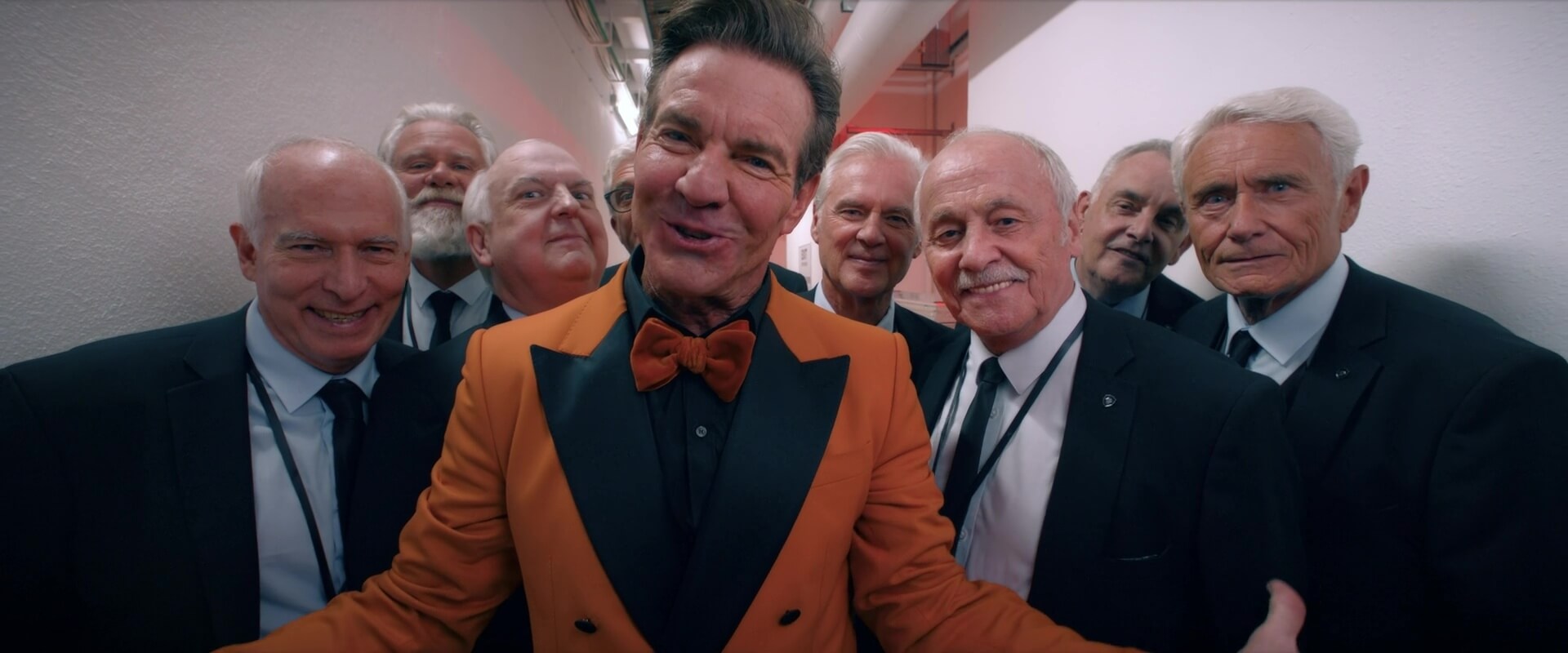
Film Making Techniques - (MS) Medium Shot Example in The Substance (2024)
Medium shots may seem like one of the most standard cinematic techniques in film, but every shot size you choose will have an effect on the viewer. For example, a medium shot can make a fight scene more intimate and intense without losing placement or geography — ideal for two shots where subjects interact closely.
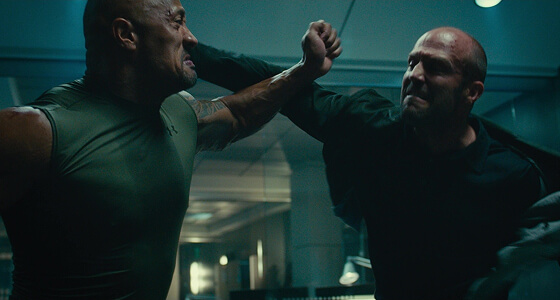
Film Making Techniques - (MS) Medium Shot Example in Furious 7 (2015)
A medium shot can often be used as a buffer shot for dialogue scenes that have an important moment later that will be shown in a close-up shot.
If you don't use all of the different types of cinematic shots in film, how can you signal anything to your viewer without shot size contrast.
7. Medium close up shot
Shot list abbreviation MCU
The medium close-up frames your subject from roughly the chest up. So it typically favors the face, but still keeps the subject somewhat distant.
Here's an example of the medium close-up shot size from one of the Coen Brothers’ masterpieces No Country for Old Men.
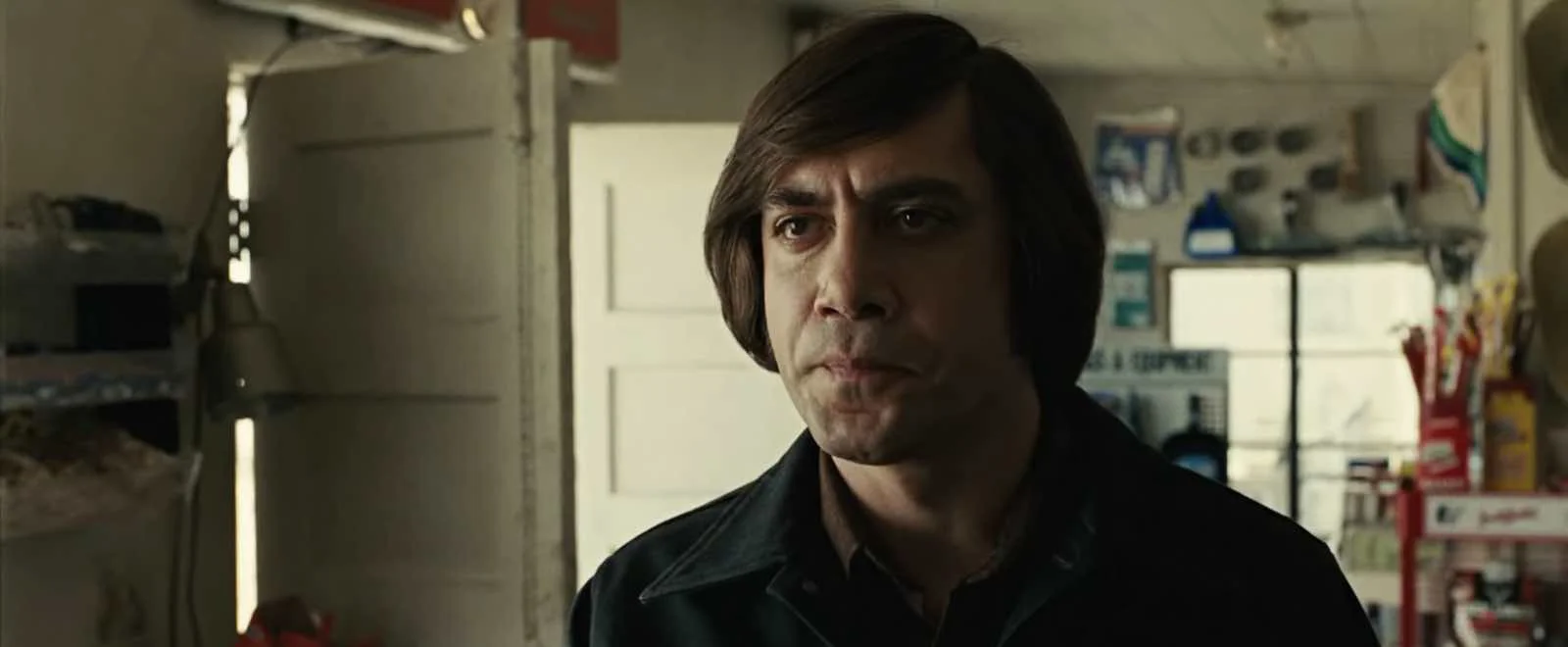
Cinematography Examples - (MCU) Medium Close Up Shot in No Country for Old Men
The medium close-up camera shot size keeps the characters eerily distant even during their face-to-face conversation.
Learn more about the Medium Close Up Shot, including videos, shot list breakdowns, and a gallery of iconic movie stills.
8. Close up shot
Shot list abbreviation CU
You know it’s time for a close-up shot when you want to reveal a subject’s emotions and reactions. The close-up camera shot fills your frame with a part of your subject. If your subject is a person, it is often their face. Here's an example of the close-up shot size:
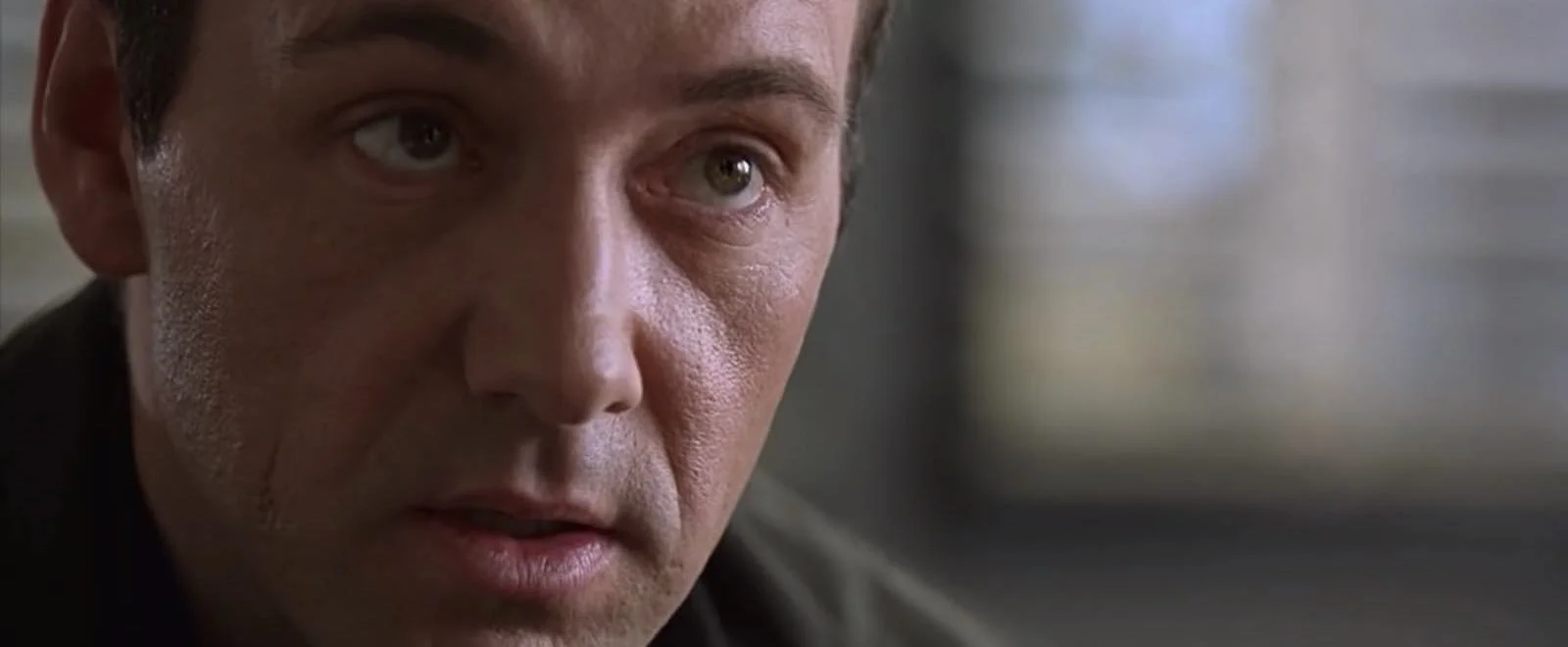
Filmmaking Techniques Examples - (CU) Close-Up Shot Example in The Usual Suspects
Of all the different types of camera shot sizes in film, a close-up is perfect for important moments. The close-up shot size is near enough to register tiny emotions, but not so close that we lose visibility.
9. Extreme close up shot
Shot list abbreviation ECU
An extreme close-up is the most you can fill a frame with your subject. It often shows eyes, mouths and gun triggers. In extreme close-up shots, smaller objects get great detail and are the focal point.
Use an ECU to emphasize a specific feature of your subject:
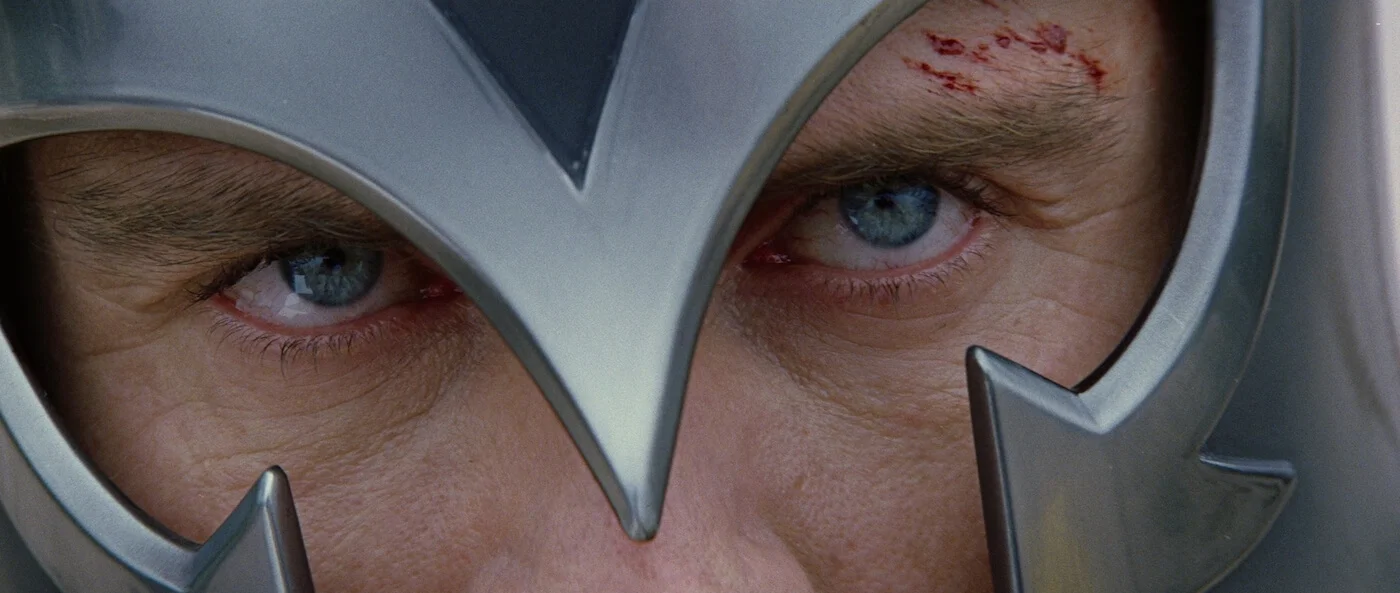
(ECU) Extreme Close-Up Camera Shot Example in X-Men: First Class
Visionary filmmaker Darren Aronofsky uses various degrees of close-ups in his work, like in one of Aronofsky's best films Black Swan. In this extreme close-up, we see that her transformation happens quite literally. Aronofsky uses the extreme close up shot size to show feathers growing in Nina’s back.
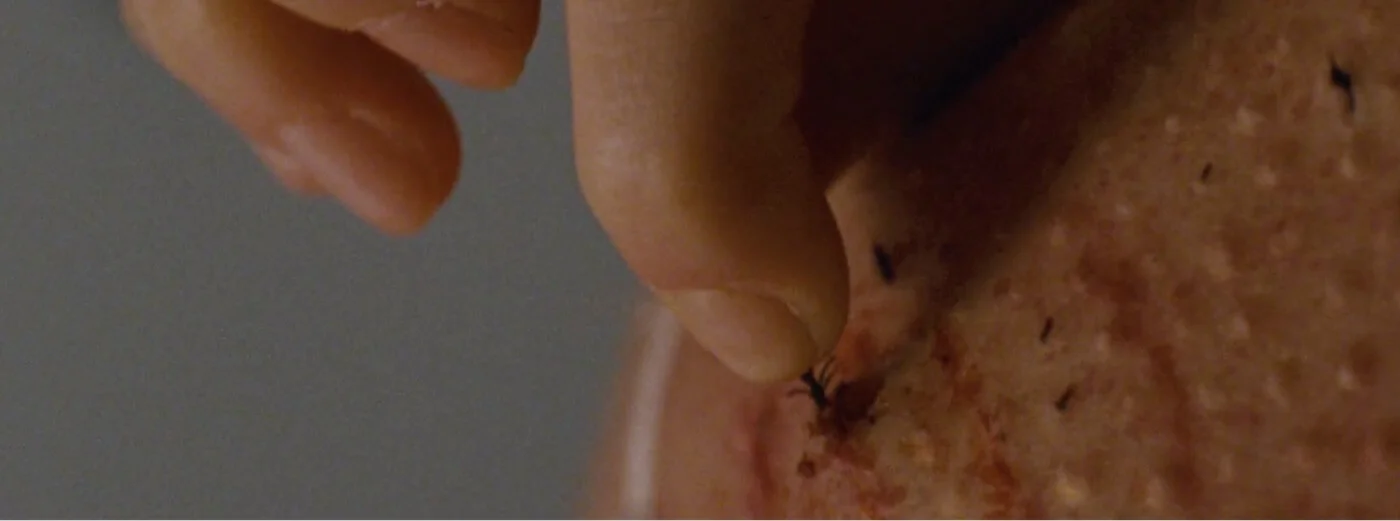
(ECU) Extreme Close-Up Example in Black Swan
Extreme close-ups can be used in many different film genres, which includes comedy as well. Here's an ECU example:
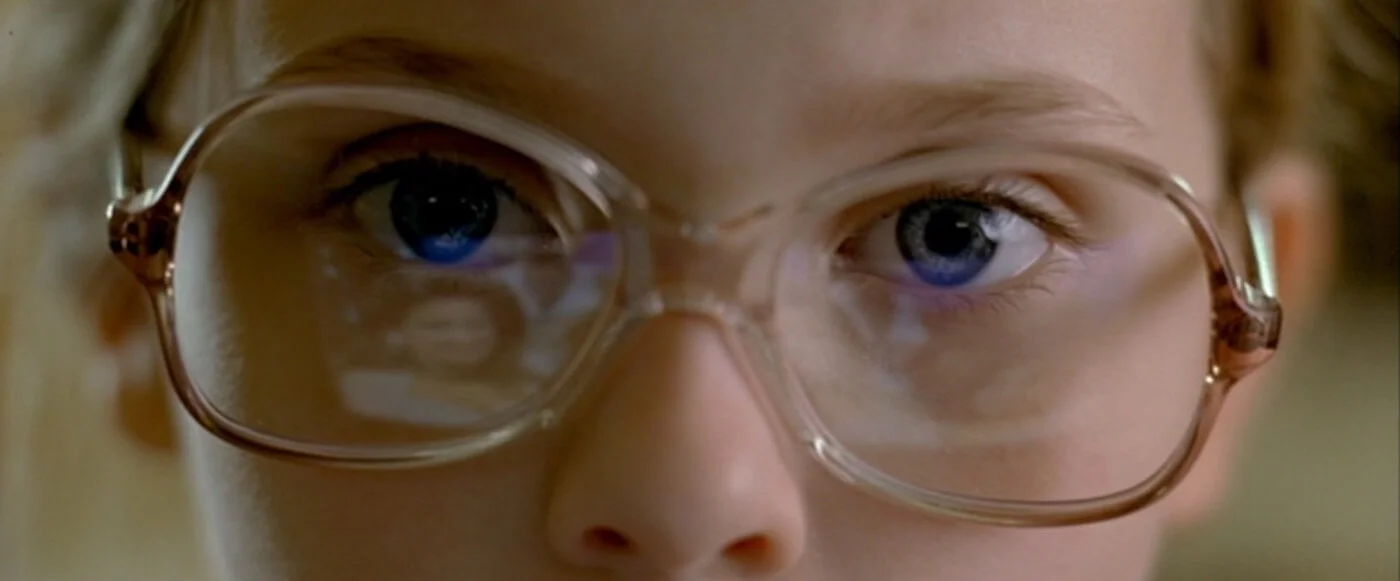
Type of camera shots example: (ECU) Extreme Close Up in Little Miss Sunshine
What is an establishing shot?
It all starts with an establishing shot
Though not strictly a "shot size," an establishing shot is a shot at the head of a scene that clearly shows us the location of the action. Typically a wide or extreme wide shot, an establishing shot's primary focus is to set geography, and is therefore a commonly used shorthand to refer to wider shots that introduce an audience to a scene.
Consider the following examples:

Type of camera shots: Shooting Great Establishing Shots • Subscribe on YouTube
We cover a lot of shot specs in this post, but don't worry. You don't need to memorize everything. If you are a director, videographer, or photographer, StudioBinder's shot list software makes the process much easier by conveniently listing out every camera shot for consideration.
This allows you to focus on creativity rather than spending effort attempting to recall every type of shot in film, or retyping acronyms a thousand times.
Conclusion
Shot Size Summary
Shot size is one of the most important camera techniques in film. How you choose to frame your subject will have a specific impact. How close or far your subject is to your camera — your shot size — will underscore how the audience should feel about it (or them).
Your subject will appear smallest in a long shot (or wide shot). They will be larger in a medium shot and largest in a close-up shot.
Here is a shot list with every shot size organized from wide to near:
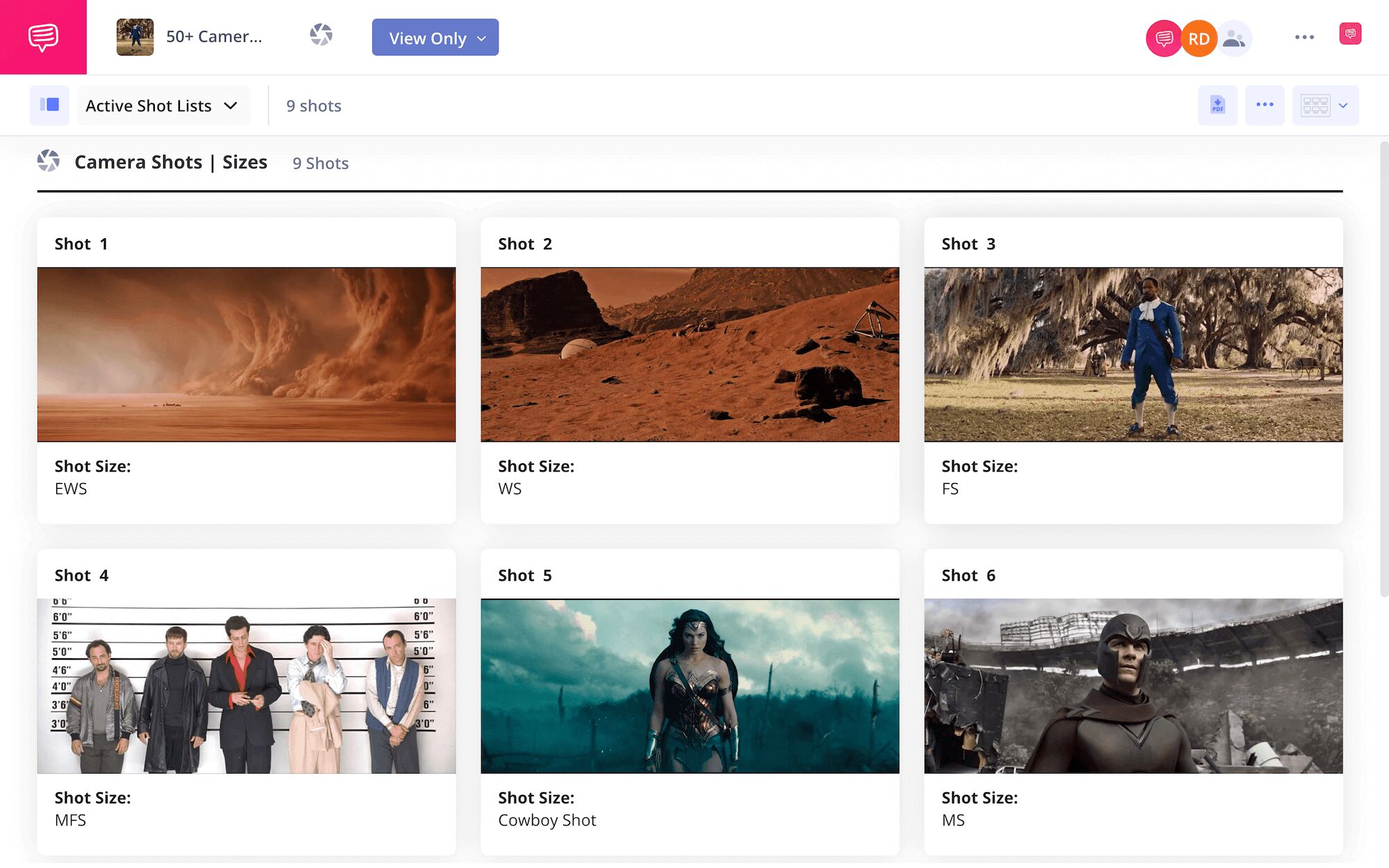
Types of Camera Shot Sizes and Film Techniques • Shot Listed in StudioBinder
You can create a PDF of this shot list to print or store digitally.
Think about familiarity when you consider your subject’s size in your camera shots. It’s like meeting someone for the first time. You might shake hands or talk about the weather, but odds are you’ll stay at a relative distance. That’s because you haven’t built any familiarity yet.
Shot size is the building block for choosing camera shots, but you’ll also need to consider how framing, focus and movement can add deeper meaning to your shots. Read on to explore creative shot combinations and camera techniques.
Specific camera movements matter too. Are you going to rack focus while completing a dolly move? Or maybe it’s just a traditional two shot on sticks? You want to capture all these details when shot listing.
02
Shot Framing
Types of Camera Shots Explained
Chapter 02
Shot Framing Overview
For filmmakers, videographers, and photographers a major consideration for any type of shot is how you position your subjects within the frame, also commonly known as shot framing. In this section we explore this essential cinematography technique — the subjects' physical relationship to each other, and the camera.
9 minute read
Camera shot Framing DEFINITION
What is camera shot framing?
Camera shot framing is the art and science of placing subjects in your shots. Camera shots are all about composition. Rather than pointing the camera at the subject, shot framing calls upon the artist to intentionally compose an image.
Types of Camera Shot Framing
Based on how you plan to position your subjects, you'll need to adjust your camerawork. You'll want to capture your framing details on a shot list well before you arrive on set. That way you have a clear idea for the scene and can communicate your vision with ease.
That's not to say that things may not change the day of the shoot. But, having a shot list at the ready showcases that the director and cinematographer have done their homework and are well prepared.
This video is a quick rundown of all the types of shot framing, how they work, and when you might consider using them in your next project.
![Camera Framing: Shot Composition & Cinematography Techniques Explained [The Shot List, Ep 2]](https://i.ytimg.com/vi/qQNiqzuXjoM/hqdefault.jpg)
Ultimate Guide to Shot Framing • Subscribe on YouTube
Here is a shot list showcasing all the types of shot framing that you can download and use as a reference the next time you sit down to shot list.
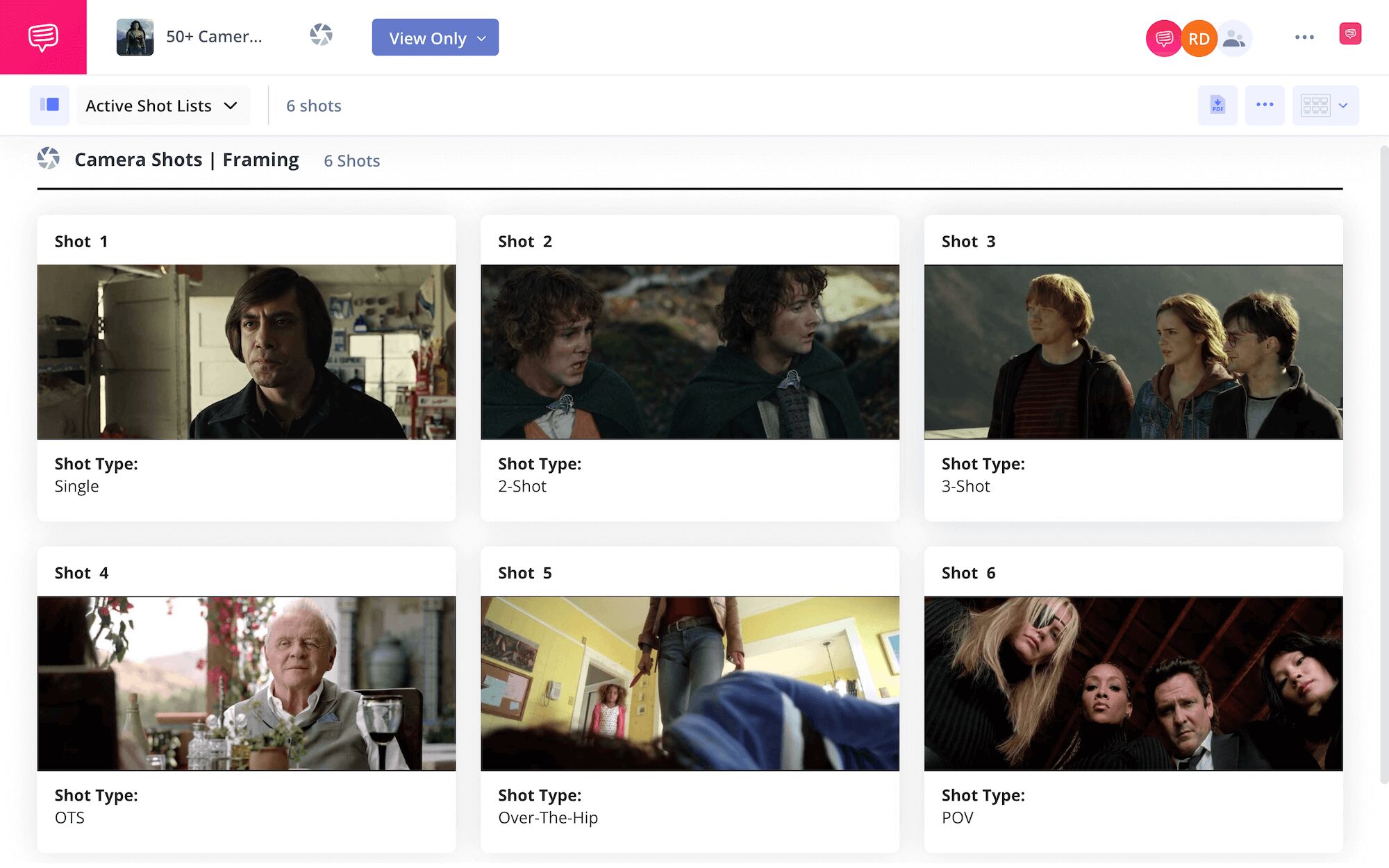
Types of Camera Shot Framing • Shot Listed in StudioBinder
1. Single shot
Shot framing featuring one subject
A single shot features one subject at a time. Singles can be set and framed in any shot size you like, just as long as there is only one character featured within the frame.

Type of camera shots example: Single Shot in Iron Man
Why do we keep stating "featured" rather than simply in the frame?
The reason is because you can have shots with background extras, foreground obstructions, or even an over-the-shoulder single that technically has more than one person in the frame, but only features one. These types of singles are referred to as dirty single shots, or "dirty singles" for short. For example, see the following dirty single from Armageddon (1998):
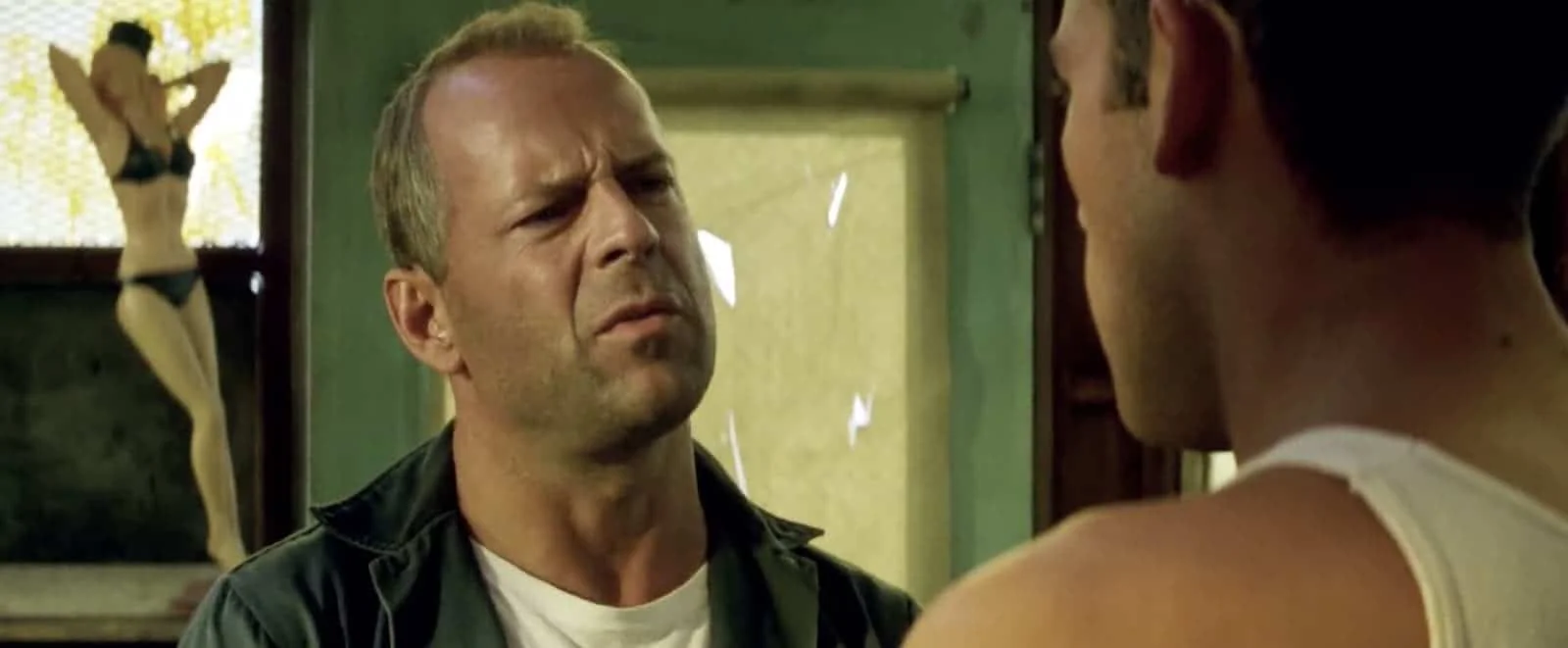
Type of camera shots example: Over-The-Shoulder Shot in Armageddon
Conversely, a clean single is a shot of one character alone, with no part of the other character visible in the frame.
2. Two shot or 2-Shot
Shot framing featuring two subjects
A two-shot is a composition that frames two characters together within the same camera shot. Two shots are often really useful for allowing performances to play out in a single take, which can be especially useful for comedy, or this humorous moment from The Matrix Reloaded (2003).
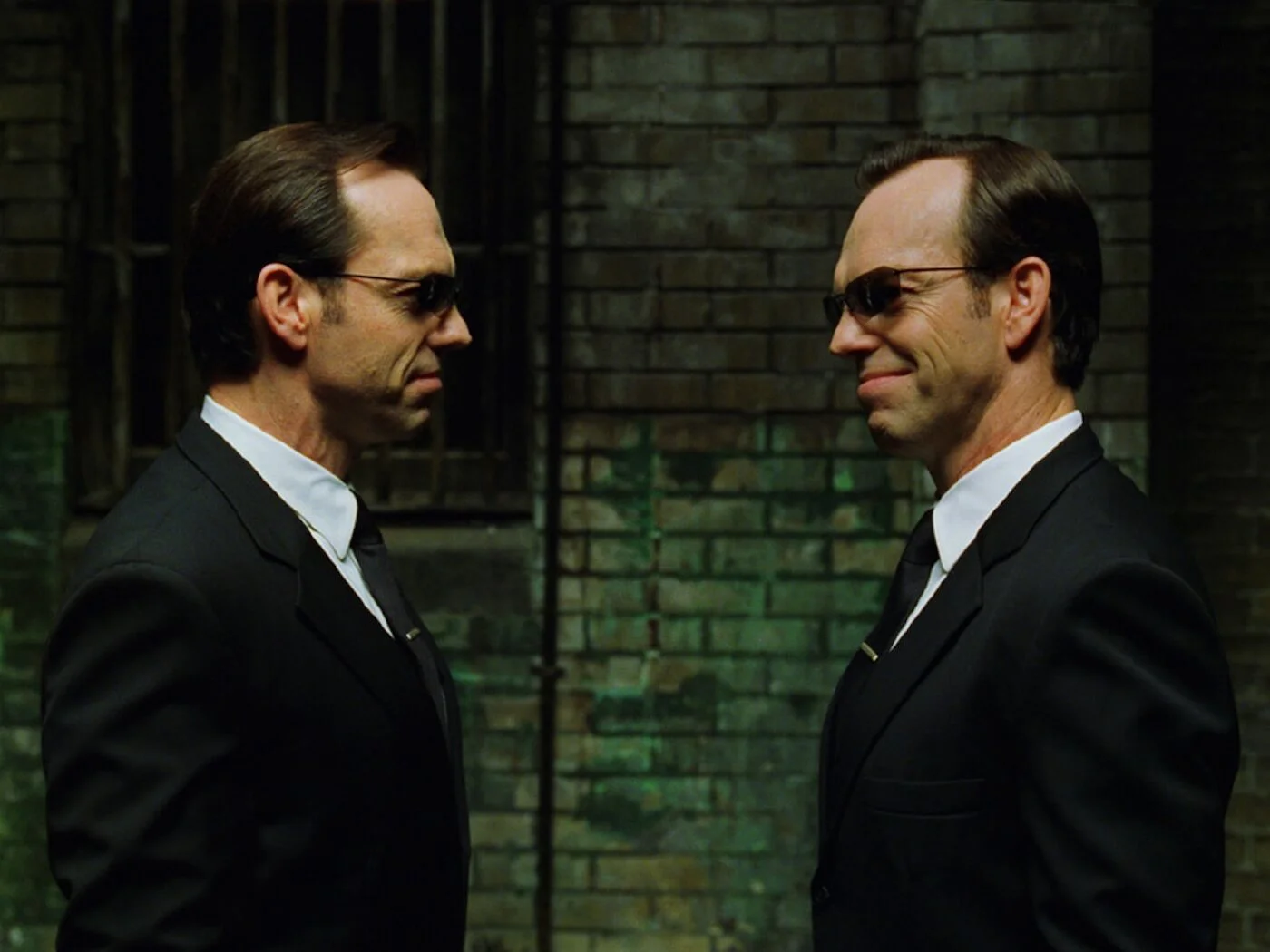
Type of shot example: 2-Shot in The Matrix Reloaded
Two shots often feature two people standing, sitting, or walking. By sharing the frame, the subjects are visually linked, emphasizing their connection (or lack thereof), chemistry, power dynamics, and proximity. Two shots can unleash actors to perform longer takes with more intricate movements (aka "blocking"). They allow for performance continuity while reinforcing subtext through physical distance, body language, and eye lines.
Camera Shot Framing In movies
Three Shot or 3-Shot
A three-shot features three characters in the frame.
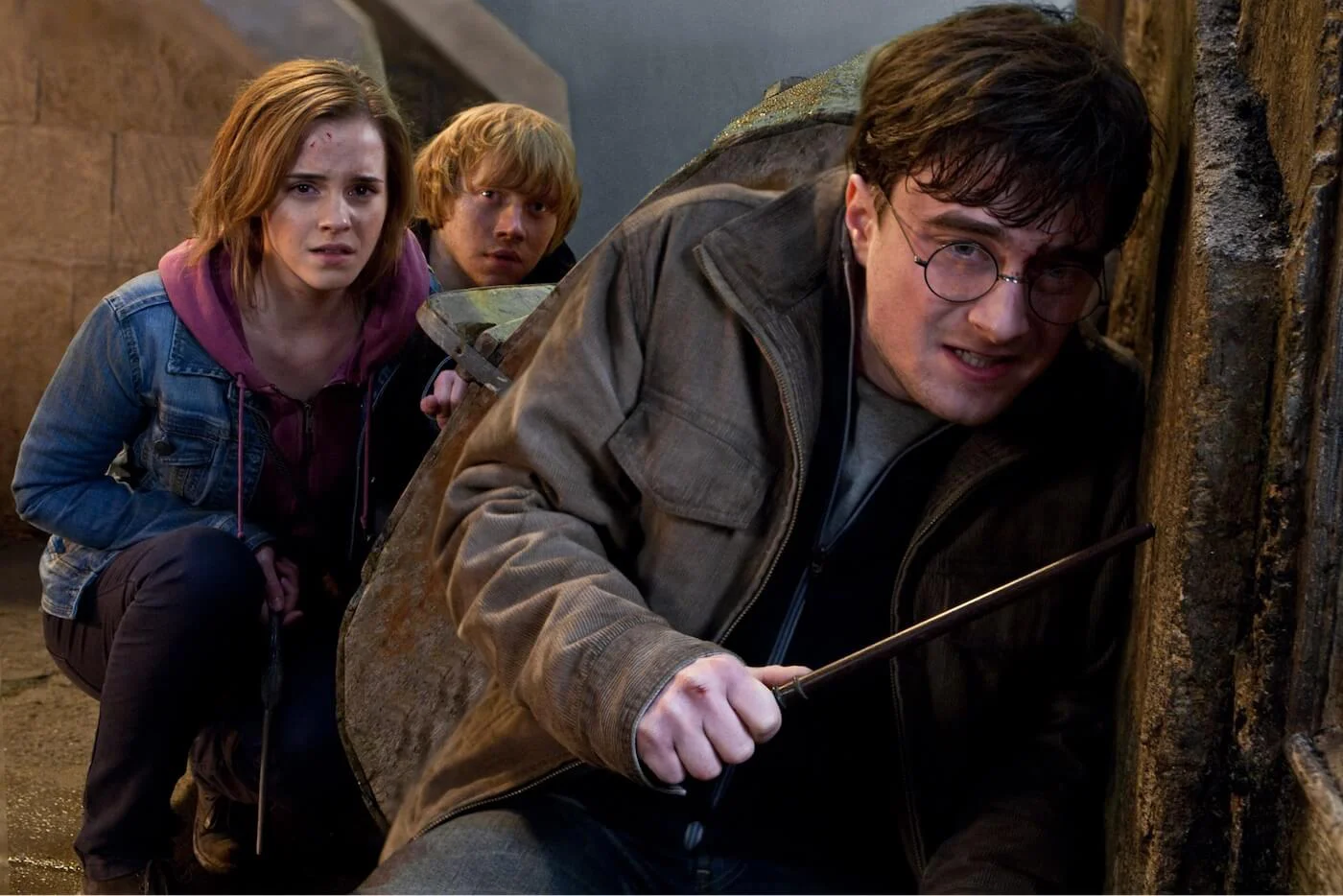
Type of shot example: 3-Shot in Harry Potter and the Deathly Hallows – Part 1
Three shots are really important in adventure films, or really any film that has a group of characters, because it is an enormous time drain to shoot three singles just to show every character, not to mention jarring.
Related Posts
Types of camera shot framing
Over-The-Shoulder Shot (OTS)
Another element of camera shots to consider is the perspective of the shot. An over-the-shoulder shot shows your subject from behind the shoulder of another character. Because it emulates perspective, it’s common in conversation scenes.
In fact, it's one of the most common camera techniques in film.
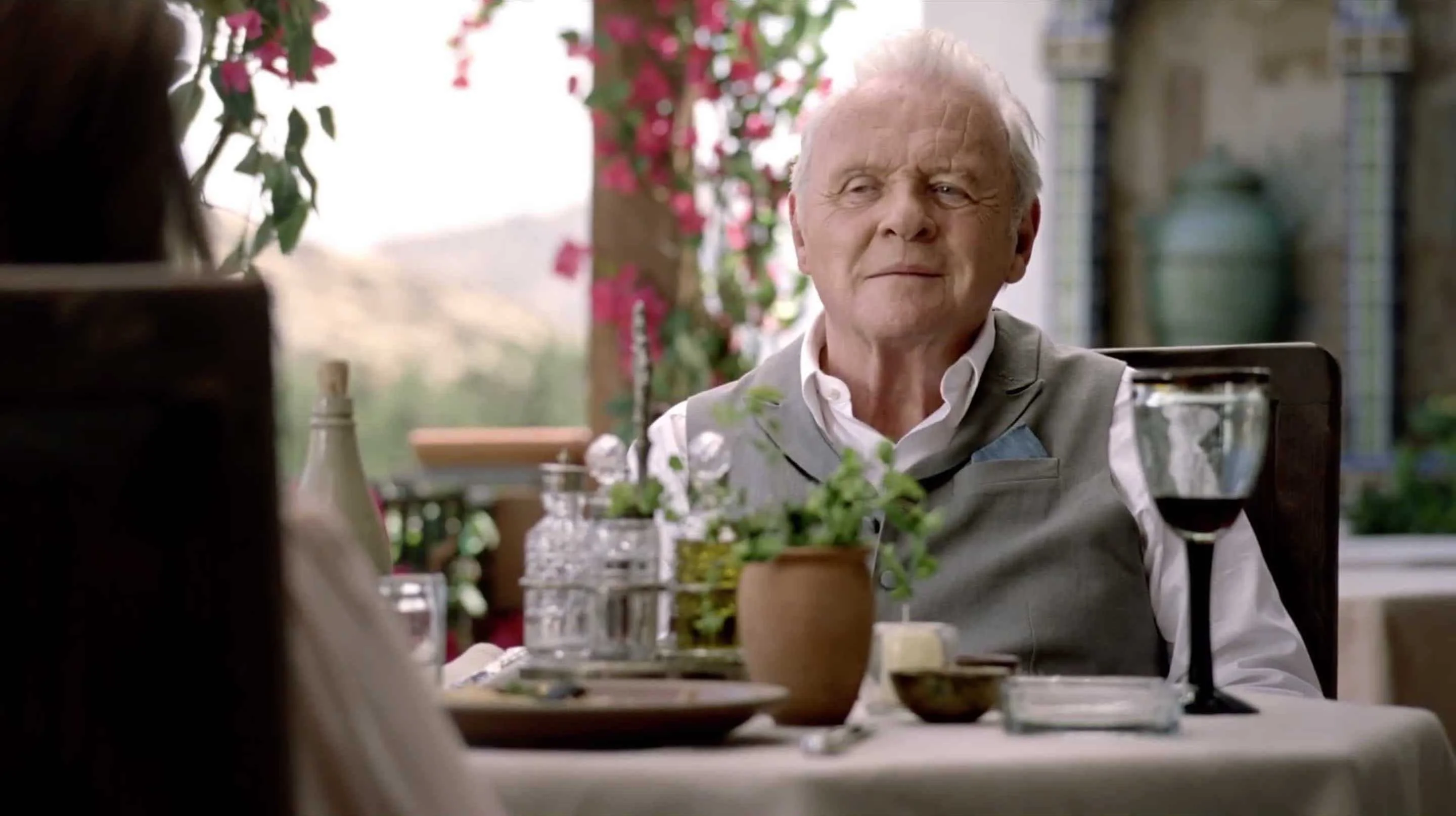
Movie Techniques: (OTS) Over-The-Shoulder Shot Example in Westworld
Over-the-shoulder shots can help to provide orientation, and connect the characters on an emotional level. Here's our breakdown of the Westworld scene and how OTS shots work so effortlessly.
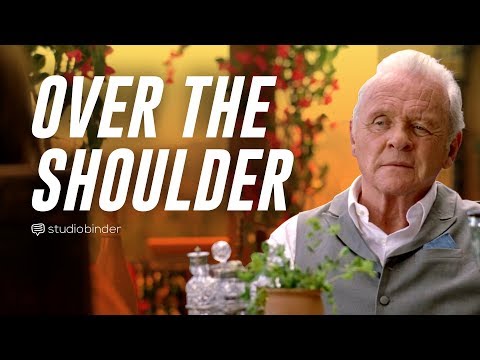
The Over The Shoulder Shot Example in Film • Subscribe on YouTube
Types of Shots By Framing
Over-The-Hip Shot (OTH)
An over-the-hip shot is similar to over-the-shoulder in that the camera is placed with a character's hip in the foreground, and the focus subject in the plane of acceptable focus.
Here's an example of an over-the-hip shot from one of the best Steven Spielberg movies Minority Report:
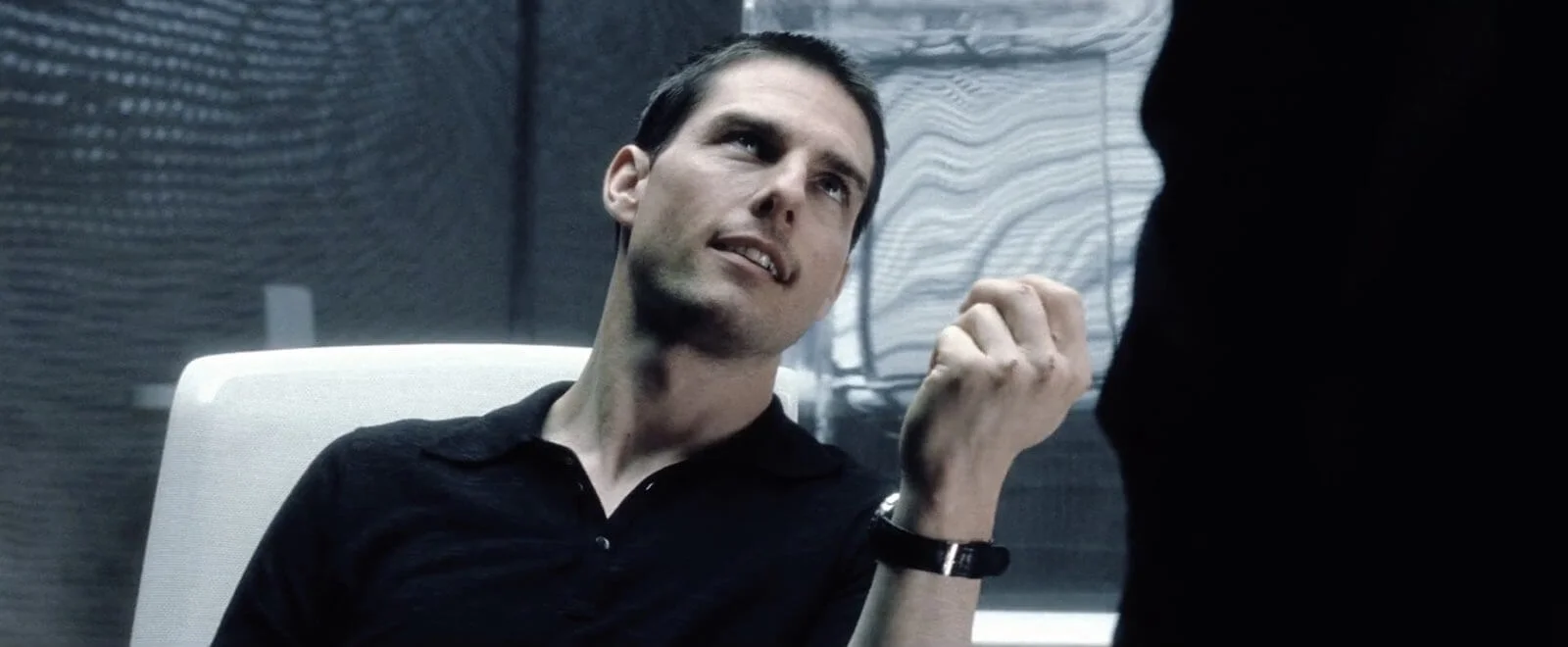
Over-The-Hip Shot Example in Film: Minority Report
You'll gain a similar effect from an over-the-hip shot as you would an OTS, but if you have one character standing, and the other sitting, kneeling, or any other configuration that places the subjects on "uneven terrain" it will often suggest a power imbalance.
This is the benefit of blocking and staging your actors and camera, one of the most important film techniques you can master.
Types of Camera Framing
Point of View Shot (POV)
Now let's talk about choosing camera shots that show the point-of-view (or POV) of one of your characters.
A POV shot is a camera shot that shows the viewer exactly what that character sees. This transports the audience into that character and there is no more literal example of this than Being John Malkovich:
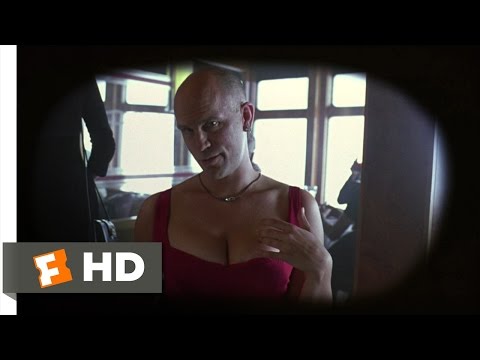
Point of View Shot Example in Being John Malkovich
POV shots can also invoke horror, as seen in one of the best horror movies Halloween but that's just the beginning. In this video, watch how many ways in various genres the point of view shot can be used.

Type of shot example: POV shot • Subscribe on YouTube
A point of view shot (POV) is generally sandwiched between two other shots, a technique called shot-reverse shot:
- A camera shot of a character looking at something
- Cut to your (POV) point of view camera shot
- A camera shot showing the character's reaction
A point of view shot shows us exactly what the character sees, and we get to understand what's generating the character's reaction.
03
Shot Focus
Types of Camera Shots Explained
Types of Camera Shot Focus
Cinema and television give the director an uncanny ability to control the audience's vision. You can shift and change points of view as people learn new information, move locations, or switch perspectives.
Depth of field DEFINITION
What is depth of field?
Depth of field (DOF) is the term used to describe the size of the area in your image where objects appear acceptably sharp. The area in question is known as the field, and the size (in z-space) of that area is the depth of that field.
The center most point of the field is known as the point of focus. The imaginary two dimensional plane that extends from that point is known as the plane of focus. And any part of your image that falls directly on this plane is officially in focus.
There are various types of camera focus to choose from, each with their own unique storytelling properties. Here's a video breakdown of each type with examples of how they enhance the visual storytelling.
![Depth of Field Explained: Ultimate Guide to Camera Focus [Shot List Ep. 4]](https://i.ytimg.com/vi/ZGNUqNFfD8M/hqdefault.jpg)
Ultimate Guide to Camera Focus • Subscribe on YouTube
Here is a shot list with all the types of camera shot focus:
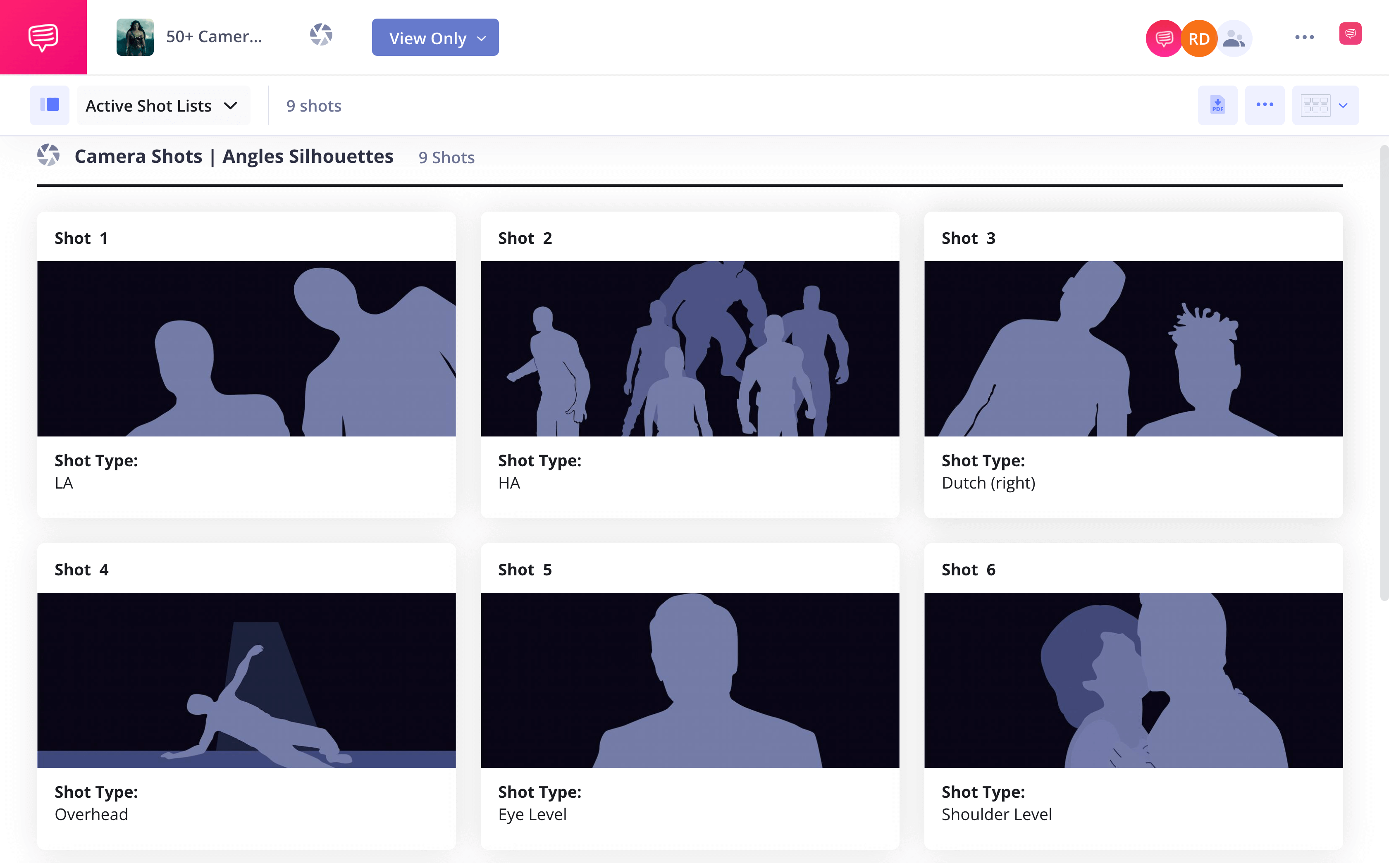
Types of Camera Focus in Film • Shot Listed in StudioBinder
Plan focus changes on your shot list
Filmmakers often want to direct attention around different parts of the scene. To do this, you need to decide on the angle of shot, camera movements, and any special equipment needed to pull it off.
Camera Shots Focus Types
Rack Focus vs. Focus Pull
Manipulating focus is another way of communicating with your camera shots. The vast majority of films you watch will keep their subjects in focus 95% of the time, with the odd slip up here and there.
The first assistant cameraman (or “First AC”) will pull focus to make sure that the subject stays within the acceptable focus range while they move to various depths within the frame.
A rack focus is an emphasized focus pull, where the acceptable focus range is intentionally shifted from one subject to another. This is an aggressive use of focus as a story telling device:

Film Shot Types: The art of the rack focus • Subscribe on YouTube
Focus Pull = Passive vs. Rack Focus = Aggressive
Now, this doesn't mean that pulling focus is easy, and in fact it is much harder to maintain focus by making micro adjustments vs setting up a rack focus on a set mark. It's just a matter of the viewer taking notice.
Types of Camera Shot Focus
Shallow Focus Shot (Shallow DOF)
In shallow focus shots, your subject is in crisp focus while the foreground and background scenery is out of focus. This limits your depth of field to create emphasis on your subject.
Here's another shallow focus shot example:
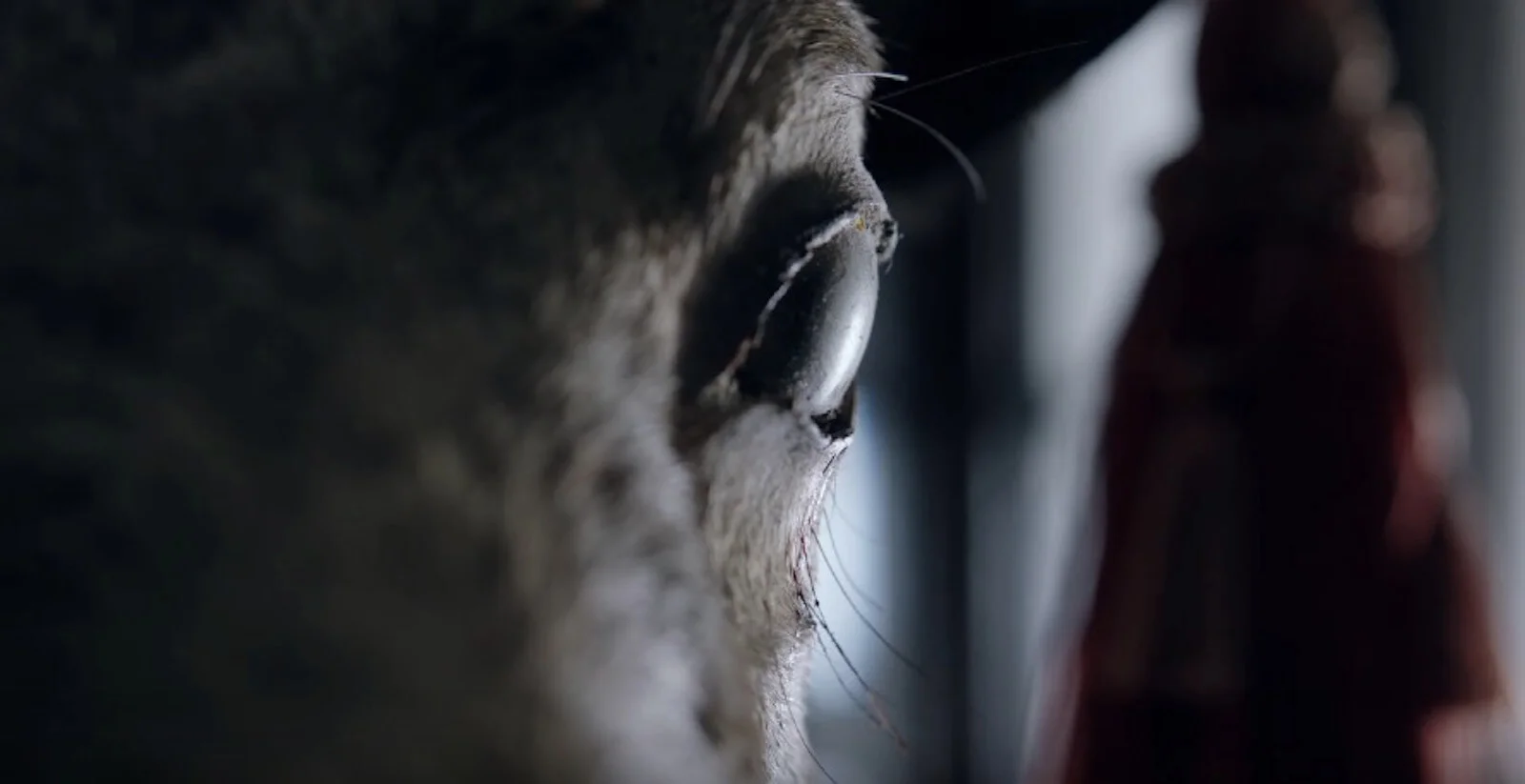
Movie Shot Types: Shallow Focus Shot Example in The Night Of
Types of Camera Shot Focus
Deep Focus Shot
In a deep focus shot, everything in your frame is in focus. This is when you need your audience to feel the scenery or particular scene elements.
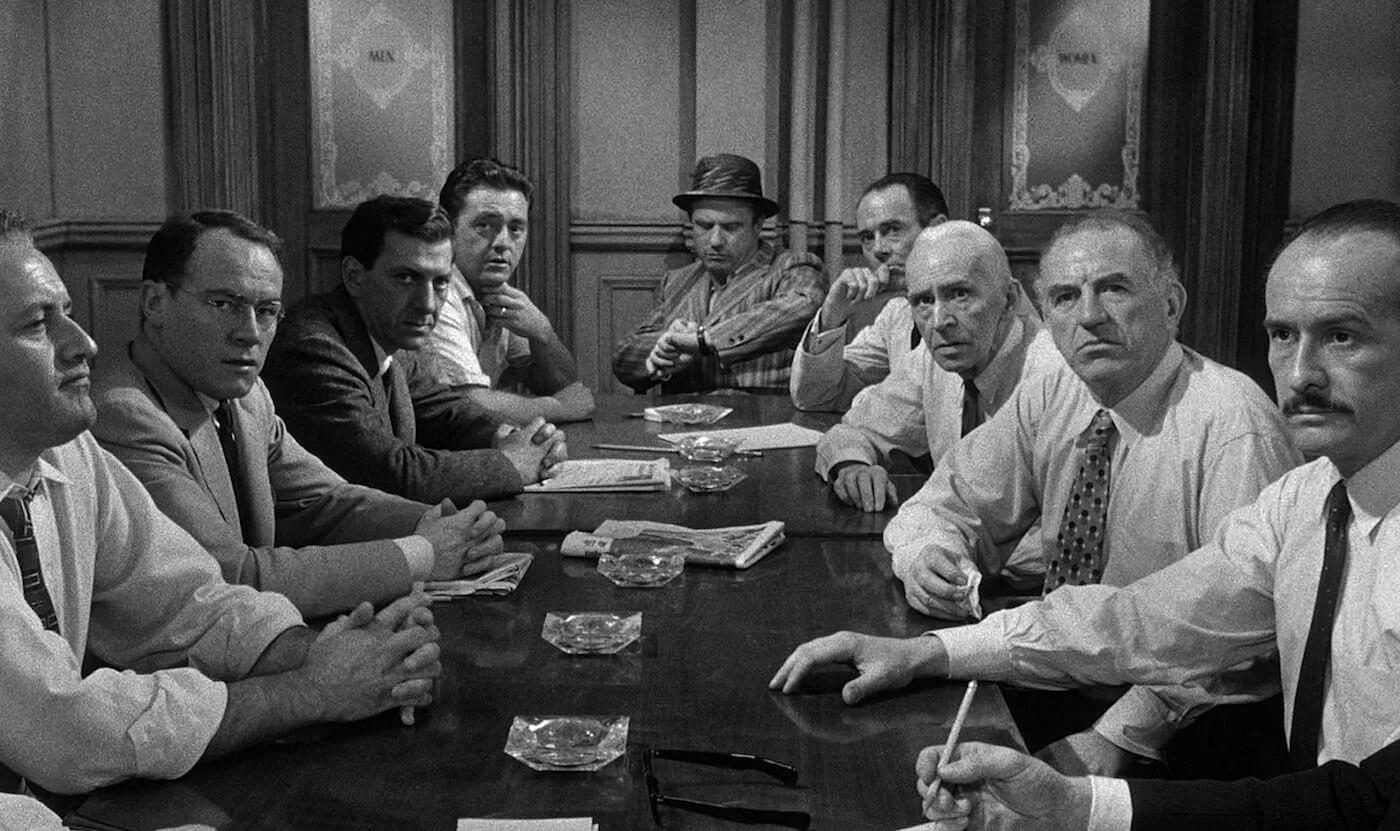
Film Shot Types: Deep Focus Shot Example in 12 Angry Men
Here's another deep focus shot example:
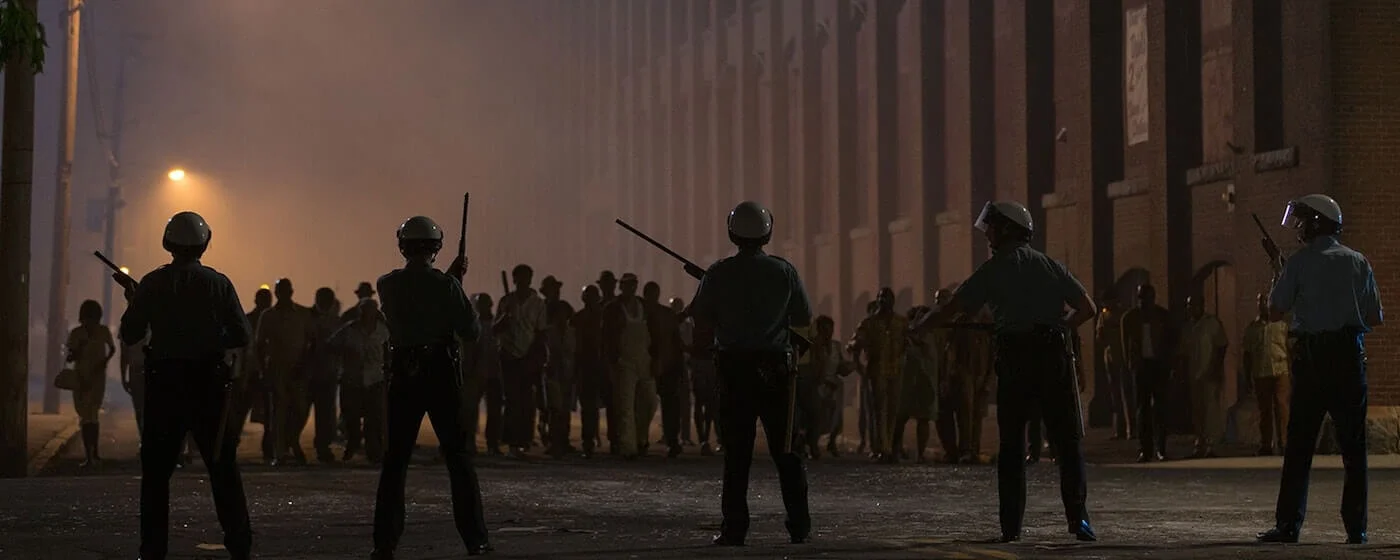
Movie Shot Types: Deep focus staging shows two forces collide in Detroit
Types of camera shots By Focus
Tilt-Shift Shot
A tilt-shift lens rotates perspective within the lens and emulates selective focus. It can make parts of your image appear in sharp focus while others are out of focus. The lens can also be adjusted during the shot for a focal variety.
Because of the extreme stylization, it's one of the least common cinematography techniques in film.
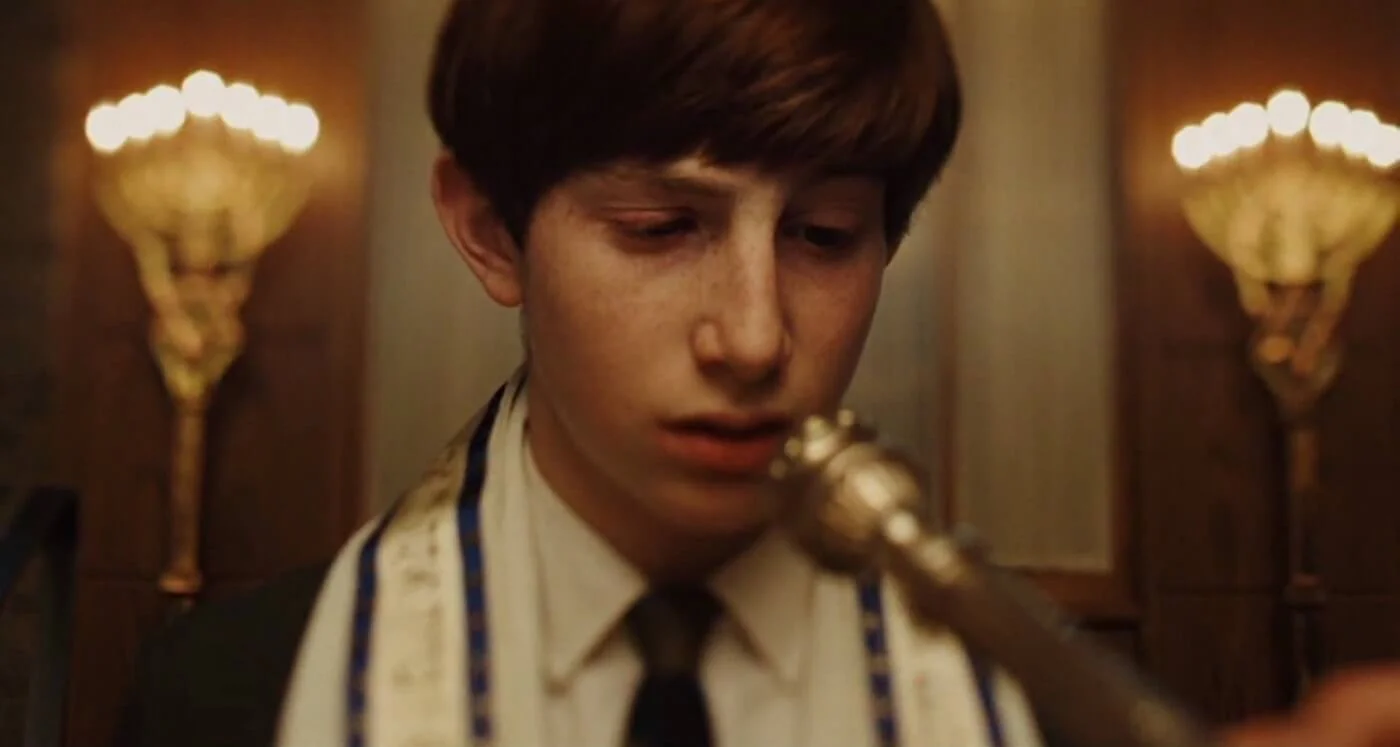
Film Shots Example: A tilt-shift lens captures a trippy bar mitzvah in A Serious Man
Here's another tilt-shift shot example from The Assassination of Jesse James by the Coward Robert Ford.
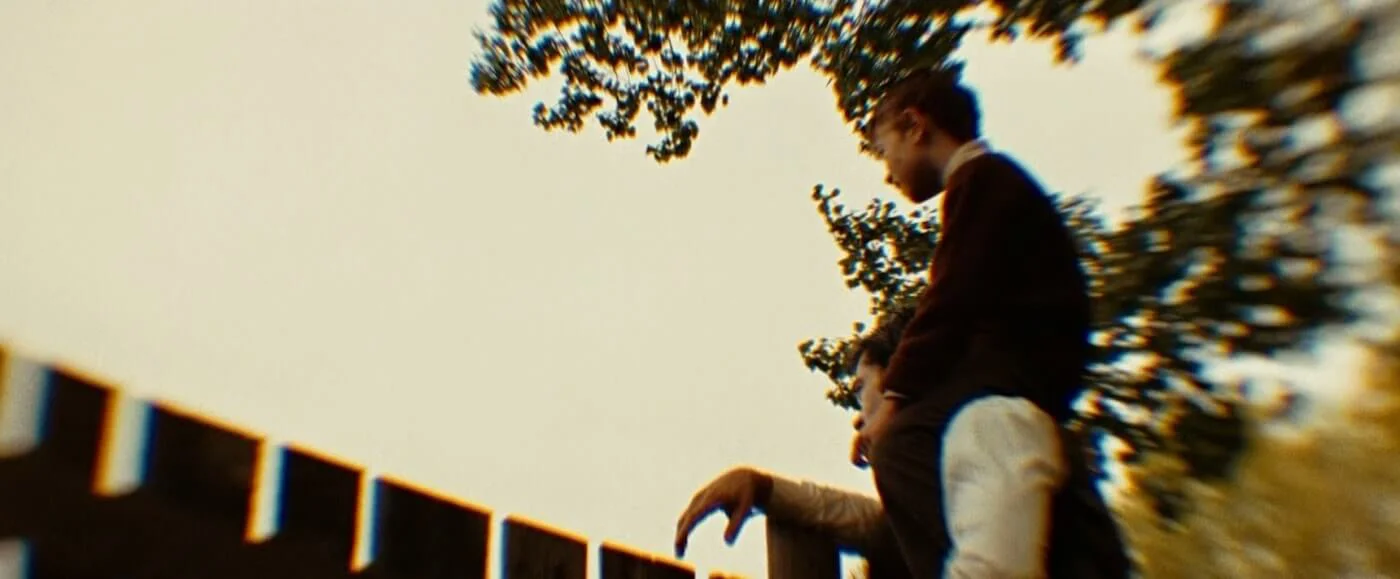
Film Shots Example: A tilt-shift lens creates dreamy distortion
Types of Camera Focus
Soft focus
Whereas deep focus keeps everything in focus, and shallow focus keeps something in focus, soft focus shots keep nothing in 100% sharp focus. This is caused by either a flaw in the lens itself or through special filters.
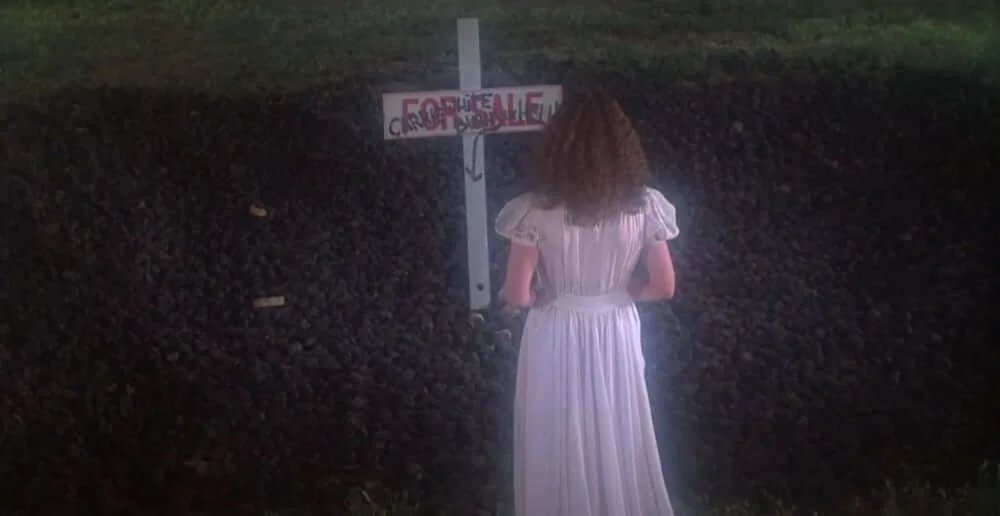
That Soft Focus Glow in Brian De Palma's Carrie
Soft focus is perfect when filming a dream or memory — the glow around everything is both wistful and slightly unreal.
Two Planes of Camera Focus
Split Diopter
A split diopter is an additional lens element that allows for two simultaneous focal lengths. In other words, you can achieve shallow focus in the foreground AND in the background, while the middle ground remains out of focus.
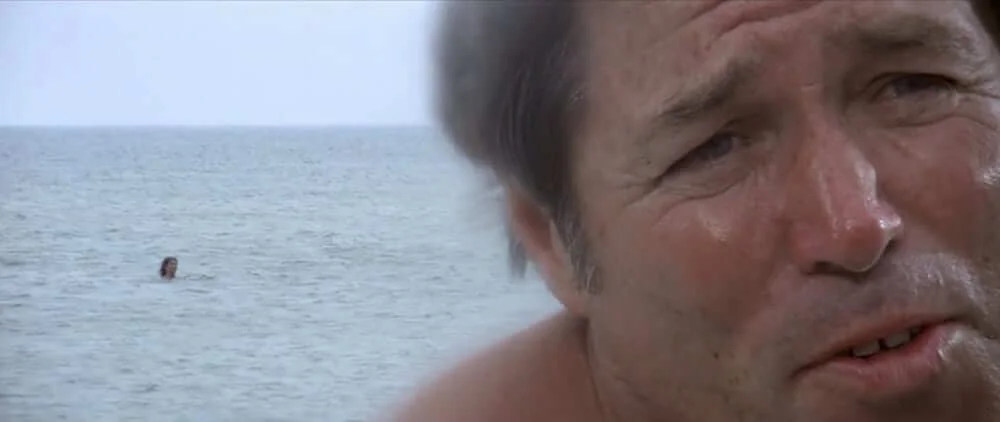
Split Diopter Shot in Jaws
This is a highly stylized shot and tends to draw attention to itself because it is "unnatural." The human eye can see in deep or shallow focus but not both at the same time, which is why this type of camera shot should used with caution.
It's not enough to just understand shot size. Camera angles, and degree of those angles, can totally change the meaning of a film shot.
04
Camera Angles
Types of Camera Shots Explained
Camera Shot Angle DEFINITION
What is camera shot angle?
The camera shot angle is used to specify the location where the camera is placed to take a shot. The position of the camera in relation to the subjects can affect the way the viewer perceives the scene. A scene may be shot simultaneously from multiple camera angles to amplify the cinematic effect and the emotions.
Directors can decide to combine different camera angles for enhanced effect. Angle is just one of the many different types of cinematography that filmmakers have at their disposal.
Wondering how many camera angles are there?
Here's a rundown of every camera angle, how they work, and whey they might work best in your next shot list.
![Ultimate Guide to Camera Angles: Every Camera Shot Explained [Shot List, Ep. 3]](https://i.ytimg.com/vi/wLfZL9PZI9k/hqdefault.jpg)
Ultimate Guide to Camera Angles • Subscribe on YouTube
For a downloadable "cheatsheet," here is a shot list with the different types of camera shot angles:
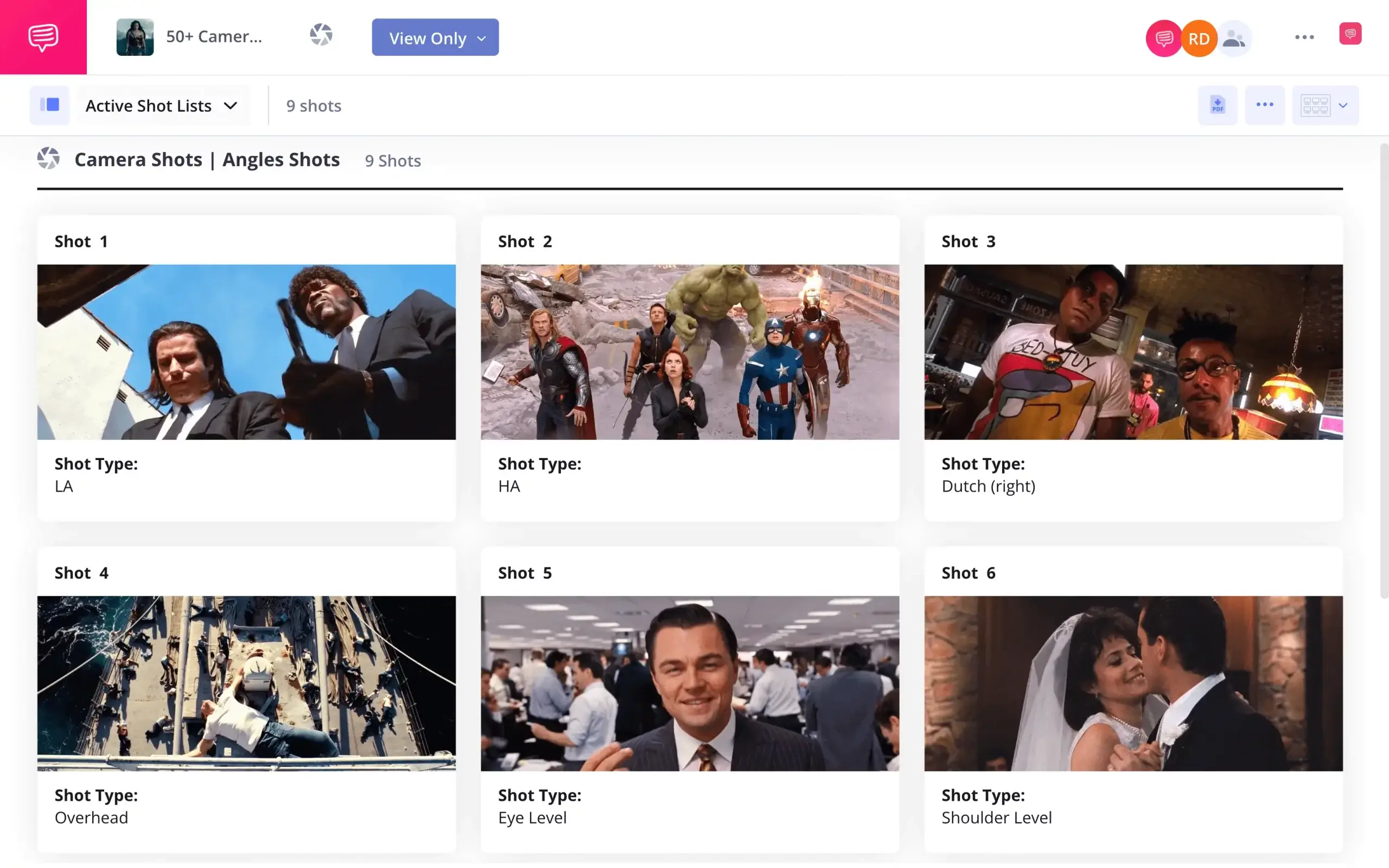
Types of Camera Shot Angles Examples • Shot Listed in StudioBinder
In this section we'll cover all the different types of camera angles in film and provide you with plenty of camera angle examples.
TYPES OF CAmera Angles
Eye Level Shot
First, consider the most common height: the eye level shot. When your subject is at eye-level they’re in a neutral perspective (not superior or inferior). This mimics how we see people in real life — our eye line connecting with theirs.
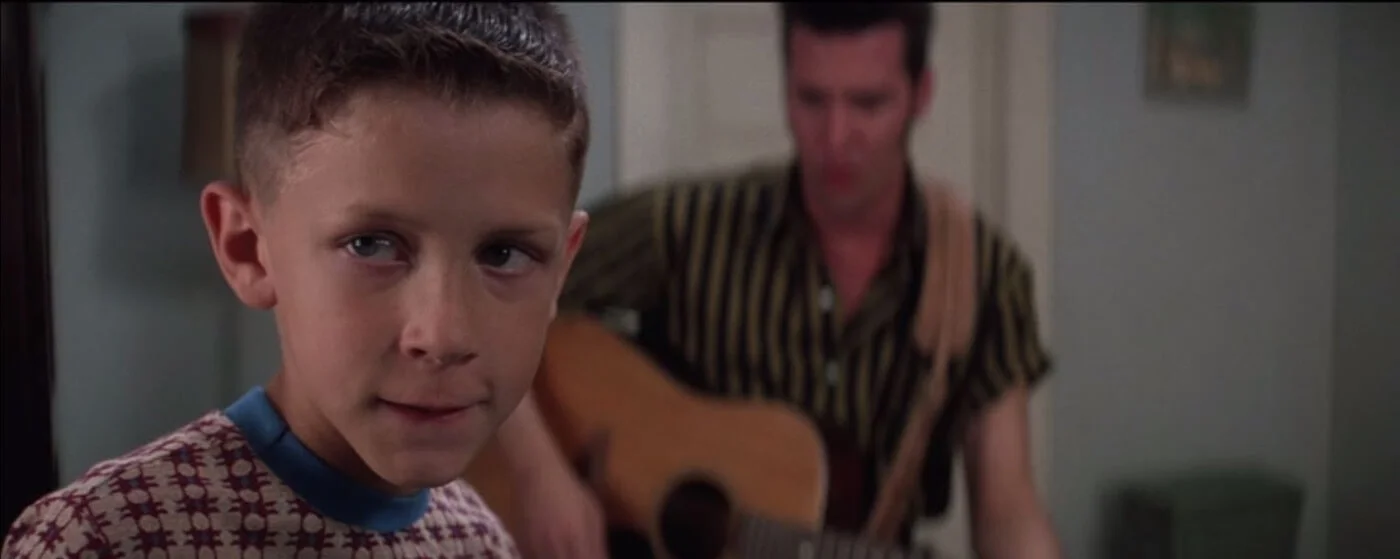
Types of Angles: Eye Level Shot Example in Forrest Gump
Here's another eye level shot example from one of the best Tim Burton movies Alice in Wonderland:
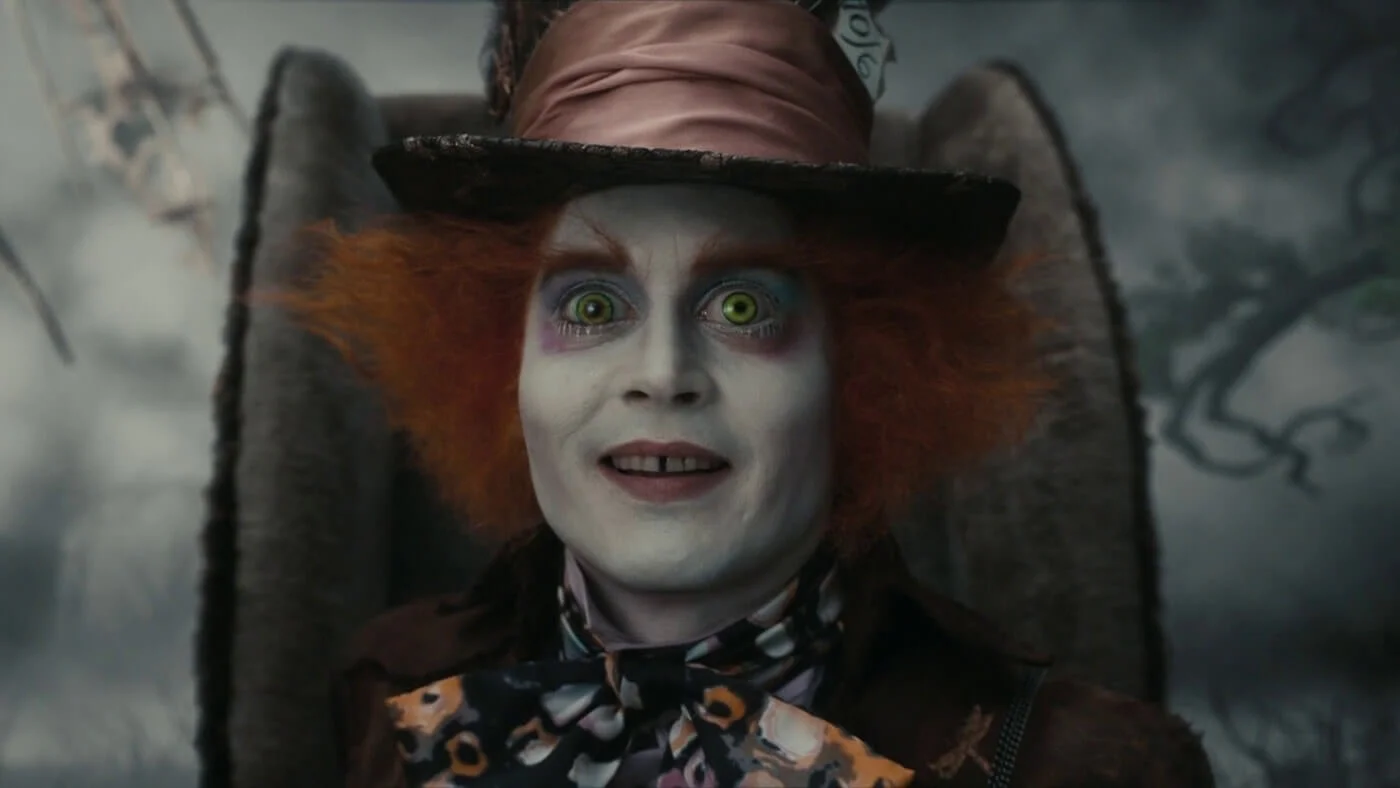
Types of Camera Shot Angles: Eye Level Shot Example in Alice in Wonderland
TYPES OF CAmera Angles
Low Angle Shot
A low angle shot frames the subject from a low camera height looking up at them. These camera shots most often emphasize power dynamics between characters.
![The Low Angle Shot [Best Camera Angles in Film] #lowangleshot](https://i.ytimg.com/vi/HnZsFS8I4bQ/hqdefault.jpg)
Low Angle Camera Shot Examples • Subscribe on YouTube
A superior character with the upper hand is often framed from down low. This makes an inferior feel like they are looking up to them. As far as camera techniques in film go, the low angle is one of the most direct.
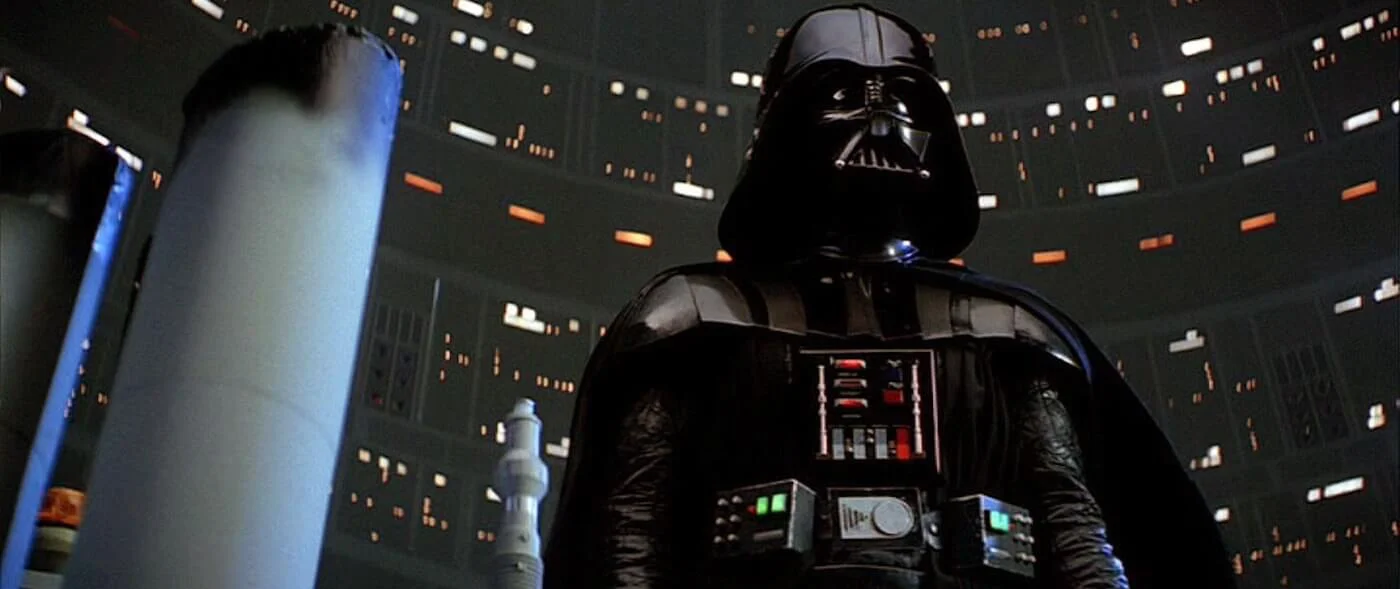
Types of Angles: Low Angle Shot Example in The Empire Strikes Back
TYPES OF ANGLES: High Angle Shot Example
High Angle Shot
In a high angle shot, the camera points down at your subject. It usually creates a feeling of inferiority, or “looking down” on your subject.
But, as the video below shows, there are creative expressions of this type of angle that can vary depending its context.

Types of Camera Angles: High Angle Shot Examples • Subscribe on YouTube
Here's an example of a high angle shot from one of the best romantic movies The Princess Bride:
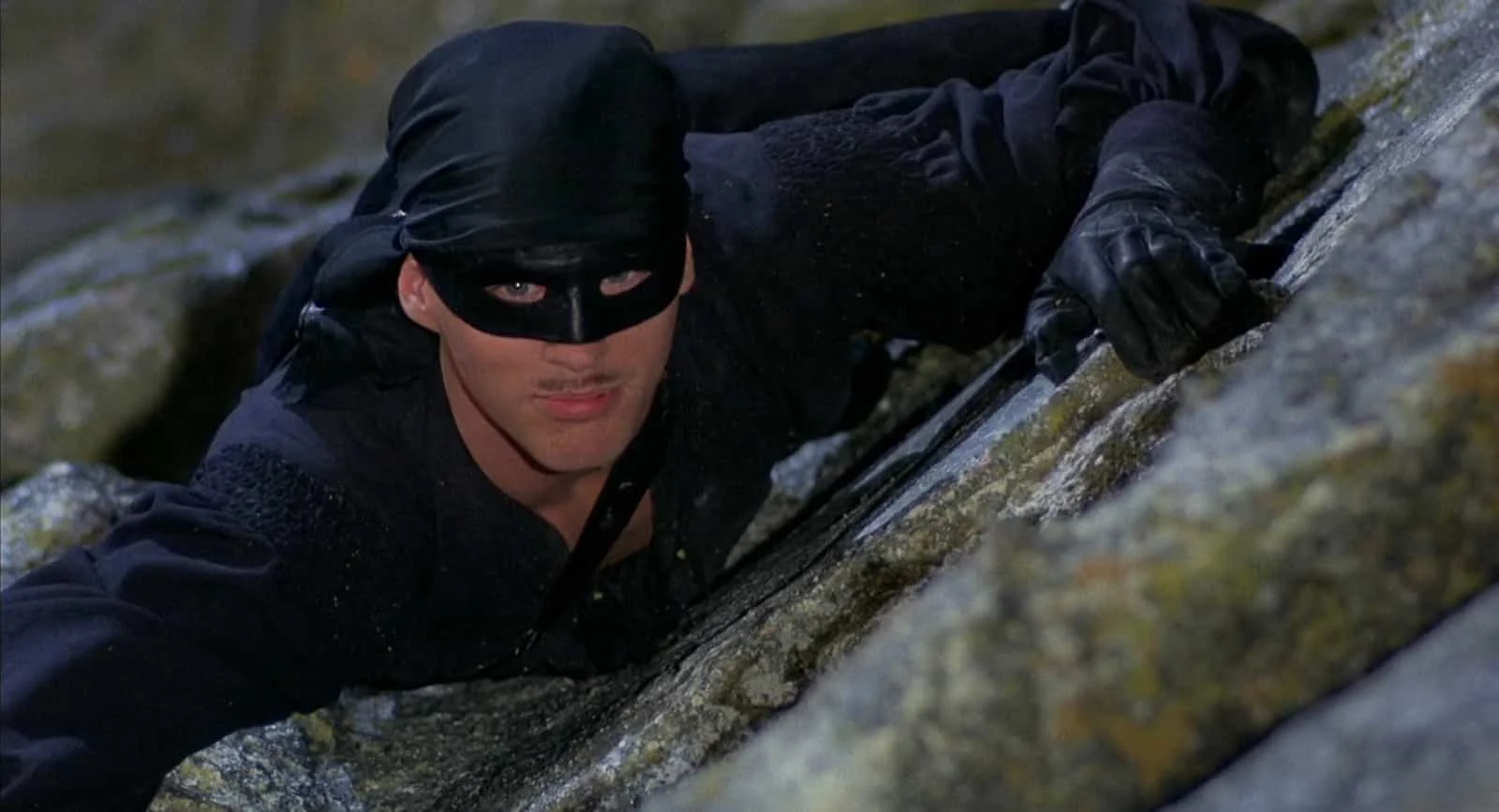
Film Shots Examples: High Angle Shot in The Princess Bride
Types of Camera Shot Angles
Hip Level Shot
A hip level shot is when your camera is roughly waist-high.
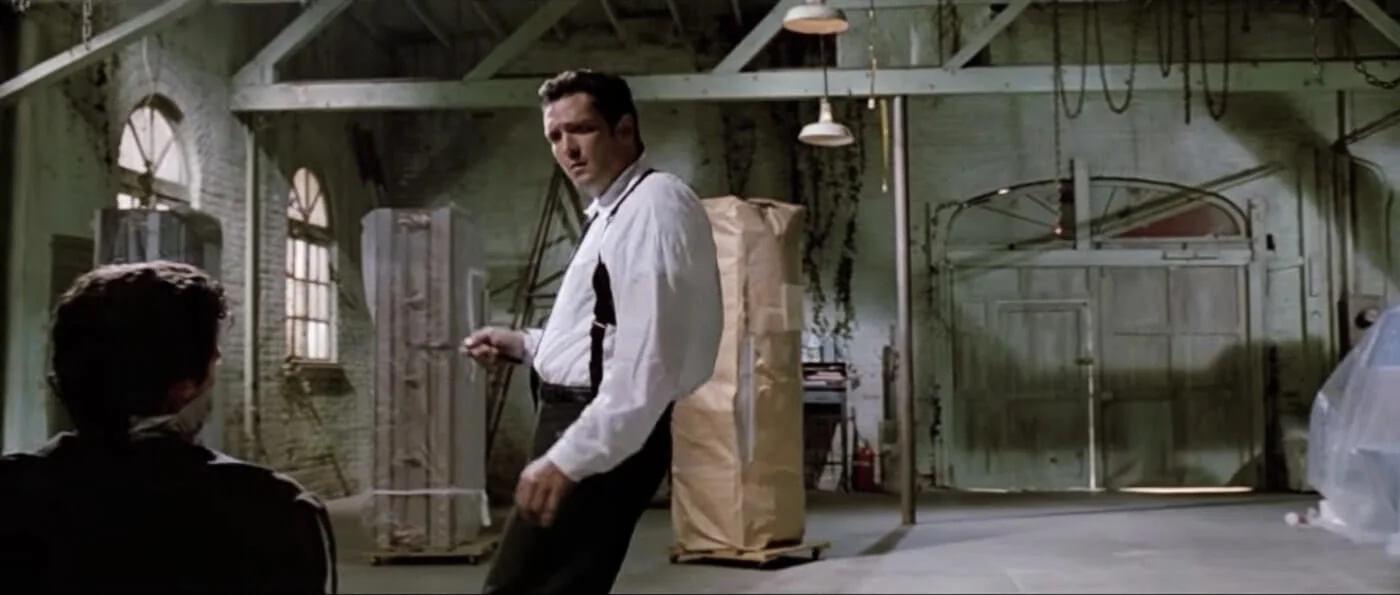
Types of Camera Angles: Hip Level Shot Example in Reservoir Dogs
Here's another hip level shot example from one of the best romantic comedies Punch-Drunk Love:
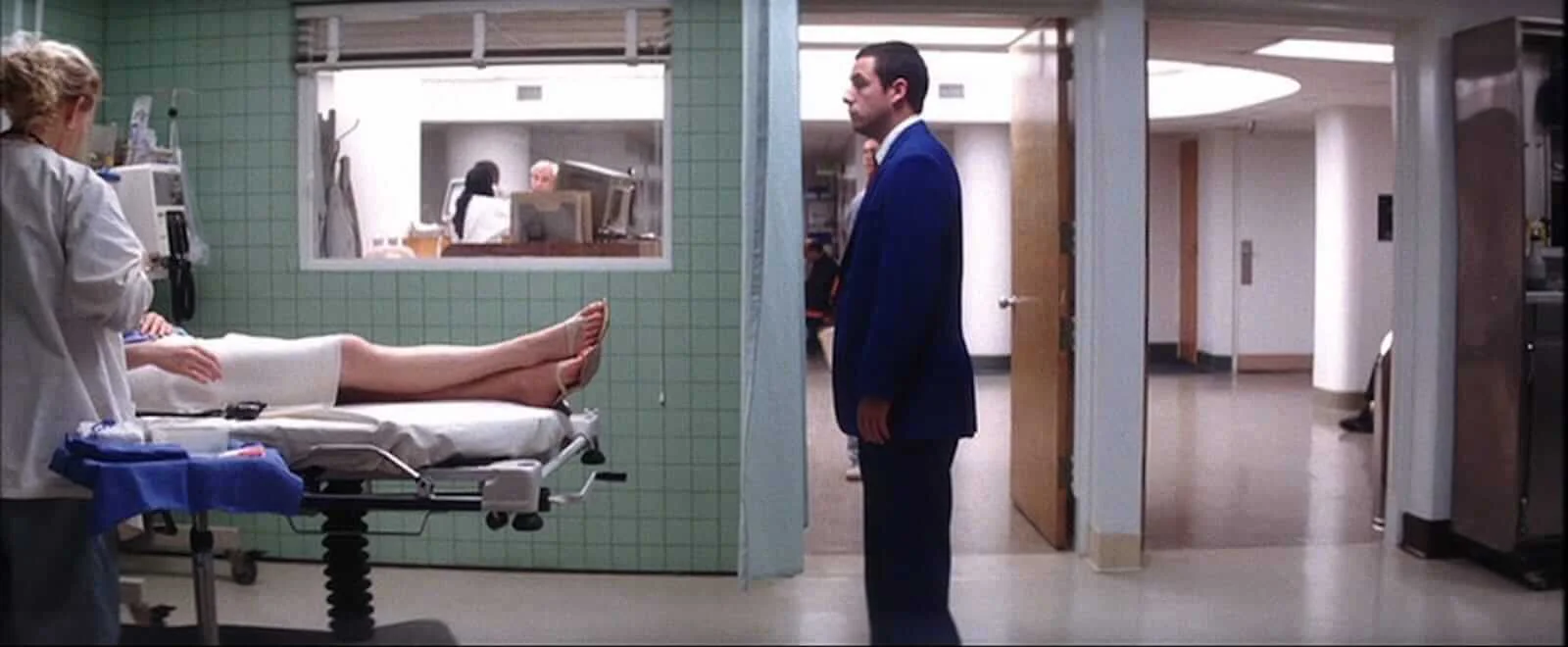
Types of Angles: Hip Level Shot Example in Punch-Drunk Love
TYPES OF CAMERA ANGLES
Knee Level Shot
This is when your camera height is about as low as your subject’s knees. They can emphasize a character’s superiority, if paired with a low angle.
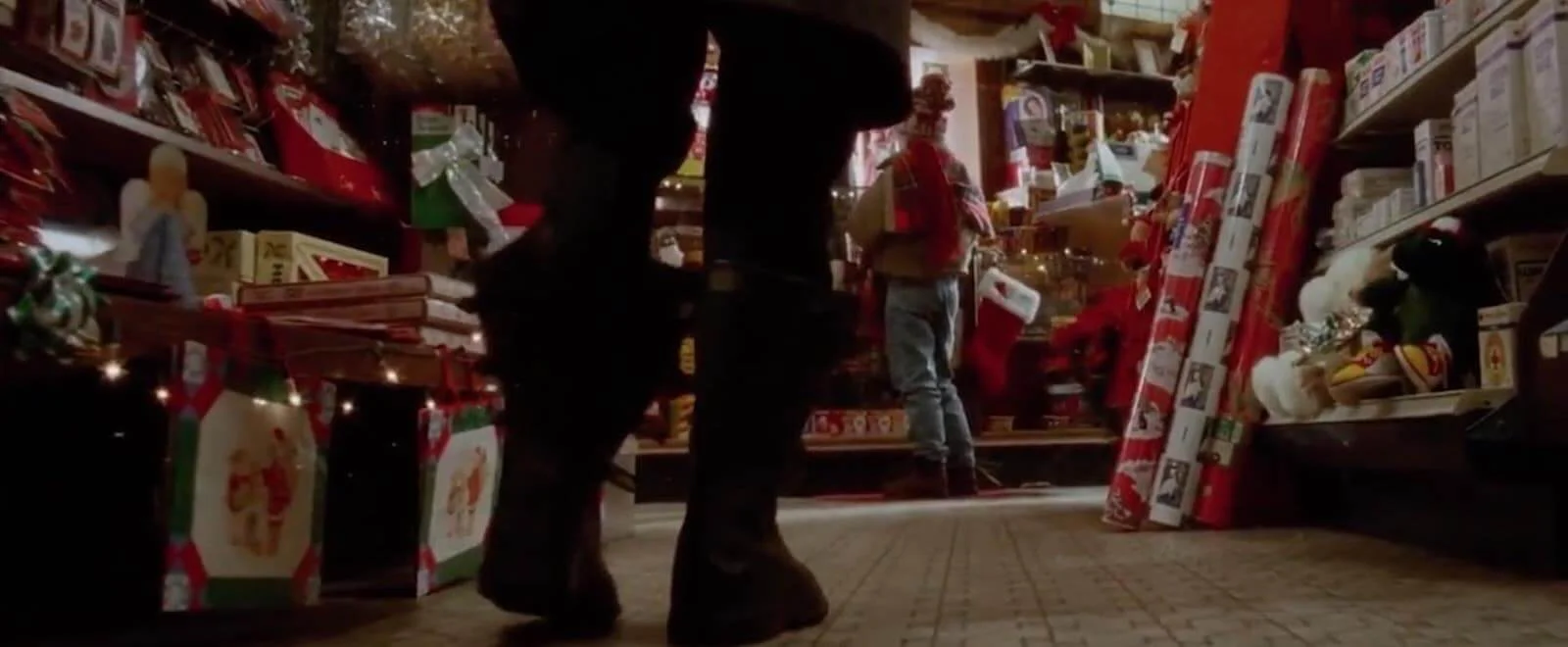
Shot Types: Knee Level Shot in Home Alone
Here's another knee level shot example:
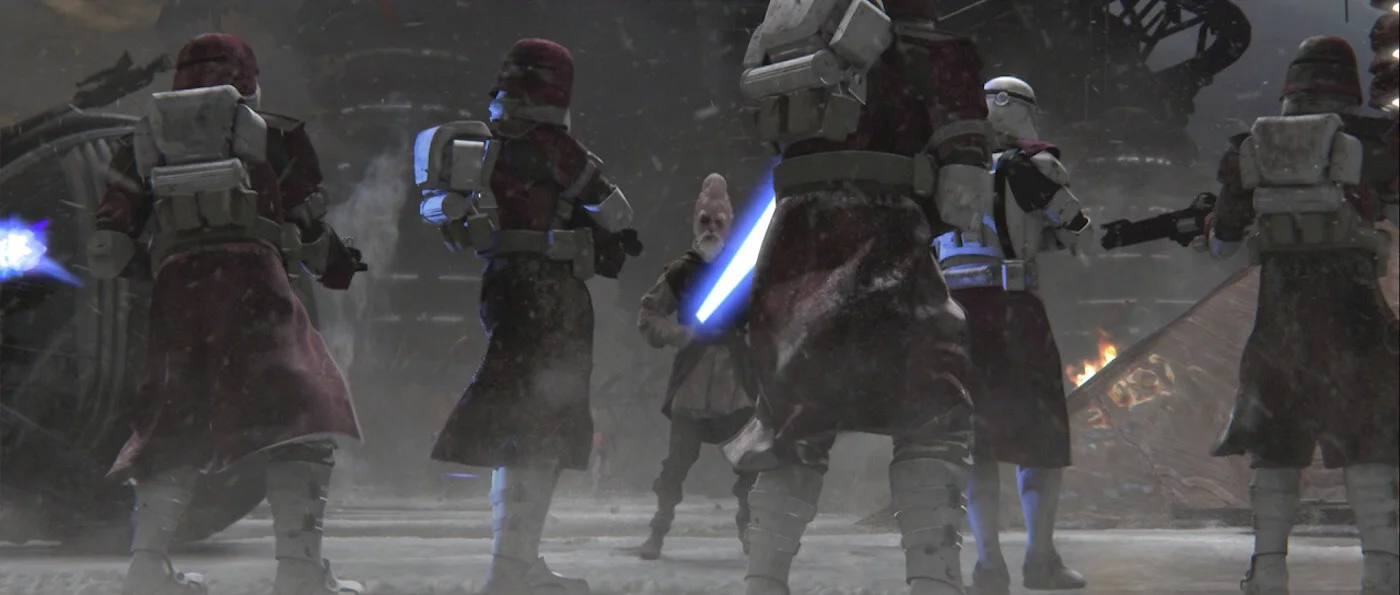
Types of Camera Shot Angles: Knee Level Shot Example in Revenge of the Sith
TYPES OF SHOT ANGLES in movies
Ground Level Shot
A ground level shot is when your camera’s height is on ground level with your subject. Needless to say, this shot captures what’s going on the ground your subject stands on.
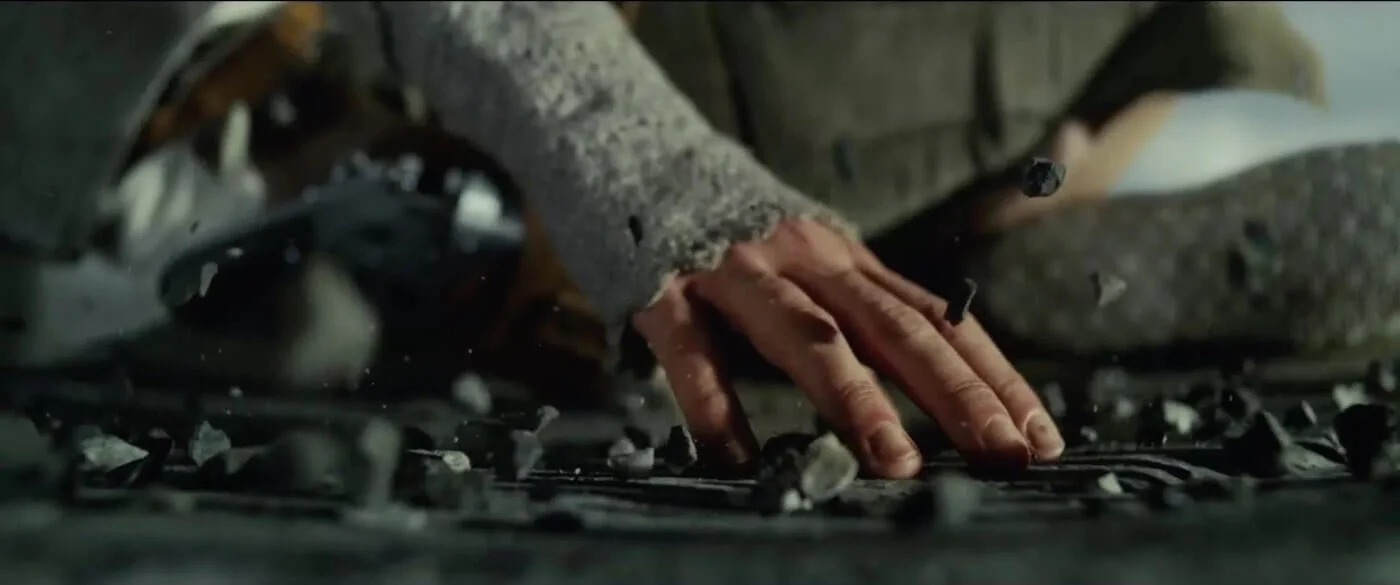
Types of Angles: Ground Level Shot Example in Star Wars VIII: The Last Jedi
Here's another ground level shot example:
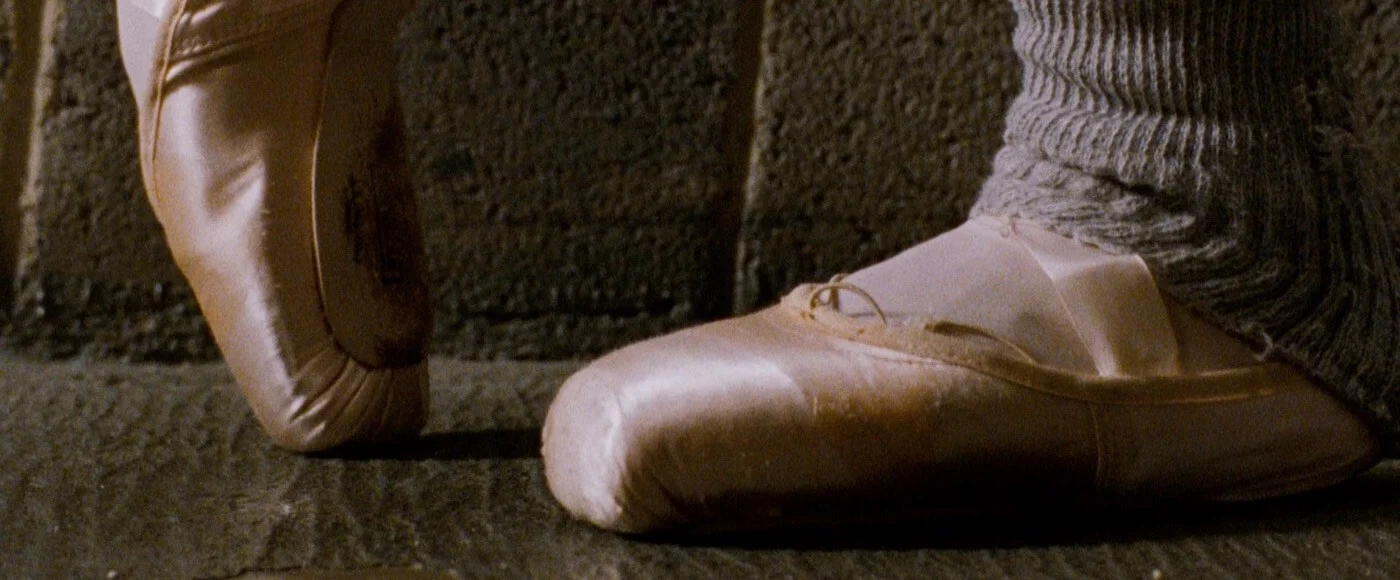
Shot Types: Ground Level Shot Example in Black Swan
Here's another ground level shot example from one of many Stanley Kubrick's marvelous movies, Full Metal Jacket:
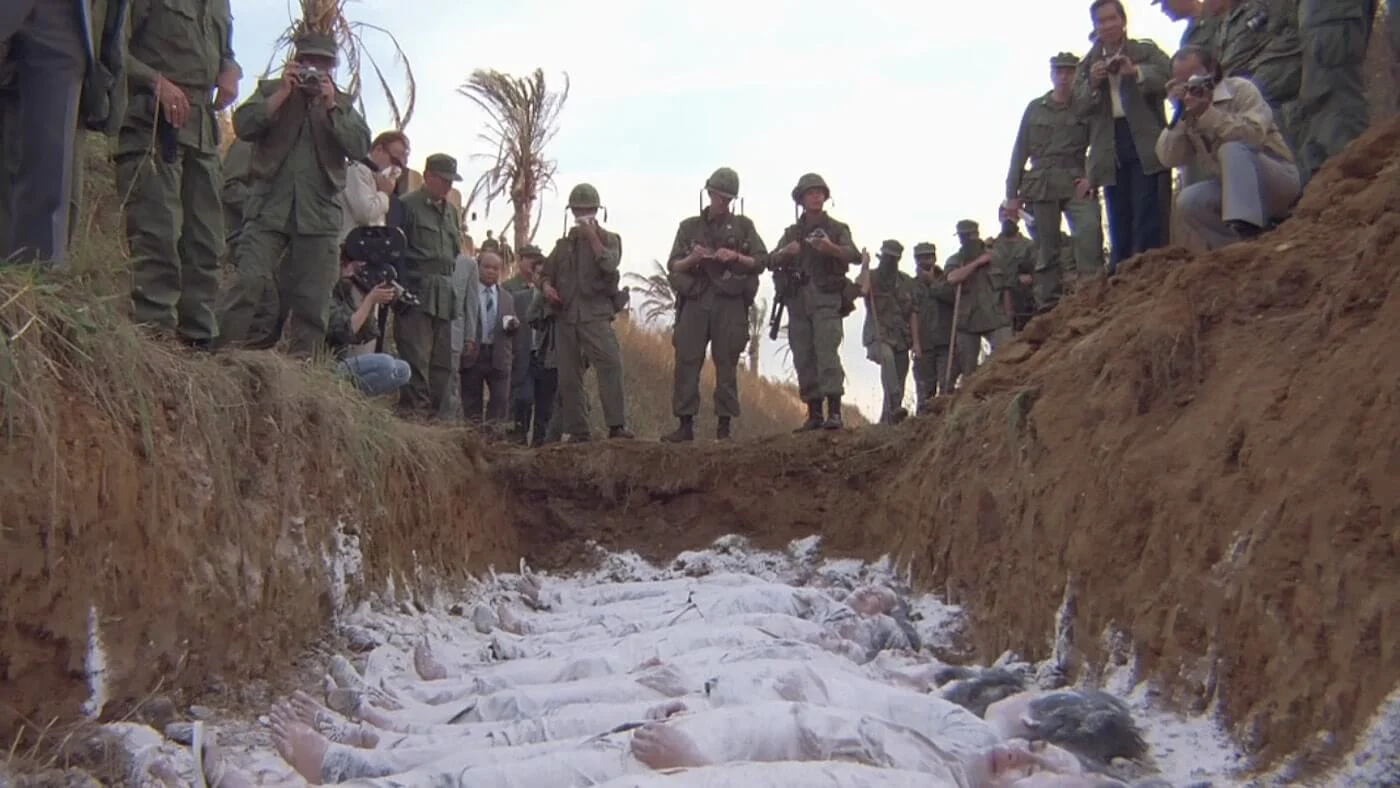
Types of Angles: Ground Level Shot Example in Full Metal Jacket
TYPES OF CAMERA ANGLES in film
Shoulder Level Shot
This is when your camera is roughly as high as your subject’s shoulders. Shoulder level shots are actually much more standard than an eye level shot, which can make your actor seem shorter than reality.
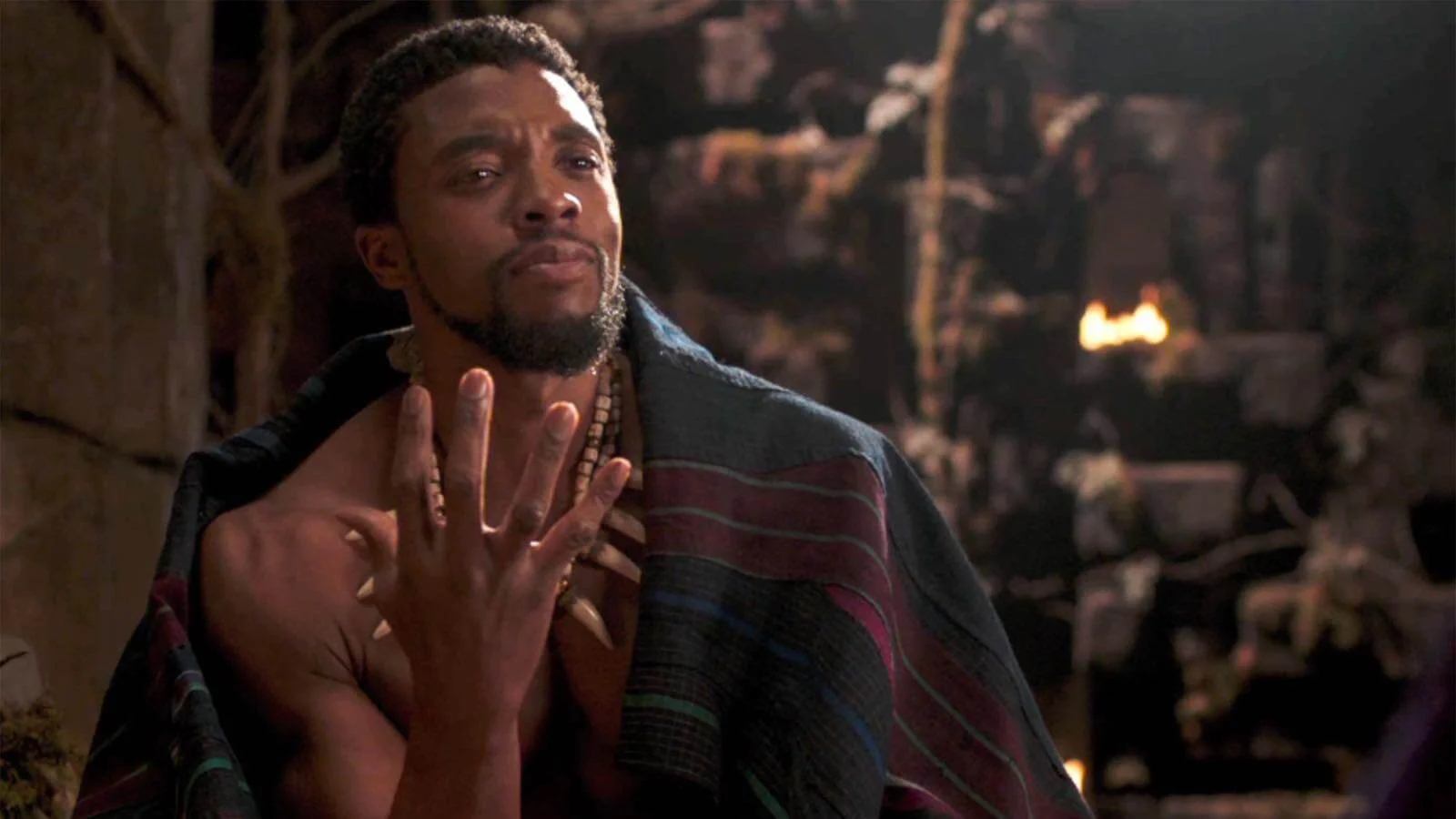
Types of Camera Shot Angles: Shoulder Level Shot in Black Panther
A shoulder level shot can maximize the feeling of superiority when paired with a low angle. Here's another shoulder level shot example:
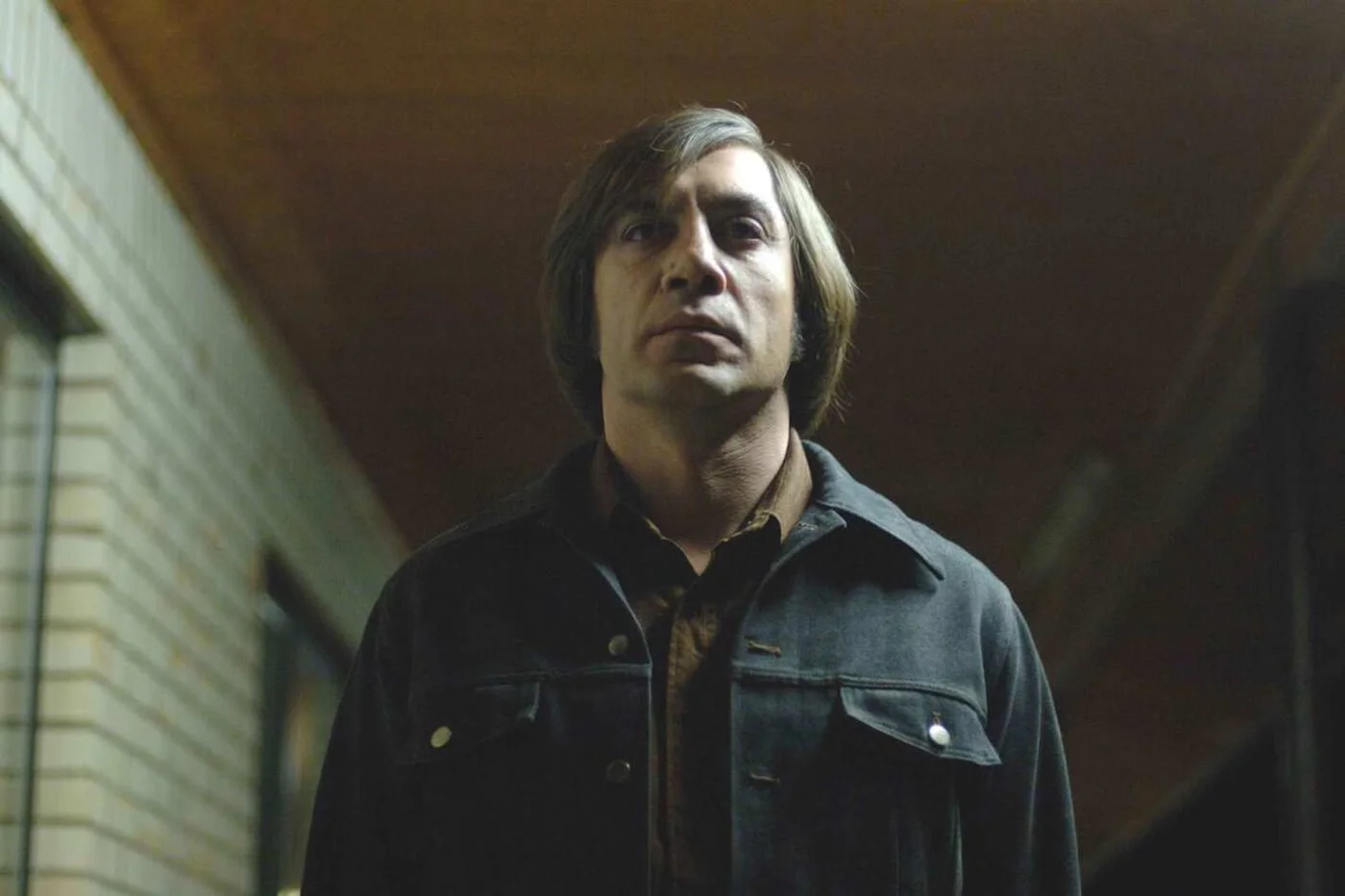
Types of Camera Angles: Shoulder Level Shot Example in No Country For Old Men
types of shots in film
Dutch Angle or Dutch Tilt Shot
For a dutch angle (dutch tilt), the camera is slanted to one side. With the horizon lines tilted in this way, you can create a sense of disorientation. This video breaks down a key moment in Mission: Impossible when Ethan first realizes that he's being set up.
![How to Use The Dutch Angle Shot [Cinematic Techniques in Film] #dutchangle](https://i.ytimg.com/vi/R9FUEScjB1U/hqdefault.jpg)
Shot Types: Dutch Angle Example • Subscribe on YouTube
CAMERA SHOTS ANGLE in film
Bird’s Eye View Shot or Overhead Shot
An overhead shot is from way up high, looking down on your subject and a good amount of the scenery surrounding him or her. This can create a great sense of scale and movement.

A handy compilation of bird’s eye camera shots.
Here's an overhead shot example:

Types of Angles: Overhead Shot Example in Eternal Sunshine of the Spotless Mind
CAMERA SHOTS By ANGLE
Aerial Shot
Whether taken from a helicopter or drone, this is a shot from way up high. It establishes a large expanse of scenery. The opening shots of one of the best cyberpunk movies Blade Runner use them to establish futuristic cityscapes.
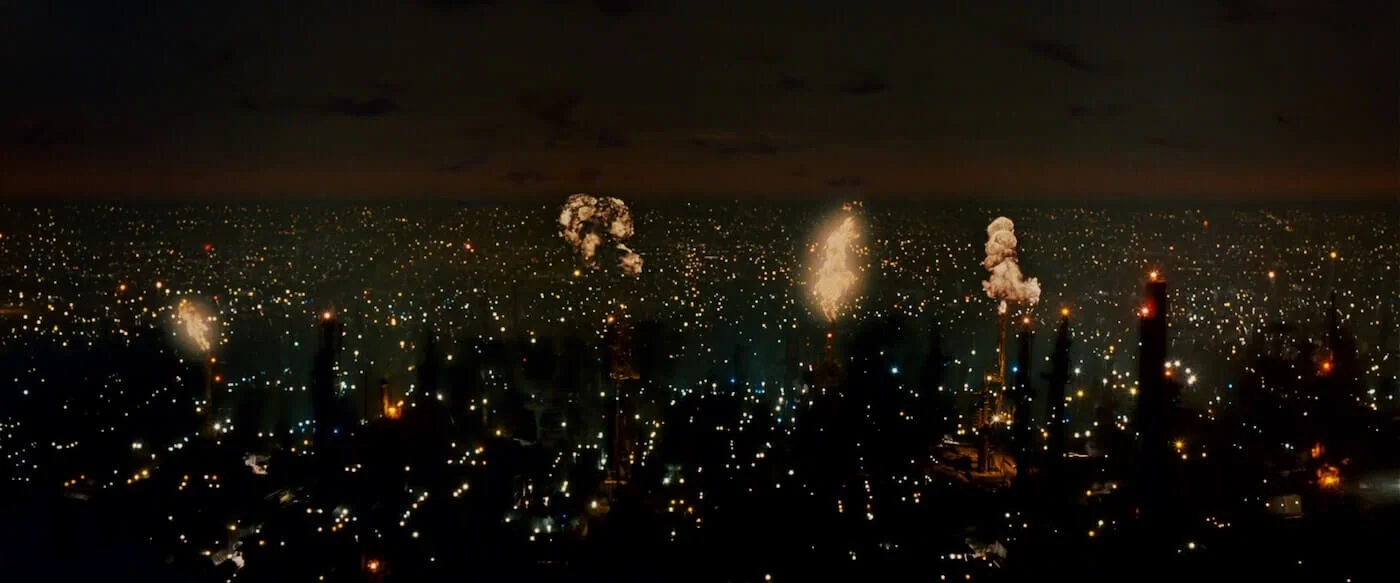
Types of Camera Shot Angles: Aerial Shot Example in Blade Runner
Affordable drones have made aerial photography more accessible to filmmakers. Once considered a big-budget luxury or stock-footage mainstay, original aerial photography is now within reach of almost any production, all thanks to the "rise" of drones (and Sky-net).
05
Camera Movement
Types of Camera Shots Explained
Types of Camera Movement
The way a camera moves can give meaning to what's happening on screen. You can burst into a room, drone over from on high, pan with a head turn, and dolly-zoom for any revelation.
Camera Movement DEFINITION
What is camera movement?
Camera movement is a powerful filmmaking tool employed to modify the relationship between the subject and the camera frame, with the goal of altering viewer's perspective of space and time for a more impactful and visceral visual storytelling.
Camera moves set auteur directors out from the pack and wind up defining their visual style. But how can you plan all these camera movements so your story stays consistent from scene to scene?
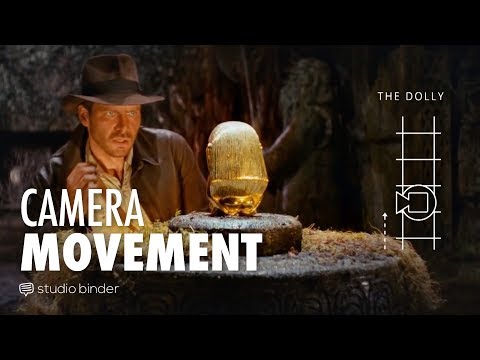
Fimmaking Techniques: Camera Movement • Subscribe on YouTube
TYPES OF SHOTS IN FILM
Static Shot or Fixed Shot
When there’s no movement (i.e. locked camera aim) it’s called a static shot. These camera shots emphasize the appearance and movement of your subject against its environment, and are predominantly captured by being placed on a tripod or a dolly that remains static during the shot.
Static shots work well in every genre, but they're nice for comedy because the actor’s performance and dialogue is often the focus.
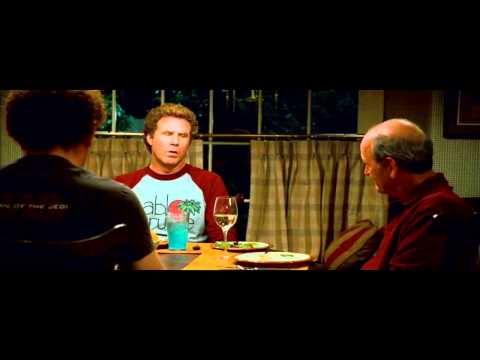
Static Shot Example in Step Brothers
TYPES OF SHOTS MOVEMENT
Camera Dolly Shot
A dolly shot is where the camera is affixed to a mechanism called a dolly, which is a specialized push-cart built to handle heavy cinema cameras. A dolly will often have areas to attach seats for the camera operator and assistant camera operators to pull focus and control the camera.

Types of Shots in Film: Chapman Dolly UK
A dolly most commonly will be placed on tracks, and the vast majority of professional dollies have either a hydraulic or even a pneumatic head that can jib up and down during operation.
Camera Zoom Example in movies
Zoom Lens Shot
Zoom shots are camera shots that change the focal length of the lens during the shot. This action can be a zoom out, or a zoom in, but they are different from a push in (or dolly in) because the camera is rarely changing positions, but simply altering the focal length of the zoom lens.
A good way to remember this is that the camera does not zoom, but rather the lens zooms. Now, your iPhone might be able to do a "digital zoom" which is actually just reducing the image quality by moving in on an already captured image which is a huge faux pas in pro filmmaking.

Film Shots Examples: Quentin Tarantino's Zoom Shot
Here's another zoom shot example:

Film Shots Examples: Zoom Shot in The Shining
TYPES OF CAMERA MOVEMENT
Dolly/Zoom Shot or Vertigo Shot
A dolly/zoom shot is where the camera position and focal length of the lens are simultaneously altered to create a warping effect.
![The Dolly Zoom Effect: Cinematic Camera Movements in Film [Vertigo Effect] #dollyzoom](https://i.ytimg.com/vi/ttZAdY3n4nc/hqdefault.jpg)
Types of Shots in Film: Dolly Zoom • Subscribe on YouTube
TYPES OF CAMERA Shots By MOVEMENT
Camera Pan Shot
Camera pans rotates the camera side to side on a horizontal axis. This can reveal something to your viewer or allow them to follow an action.

Camera Pan Shot Example in Munich
Camera Tilt Example in film
Camera Tilt Shot
A camera tilt is when you move your camera up and down on a vertical axis. So, it’s exactly like a pan, only vertical.
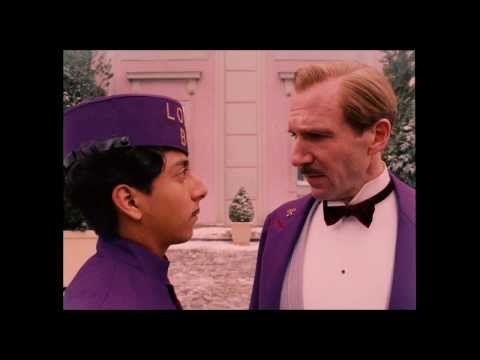
Camera Tilt Shot Example in The Grand Budapest Hotel
TYPES Shots OF MOVEMENT in film
Whip Pan Shot or Swish Pan Shot
A whip pan happens when you pan the camera from one shot to another, creating a motion blur.
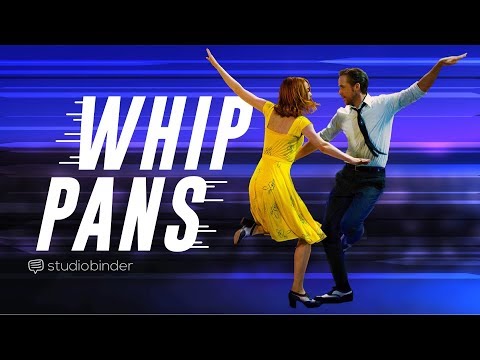
Whip Pans Examples • Subscribe on YouTube
Here's an example of a whip pan captured on set:

Behind the scenes on a whip pan setup in La La Land
TYPES OF MOVEMENT in film
Whip Tilt Shot or Swish Tilt Shot
The swish tilt is the same idea as a swish pan, only vertical.

Wes Anderson uses the swish pans and tilts extensively in The Grand Budapest Hotel
TYPES OF Shot MOVEMENT in Movies
Tracking Shot
A tracking shot moves with your subject. Sometimes it follows behind or beside them on a dolly, Steadicam or a gimbal.
![How to Shoot Better Tracking Shots [Examples of #Trackingshots]](https://i.ytimg.com/vi/mkVYpzyJvG8/hqdefault.jpg)
Types of Shots in Film: Tracking Shots Examples • Subscribe on YouTube
Here is one of the earliest tracking shot examples:

Tracking Shot Example in Paths of Glory
Types of Camera Movement in Movies
Crab Shots
The crab shot is basically a dolly shot that moves horizontally like a crab.
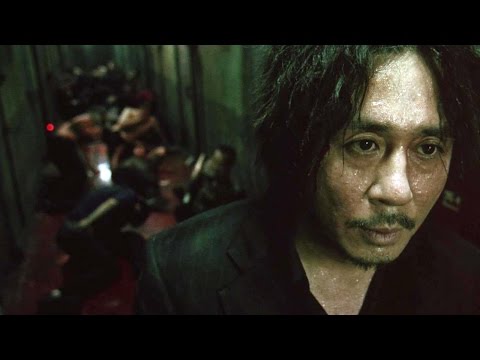
Crab Shot Example in Oldboy
TYPES OF Camera shots by MOVEMENT
Arc Shot
Arc shots are camera shots where the camera moves around the subject in an arc pattern so as to show more of the surroundings:

Arc Shot Example in The Dark Knight
06
Camera Equipment
Types of Camera Shots Explained
Camera mechanisms is a fancy way of saying camera equipment. Want your camera to glide along a slider? Pushed on a dolly? Swooping with a jib arm? Hovering with a gimbal?
Depending on the gear you use, the feeling of a shot can dramatically change. This is why you'll need to give the mechanism some thought when shot listing. Just remember, camera mechanisms don't just affect the look and feel of a shot, but also your budget, and prep time on set.
Technocranes don't come cheap. And setup time could put your set in a holding pattern if you don't schedule carefully. So, choose your camera mechanisms carefully when you shot list.
Here's a video breakdown of the various types of camera rigs, how they work, and how they add to the "feel" and look of a shot.
![Camera Gear: Every Type of Camera Rig Explained [The Shot List, Ep 5]](https://i.ytimg.com/vi/heJ9hWNb10g/hqdefault.jpg)
Ultimate Guide to Camera Gear • Subscribe on YouTube
Type of Camera Mechanisms
Types of Camera mechanisms in film
1. Sticks / Tripod Shot
Now let’s consider the different mechanisms that will dictate the movement in your camera shots. The most common mechanism is the tripod, or “sticks,” used for static shots and simple pans and tilts.

Tripods and Heads 101
TYPES OF MECHANISMS in Film
2. Camera Slider Shot
A slider is a piece of equipment that “slides” your camera on a vertical or horizontal axis. It’s sort of like a dolly mounted on a tripod that creates smooth, sweeping camera moves.
Cinematography techniques with examples: Camera Slider Shots Example
You can also use a slider with a tripod head to mimic a jib shot, but you want to be careful not to let the weight become unbalanced.

Filmmaking techniques with examples: Camera Slider into Camera Jib
TYPES OF Camera MECHANISMS
3. Handheld Camera Shot
Handheld shots are held and moved by a camera operator. They aren’t stabilized and often shaky. They can add a gritty feel to a shot.

Handheld camera shot example
TYPES OF Camera Shots By MECHANISMS
4. Steadicam Shots
A Steadycam shot uses a camera stabilizing device that attaches to the camera operator. It uses a counterbalancing system for smooth and stable camera moves. Today, it is one of the most common camera techniques in film.
Steadycam is the broad name for this camera mechanism, while the Tiffen Steadicam (with an 'i') is the model name used by Tiffen.
Think: Tissue paper vs Kleenex.
Fun fact: the above is known as a proprietary eponym. So, now you're not only learning your camera shots, but also vocabulary. How fun!
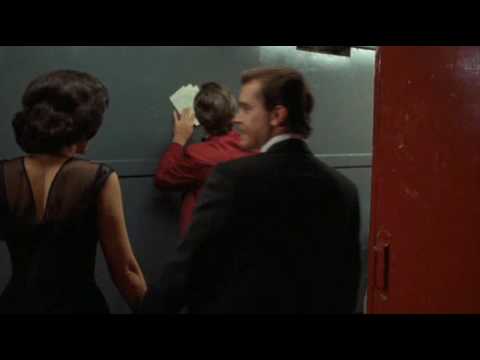
Steadicam Shot Example in Goodfellas
3-Axis Gimbal Example
5. Camera Gimbal Shot
Gimbals are another camera stabilizing device that use motorized gyroscopes to reduce friction. It is more compact than a Steadicam and completely handheld. This allows it to fit through tight spaces.

Cinematic Gimbal Shots
Technocrane Shots Example
6. Camera Crane Shots
A crane shot often sweeps up and over a scene. It is a great way to create first or final shot for a film.
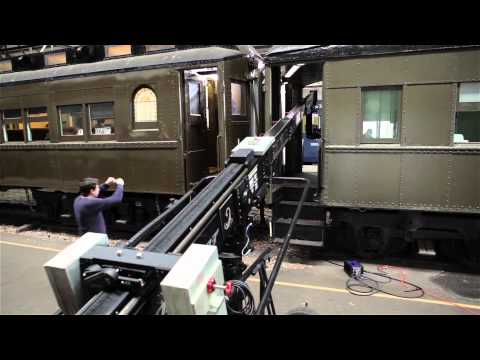
Crane Shot Example
Camera Jib Example
7. Camera Jib Shot
A jib is a crane device that sweeps the camera up and over a setting. A jib is similar a crane, but with more limited range and movement. It's compact and utilizes counter-weights.
![Should you buy a jib/crane? [iFootage Minicrane M1-III]](https://i.ytimg.com/vi/zViFtf1_I-A/hqdefault.jpg)
A jib is a cost-effective way to get an expensive-looking crane shot
Drone Shot Example
8. Drone Shots
These camera shots attach to a drone to fly over or alongside your subject. They're often used for aerial shots or when shooting an exciting car chase. Drones are cheaper than helicopters and can operate in spaces helicopters can’t. With the rise of drone technology, anyone can now get a "helicopter shot" without the helicopter.

Drone Shot Example in Skyfall
Cablecam Example
9. Camera Wire Shots
In this shot, the camera moves on a cable or wire for deliberate, smooth moves. Like drones, wires get much closer to the action than helicopters. These are often used in live concerts and sporting events.

Different types of cinematography techniques • Wire Shot Example
Up next
How to create a professional shot list
Having knowledge of the types of shots in film, and why they’re used, is the building block to good storytelling. Each shot is a brushstroke for painting a vision. Be intentional when you select your shots.
Up next, we'll walk you through the process of shot listing like a pro. Everything from selecting camera specs, to properly estimating prep and setup times. We provide a free shot list template to get you started.
Up Next: Create a Shot List like a Pro →

Share your vision with elegant shot lists and storyboards.
Create robust and customizable shot lists. Upload images to make storyboards and slideshows.